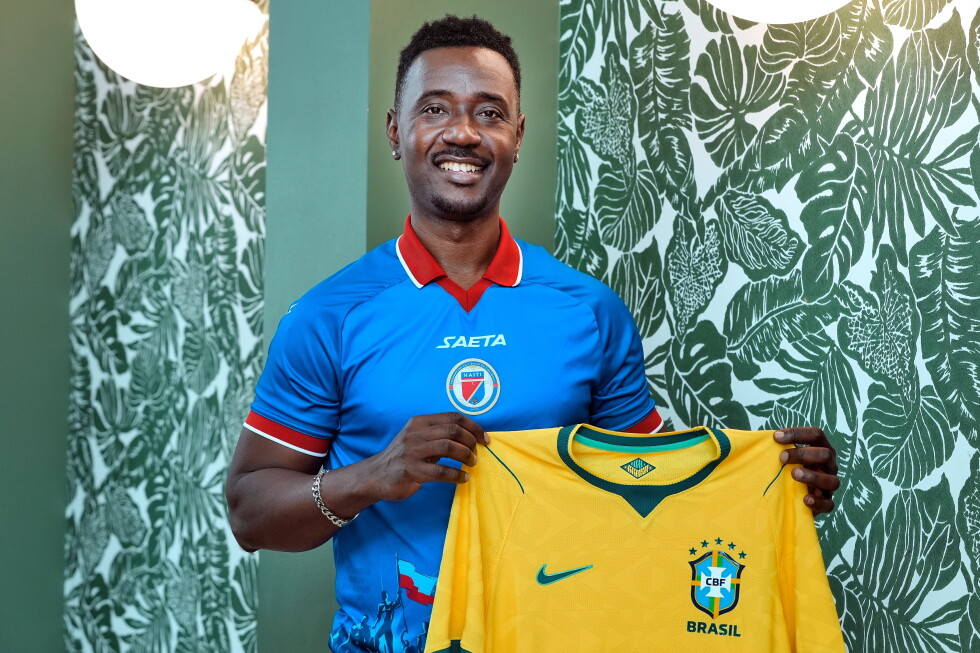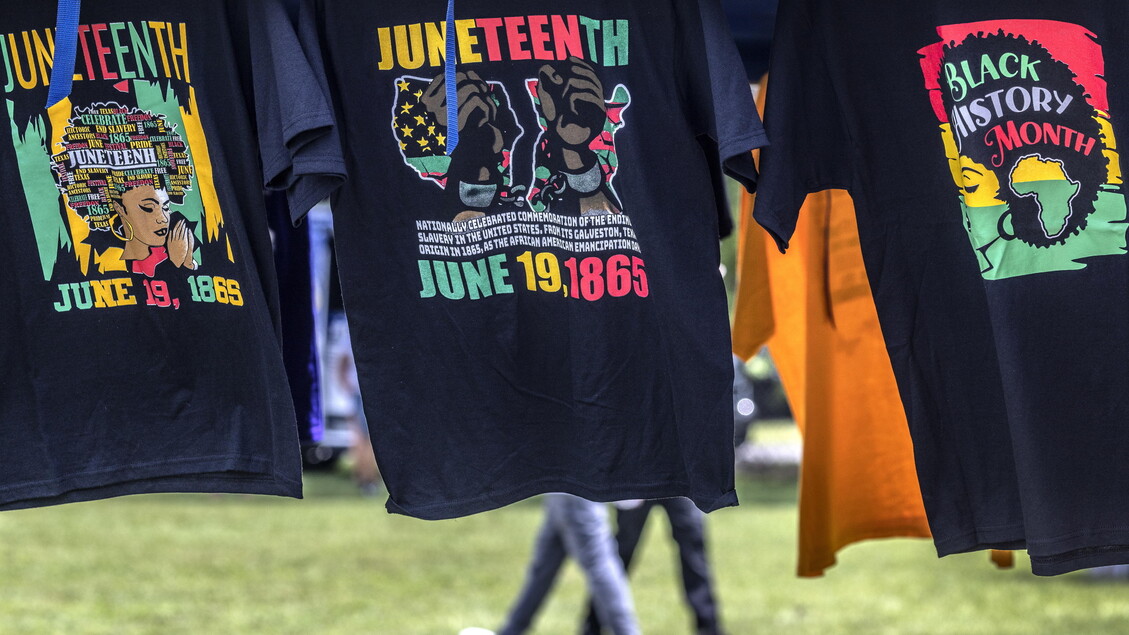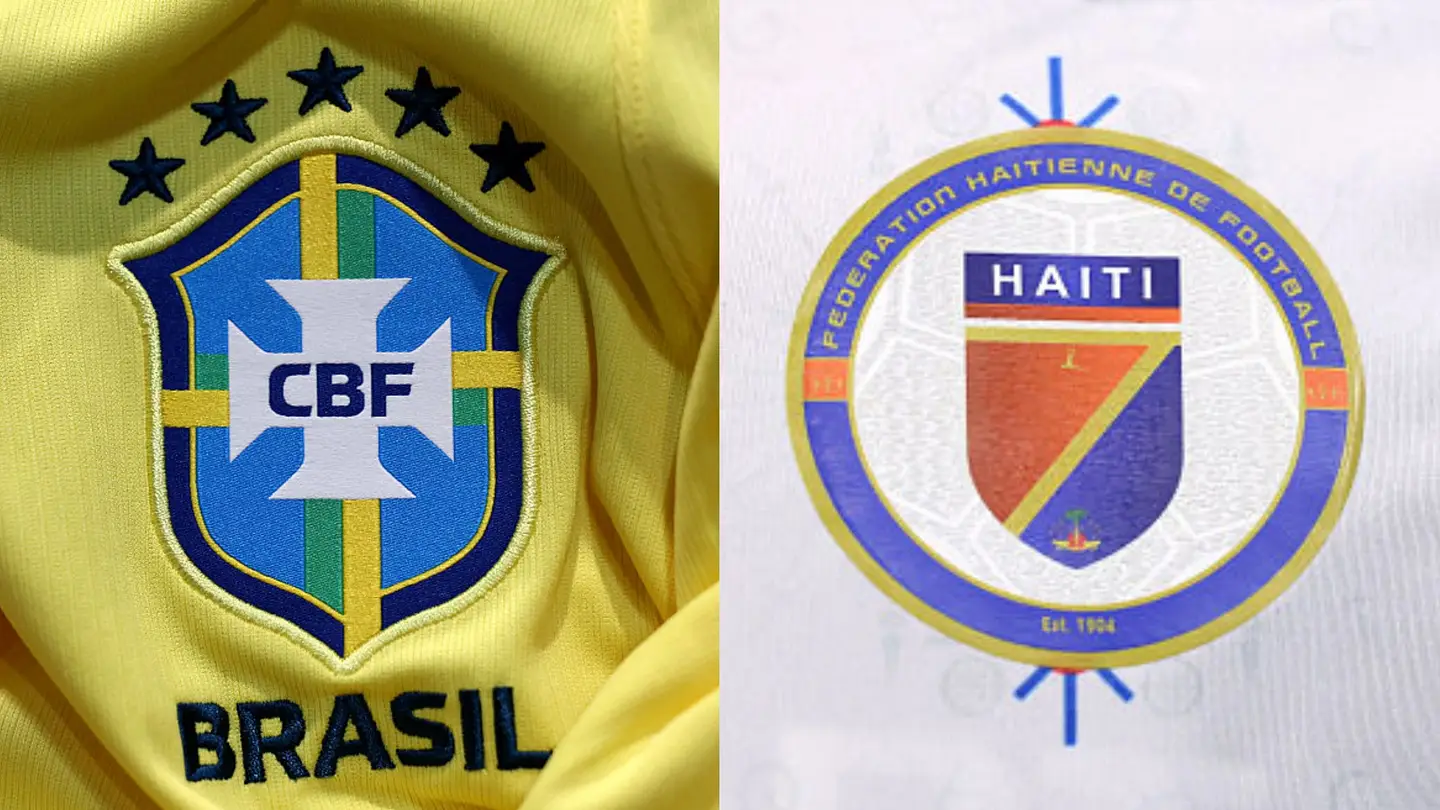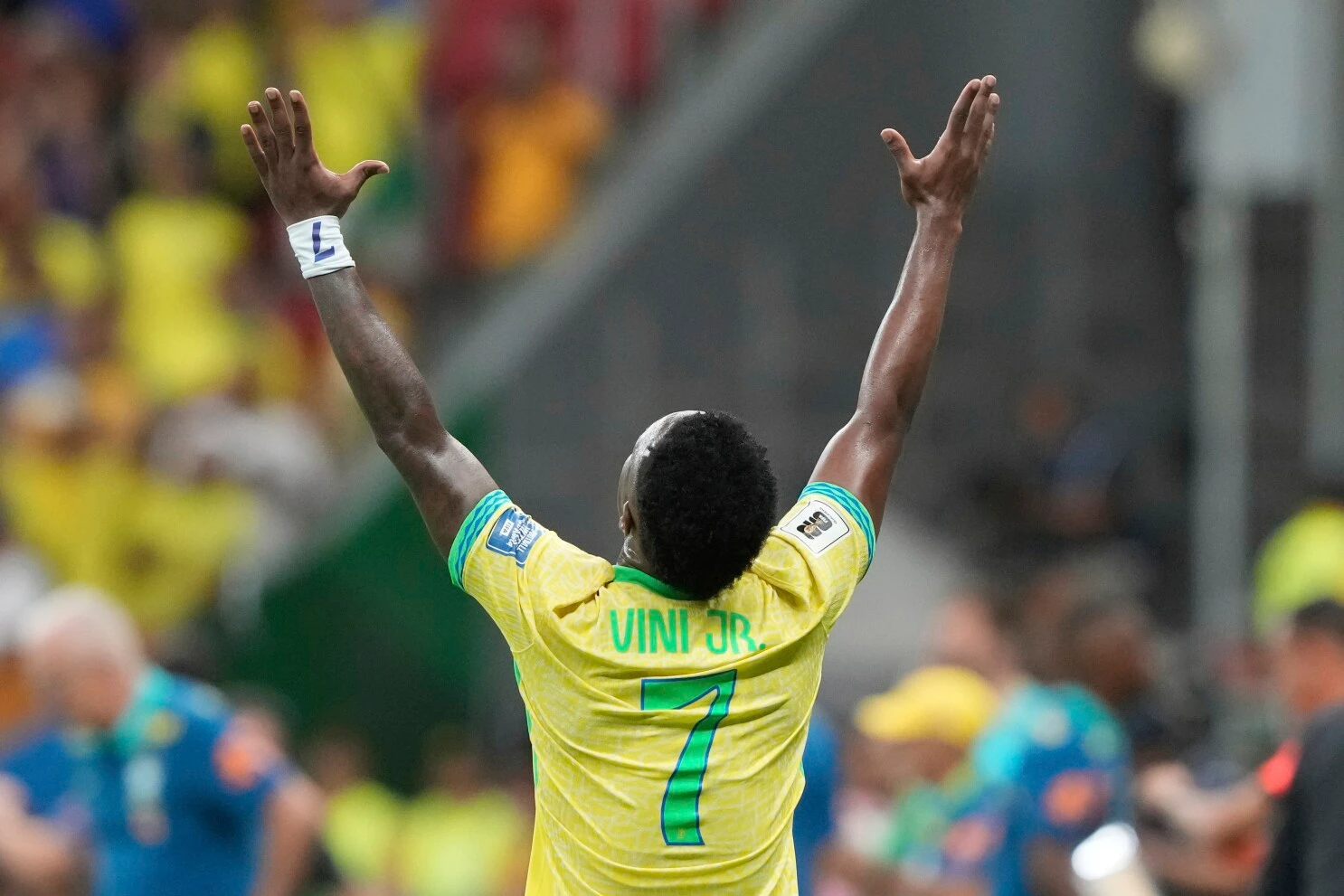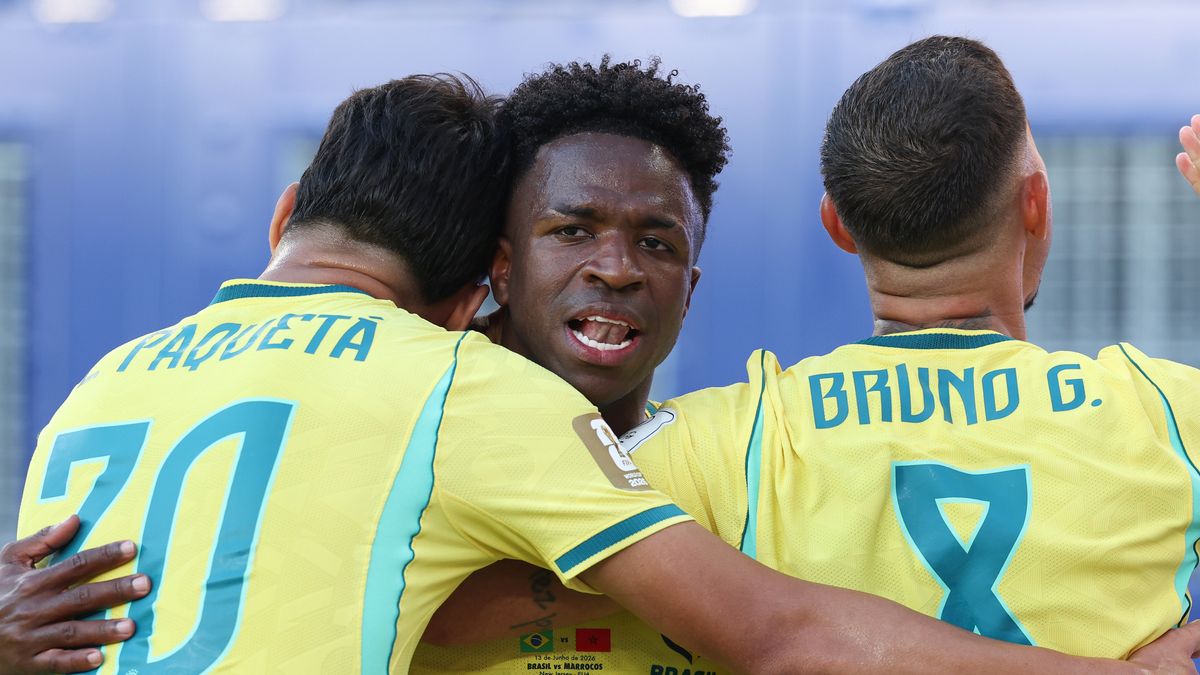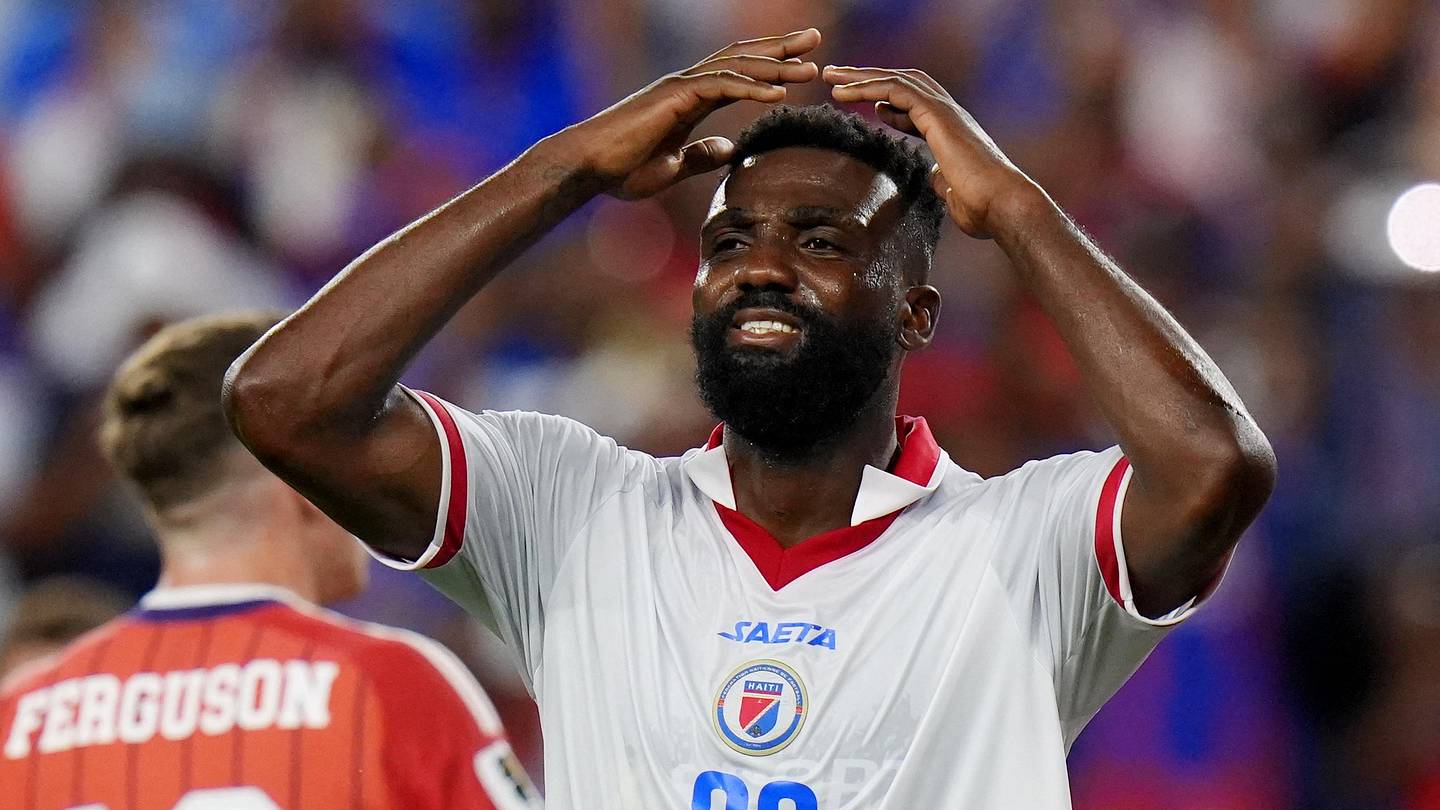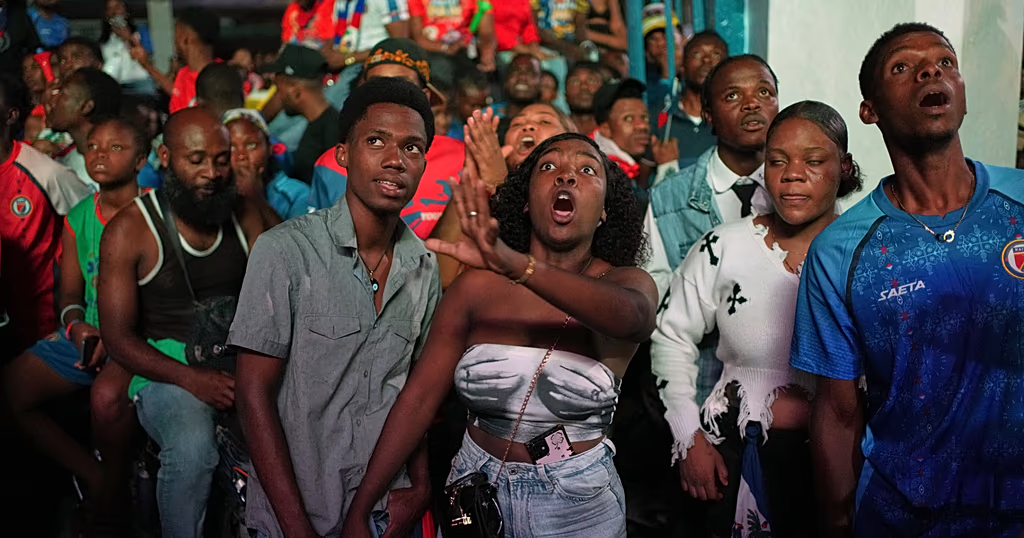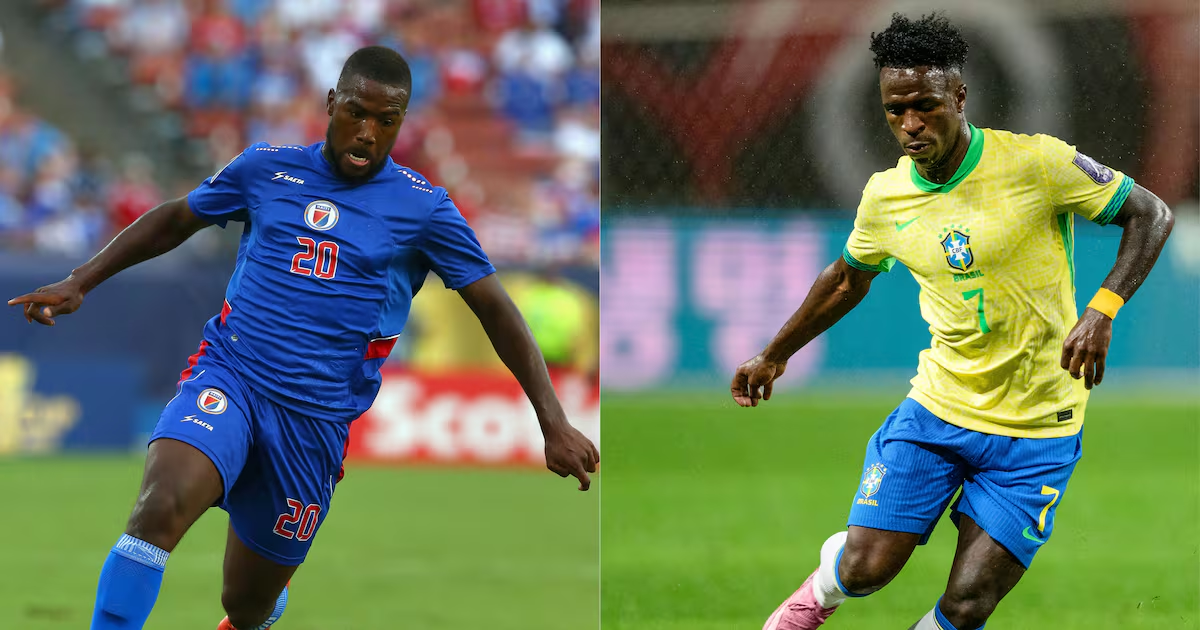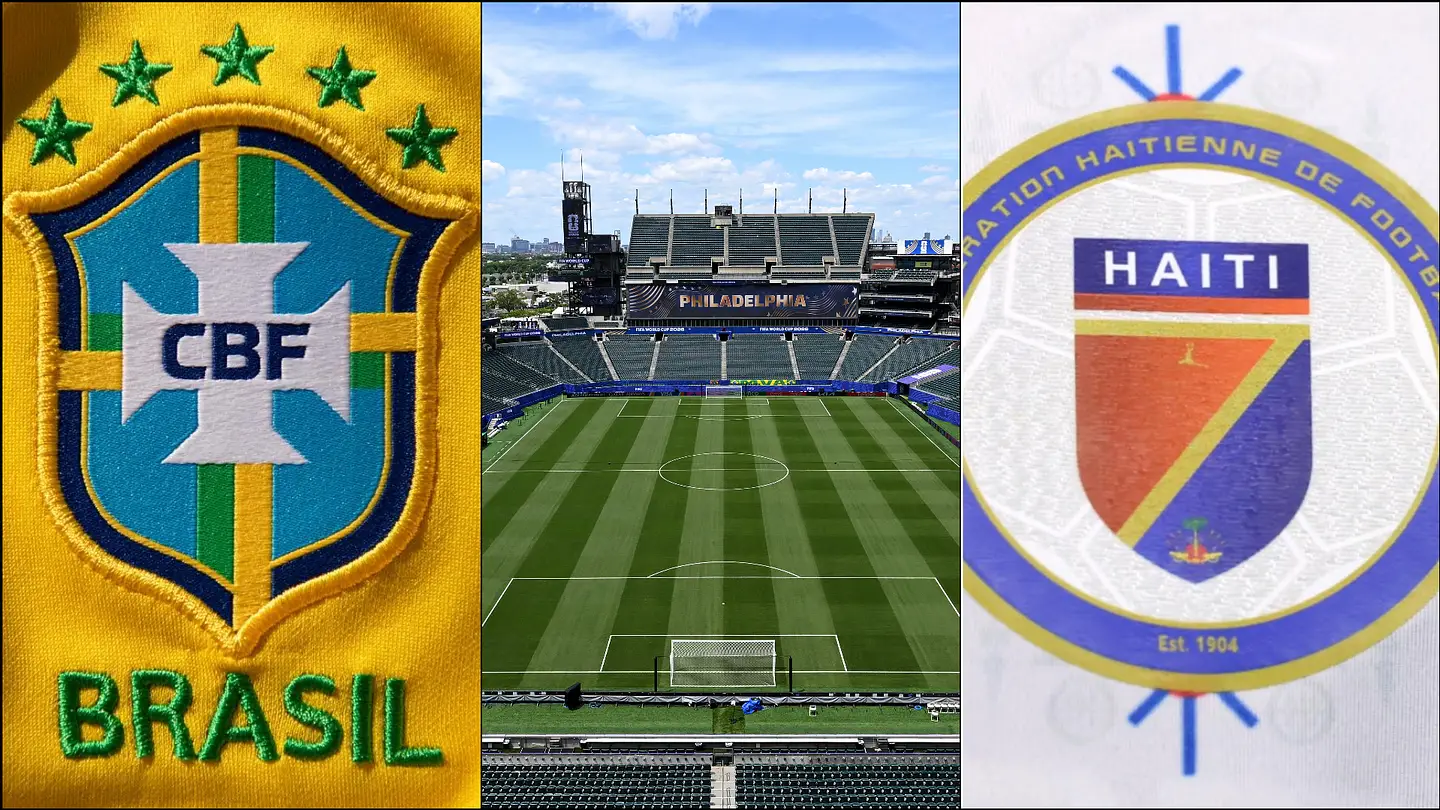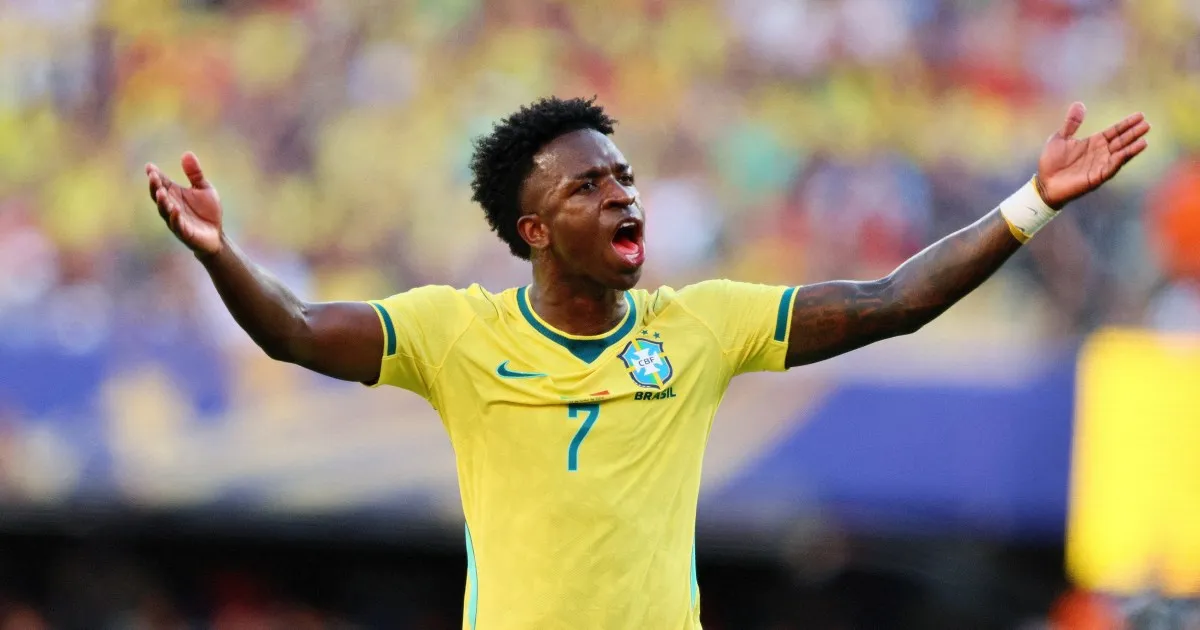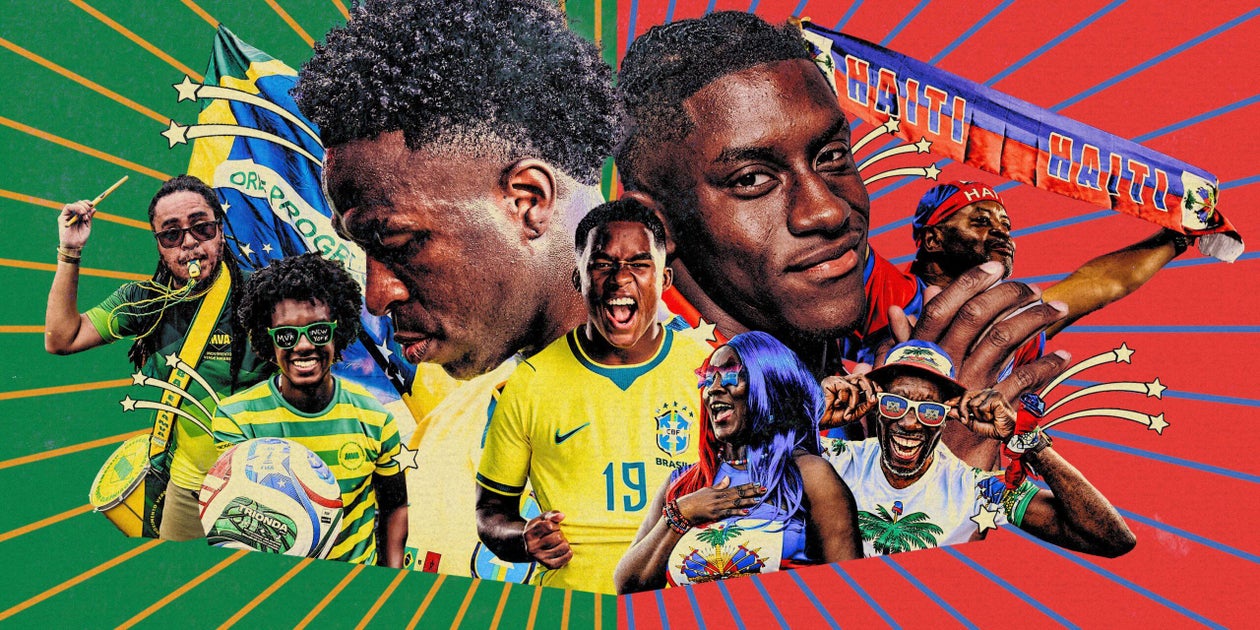
A few days before the World Cup, I cast my predictions for the tournament, along with my colleagues. One of my answers received significantly more reaction than any other.The questions included the country we thought would lift the trophy, which teams would disappoint and who the breakout star would be.But my response to the final question — Which game are you most excited about? — stirred the waters more than my theory that Mexico will be the most successful host nation.“Brazil and Haiti are playing on Juneteenth,” I wrote. “If you know, you know.”I did not expect hundreds of thousands of people who read the article to understand what I meant. I presumed many would, but as the comment section showed, a lot wondered why these two nations facing each other on June 19 mattered to me.It is about Black history.Brazil is home to the largest population of people of African descent outside of Africa, while Haiti became the first sovereign Black nation in the world, and just the second in the Americas, after fighting against France for independence in 1804.The Group C fixture falls on June 19, which is celebrated in the U.S. as Juneteenth.The holiday, signed into federal law by President Joe Biden in 2021, commemorates when the last enslaved Black Americans were informed of their freedom by way of the Emancipation Proclamation.“Juneteenth” is a portmanteau of the month and the date that Union General Gordon Granger traveled to Galveston Bay, Texas, in 1865 to deliver the message. It has been celebrated by some African Americans since the late 1800s.My decision not to explain myself in that initial piece was to honor those who did not require explanation; who, like me, are constantly searching for the gatherings within the glittering soirée of the World Cup that create space to celebrate Blackness in all its expansive cultural and geographic representation.For those of us who celebrate Juneteenth, we will still savor the football of this game, whether from inside Lincoln Financial Field or at watch parties; in living rooms in Salvador (a city in the Brazilian state of Bahia, the first port for enslaved Africans) or Port-au-Prince, the capital of Haiti.In the suburbs of Lisbon and Paris. In Oakland and Atlanta and Washington D.C., and in all of those places and more, we will see our complexions, hair textures, swagger, and broad noses reflected back at us as Haitian and Brazilian players sauce the ball, and maybe even dance, across the pitch. And we will rejoice in what feels like divine order that these two teams, with their rich histories, should meet each other on Juneteenth.Haiti fans in Foxborough, Massachusetts for the Scotland game (Mattia Ozbot/Getty Images)As soon as I entered Kizin Creole, a Haitian restaurant in the Rogers Park neighborhood of Chicago, I knew I had the right place to witness Haiti’s first appearance at a World Cup since 1974.The tables near the screen showing their game against Scotland were filled with groups of friends and families, and a DJ conducted his warmup near the bar as the Haiti players did their own on the screen.Kizin Creole is an inviting place where a smiling host consults her guest list and is happy to bend the rules to allow as many guests inside as possible.Historically, survival for Black people in the Americas and beyond has meant adapting to circumstances imposed upon us, from colonialism (and neo-colonialism), to enslavement, to state-sanctioned violence, to red-lining and gentrification, and how all of those forces, and others, intersect.Haiti reached the World Cup without having played any of its qualifying matches at home. Gangs took control of the national stadium in Port-au-Prince in March 2024, rendering it useless for competition.While Haiti will always be honored as the first independent Black nation, it has also suffered from institutionalized and naturally occurring setbacks, from France demanding it pay 150 million francs in reparations two decades after it gained independence, to a 7.0 magnitude earthquake in 2010 that resulted in more than 300,000 deaths, according to the Haitian government.Organized gangs filled the void left behind by the assassination of Haitian president Jovenel Moïse in 2021, and the resulting violence has displaced a record 1.5 million Haitians, according to the United Nations Office of Immigration.All the more reason to blast konpa music (a sultry genre of music and style of dance that draws from West African, European, and indigenous rhythms) during hydration breaks, and for patrons to bellow in Haitian Creole with every near-miss. Haiti lost to Scotland 1-0, but you would scarcely know it from the energy inside the restaurant.It feels frivolous to situate the events of Haiti’s history and present within the context of football, but how else to demonstrate that resilience, innovation, and finesse are their birthright? In some ways, that fluidity shapes the styles of play of many African and Afro-descendant soccer teams.Brazil knows this better than anyone else.It does not matter how many players on Brazil’s World Cup squad are or identify as Black; a passing glance at the titans of Brazilian football reveals its roots: Pelé, Ronaldo, Formiga, Ronaldinho, Sissi, Cafu. Gabriel, Neymar, Endrick, Kerolin, and Vinicius Junior. And, of course, Marta, who is still playing for club and country at 40.Ronaldinho won the 2002 World Cup with Brazil (BONGARTS/Andreas-Rentz)Brazil’s history is vastly different from that of Haiti’s. Colonized by Portugal, which forcibly removed Africans from their homes longer than any other European country, Brazil did not abolish slavery until 1888, the last nation in the Americas to do so. (Portugal abolished slavery in the 1760s, but only on its mainland.)The Brazilian government enacted a policy of branqueamento, or racial whitening, after abolition, which encouraged white European migration and interracial marriage. This was lawmakers’ attempt to dilute the country’s African roots, not only to ease race relations, but to cure them entirely.Policies are one thing, but resistance is another. Brazilian culture has been built on Afro-Brazilian resistance, and much of that is rooted in the movements that enslaved Africans preserved and reimagined in their new surroundings.Capoeira and samba are both founded in West African musicality, communication, and dance. Brazil’s 1890 Penal Code sought to suppress Afro-Brazilian political and creative expression and when the government fell under military dictatorship between 1964 and 1985, samba was again criminalized.Vinicius Junior did not dance as he normally does to celebrate his equalizer against Morocco on Saturday. Perhaps he, along with his teammates, is feeling the weight of expectation to restore Brazil’s place in global memory as the best in the world, a title they have not held in 24 years. Or maybe he does not want to goad the spectators who criticize his dancing when he and the rest of the squad cannot afford any distractions. His critics either don’t know or don’t care to appreciate the significance of an Afro-Brazilian man marking a goal by dancing samba.But that, much like the comment I made that brought me to writing this piece, is just another example of the never-ending mystique of Blackness living in that which need not be explained. Because it is felt.
Why Brazil vs Haiti is the perfect World Cup match to mark Juneteenth
What is Juneteenth and why do the histories of these two nations make it an apt World Cup game to be played on June 19.
1,177 words~5 min read