Serving tech enthusiasts for over 25 years.
TechSpot means tech analysis and advice you can trust.
In context: Unpatchable, hardware-level vulnerabilities caused a stir some years ago when they repeatedly turned up in AMD and Intel processors, but they've been far rarer on Apple chips. This latest discovery only affects older iPhone processors, but it still shows that even relatively recent SecureROM implementations aren't foolproof.
Security researchers at Paradigm Shift have published the first iPhone bootROM exploit in years. The process, called usbliter8, targets a hardware-level flaw, which means upgrading to newer hardware is the only real fix.
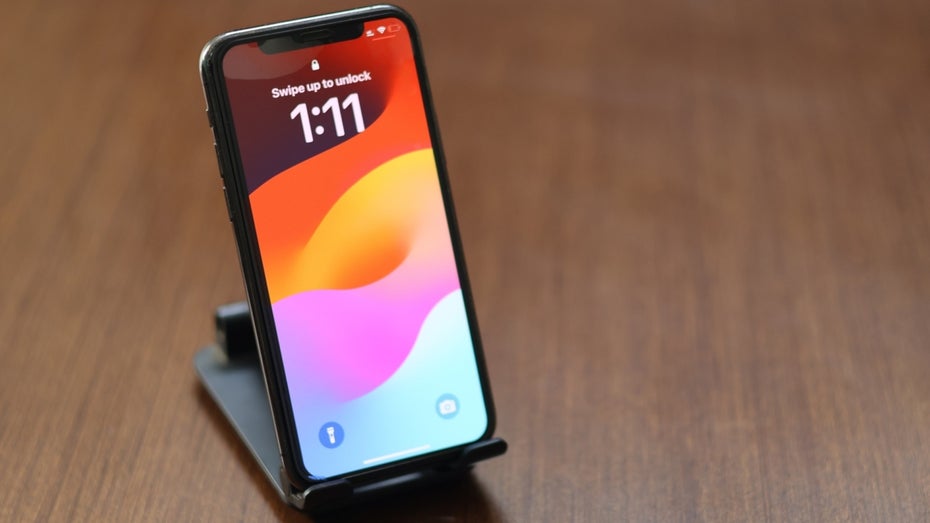
The exploit affects the iPhone XS's A12 chip, the Apple Watch Series 4's S4 chip, and the iPhone 11's A13 SoC. The S5, found in the Apple Watch Series 5, first-generation SE, and HomePod mini, is vulnerable too. Pulling it off requires physical access and a Raspberry Pi, since the flaw sits in a part of the USB controller that standard Mac and PC USB stacks can't reach.