Story audio is generated using AI
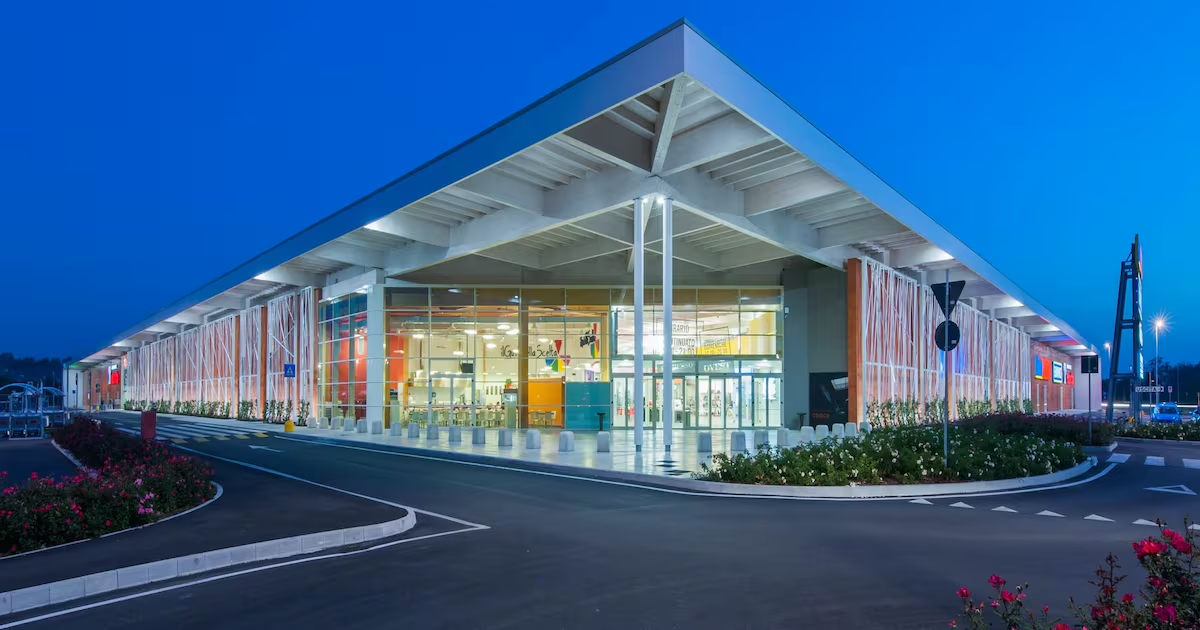
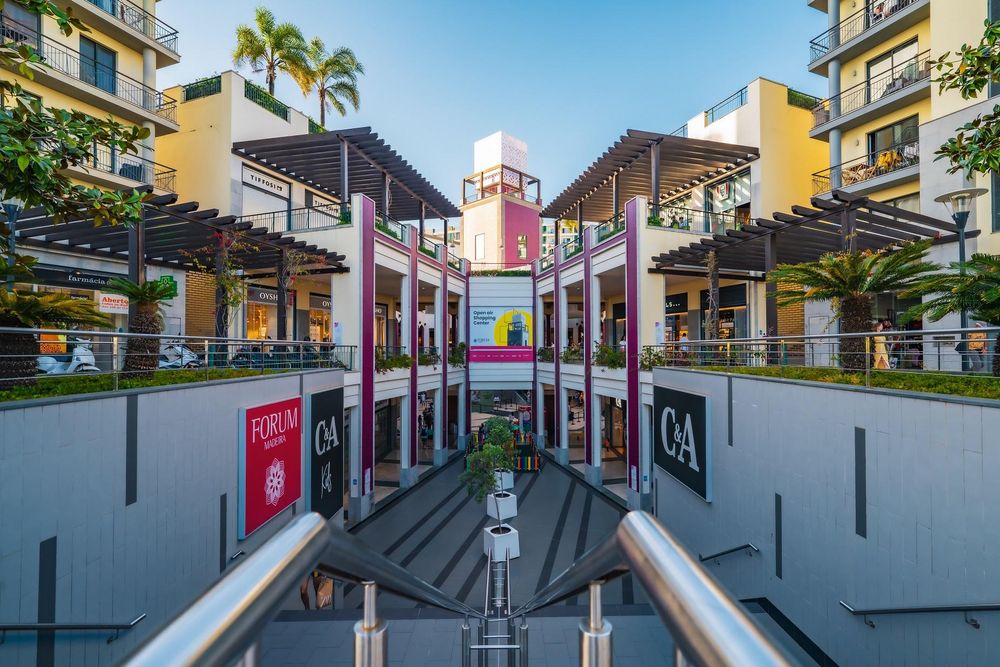
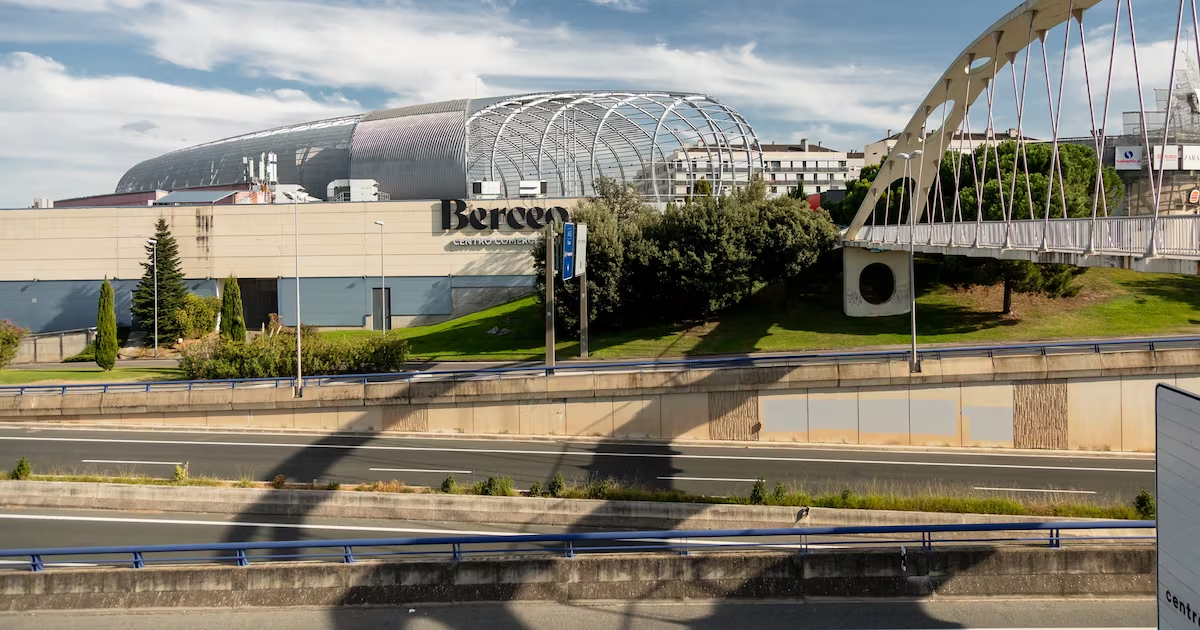
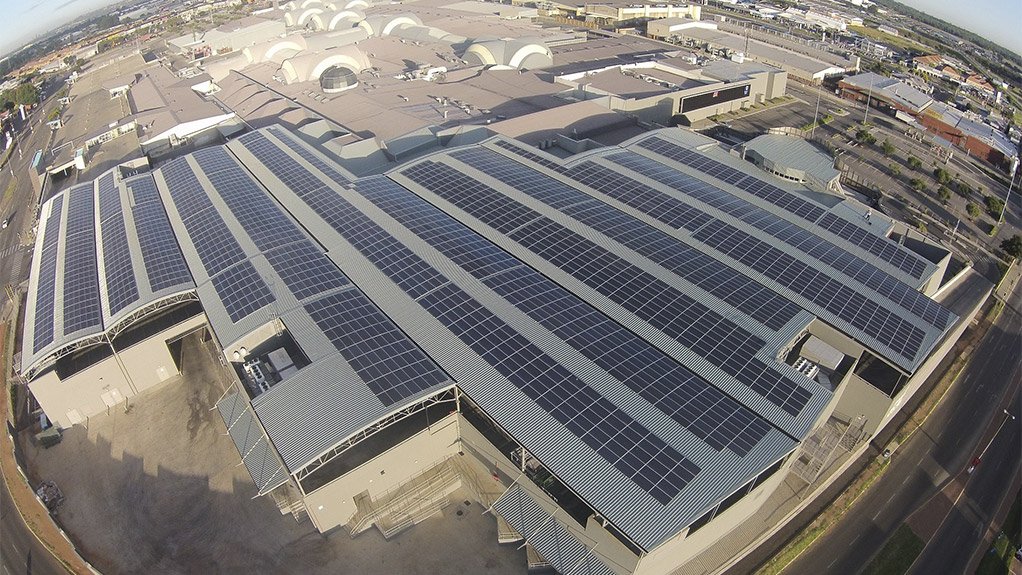
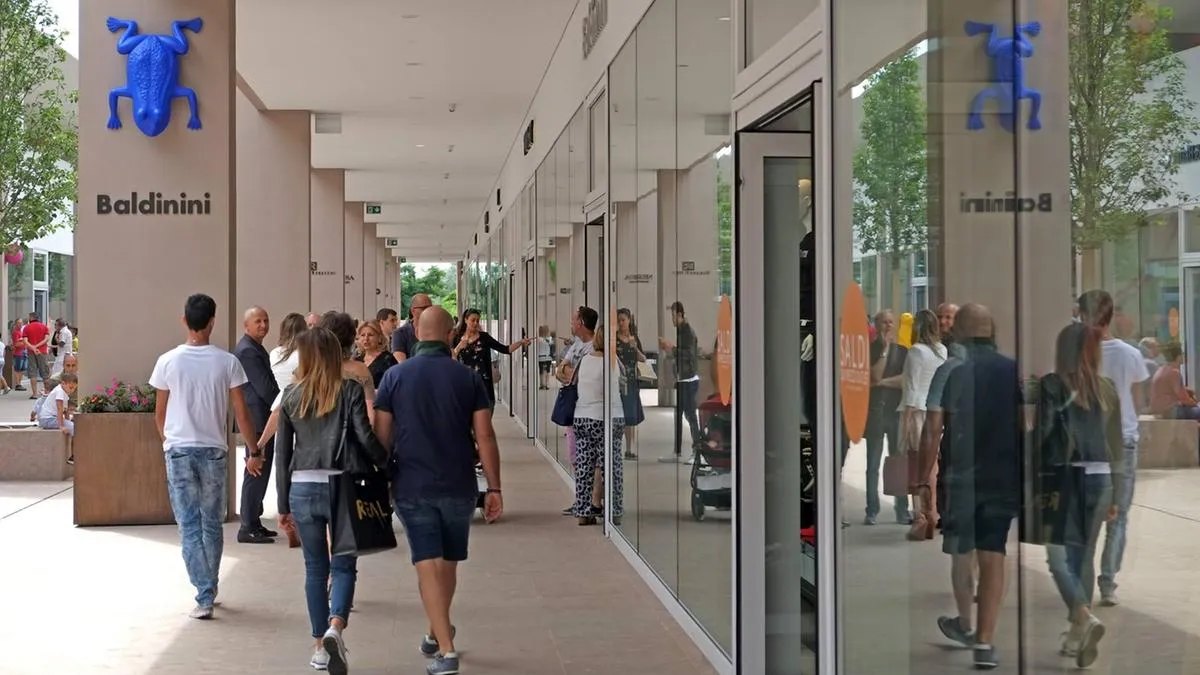
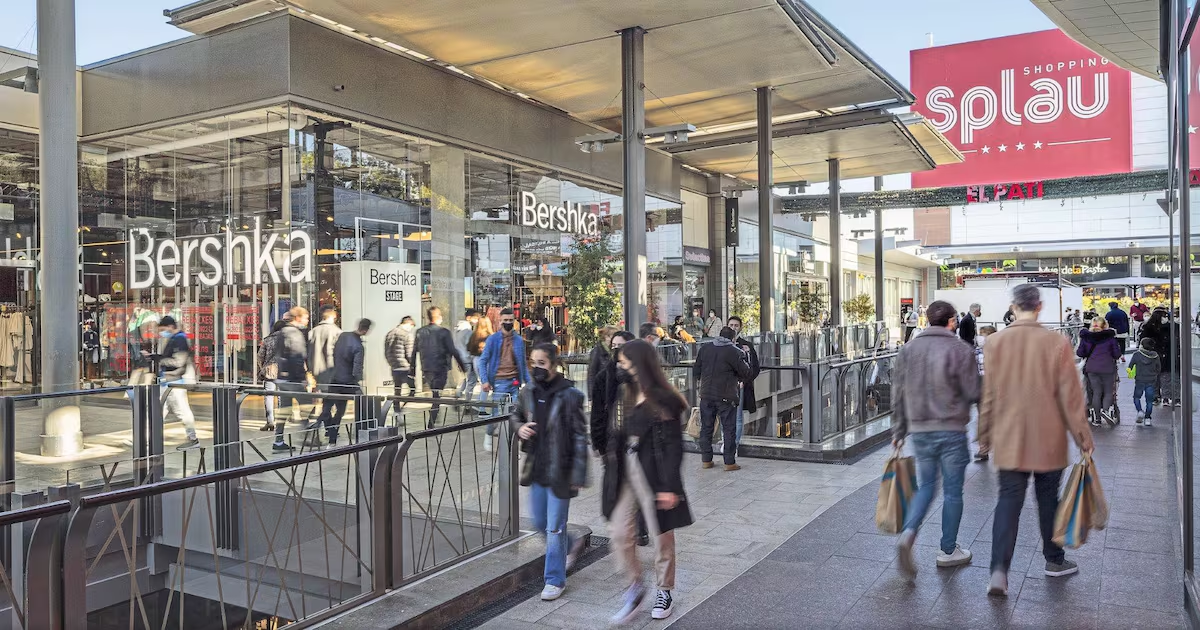
Vukile has lifted the lid on plans for the three dominant shopping centres it recently bought in Italy, as it enters the fashion-led retail market where affluent households and robust discretionary spending have propelled the country to the second-highest cumulative tenant sales growth in Europe since 2019.The group headed into Italy through Esperia, a newly established holding company created to anchor its expansion in the country, drawing on the local expertise of retail specialist Pradera, in which it owns a 35% stake. Its opening move was a €115m acquisition of three shopping centres — Le Due Valli in Turin, Le Centurie in Padua and Quarto Nuovo in Naples — at an initial yield of 10%.“Italy offers improving macroeconomic fundamentals and a resilient consumer, with wealthy, low-debt households underpinning strong discretionary spending on fashion, food, beverage and experiential retail,” said CEO Laurence Rapp.Vukile has indicated that it sees scope to build an Italian portfolio worth as much as €500m.Strong handThe three shopping centres give the group a foothold in a retail market where physical stores continue to dominate. Italy has the lowest e-commerce penetration in Europe, at about 10%, while years of limited retail development have kept new supply in check, strengthening the hand of established shopping centre owners.“We are generally cautious when companies enter new markets without an established operating platform, as execution risk can be elevated,” Metope Investment senior investment analyst Curwin Rittles said of the deal.“However, Vukile’s European track record and investment in a pan-European asset manager with local expertise help mitigate this risk.”Rittles said the Italian entry is expected to be earnings accretive and broaden Vukile’s European growth, though the Iberian region is likely to remain the primary driver of earnings growth in Europe. In South Africa, the value of Vukile’s portfolio continued to grow, with the like-for-like portfolio rated 12.3% higher as funds from operations grew and the dividend per share increased by 9.3%.During the 12 months to end-March, the group concluded R1.7bn worth of transactions in South Africa, including the Botshabelo Mall deal, continuing its strategy of bolt-on acquisitions in the domestic market. “Vukile delivered strong dividends and a financial year 2027 guidance of 10%–12%, ranking it among the sector’s top performers. This reflects disciplined capital allocation, solid execution and outperformance across its South African and Iberian portfolios,” said Rittles.Independent property analyst Keillen Ndlovu said the group continues to move from strength to strength with consistent top-quartile performance in the sector. “The capital allocation strategy has been strong, with consistent deal sourcing and effective asset recycling,” Ndlovu said.Soaring asset baseFactoring in acquisitions since March 31, Vukile’s asset base has climbed to R63.7bn in value, with almost 70% anchored in Europe, cementing its position among the fastest-growing Reits by market capitalisation.After securing R2.65bn in October, the group went on to raise a further R2.8bn to fund the Italian acquisitions in the largest capital raise the sector has seen in the past five years. More than half of demand in the heavily oversubscribed bookbuild came from international investors.The like-for-like shopping centre portfolio value of the group’s Castellana Properties, which houses its Iberian assets, grew 8.9%, alongside €902m worth of transactions completed in the region. Acquisitions included Berceo shopping centre in La Rioja, Islazul shopping centre in Madrid and a 50% stake in Splau shopping centre in Barcelona.These transactions have repositioned the Castellana portfolio as one of the strongest in Iberia, with dominant assets in key catchments across Spain’s largest cities, the group said.“The Esperia portfolio is a coherent expression of Vukile’s Castellana playbook applied to Italian convenience retail,” said Golden Section Equity Capital MD Gareth Elston.“The assets are grocery-led and needs-based, generating defensive, high-frequency footfall that is largely insulated from macroeconomic cycles. The owner-occupied hypermarket structure underpins the 10% net initial yield, supporting it as sustainable income rather than a distress signal.”