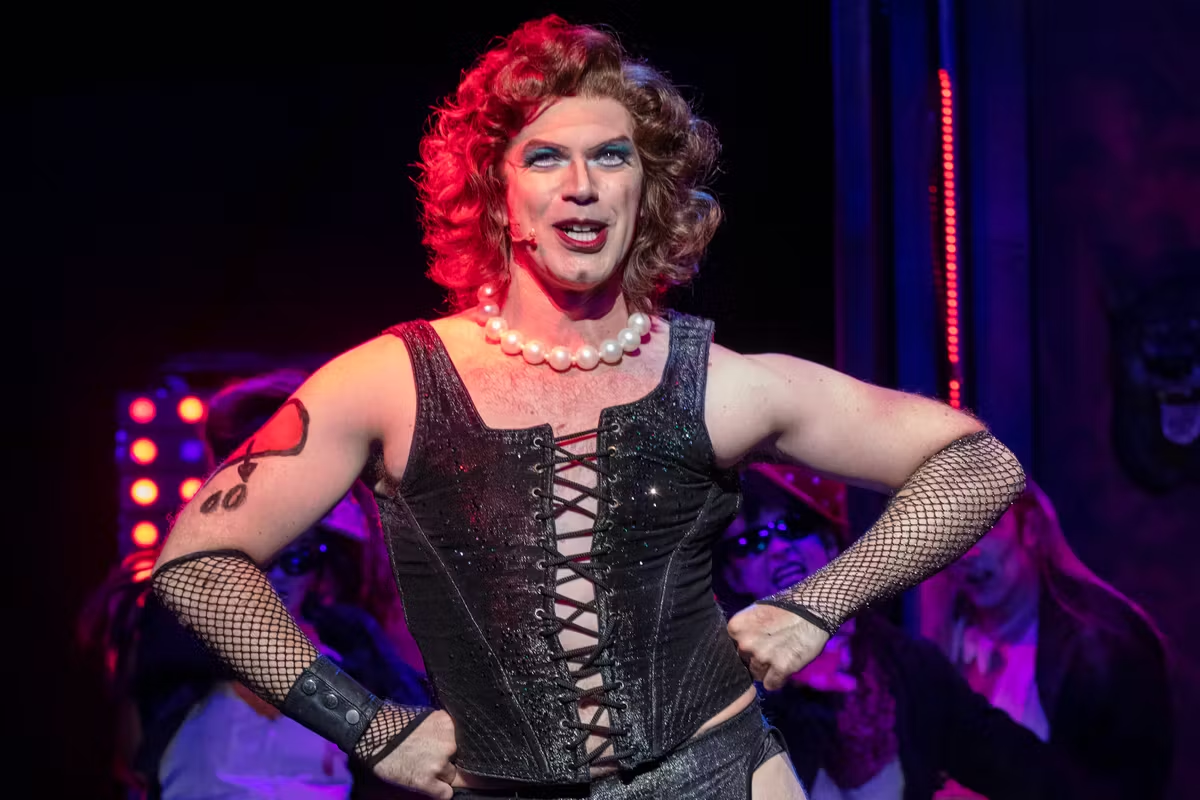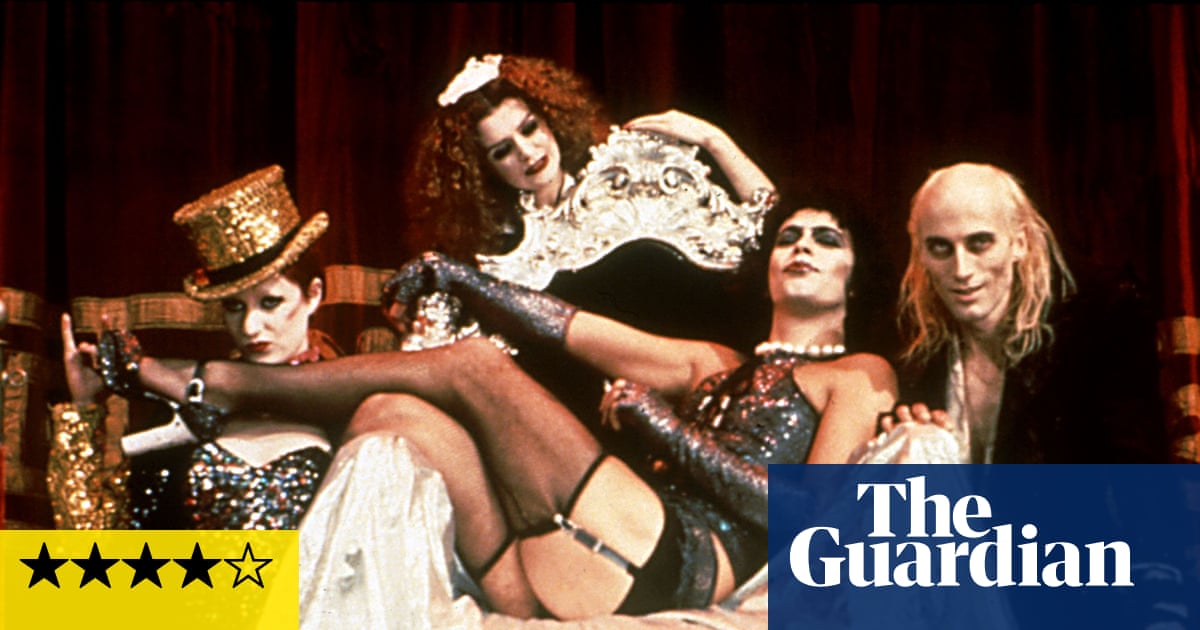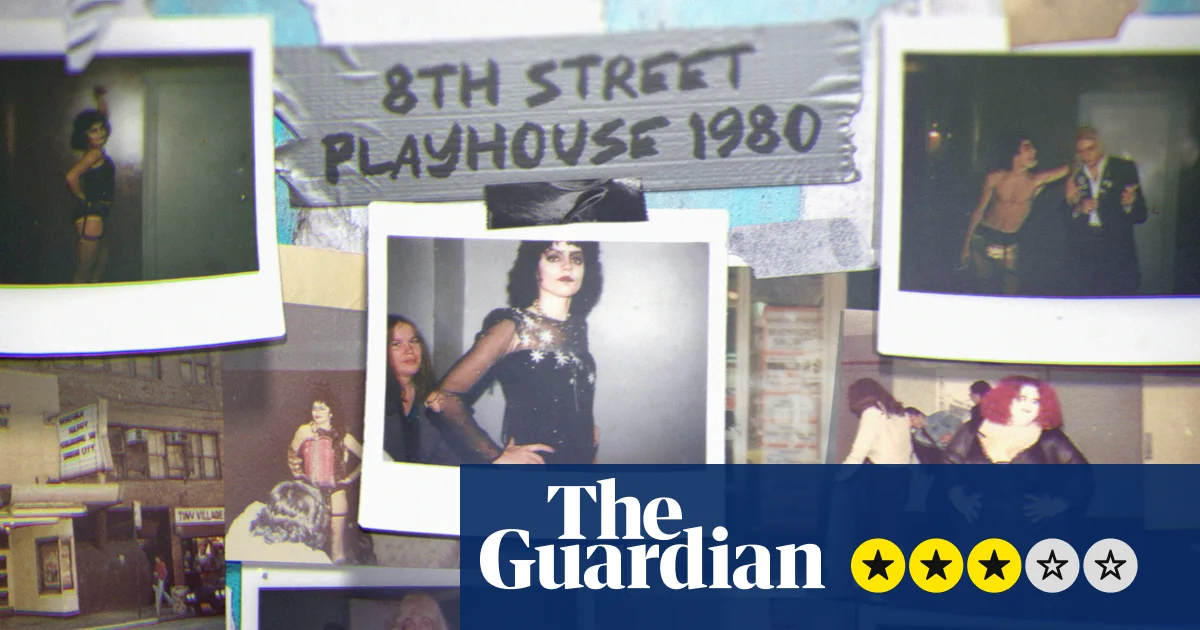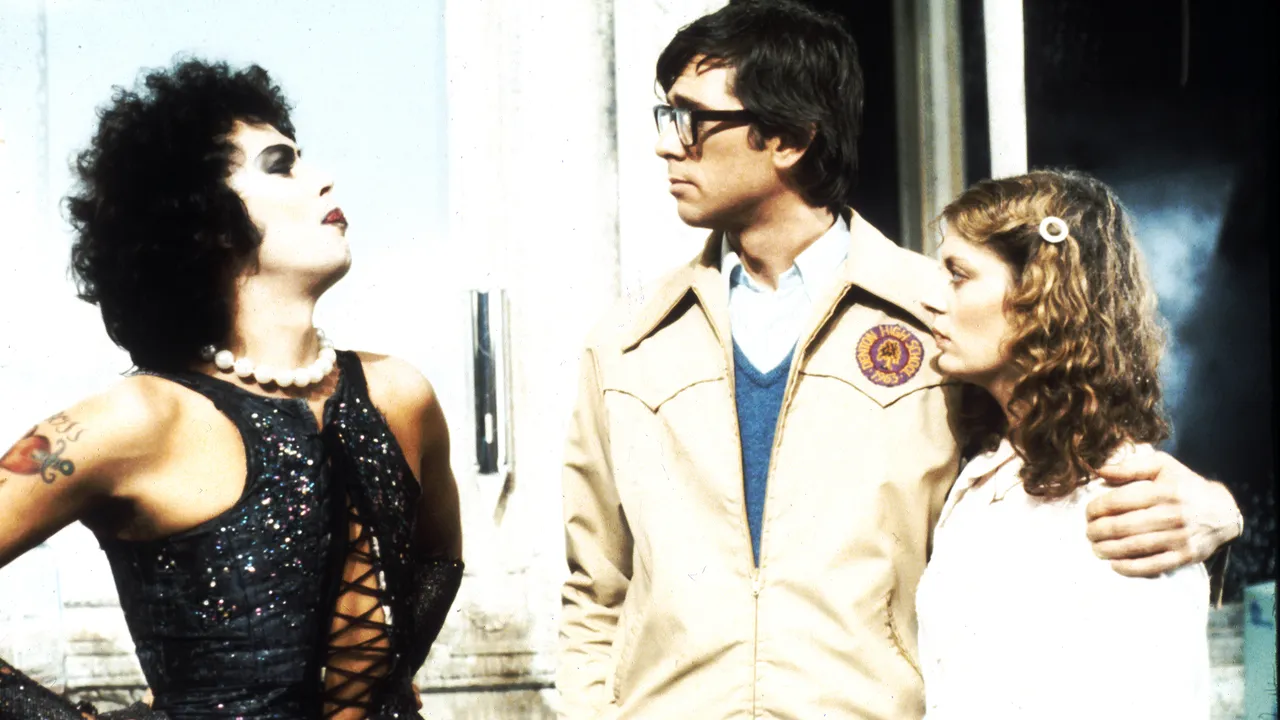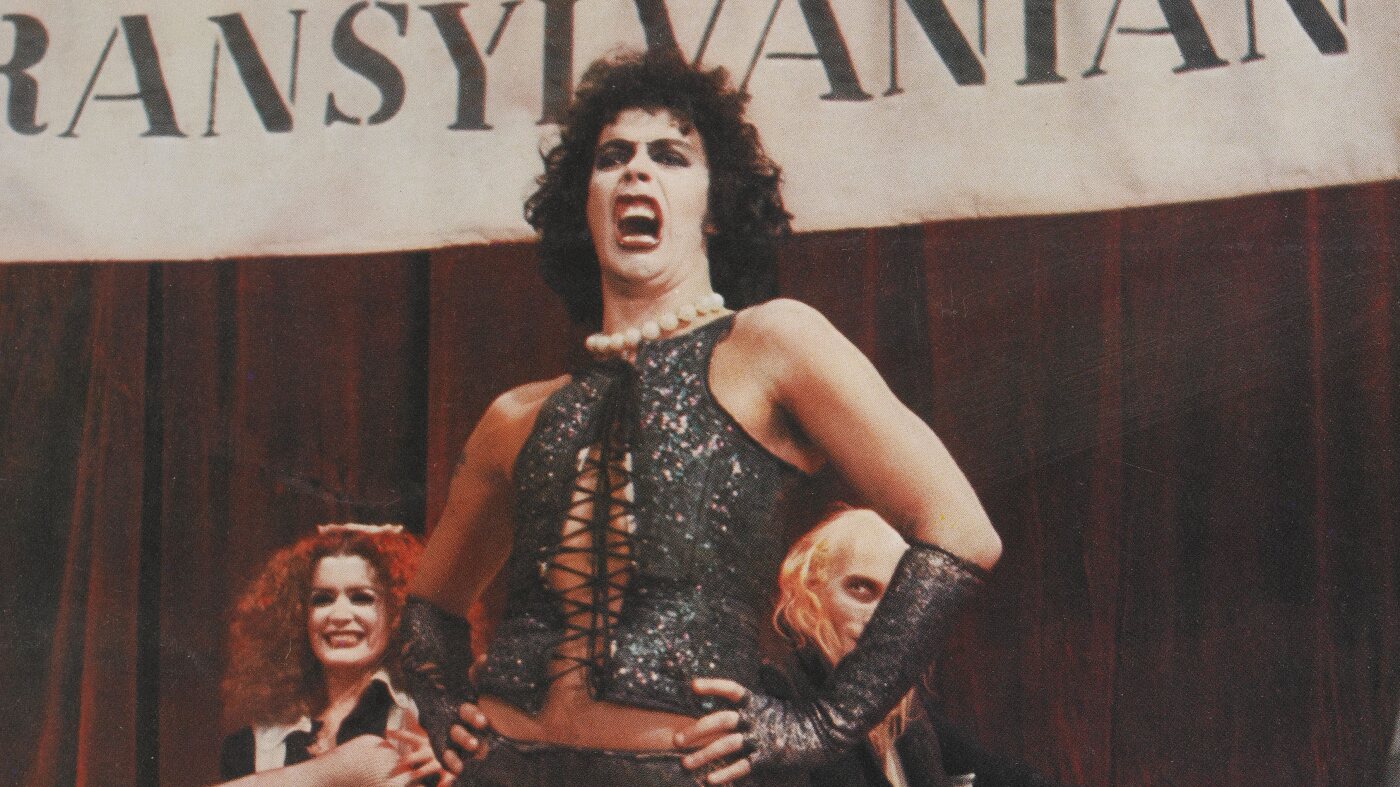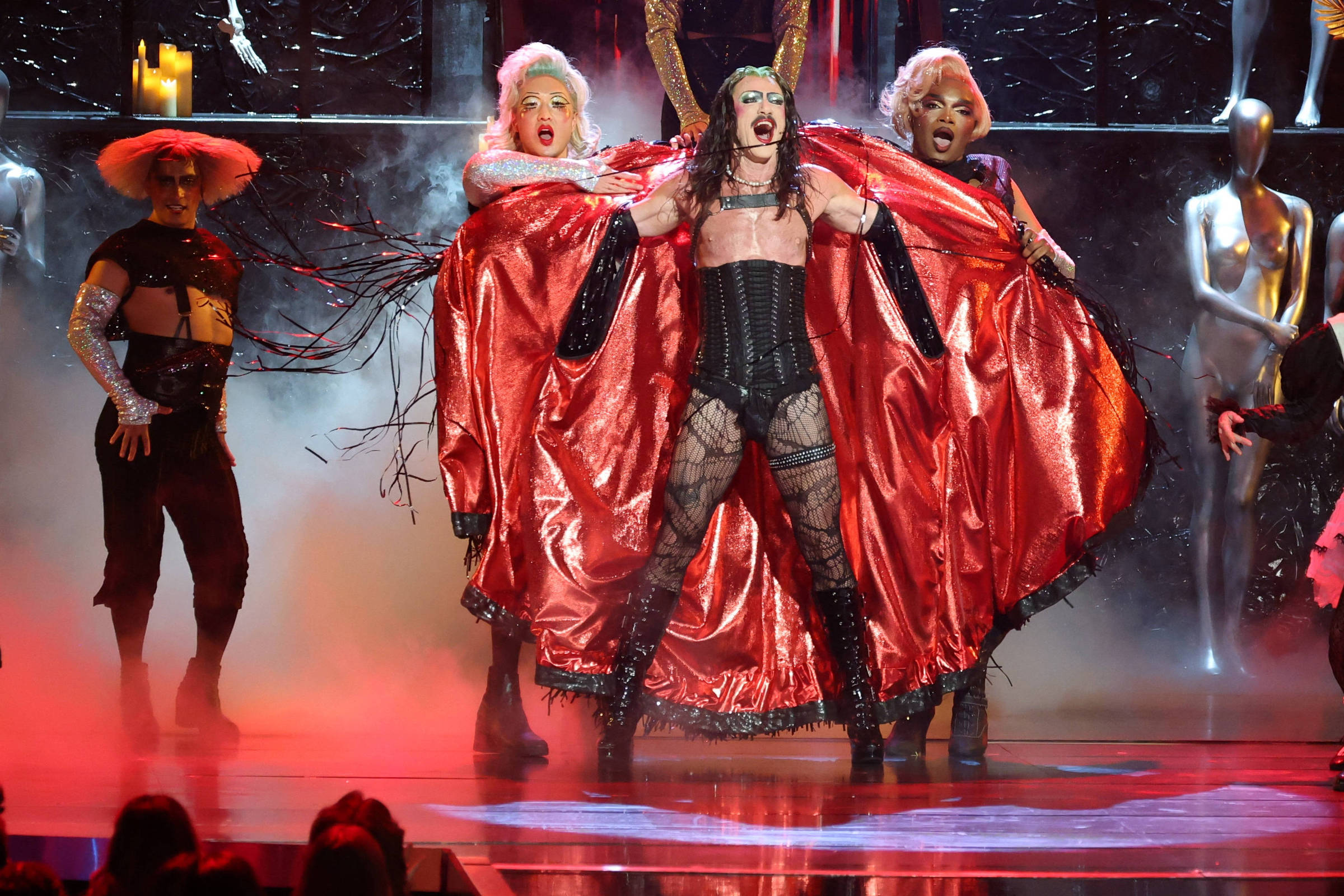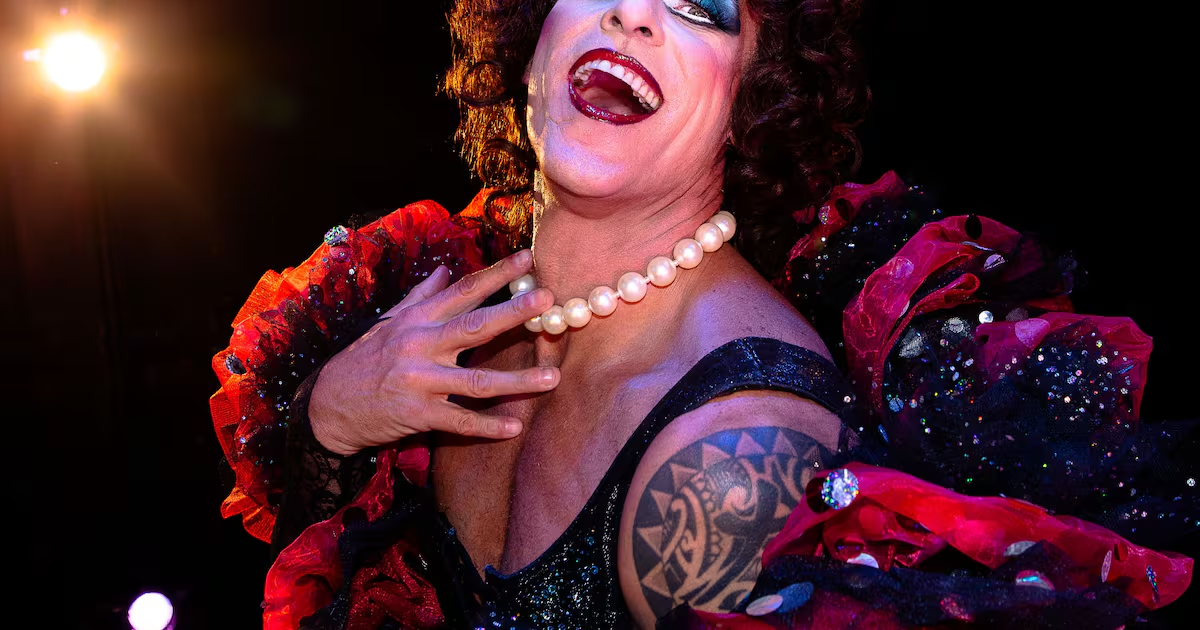
Seminal works of art must all, at one point or another, suffer the misfortune of being reduced to cliché. Even something as provocative and subversive as The Rocky Horror Show. When Richard O’Brien’s idiosyncratic creation burst onto the London theatre scene in 1973, Britain was a few years into a social, political and sexual revolution. As O’Brien narrates in Strange Journey: The Story of Rocky Horror (a documentary directed by his son, Linus), when he arrived by boat from New Zealand in the early 1960s, England was “class-ridden, dank and dark ... monochromatic, a black and white society”. In 1967, “the year of love and flower power”, the country “suddenly became technicolour”.But the world into which Rocky was born, not unlike our own, remained full of stigma and repression. It was shocked and thrilled alike by musicals such as Hair and Jesus Christ Superstar, and Rocky rode this wave of frisson. But it pushed the boundaries a little further, encouraging audiences to accept that rigid binaries — male and female, masculine and feminine, straight and gay — could not accommodate the complexity of human gender identity or the rich variety of our sexual desires.With its popularity in the UK secured, in 1974 the show opened in the US. California was ready to receive its liberating message. Rocky was a theatre production with filmic qualities from the outset; a pastiche of mid-century science fiction and horror B-movies, it was staged as if in front of a cinema screen. Los Angeles audiences lapped up all this meta stuff, and in retrospect it seems inevitable that The Rocky Horror Picture Show was shot soon afterwards.But both the stage and screen versions very nearly disappeared into obscurity. When the show transferred from West Coast to East Coast, the snobbery of New York critics killed it off stateside. The film was more or less dead in the water too, until a series of midnight screenings started attracting loyal followers. It was out of this that Rocky’s cult status grew.In Strange Journey, Linus O’Brien shows how these screenings — not so much late-night picture shows as early-morning queer churches — became sites for people who felt marginalised by the neurotic policing of gender and sexual conventions to build safe, welcoming communities. The audience participation traditions developed organically, as did the “shadow casts”: fans in costume (and, later, professional performers) presenting the story in person with the film projected behind them.It was at this phase of peak meta — audiences watching live actors copying a film version of a stage show imitating old movies — that the Rocky Horror phenomenon became ripe for parody. Or perhaps, simply, for absorption into anodyne heteronormative popular culture.At best, this appropriation of Rocky is a carnivalesque opportunity for straight people to dress up and test out queer identity before returning to the strictures of the everyday. At worst, it confirms stereotypes (queerness is always hypersexual) and enables mockery or becomes an excuse for ignorance (equating transgender experience or bisexuality with the sexual voraciousness and fundamental otherness of Frank-N-Furter, the “sweet transvestite” alien from the galaxy Transylvania).Happily, there is a remedy for all this: watching The Rocky Horror Show on stage in all its crazy, complicated, nonsensical, incisive glory. A strong production feeds the quirky, cherished traditions but still wows you with its bawdy brazenness, restoring the fun and affirming the undeniable queer joy that emboldens a rock’n’roll middle finger raised at staid and bigoted social propriety.Such a production recently hit Johannesburg and will run at the Pieter Toerien’s Montecasino Theatre until August 16. Starring Craig Urbani as an outlandishly charismatic Frank-N-Furter, this Rocky (directed by the ubiquitous Steven Stead) is guaranteed to shake off cobwebs, preconceptions and pretty much anything else you bring with you to the show. It’s a co-production between Toerien and the Luitingh Alexander Musical Theatre Academy (Lamta), featuring a cast ranging from talented recent Lamta graduates to veterans such as Urbani and Natasha Sutherland, who is superb as a schoolmarmish narrator.You may think that The Rocky Horror Show is familiar and overdone. I did. But whether you’ve watched it half a dozen times or you’re a Rocky virgin, you won’t regret visiting Urbani’s “lab”.
CHRIS THURMAN | Rocky Horror still astounds with its bawdy brazenness
The Rocky Horror Picture Show is wowing audiences at the Pieter Toerien Theatre
697 words~3 min read