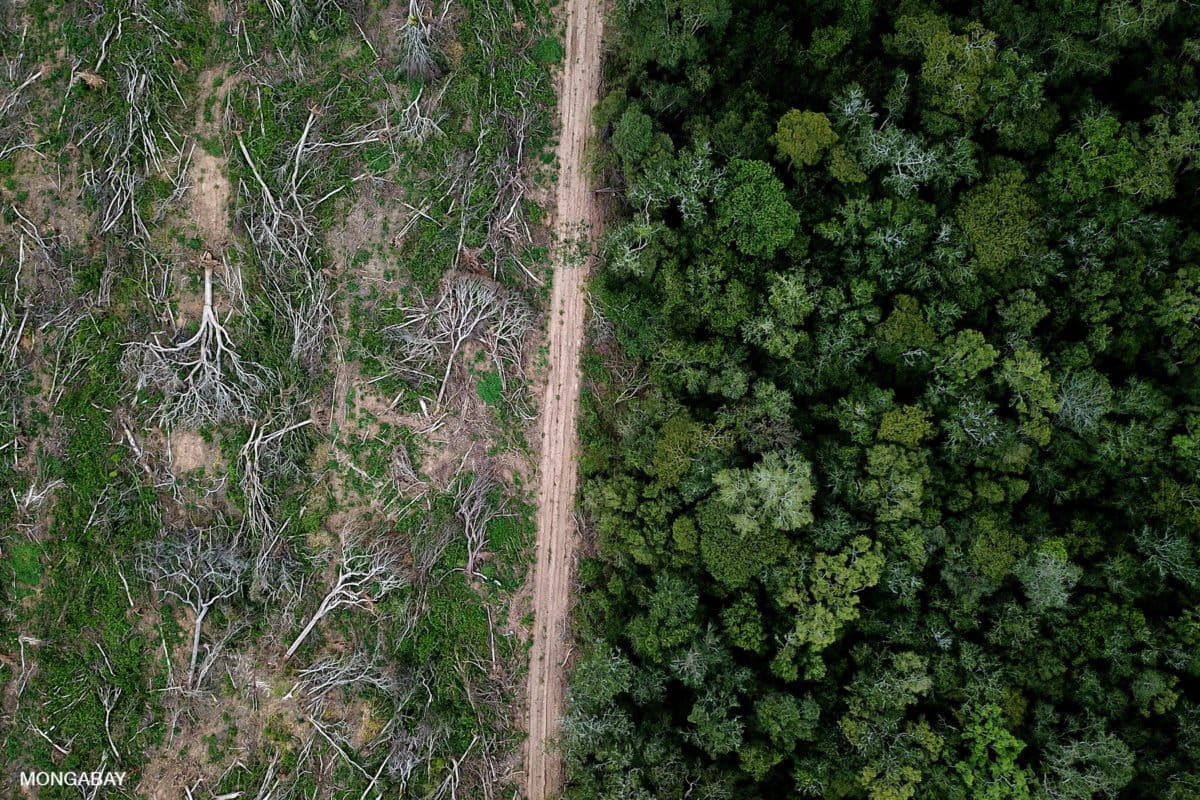
Suriname should be wary of promises that foreign agribusiness will modernize agriculture, create jobs, and bring broad prosperity, argues Mark Plotkin, ethnobotanist and President of The Amazon Conservation Team.Across tropical America, this model has too often proved a costly folly: forests are cleared, rivers are polluted, and local communities are left with fewer resources while wealth flows elsewhere.Rather than expanding export-oriented soy and cattle production, Suriname should strengthen food security, support local producers, protect rivers and forests, and seek the input of the communities most affected.This article is a commentary. The views expressed are those of the author, not necessarily of Mongabay.
Suriname is being presented with a familiar proposition: foreign agribusiness, whether Brazilian, Mennonite, or otherwise, will modernize agriculture, create jobs, and bring prosperity.
It is an appealing narrative. It is also one that has played out throughout tropical America, from Mexico to Mato Grosso. The result has rarely been shared prosperity. Instead, it has often meant felled forest, poisoned water, long-term loss of control over land and resources, and local populations watching the wealth pass through on its way to somewhere else.