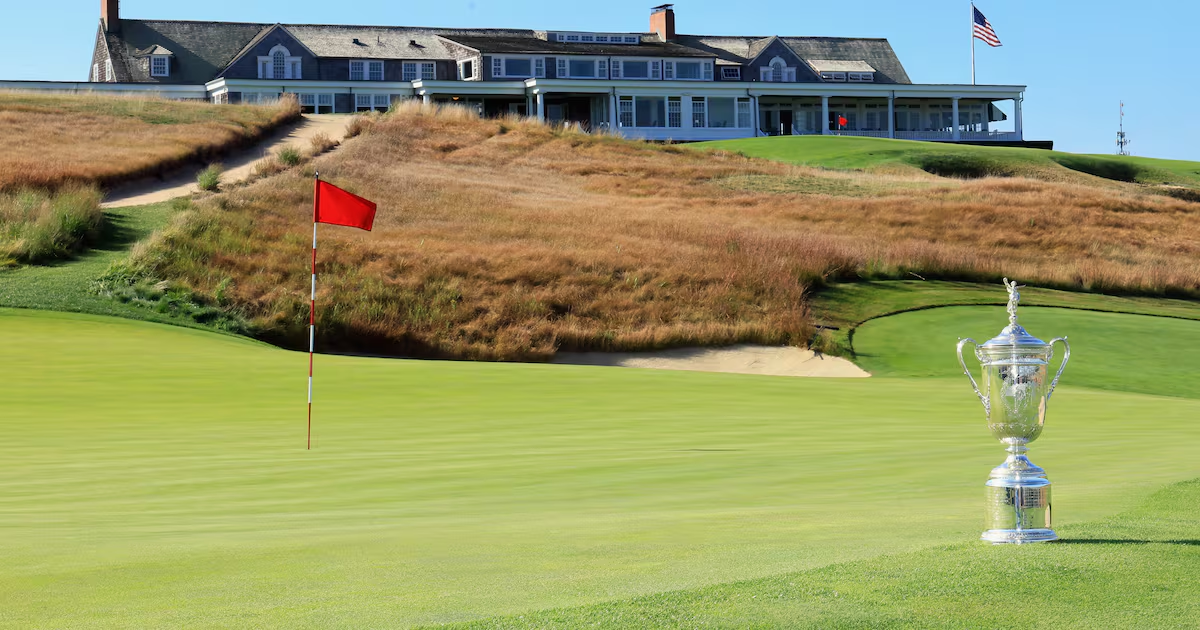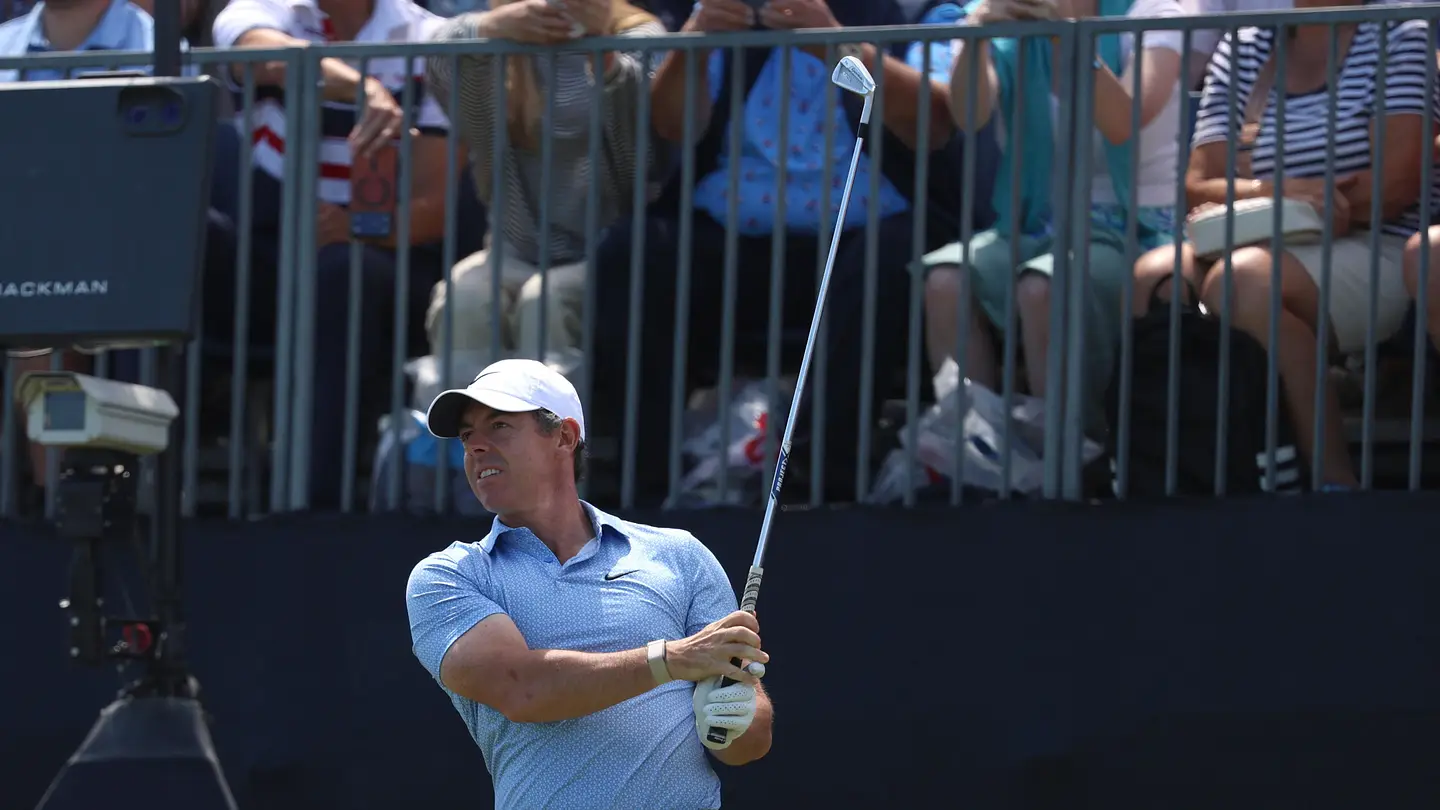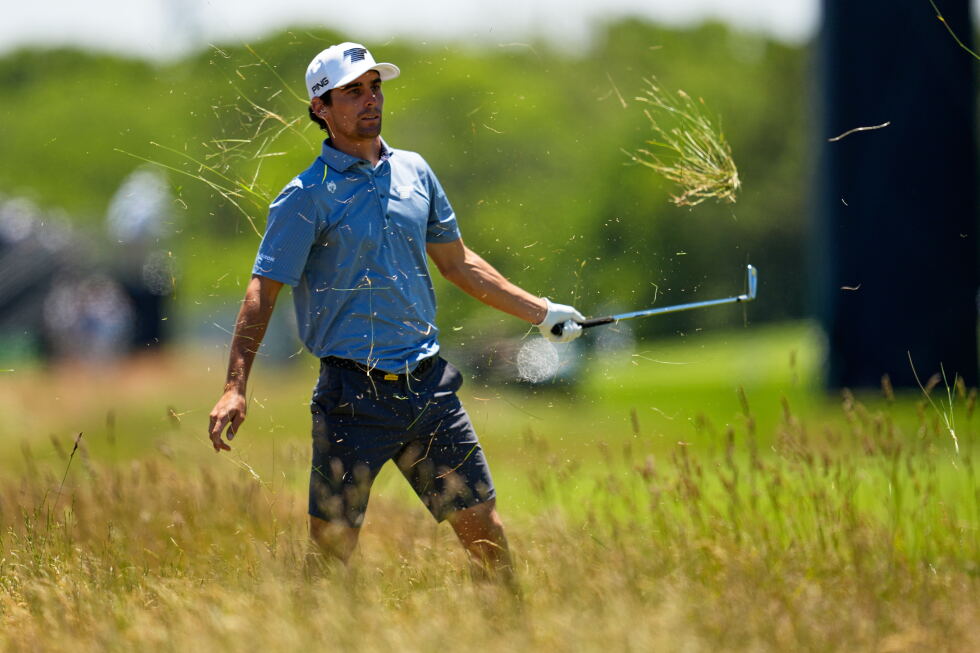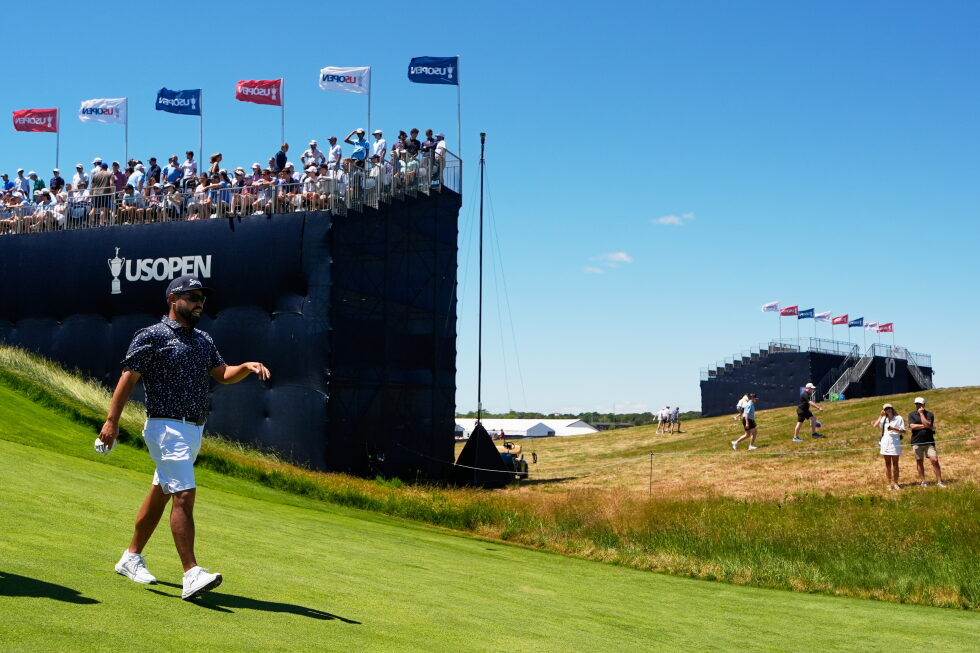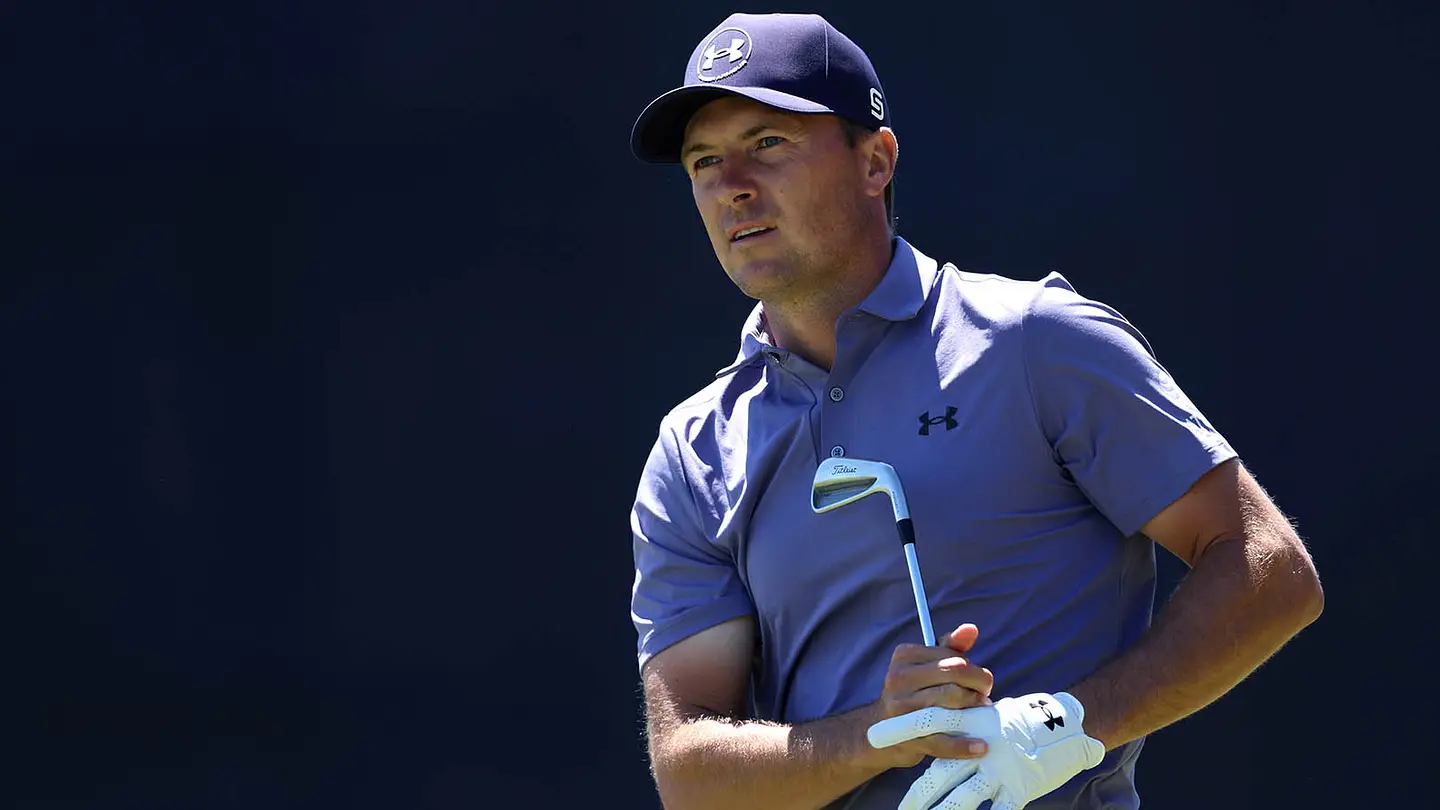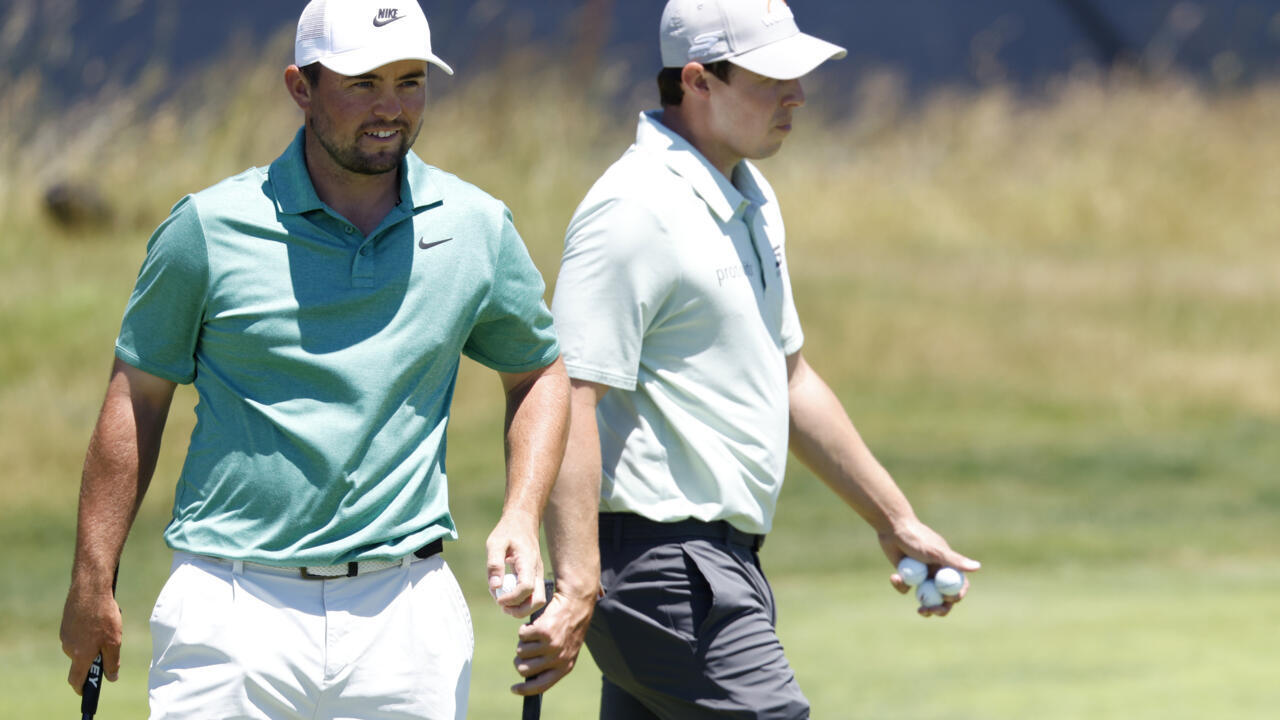
SOUTHAMPTON, N.Y. — The 45-yard slope up to Shinnecock Hills’ 10th hole would make for excellent (but dangerous) sledding come winter.The incline is so steep that on Thursday during the opening round of the 126th U.S. Open, multiple golfers, including last year’s U.S. Open champion J.J. Spaun, landed their approach shots on top of the elevated putting surface — only to watch their balls trundle off the green, back down the hill and not rest until a good 60 yards away from the flag. During the early-week practice rounds, the collection area was covered in a protective plastic netting, preserving the grass in anticipation of all the rejected iron shots. It’s almost as if there is a magnetic force field turning intruders away from the flat portion of the green.Welcome to Shinnecock, a place where a shot that might be considered decent anywhere else could very easily lead to a double bogey — or worse. Here, the greens repel, the wind howls, and the architecture throws you into a tizzy.“I think it’s a little easier sometimes in a U.S. Open because it’s happening to everybody,” says Scheffler.The chaos of the U.S. Open is not a you problem, and Scheffler has been through enough of these now to understand that as well as anyone. He walked off the 18th green looking less like a man one-quarter shy of the career Grand Slam and instead someone just ready to get back to the house.“Today it felt like a day where a lot of good shots were going to get punished,” Scottie Scheffler said after posting a two-over 72. “You had to be hitting a great shot if you wanted to avoid a punishment. I think good would put you in some tough spots.”That’s a common occurrence on the South Fork of Long Island, particularly when winds are gusting up to 30 miles per hour and crescendoing when you least expect it. But the USGA knew this was coming. The strongest winds of the week were forecasted for Thursday, so the championship organizers put the proper precautions in place.Why this U.S. Open course is diabolicalGabby Herzig, Lia Griffin and moreSuperintendents syringed the putting surfaces with water to keep balls from springboarding in all directions. Pins sat in the center of greens to direct players away from treacherous runoff areas. Greens were mowed, but not rolled. The thick layer of fog that rolled in and suspended play for two hours only helped mitigate disaster.“This was a scary day today, forecast-wise,” said Graeme McDowell. “They had to err on the side of caution, and I feel like they did so. I would have liked to see the greens quite not as soft as they were, but hey, let’s make sure we get everyone around the golf course today.”In 2004 and 2018, the last two times this venue hosted the U.S. Open, green speeds ranged from 11.5 to 13 on the stimp meter. Those are the kinds of speeds that cause balls to bound from ridges and reverse course even after coming to rest. In those two championships, a total of two players finished their 72 holes under par.So on Thursday, the USGA intentionally held the greens in the 10.5 to 11 range, creating a receptiveness that was borderline friendly. There were concerns that if the organization hadn’t taken this approach, the wind could blow golf balls off the putting surfaces. At the very least, it could have led to more delays. At the worst, it could have created a situation in which players once again questioned the fairness of Shinnecock’s test.Instead, player after player walked off the course after their first round, battered, but impressed with what they saw. As of 7:10 p.m., 20 players were under par for the day, but no one had approached the scores the first-round leaders had at each of the last five U.S. Opens.“Couldn’t have asked for a better setup,” said Padraig Harrington. “It was a tough test, but very, very fair. They’re probably 18 of the easiest pins that they’ll ever put out on the golf course.”Carnage still ensued on the friendliest iteration of this championship routing.Keith Mitchell posted a bogey-free 29 on his back nine. But that shockingly low score only occurred after he shot a six-over 41 on the front that left his trademark visor perpetually crooked on his head.Cameron Smith, one of the best chippers in the world, took four shots to reach the par-3 seventh hole in regulation. Rory McIlroy’s drive on No. 16 ran into such a strong wind gust that it stopped at 250 yards, still short of the fairway. Patrick Reed hit a shot from the fescue on No. 14 that went 84 yards sideways, only to find the same tall grass on the opposite side of the fairway.“It was just a gnarly lie. It grabbed the hosel and went straight left,” Reed said. “It’s a U.S. Open. It’s supposed to play hard.”Former Masters winner Adam Scott reflects on 100 straight majorsGabby Herzig and Madison EadesReed’s mentality is not an outlier — players come into the U.S. Open prepared for the worst. The bad breaks will come when you face a venue and conditions like these. Your patience will be tested, whether you are the No. 1 player in the world or an amateur who made it through 36-hole qualifying less than two weeks ago to get here. Shinnecock may have had some unusually benign qualities on Thursday, but its wrath does not discriminate.“I think it’s just accepting that it’s going to be hard for everyone, you know, you just have to try to enjoy the challenge,” says Adrien Dumont de Chassart, who shot a 1-over 71. “As soon as you don’t enjoy it, you might end up just kind of getting in your own way.”Shinnecock still has all sorts of tricks up its sleeve that may be revealed this weekend. This tournament is just getting started, as is the mental task.
Shinnecock Hills can still break your heart
"You had to be hitting a great shot if you wanted to avoid a punishment. I think good would put you in some tough spots.”
991 words~5 min read