See more Daily Mail on Google - save us as a Preferred SourceBy JOHN-PAUL FORD ROJAS DEPUTY BUSINESS EDITOR Published: 23:22 BST, 18 June 2026 | Updated: 23:23 BST, 18 June 2026
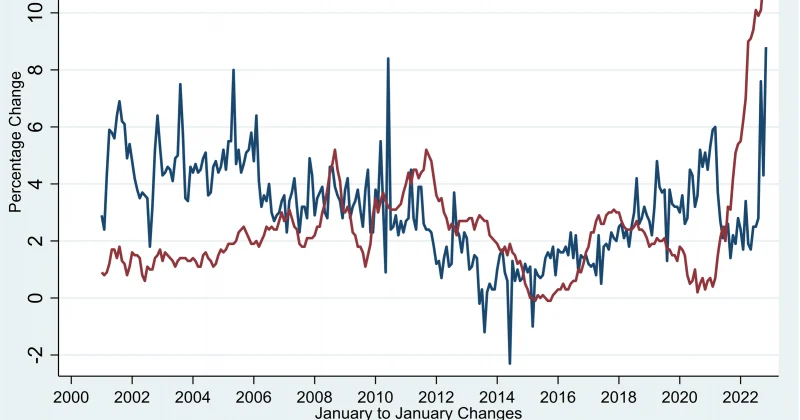
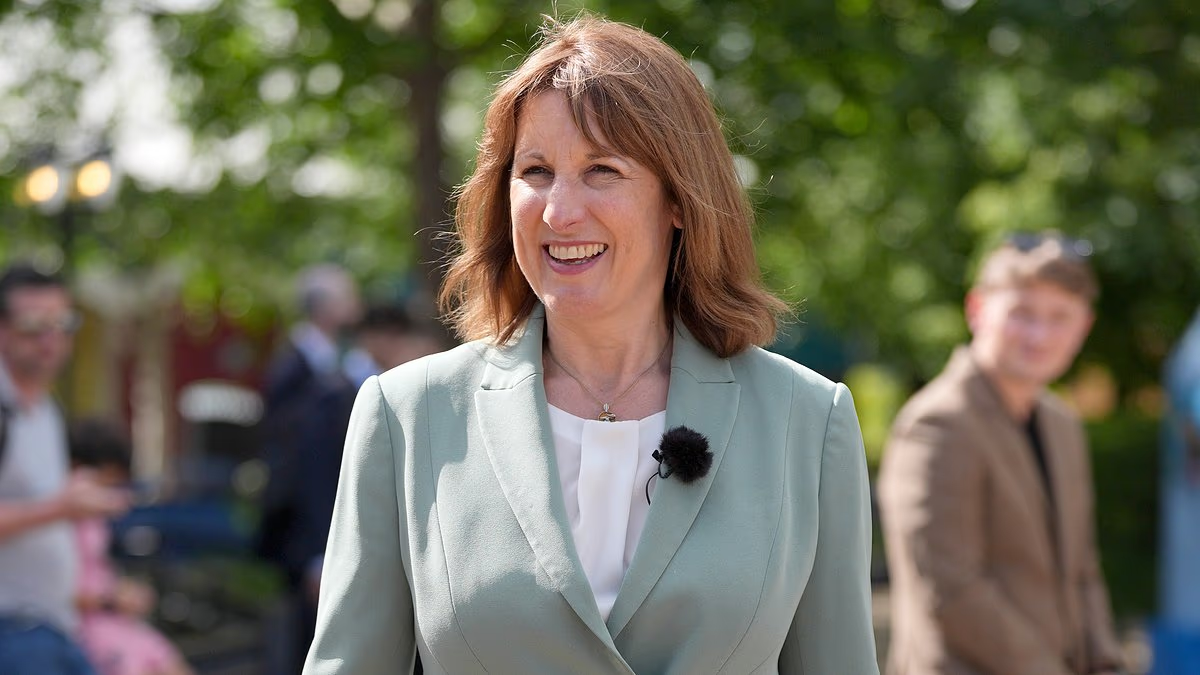
Private sector workers face a year of getting poorer as wages trail behind the cost of living – as those in the public sector enjoy above inflation pay hikes.Official figures showed private sector pay rose by just 2.9 per cent in the three months to April.That was the weakest since the pandemic in 2020 – and amounts to a real-terms fall because prices are rising at a faster rate. Analysis suggests the squeeze has been going on since last autumn and will continue for months to come – adding up to roughly a year of falling living standards.But pay settlements dished out to public sector workers mean they continue to avoid the pain, with their wages rising by 5.1 per cent over the latest three-month period.Among those benefitting are civil servants, whose numbers swelled to 558,000 this year – the highest in two decades. Britain's private sector, accounting for four-fifths of workers, is being battered by high taxes, rising minimum wages and reams of red tape that make it costlier to hire.Analysis by the Resolution Foundation showed private sector pay has been falling in real terms since October, with the pain set to worsen as inflation pressures deepen.'Workers should brace themselves for this squeeze to continue over the summer', said Louise Murphy, senior economist at the think-tank. Chancellor of the Exchequer Rachel Reeves ahead of a business roundtable at the Chessington World of Adventures Resort in SurreyAnd Tory business spokesman Andrew Griffith said the Government and Chancellor Rachel Reeves have their priorities 'all wrong', adding: 'Labour's Britain is now officially a two-tier economy.'Thursday's figures from the Office for National Statistics (ONS) painted a bleak picture of the jobs market. While unemployment dipped from 5 per cent to 4.9, that was explained by a rise in people not looking for a job, who do not count towards the total.The ONS said new recruits fell to 539,199 in April, the lowest in five years. Vacancies were also at a five-year low.Director of economic statistics Liz McKeown said it suggested 'firms are more cautious about taking on staff'.The number of employees on UK payrolls fell by 138,000 in the 12 months from April 2025 – and by 53,000 in April this year alone. Unemployment among those aged 16 to 24 remained at 16.2 per cent.The Bank of England on Thursday voted to leave interest rates at 3.75 per cent, fearing the economy is too weak to start putting them up.