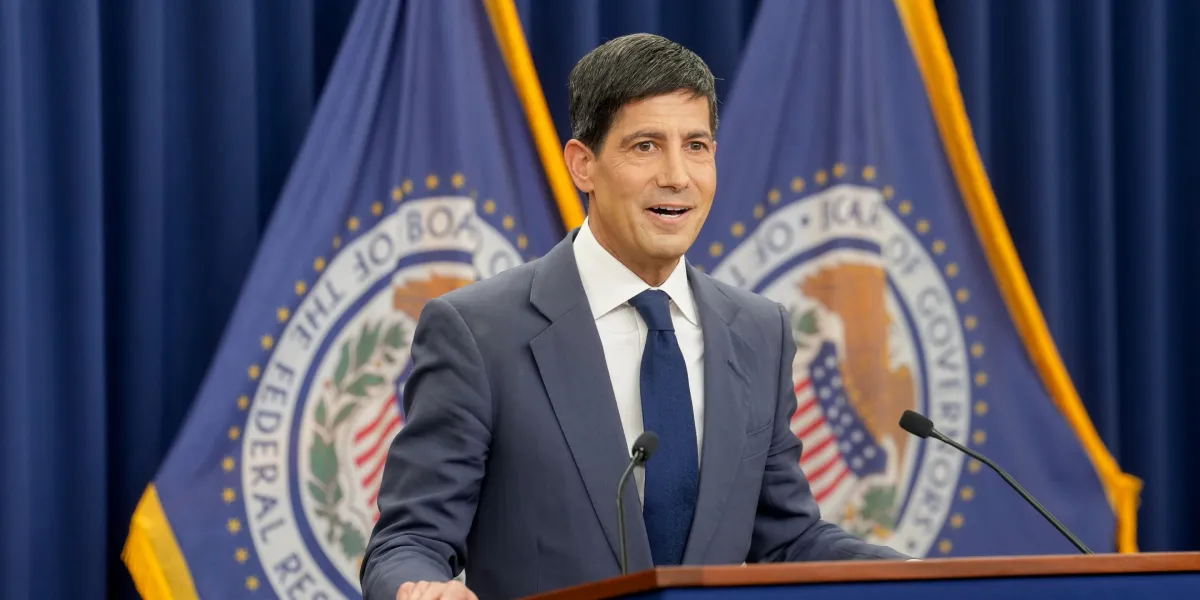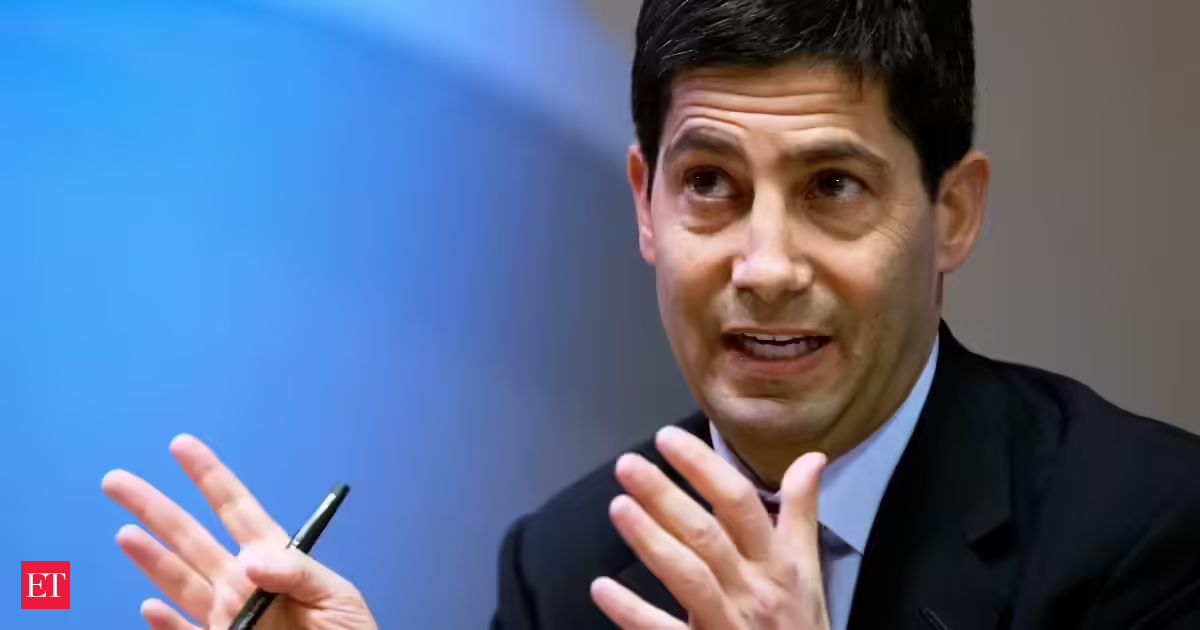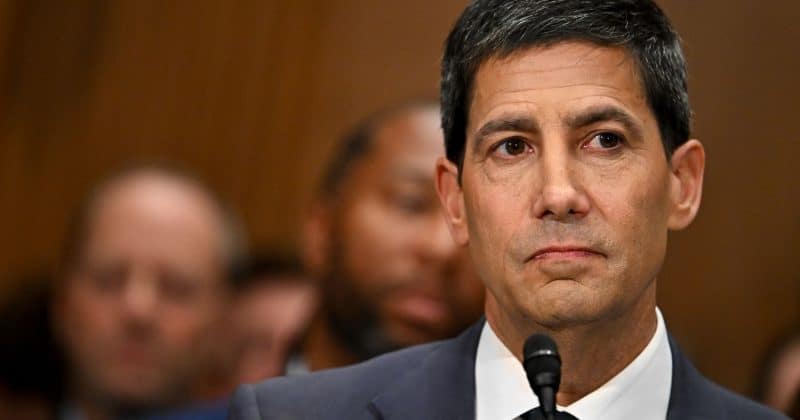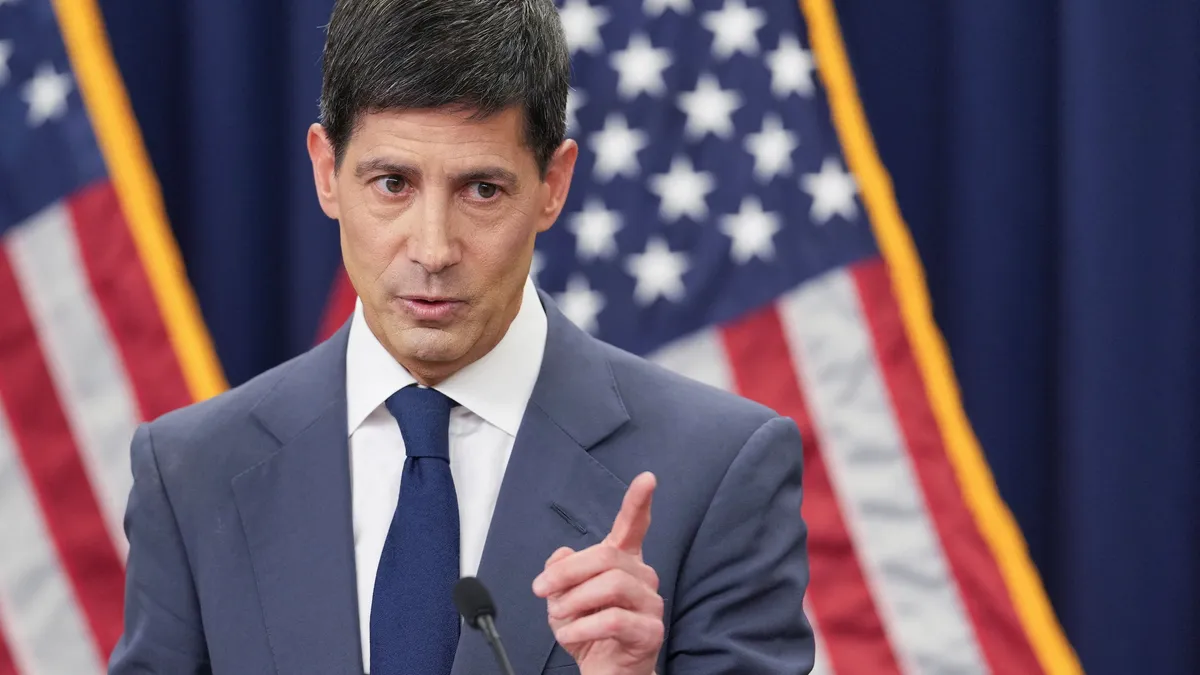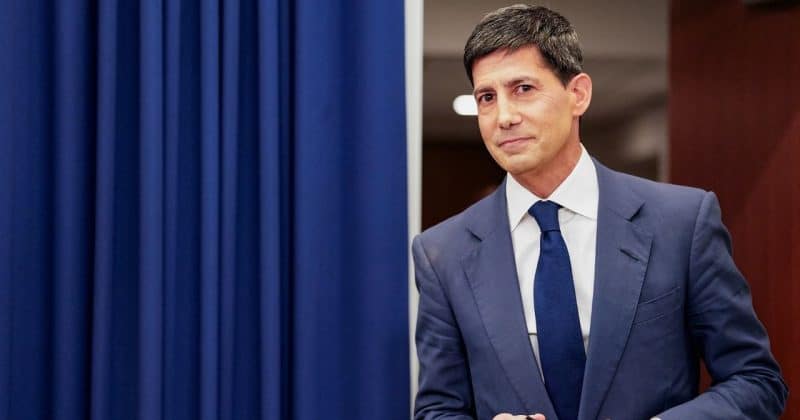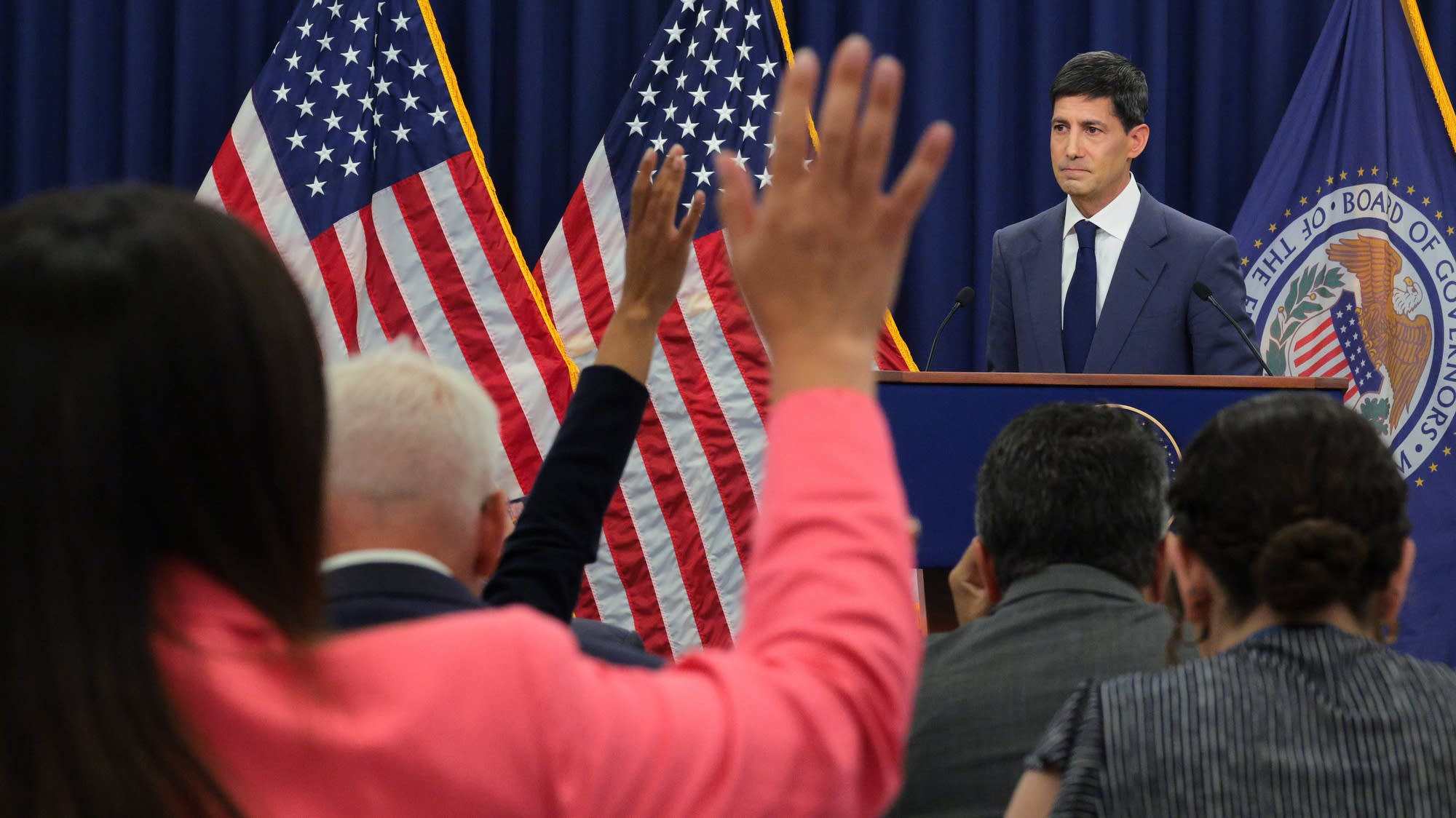
The Federal Reserve held interest rates steady at its meeting this week, and new Fed Chair Kevin Warsh didn’t give a lot of information to decipher whether rate hikes are coming. “Persistently high prices are a burden for the American people. But the recent past need not be prologue. I am pleased to report that members of the [Federal Open Market Committee] are unambiguous and unanimous this committee will deliver price stability,” Warsh told reporters after the meeting.Fed watchers read between the lines, and the markets have made up their minds: They’ve priced in at least one quarter-point rate hike by the end of the year.Former Fed governor Randy Kroszner thinks the markets got it wrong. And he has a pretty good understanding of how the new Fed chair thinks — the two worked at the Fed together a couple decades ago.“The markets interpreted that, well, he’s going to be a real hawk. But I don’t think that was exactly appropriate,” Kroszner said.Traditionally, markets react to what the Fed says. “Kevin would like to replace that with, they should react to the [inflation and job market] data,” Kroszner said.The question is, if the Fed encourages markets to interpret the data, will the markets really just interpret the data? Or will they instead make guesses about how the Fed is quietly interpreting the data? Alan Blinder, a former vice chairman at the Fed, said the distinction matters: “The argument for a more talkative Fed is not that we want to see these people on TV because they’re such wonderful personalities,” he said.(If you can’t tell, Blinder is a pro-Fed transparency guy.)“It’s that that conditions market expectations so that hopefully the markets don’t run off in crazy directions,” he said. Those “crazy directions” can result in pretty painful market corrections, he said.Blinder thinks there’s one rate hike coming in the next few months. So does Carola Binder, an economist at the University of Texas at Austin. But she said the markets could price in more.“So we would expect other rates to rise if the Fed starts raising rates. Especially if markets expect a series of rate hikes instead of a one-time rate hike,” she said.A series of rate hikes would have the biggest effect on longer term loans, like the 30-year fixed mortgage.
Fed Chair Kevin Warsh is trying to keep his options open. Investors are parsing his words anyway
In his first press conference, Warsh reaffirmed the Fed's commitment to price stability. But what that means in practice is anyone's guess.
TL;DRAI
Fed Chair Warsh kept rates flat while markets priced in a 25-basis-point hike by year-end, wagering against his ambiguous statements. Rate cycles reshape financing costs and hiring velocity—unclear Fed messaging creates planning uncertainty for enterprise and VC-backed IT teams.
381 words~2 min read