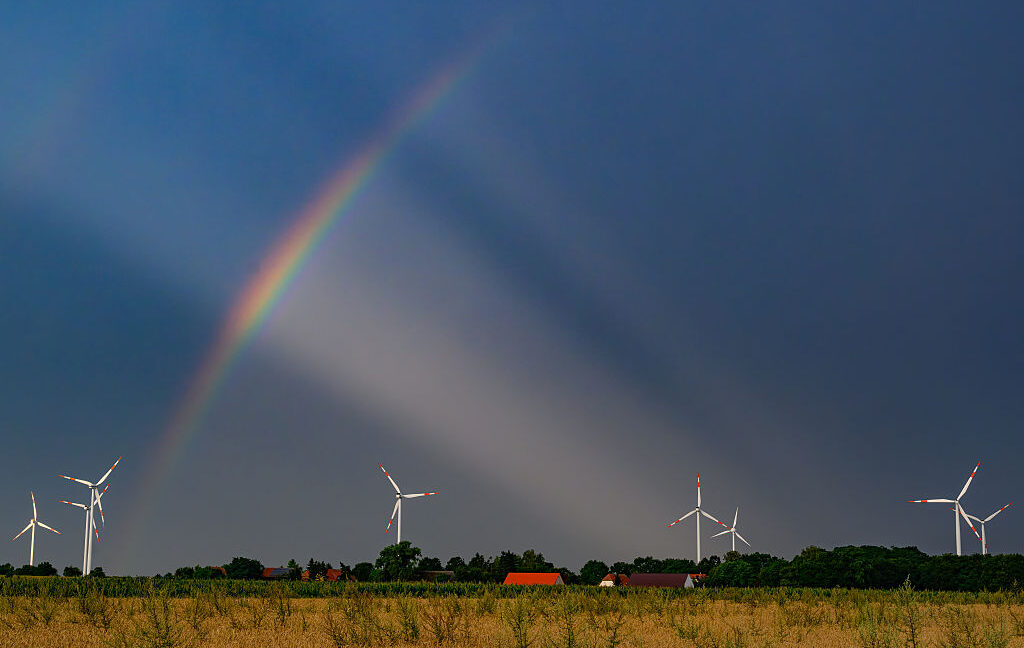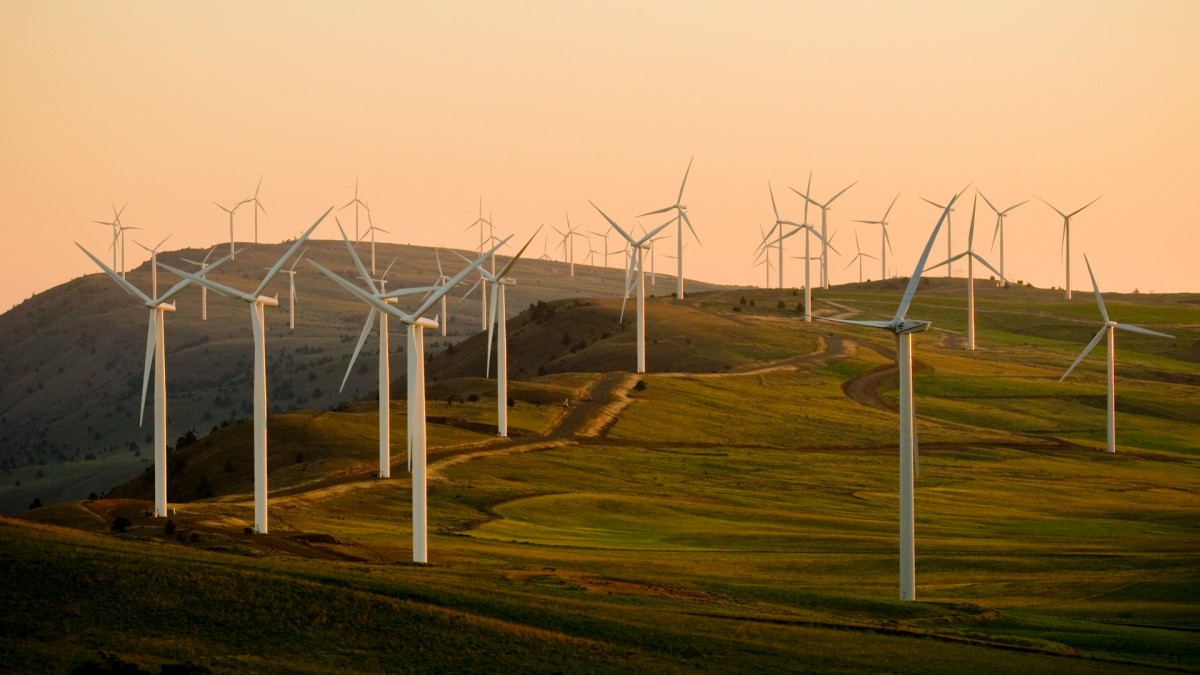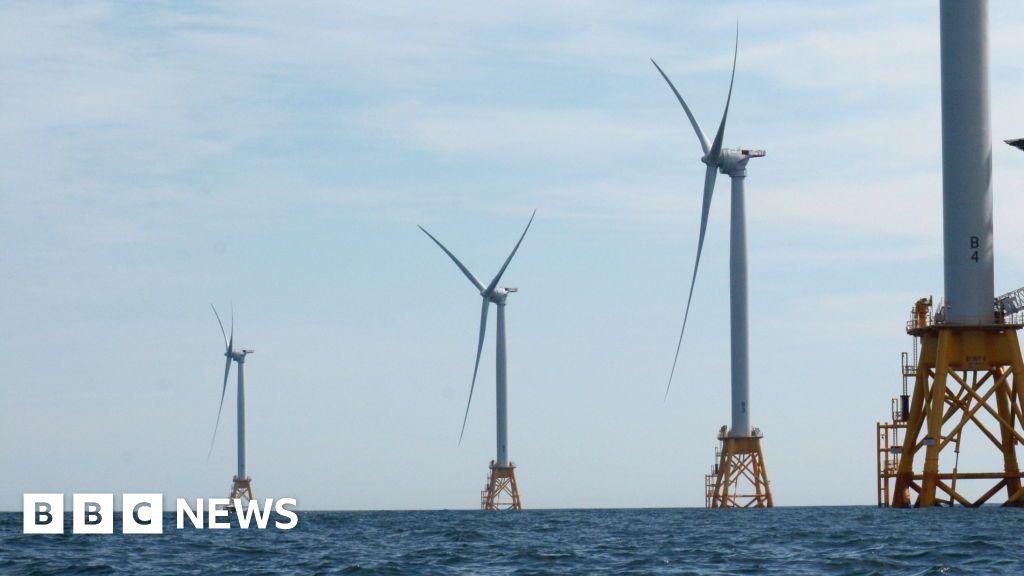
Donald Trump has been battling wind turbines in the court of public opinion and in actual court for over a decade now. Trump has railed about “windmills” repeatedly over the course of his presidential term and campaign trails, calling the technology “so pathetic and so bad” before proudly declaring that no wind power will be approved on his watch.“I can proudly say [...] that we have not approved one windmill since I’ve been in office. And we’re going to keep it that way. My goal is to not let any windmill be built. They’re losers,” Trump said at a recent White House event.But it appears as though Trump will have to eat his words. The Trump administration is quietly backing off of its war on wind as Trump faces increasing legal headwinds and energy prices soar. A recent report by the nonprofit Environmental Defense Fund and Atlas Public Policy finds that not only will wind projects continue to come online during Trump’s current term, despite his best efforts to kill current developments, but projections for continued investment in the wind sector are strong.Set OilPrice.com as a preferred source in Google here.Trump started out strong in his anti-renewables drive. About 8 gigawatts of clean energy projects were canceled in the first quarter of 2026, many at the cost of taxpayers. In March, Trump made an unusual $1 billion deal with the French company TotalEnergies in order to not develop offshore wind power. “The deal is an extraordinary transfer of taxpayer dollars to a foreign company for the purposes of boosting the production of fossil fuels, a main driver of climate change, while throttling offshore wind power,” a New York Times article reported at the time.But legal challenges are starting to slow Trump’s cancellation campaign. While Trump’s strategy to overwhelm the judicial system and ‘flood the zone’ with a barrage of executive orders and legal actions at the outset of his second term has been enormously successful, legal setbacks are finally starting to roll in. Just this week, the U.S. Court of Appeals for the First Circuit dismissed Trump’s appeal to overturn the blockage of a January 2025 executive order freezing federal permitting and leasing for wind projects. Judge Patti Saris concluded that the executive order was “arbitrary and capricious” and ultimately unlawful.And investors are clearly eager to back new clean energy projects. Despite the administration’s best efforts, clean energy – and particularly solar photovoltaics – is booming under Trump. The Environmental Defense Fund and Atlas Public Policy report projects that a record 79.7 gigawatts of clean power will come online in the U.S. in 2026. And, looking forward, developers plan to invest about $377 billion in new clean power projects through 2031.But while the repeal of the wind-power freeze will undoubtedly lead to a resurgence in wind turbine installations, wind power still faces considerable setbacks. The report finds that a potential on-shore wind rebound “is complicated by a U.S. Department of Defense action in May 2026 to halt a review of more than 150 onshore wind projects.” The report goes on to detail that “the 30 GW of capacity contained in those projects is effectively stalled without Pentagon approval.”But while the wind sector continues to face major political, legal, and supply chain headwinds, thanks to major slowdown and uncertainty in the industry, experts say that renewables are an unstoppable force in the global economy. They have simply become too cheap to fail, especially as the energy crisis emanating from the Strait of Hormuz continues to send shock waves through global oil and gas markets.“[Trump] will never stop this industry,” Andrew Reagan, president of advocacy nonprofit Clean Energy for America, recently told NPR. “He’s only going to slow it down in America and make us less competitive than our foreign rivals.”By Haley Zaremba for Oilprice.comMore Top Reads From Oilprice.comIndia's Pump Prices Stuck Even As Global Crude CrashesHigh Tanker Rates Disrupt Persian Gulf Oil Shipments to AsiaSweden Picks Rolls-Royce for First New Reactor Since the 1980s
Court Ruling Deals Major Blow to Trump's War on Wind Power | OilPrice.com
A federal court just struck down Trump's wind permitting freeze, setting up a possible U.S. wind power comeback despite the Pentagon's pushback.
TL;DRAI
U.S. Court overturned Trump's wind-project freeze; 79.7 GW of renewables projected for 2026, with $377B in pipeline investment. Renewable energy growth improves grid stability and reduces carbon exposure, key for IT data center planning and ESG strategy.
663 words~3 min read