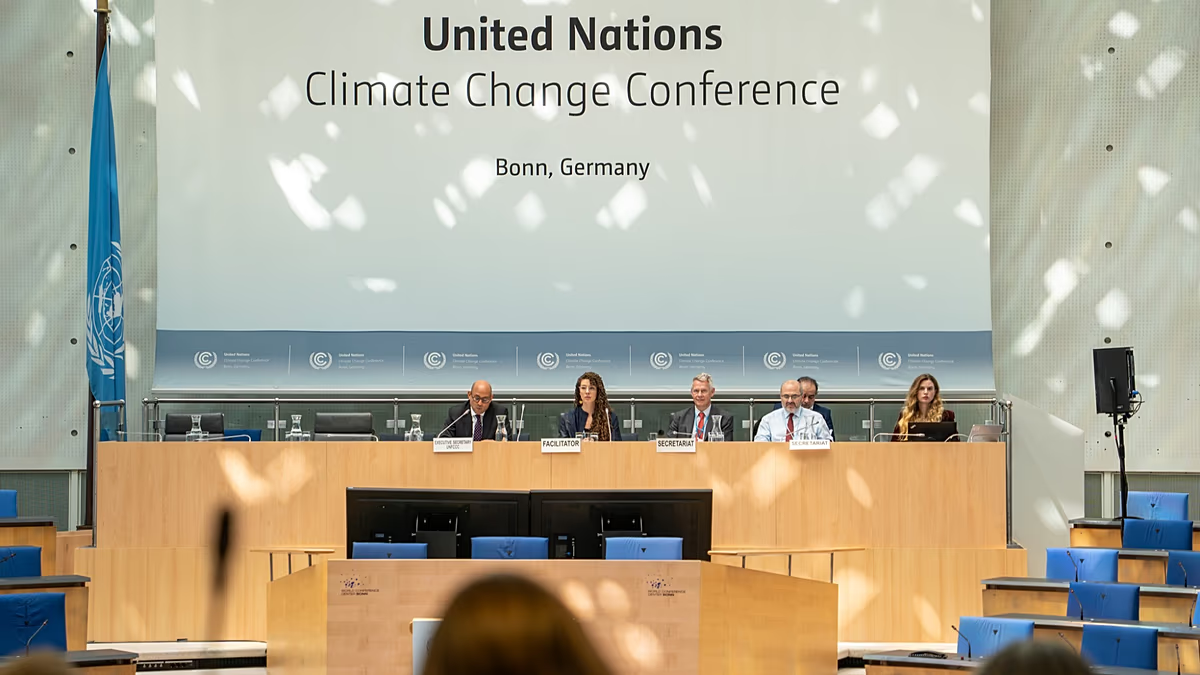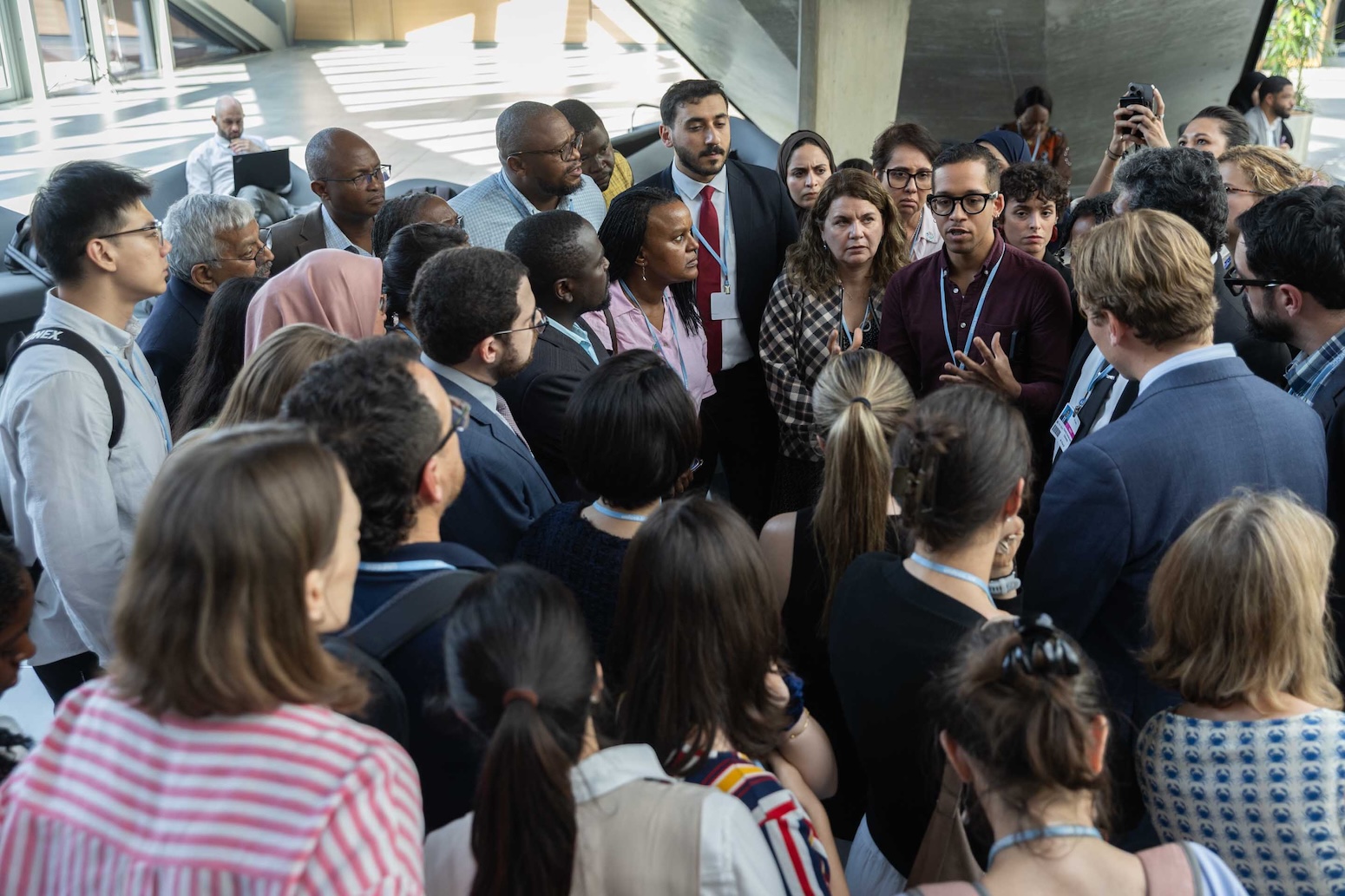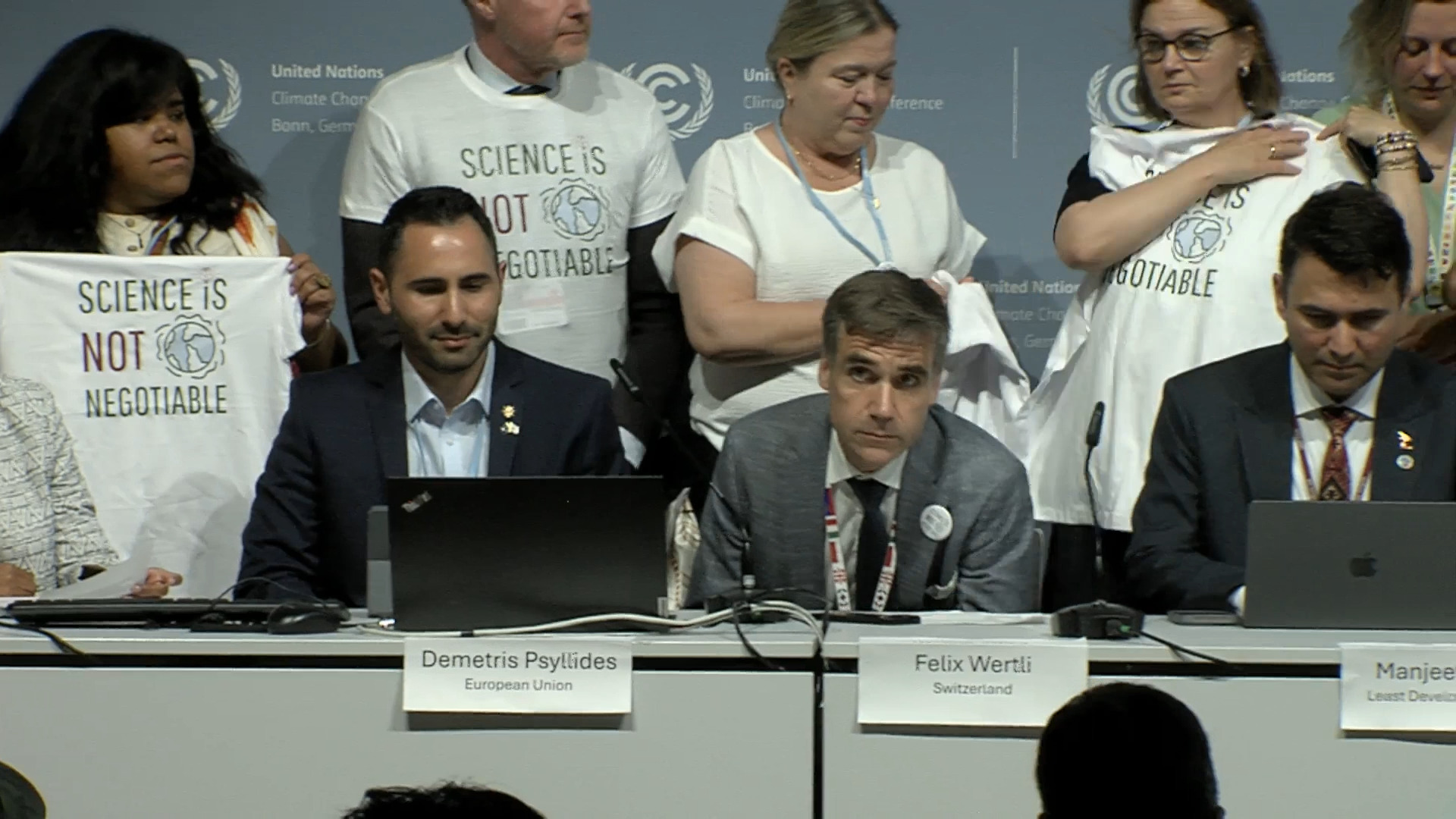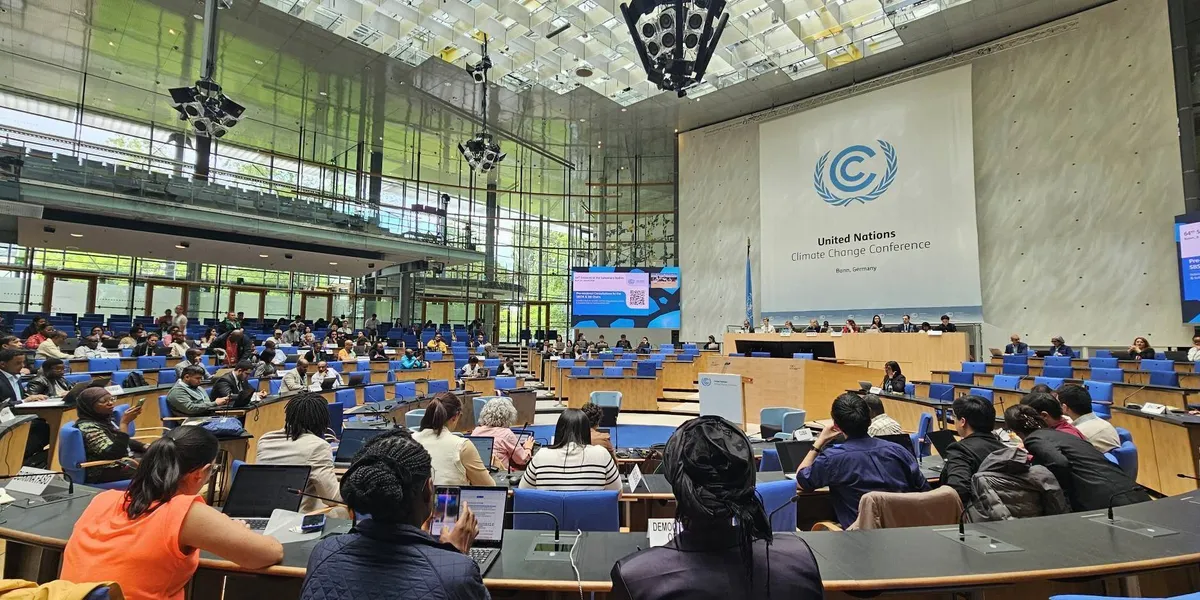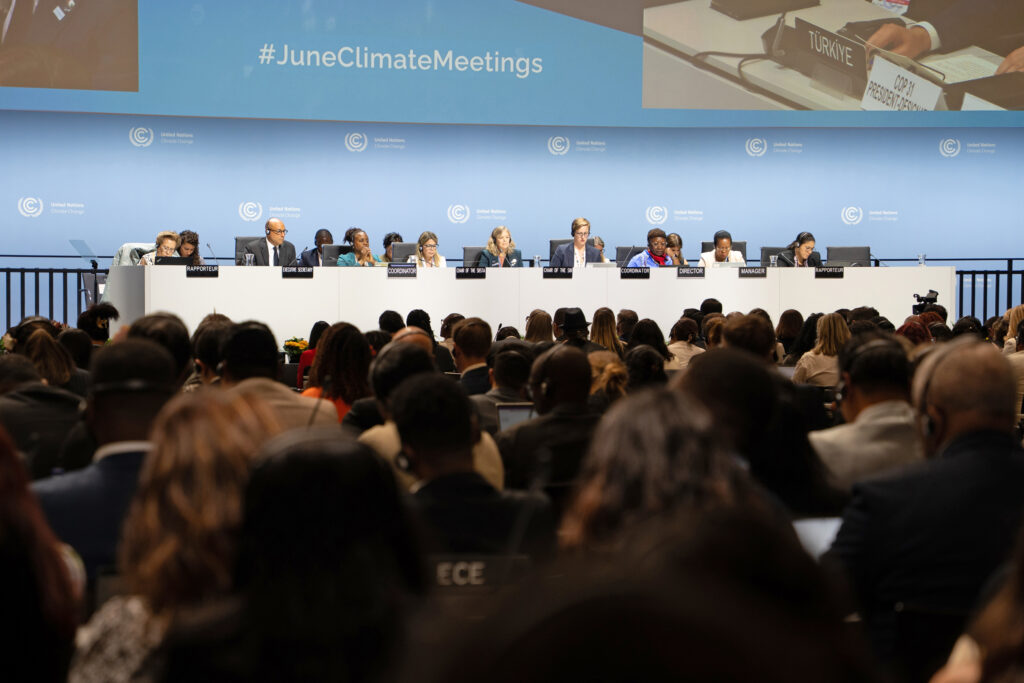
The United States did not send a federal government delegation to the latest round of high-level global climate negotiations in Bonn, Germany, but the current administration’s foreign and economic policy nevertheless partly shaped the talks, stirring both fear and hope.
The U.S. attack on Iran and its ripple effects across energy markets fueled concerns that climate action is increasingly being sidelined by military conflicts and economic rivalries. At the same time, the disruptions reinforced a growing view that shifting away from oil, coal and gas makes economical and environmental sense, as fossil fuels are linked to many geopolitical conflicts.
Both themes surfaced repeatedly during the 11-day session, where negotiators worked to reach funding goals for adapting to climate impacts, as well as on the implementation of existing climate agreements before the United Nations Framework Convention on Climate Change summit, COP31 in Antalya, Turkey, in November.
The U.S. Department of State did not respond to Inside Climate News’ requests for comments on the Bonn talks.
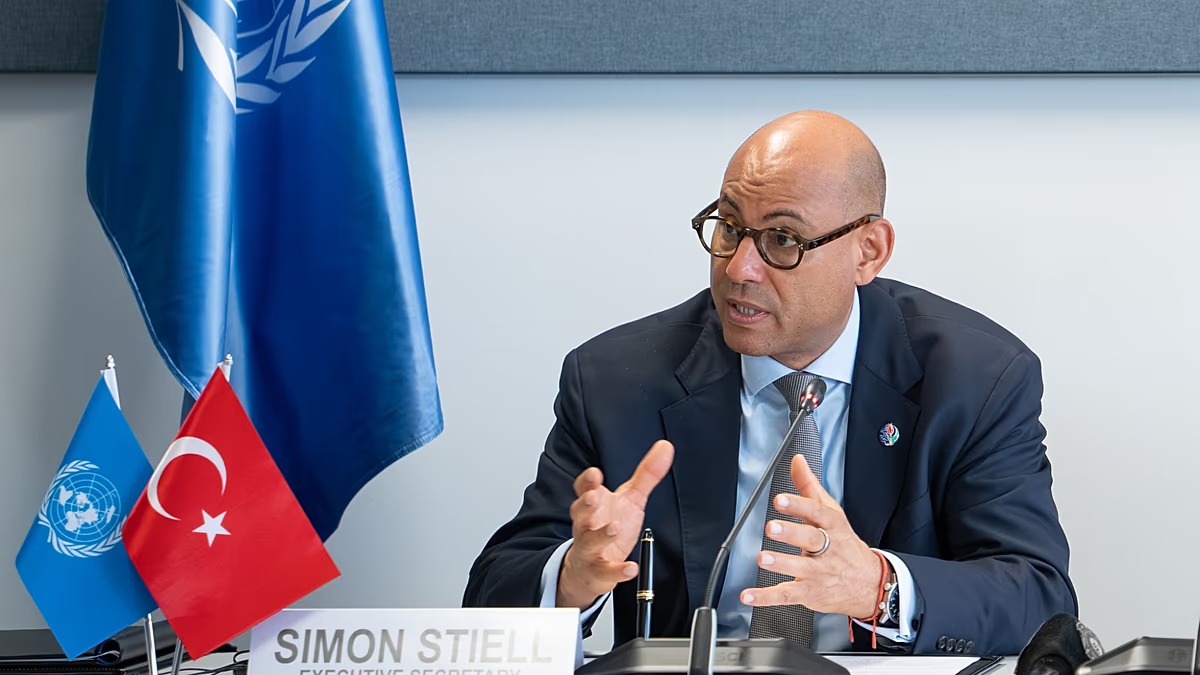
“We’ve seen geopolitical tensions washing through these halls,” said Simon Stiell, UNFCCC executive secretary. That resulted in some “side-stepping and stalling” on key issues like climate finance, such as funding for renewable energy in developing countries, he added during his closing remarks at the Bonn talks.