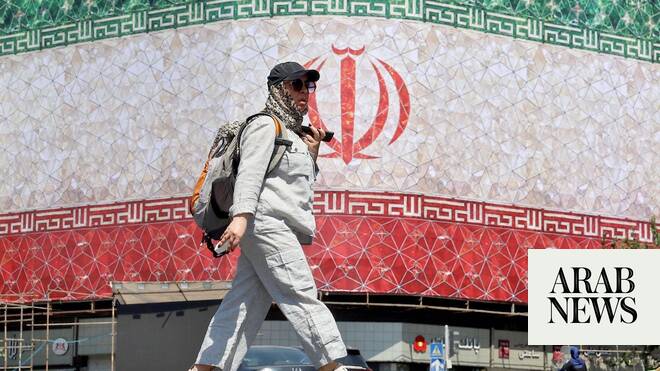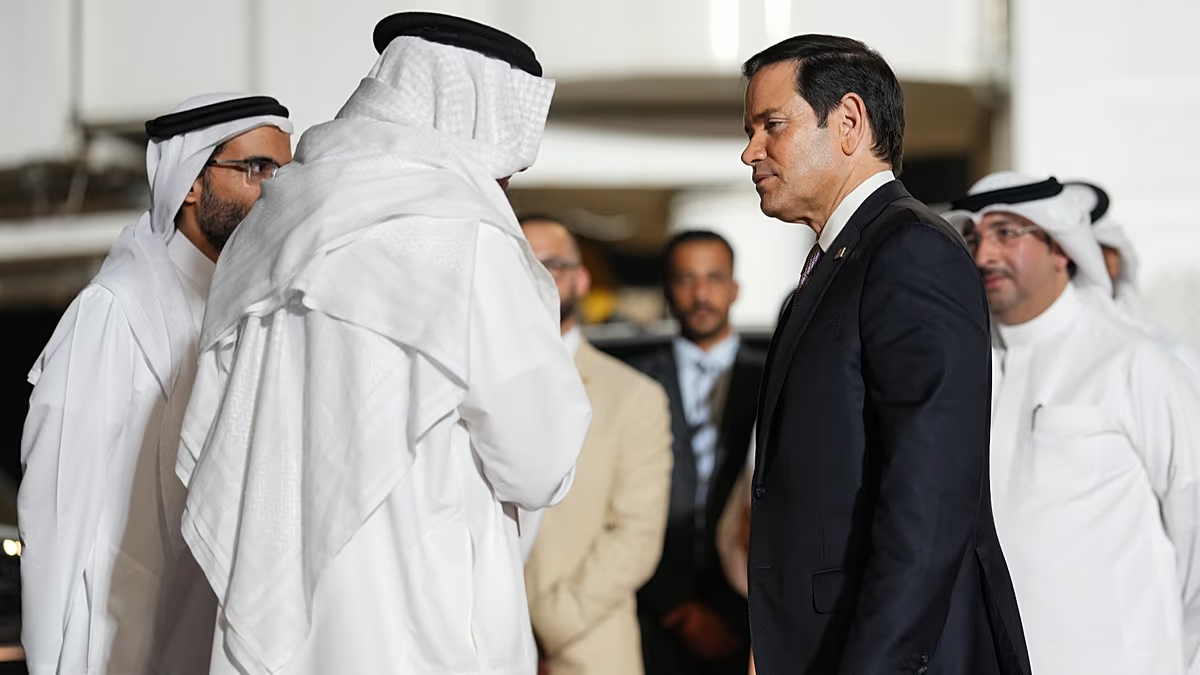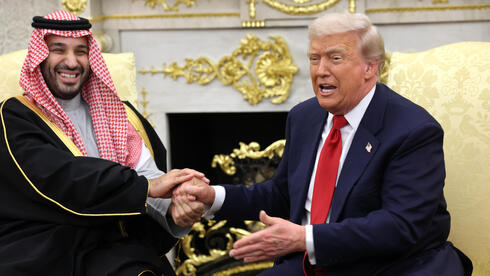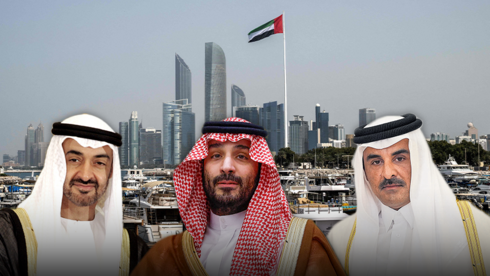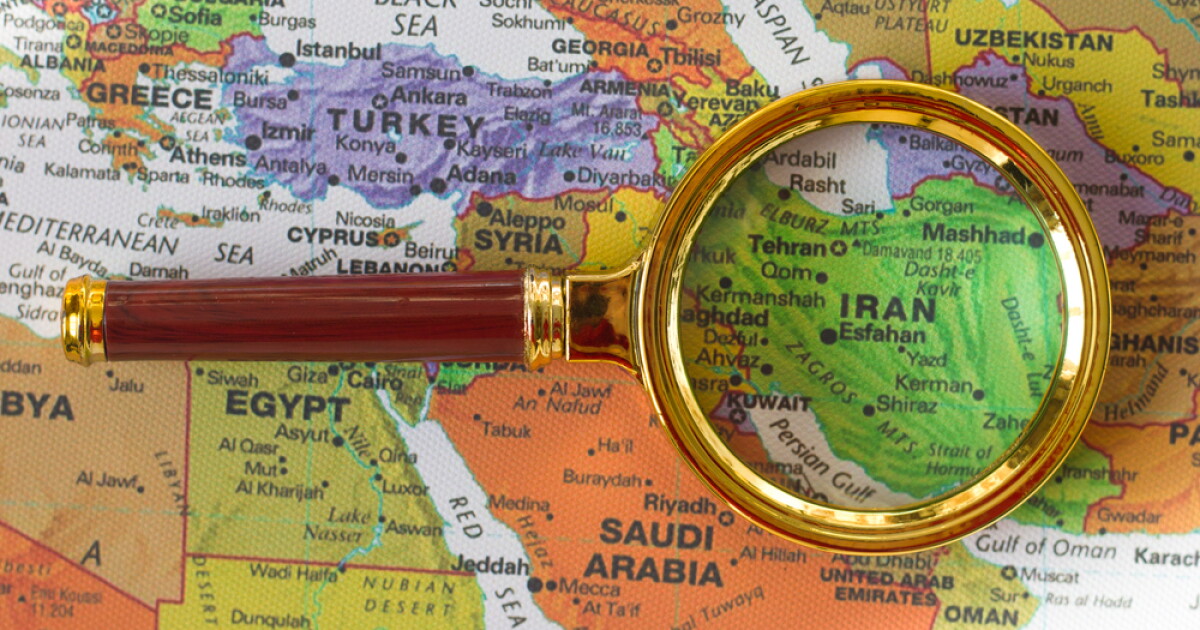
Saudi Arabia, Qatar and the UAE, the most politically influential Gulf Arab states, closed ranks in their efforts to push the US toward a diplomatic resolution of the conflict that has caused them so much damage. That marks a sharp shift from early in the conflict, when Iran’s attacks on their vital energy infrastructure, in response to US-Israeli strikes and closure of the Strait of Hormuz, enflamed tensions. A future indication of new era Gulf-Iran ties may be the Gulf states’ willingness to invest in Iran, if this week’s interim peace deal translates into a final agreement that brings comprehensive US sanctions relief. Meanwhile, despite their show of unity, major underlying fissures between the Gulf states remain, notably between Saudi Arabia and the UAE, and now risk resurfacing.
Can Gulf Alignment on Iran Last?
Saudi Arabia, Qatar and the UAE closed ranks in their efforts to push the US to end the conflict, but major underlying fissures now risk resurfacing.
128 words~1 min read