AI agents get better the more they run. Every conversation turn, every task completed, every prompt refined adds to a growing body of context that shapes the next output. The compounding effect is real: an agent with 100 turns of memory and a versioned prompt history behaves meaningfully differently from one starting cold.
This post walks through using a structured, versioned, API-accessible store as the memory layer for AI agents, with TypeScript examples. Agent messages, system prompts, findings, and instructions are all stored as structured, versioned, API-accessible Objects. Each new turn adds to the record. Each prompt edit is tracked.
What Agent Memory Actually Needs
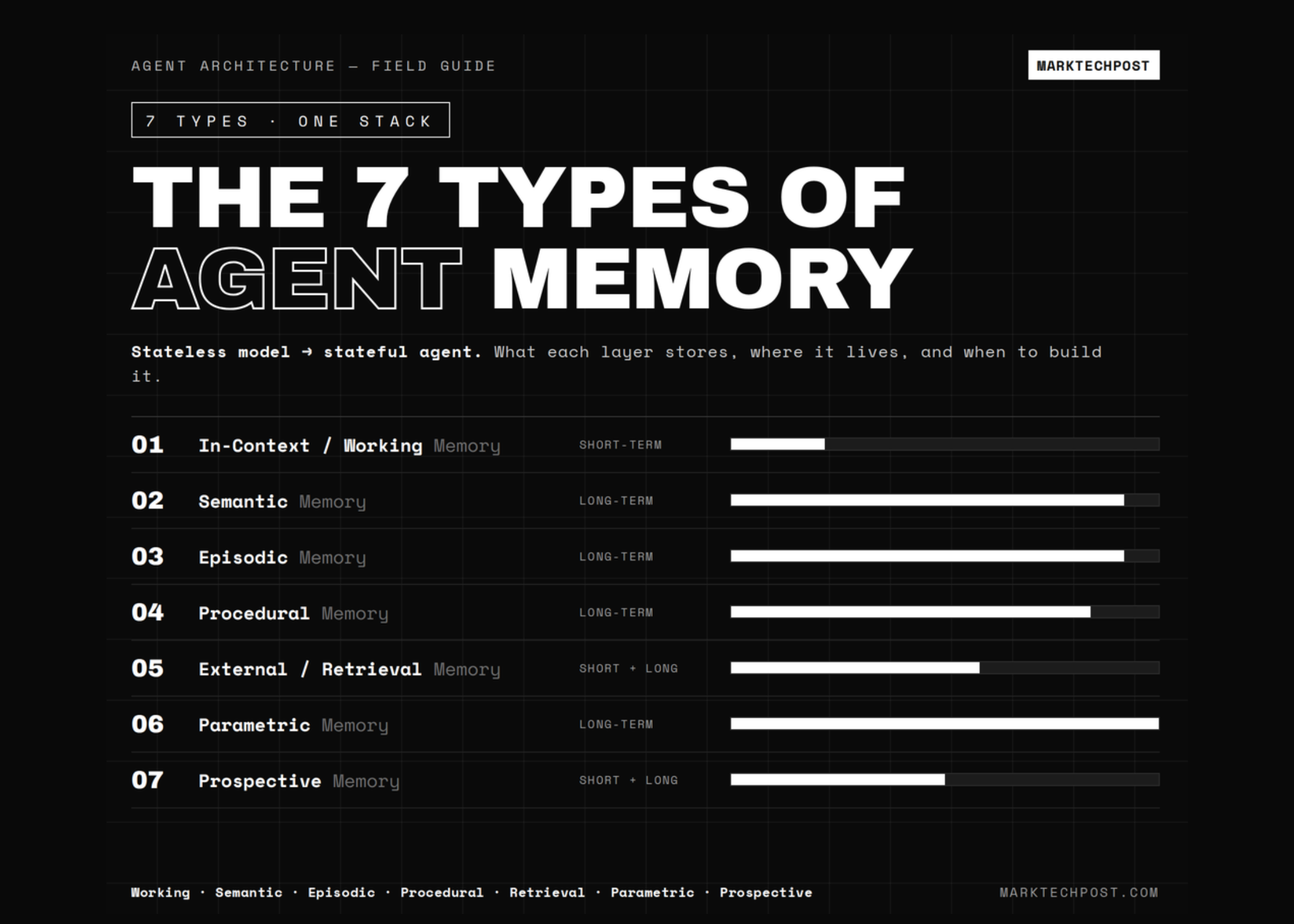
The compounding loop only works if the memory layer has the right properties. Most agent frameworks handle working memory well. The gap is episodic and semantic memory: what the agent learned, did, and produced across sessions.
Researchers at Elastic recently published a breakdown of agent memory tiers: working memory (in-context), episodic memory (past interactions), semantic memory (knowledge), and procedural memory (learned behaviors). Good persistent agent memory needs four properties: