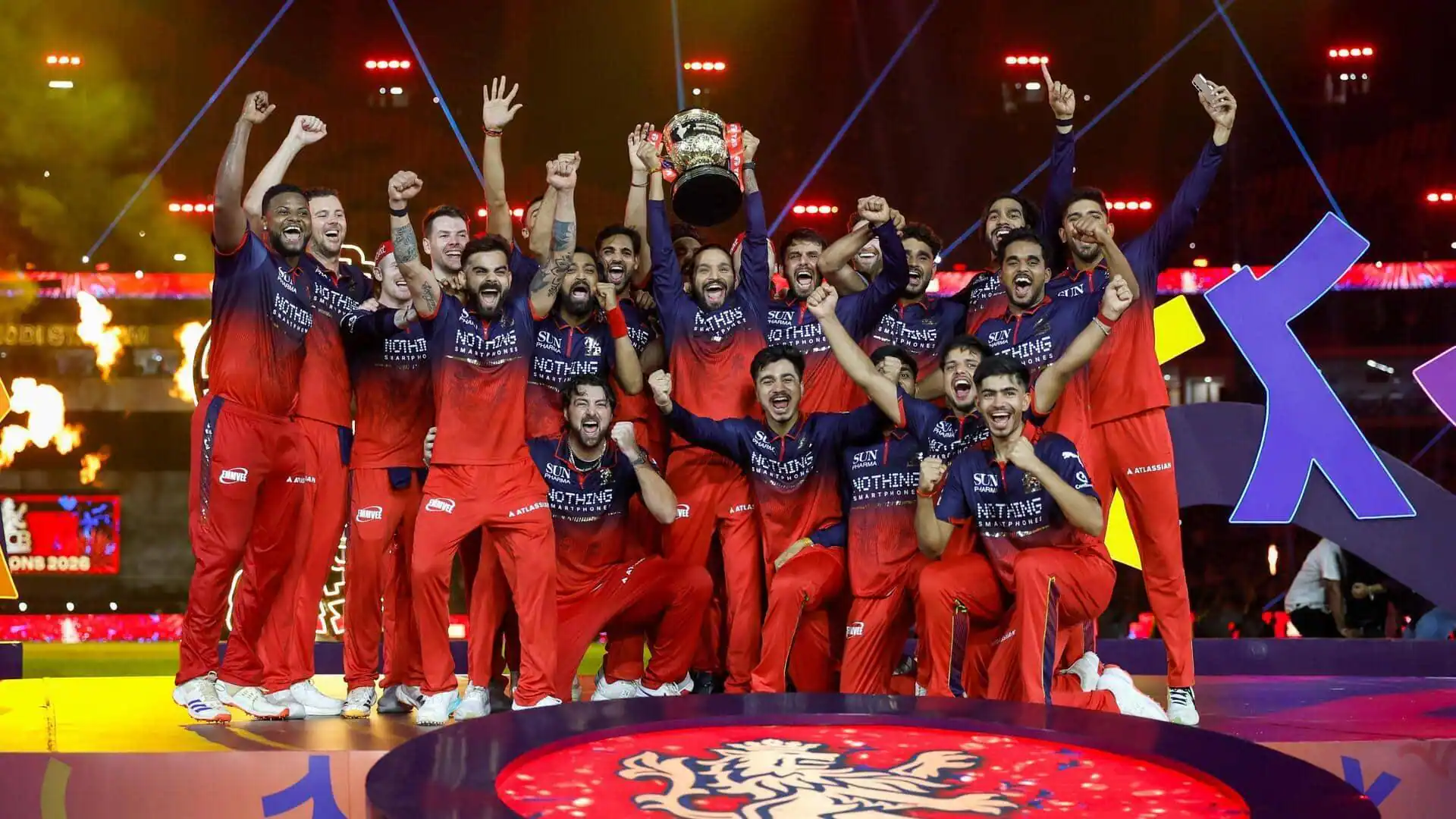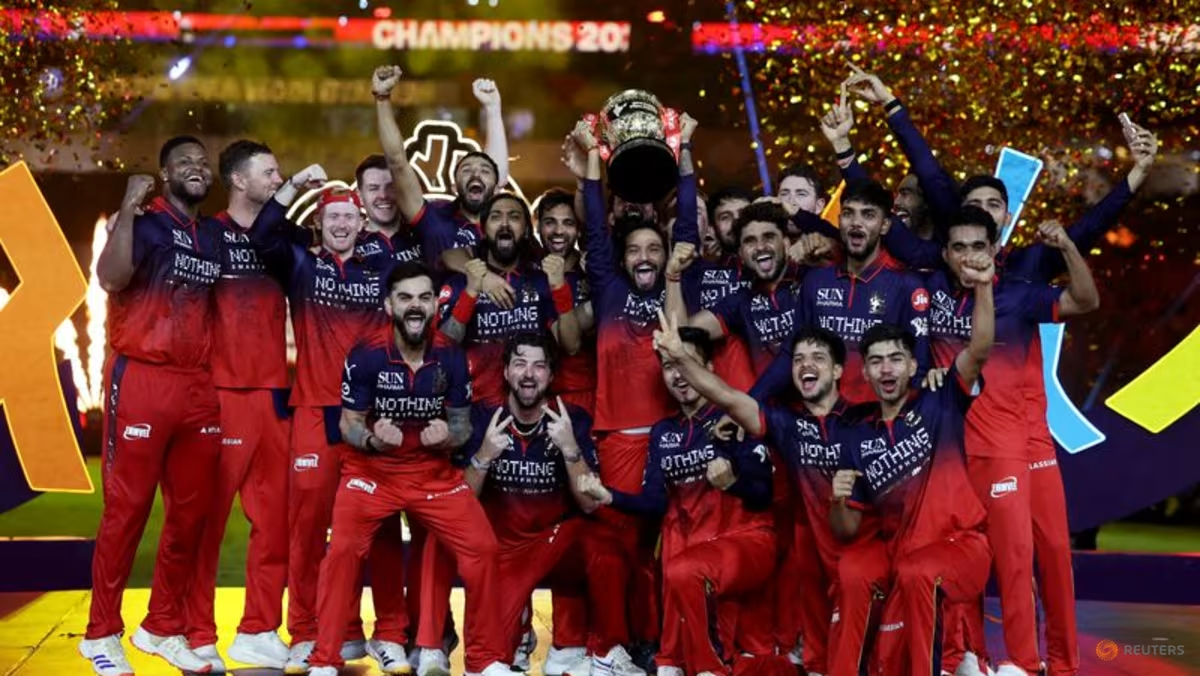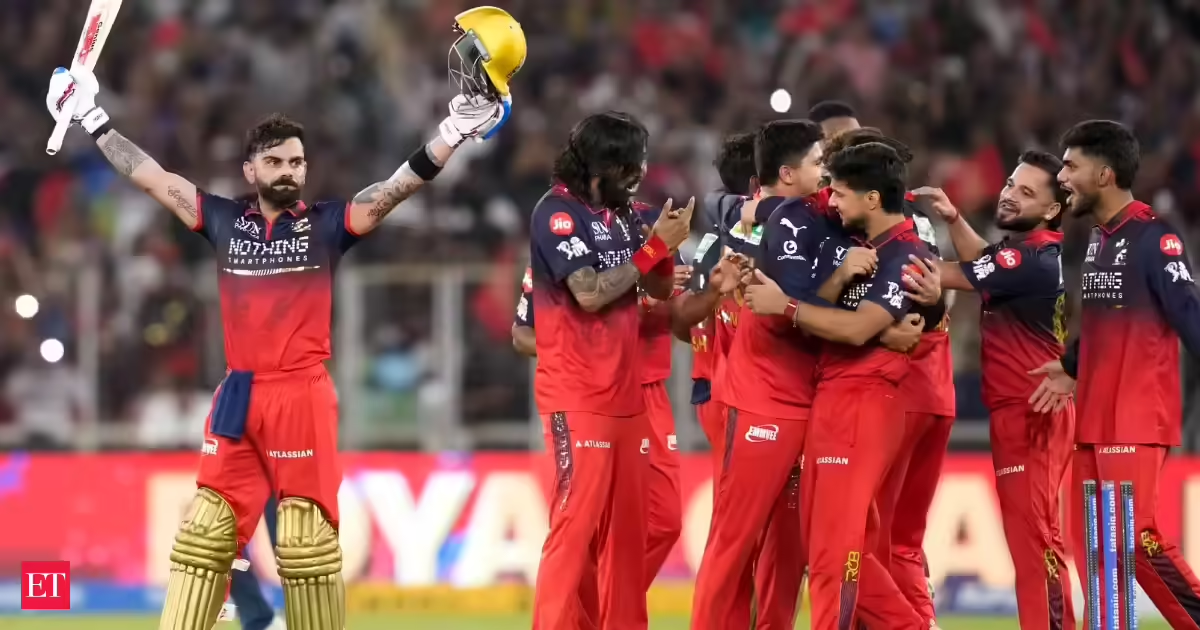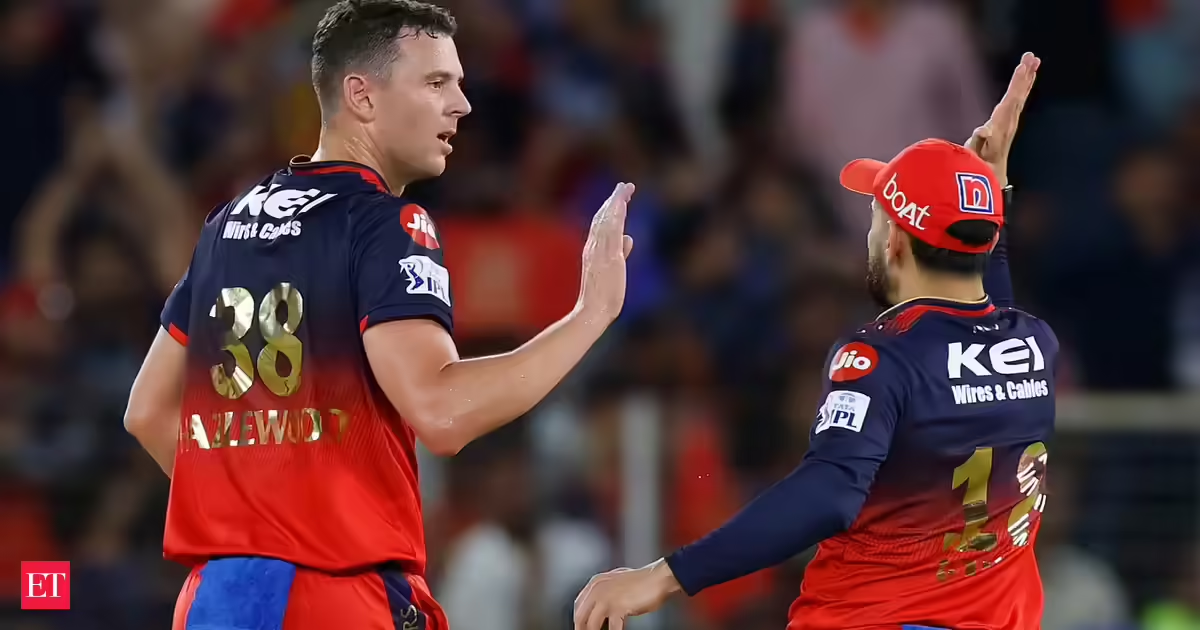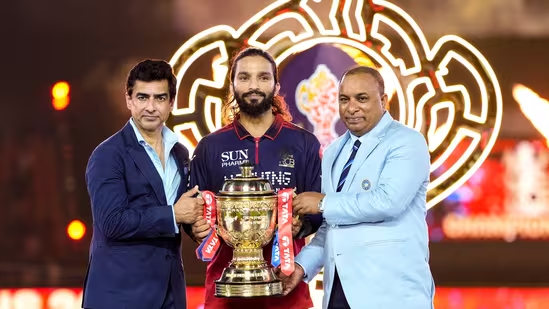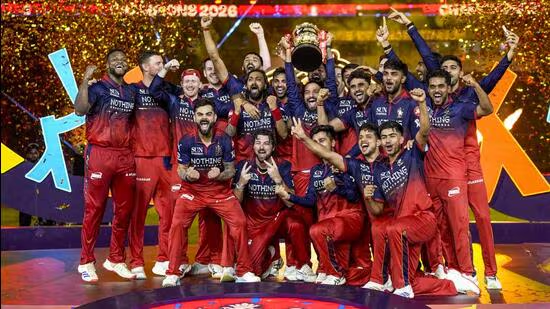
Mumbai: Indian cricket board official - BCCI secretary Devajit Saikia has shut the door on the possibility of expanding the Indian Premier League (IPL) from its current 74-match structure to a home-and-away 94-match schedule. Thus, formalising conversations on the unlikelihood of an expanded IPL, nine months before IPL 2027, the last in the current media rights cycle.Royal Challengers Bengaluru's players celebrate with the trophy after winning IPL 2026. (PTI)Saikia told PTI about not wanting to upset “bilateral arrangements of other ICC nations”. In the same interview, he also spoke about talks of advancing the IPL by two weeks to a March 10 start to facilitate a mid-May closure, citing weather concerns.If it was entirely in BCCI’s hands, an early March start, elongating the IPL by two weeks and doubling up with a carefully crafted schedule around weather forecast wasn’t all that improbable for the lucrative IPL. Weather shifts have rarely come in the way of commercial uptick.In an earlier interview to HT, IPL Chairman Arun Dhumal had attributed the absence of a bigger window to not having additional IPL matches. “For 94 games, either you need a bigger window, or you will end up having more double-headers,” he had said. An early March-start could have broadly addressed those concerns.Then why is the BCCI saying no to ₹4,720 crore worth of revenue from 40 additional matches? The answer may be linked to key stakeholders - broadcasters JioStar.In question is no mid-cycle revenue boost. When the 2023-27 IPL media rights tender was floated - rights were sold for ₹ 48,390 crore - prospective buyers had signed up for 2025, 2026 and 2027 seasons expanding to 84, 84 and 94 matches, respectively. Contractually, JioStar cannot refuse to have more matches added to the mix.Yet, they are known to have reservations. JioStar’s CEO Ishan Chatejee told The Athletic, last month, that the cost of IPL rights “is not currently sustainable”.JioStar is heavily invested in big cricket - they hold the rights for ICC events, BCCI home bilaterals other than the IPL. According to industry sources, the collective IPL ad inventory revenue from TV and digital was in the range of ₹6,000 crore. That’s a significant shortfall from ₹8,734 crore (TV + Digital), JioStar is shelling out as annual rights acquisition costs. More matches would have simply add to the revenue deficit.IPL’s digital viewership has been on a steady rise. As per the latest figures shared by the rights holders’, IPL 2026’s total reach was 1.2 billion reflecting a 7% year-on-year growth. Connected TV’s growth (22%) was more rapid. But this boost does not translate to absolute profits, underlining the limitations of digital monetization. With viewership patterns shifting, TV viewership has seen a decline. Yet, the digital and TV rights costs are equally spread.Why India’s most entertaining and widely watched sports property cannot recover costs over a five-year spread is down to a complex maze of conflicted interests and imprudent spending. Reduced competition following the changed broadcast landscape places the future of BCCI and ICC cricket valuation under even greater tension.Currently, the IPL accounts for 60 % of BCCI revenue. BCCI are left to plug some key gaps before going to the market for the next round of IPL media rights sale.Recently, two new franchise owners joined the IPL bandwagon with an exchange of ownership at RCB and RR. With the new owners shelling out a huge $1.78 and $1,65 billion respectively, the only way they can break even, even in the long term, is through consistent growth in media rights valuation. For that an expansion to home-and-away 94 match schedule is a must. And that would only be a start. Who would stoke competition in the current broadcast scenario is the billion dollar question.
Why the IPL failed to live up to the promised expansion
BCCI secretary Devajit Saikia rules out expanding IPL to 94 matches, citing concerns over bilateral arrangements and broadcaster limitations. | Cricket
620 words~3 min read