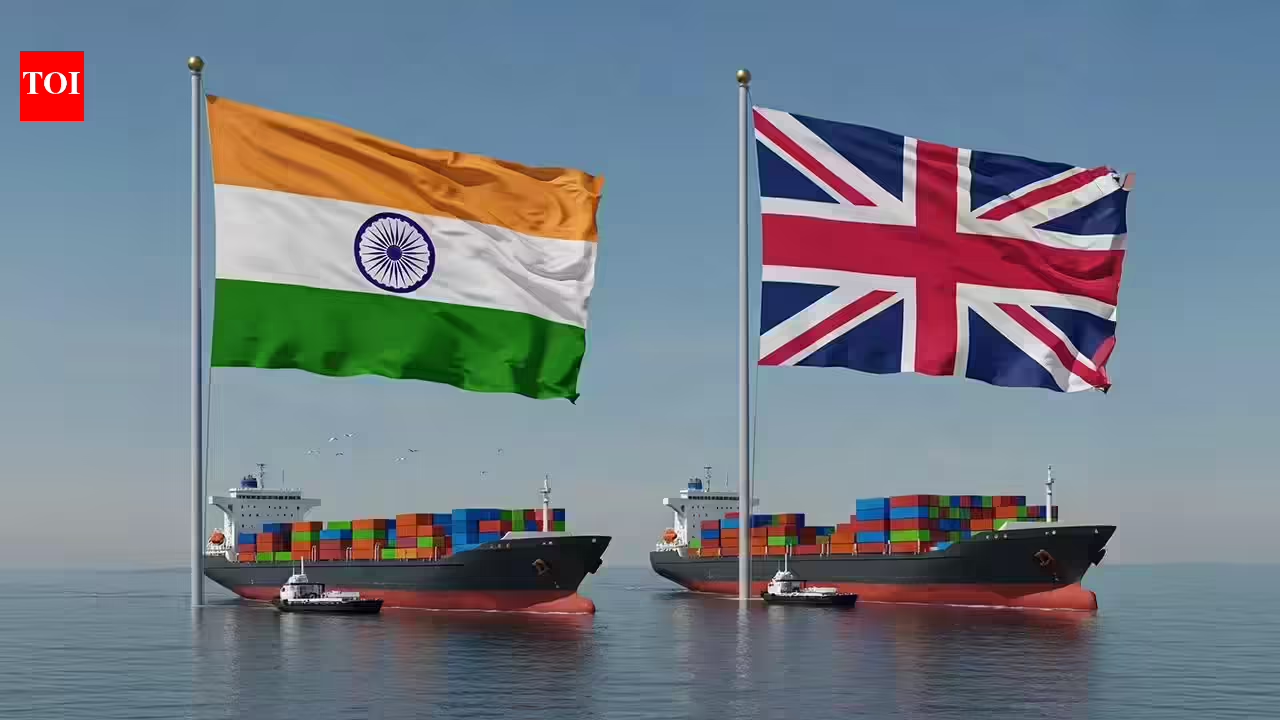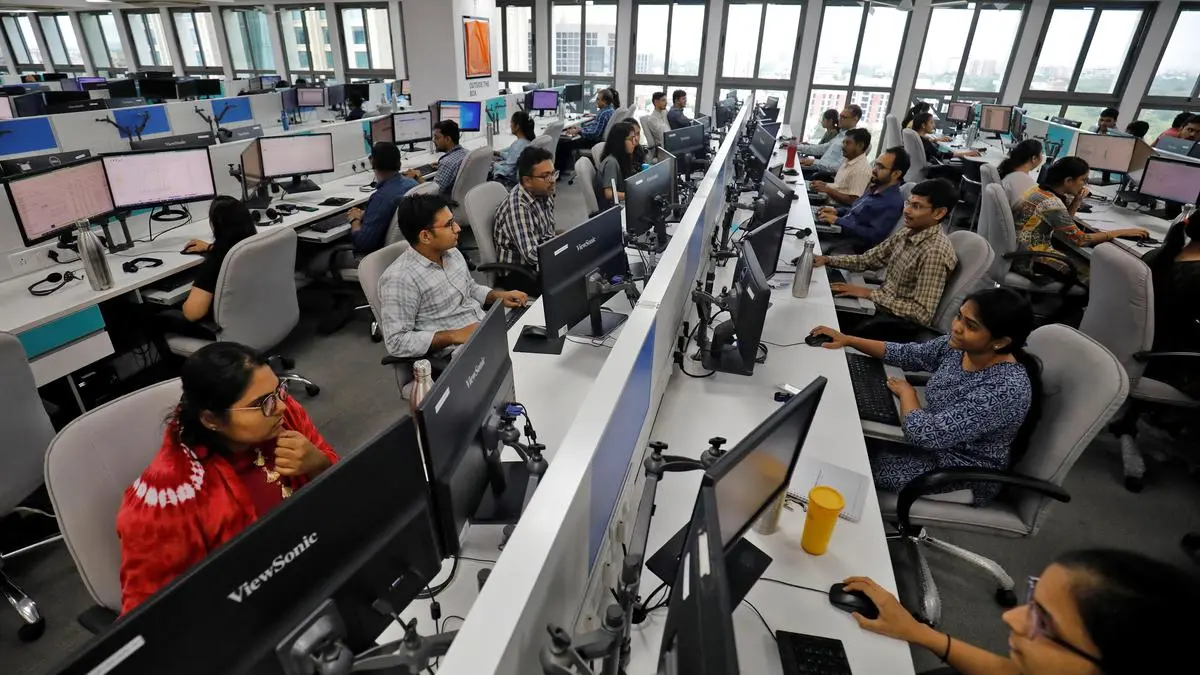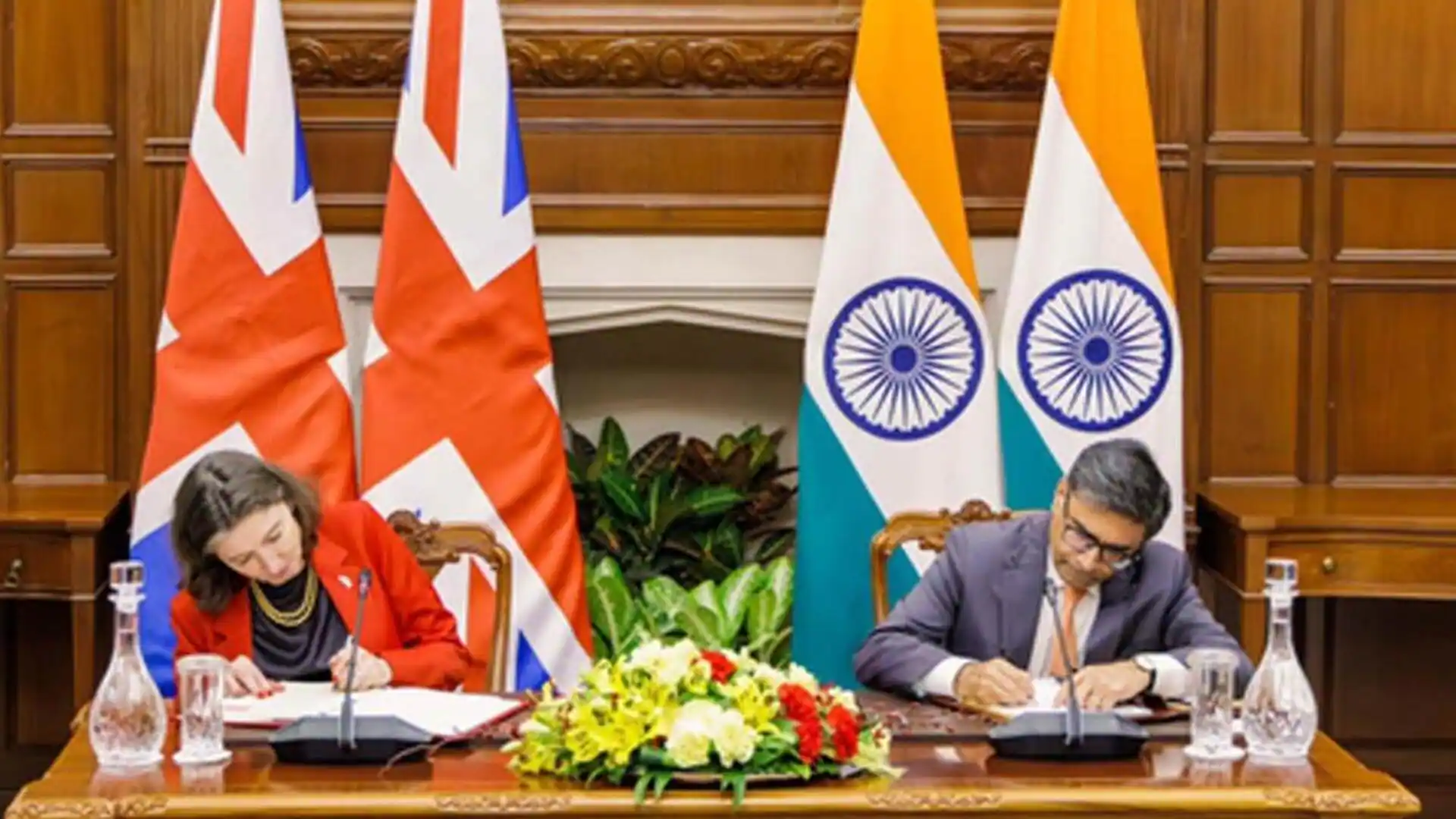
New Delhi: About 90-95% of Indian professionals employed by Indian companies in the UK would benefit from the social security agreement between India and the UK, an official said.Under the Double Contribution Convention (DCC) agreement, which comes into force July 15, employees temporarily transferred by companies from India to the UK will be exempt from making social security contributions in the host country for up to five years.Also read: India-UK free trade deal to take effect on July 15, opening 99% of exports to tariff-free accessThe official also said only $137 million, or 15%, of India’s $900 million steel exports to the UK would be subject to the upcoming safeguard measures, and that the two sides arrived at a deal on the key sticking point Wednesday morning. Market access for the remaining 85% has been secured through a mix of measures such as country-specific and residual quotas under the bilateral trade pact.The DCC will give a major boost to Indian IT companies as Indian-origin professionals currently contribute about $0.5 billion annually to the UK social security. More than 75,000 Indian professionals and over 900 companies are expected to benefit by the pact which ensures temporary workers don’t have to pay such contributions in both countries. The average annual salary of a professional in the UK is estimated to be £40,000-50,000, around 15% of which is paid towards social security contributions.Usually, a professional becomes eligible for social security benefits in the UK after around 10 years of service.“If an employer is contributing in India for the social security of the employee, they do not have to pay in the UK. For that, they have to share a certificate of coverage. It is for Indian companies and prospective in nature,” the official said.The exemption is not available for Indians working for other foreign companies in Britain.India's services exports to the UK were $21.6 billion in 2024, while imports were $13.7 billion. In FY24, goods exports to the UK were $12.9 billion and imports were $8.4 billion.Steel, CBAMThe UK's recent steel safeguard measures had become a major sticking point in implementing the Comprehensive Economic and Trade Agreement (CETA), which was signed on July 24, 2025 and is set to kick in on July 15.The safeguard measures, which will cut duty-free steel import quotas by 60% from July 1 , apply to all countries. Imports above the prescribed limits would be subject to 50% tariff from 25% now.“Overall, 188 items accounting for $137 million worth of steel exports from India to Britain were covered by these safeguard measures,” said an official.Apart from country-specific quotas, exporters can also access residual quotas, which are allocated on a first-come, first-served basis and are open to competition among supplying countries. Indian exporters will have access to the Authorised Use Scheme, which allows certain industries or businesses to import steel at reduced or zero duty, provided the material is strictly for an approved use.“As an outcome, India will not lose market access. India and the UK have struck a balanced outcome without impacting the agreement and processes did not have to be started again,” the official said.The official explained that some rebalancing was done to achieve an outcome without disturbing the agreement as it was already signed. This was different from the EU FTA, which was a live agreement and the negotiations were still ongoing to resolve issues related to steel.Over the next 28 days, the government will issue customs notifications and process details with the aim that exporters begin to sell to the UK immediately under the CETA.Also read: India to allow import of 3.78 lakh UK cars at concessional duty in first 15 years of trade pactIndia had flagged its concern over the proposed safeguards at the World Trade Organization in May, but the issue will be settled in light of what is finally agreed in the bilateral negotiations.On the Carbon Border Adjustment Mechanism, which is likely to start in 2027, the official said that it is not yet finalised and the CETA has pathways to include it later if required.“We have been engaged in the last two months to resolve the issues… the key issue holding us back was the steel measure,” the official said, adding that the final deal was drafted within the “realm of reality” with regards special carve-outs for six steel product categories including hot-rolled steel sheets and strips.
India-UK social security pact to benefit 90-95% of Indian pros working in Britain - The Economic Times
A new social security agreement between India and the UK will benefit nearly all Indian professionals working in Britain. This pact, effective July 15, exempts temporarily transferred employees from paying contributions in the UK for up to five years. Additionally, a deal on steel exports ensures market access for 85% of India's shipments, with only 15% subject to new measures.
726 words~3 min read