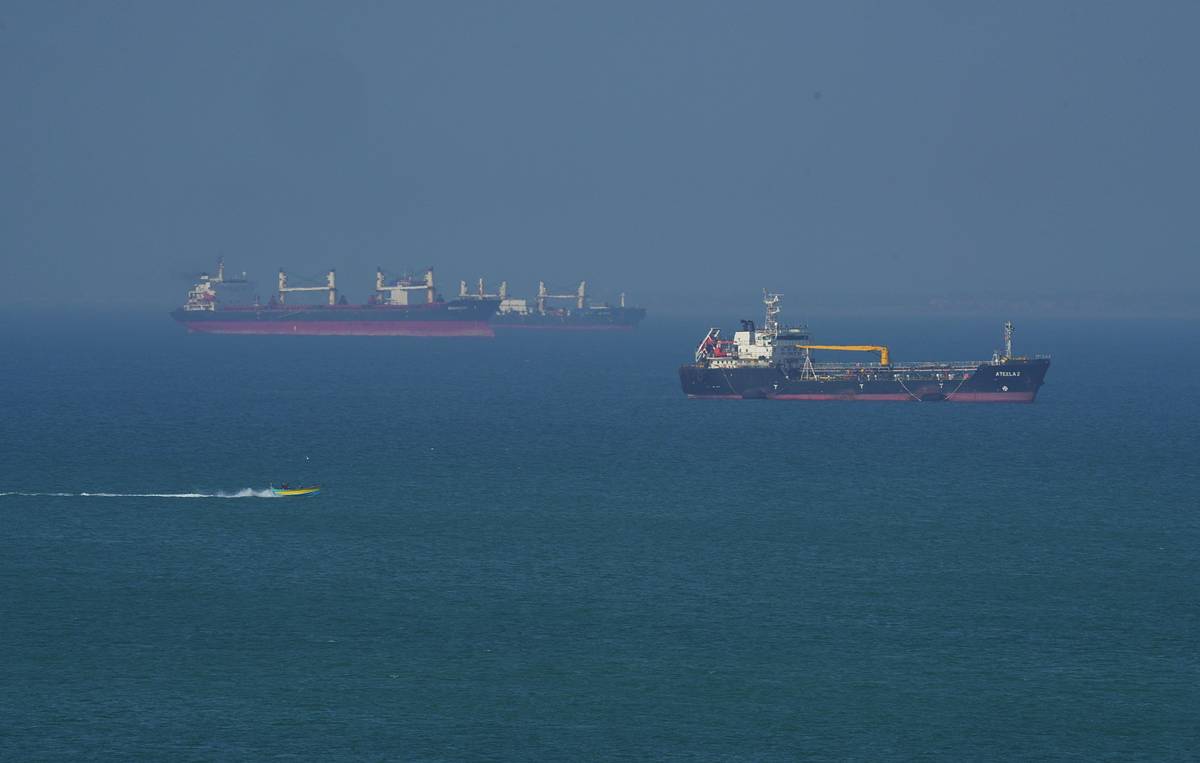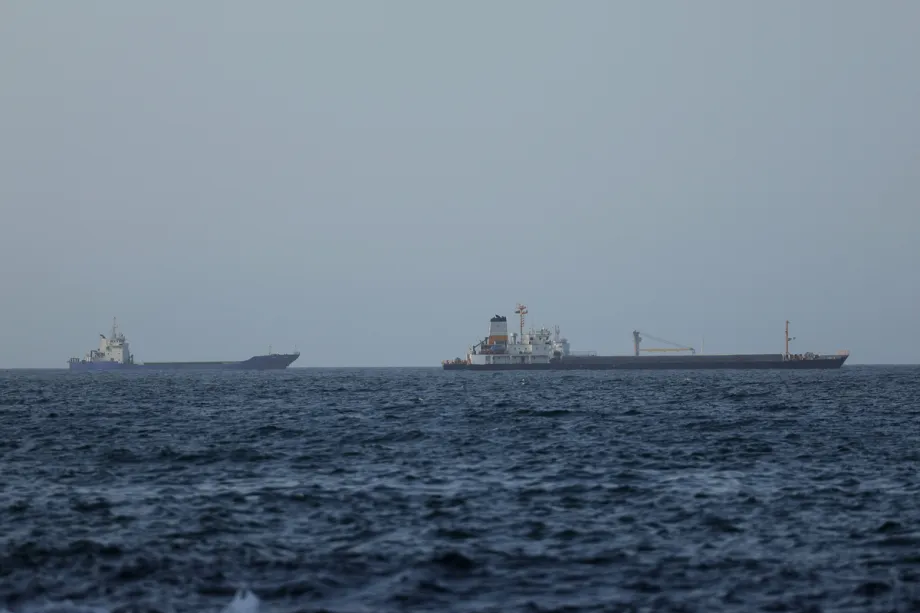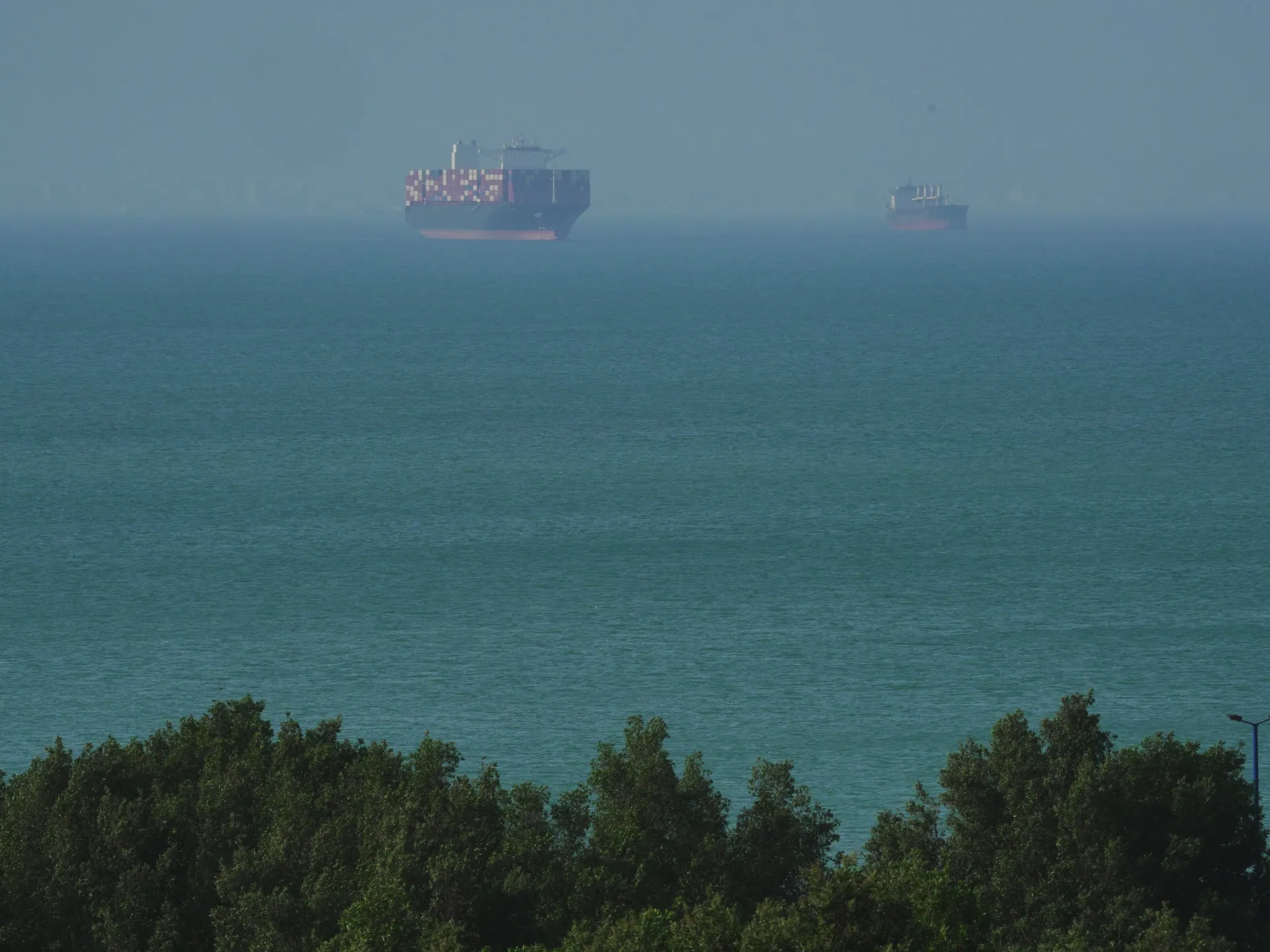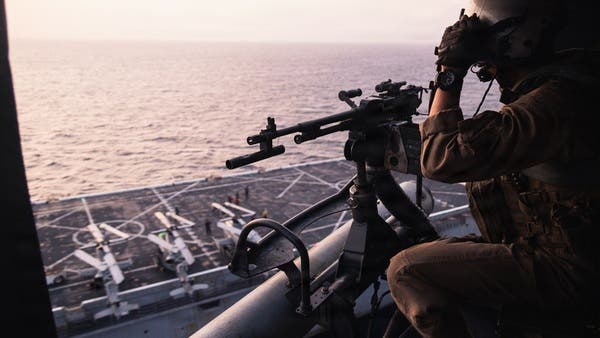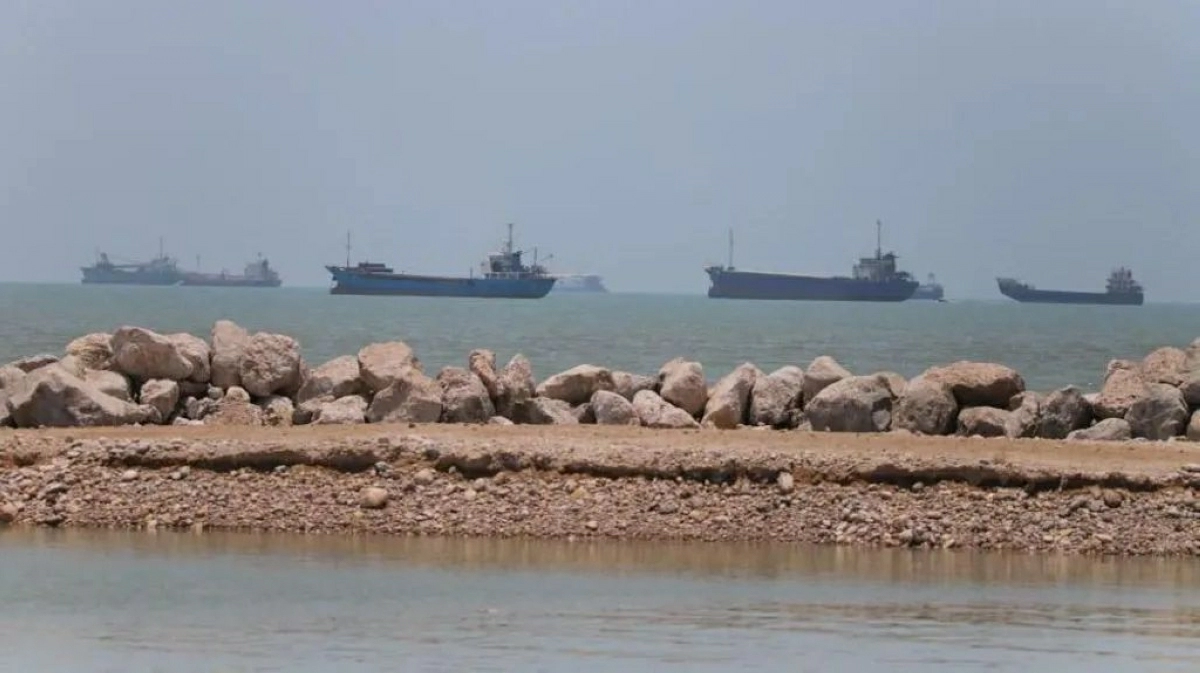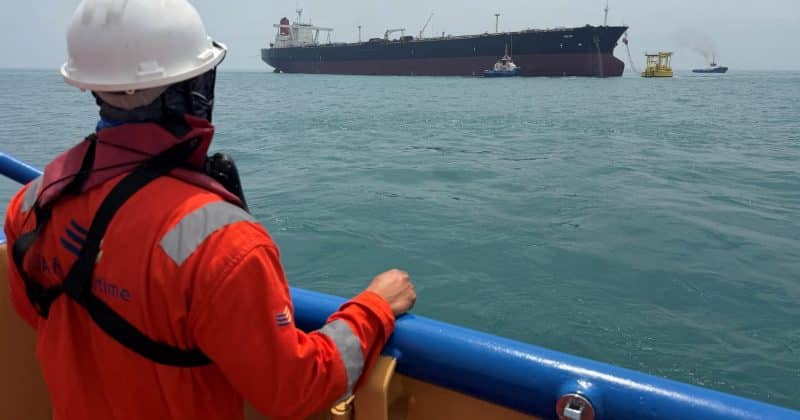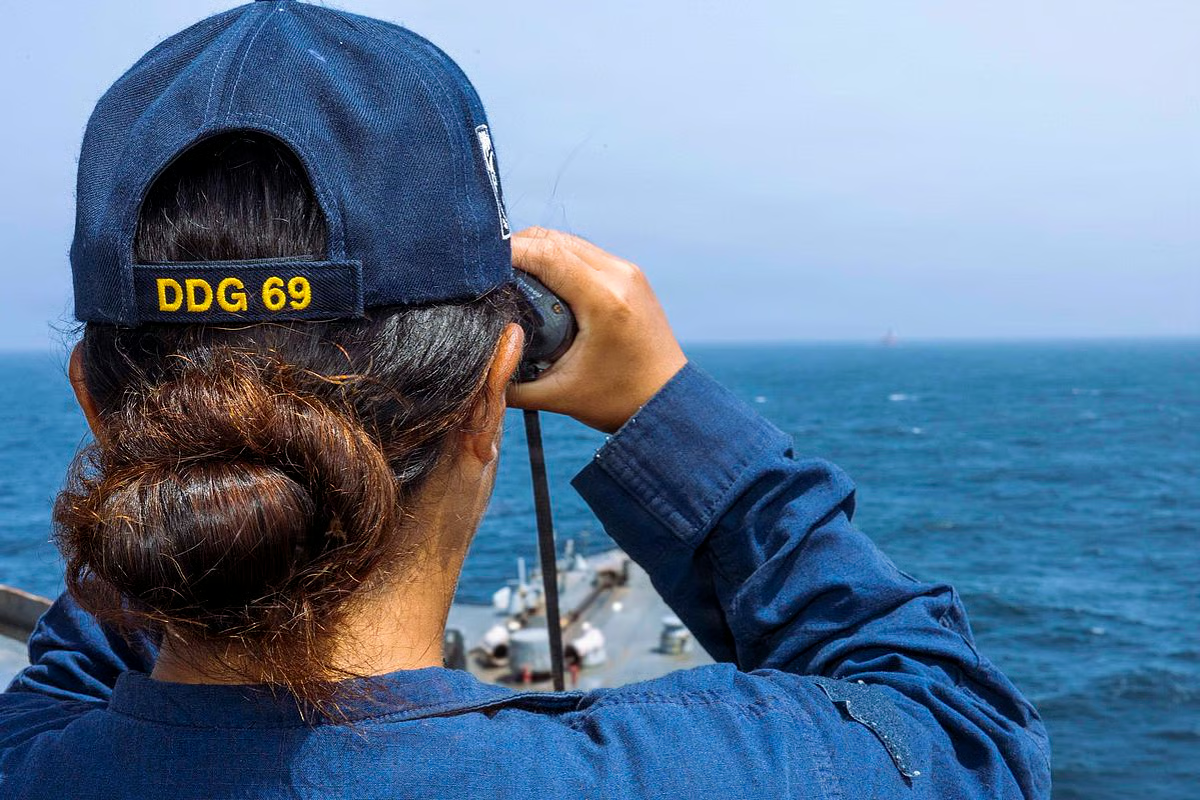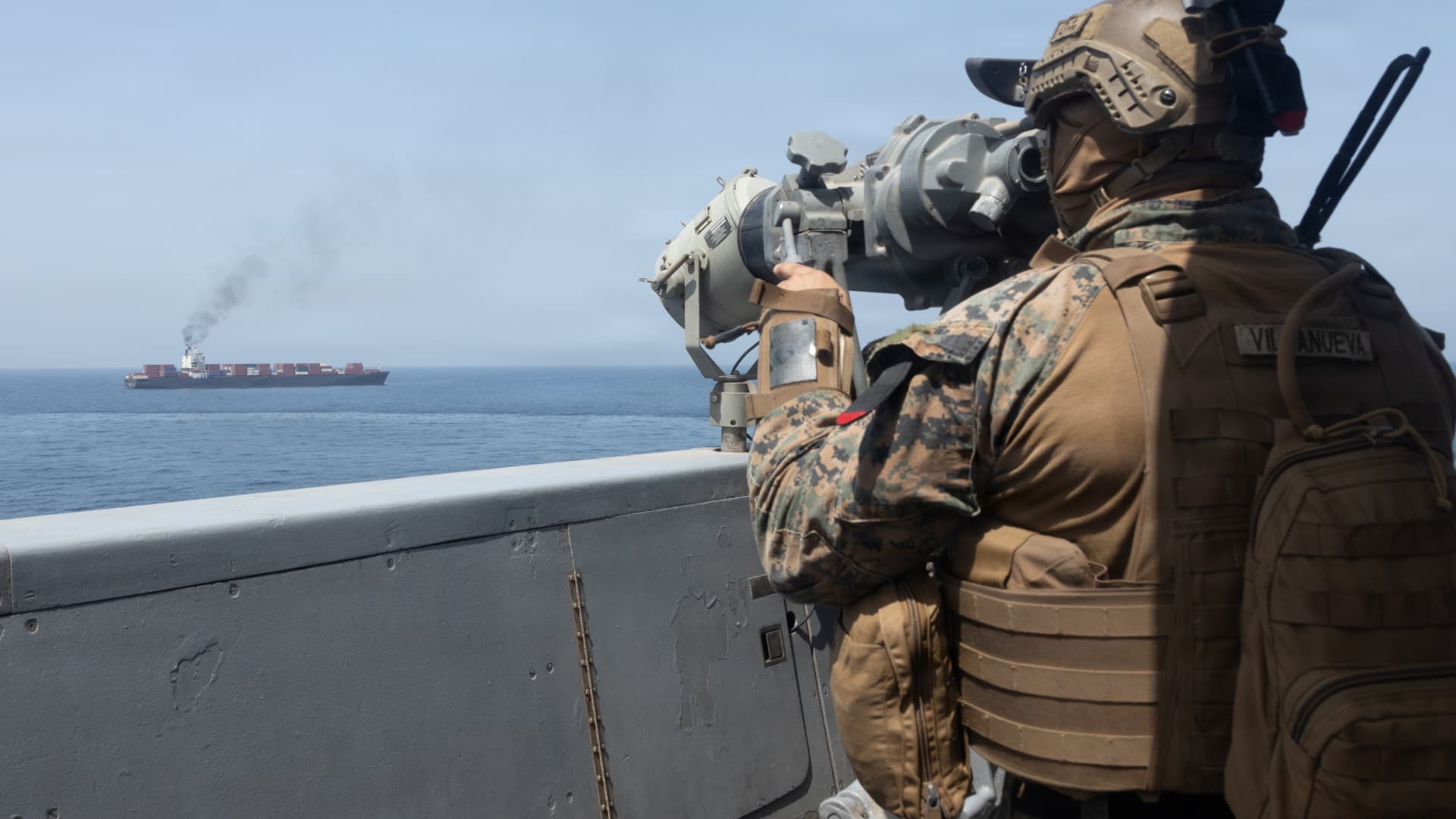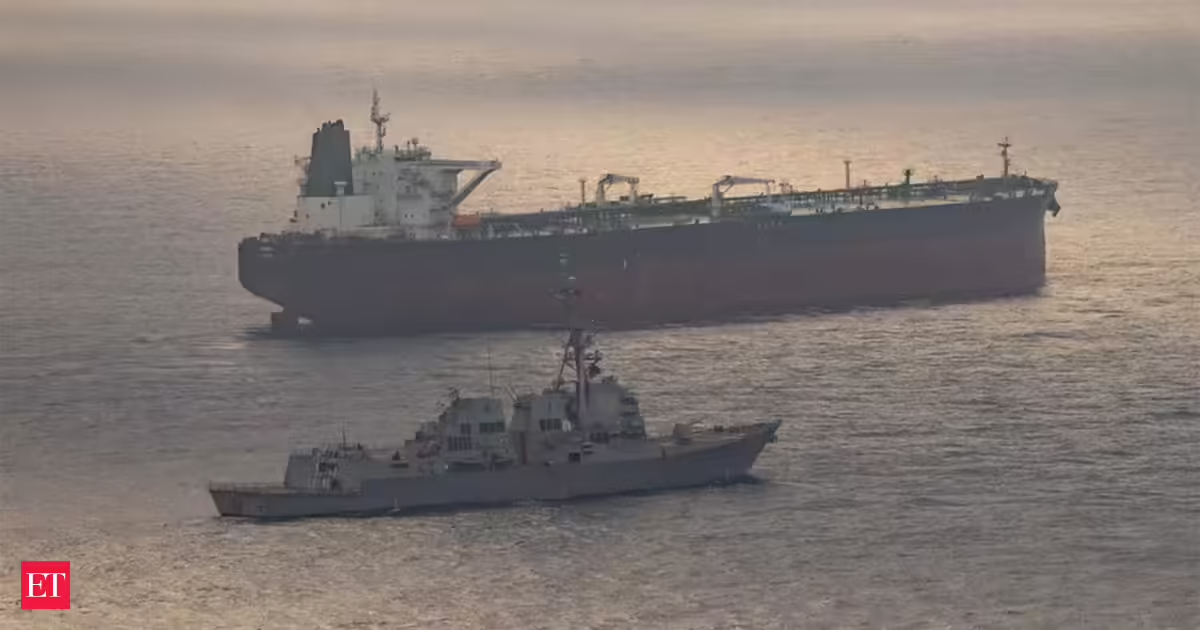
The United States military on Thursday lifted its naval blockade on all maritime traffic entering and exiting Iranian ports and coastal areas, US Central Command (CENTCOM) said, a day after Presidents Donald Trump and Masoud Pezeshkian signed the Islamabad Memorandum of Understanding to end the 110-day war."Today, US forces lifted the blockade on all maritime traffic entering and exiting Iranian ports and coastal areas, in accordance with the President's direction. American forces are not impeding the transit of vessels to or from Iranian ports. All US military blockade enforcement efforts have ceased," CENTCOM said in a post on X. It added that US naval ships would remain in the general area "to make sure that all aspects of the agreement are adhered to, obeyed and in full force and effect."Also read: Vance says 12.5 million barrels oil moved as Iran deal enters 60-day phaseThis comes after President Trump signed the memorandum at the Palace of Versailles in France during a dinner hosted by French President Emmanuel Macron, on the sidelines of the G7 summit. With Secretary of State Marco Rubio standing behind him, Trump paused before putting pen to paper. "This was not easy," he said. Photos released by IRNA showed Pezeshkian holding a document written in Farsi, with what appeared to be his and Trump's signatures at the bottom. On Sunday, the deal had been digitally signed by Vice President JD Vance and Iranian Parliament Speaker Mohammad-Bagher Ghalibaf. Pakistani Prime Minister Shehbaz Sharif confirmed it shall enter into force with immediate effect.Dozens of ships moving, 60-day clock has begunSpeaking at a White House briefing on Thursday, Vice President JD Vance confirmed that the US Navy had, as part of the agreement, allowed more than a dozen ships to pass through and that the greatest amount of oil since the war began is now flowing through the Strait of Hormuz.Vance also confirmed that the 60-day period under the MOU officially began on Thursday."On the military side, the Iranians, for the second night in a row, did not shoot at any ships in the Strait of Hormuz. So far they are honoring their end of the commitment," Vance said. "And on the blockade, CENTCOM has allowed north of a dozen ships to go through our naval blockade, and so we're also honoring our end of the early part of the agreement."On frozen Iranian assets and reconstruction funds, Vance was categorical. "You will hear things about $300 billion or $24 billion or this or that number of money or amount of money, and the simple fact is that the only way the Iranians get any of those resources — not a single penny, by the way, from the United States of America under any circumstances — but the only way that they would ever get any benefit of the bargain is if they comply fully and change their behavior," he said.Vance said the goal was to verify that Iran was meeting its promise not to enrich uranium and that it would allow inspectors "to destroy that highly enriched stockpile" of uranium.On the question of trust, Vance was blunt. "Words don't matter," he said, adding that Washington would be trusting "action and conduct."Vance also said the US maintained its position that international waterways should be free of tolls, and that any final agreement must ensure the Strait of Hormuz is never again used as a choke point for the global economy. "We don't ever want this to happen again," he said.Oil moving, but Iran says IRGC coordination requiredThree supertankers sailing under the flag of Saudi Arabia and carrying six million barrels of crude oil sailed through the Strait of Hormuz hours after the MOU was signed, according to ship tracking data, the biggest departures through the strait in weeks, per Reuters analysis.However, Iranian state television said the transit of vessels through the Strait of Hormuz still needed to be done in coordination with the Islamic Revolutionary Guard Corps (IRGC) navy.Also read: What sanctions are there on Iran and will they be lifted?Iran's foreign ministry also warned that Israel's continued presence in southern Lebanon would amount to the "annulment" of Tehran's memorandum of understanding with the United States.The US naval blockade on Iranian ports had been in effect from April 13, interdicting ships seeking to access Iranian ports. It was imposed after Iran closed the Strait of Hormuz on March 4 in retaliation for the US-Israel strikes on February 28 that killed Supreme Leader Ali Khamenei and triggered the war. Before the conflict, around 20% of global petroleum and 20% of LNG traversed the strait each year.The 14-point deal provides for a 60-day ceasefire extension, Hormuz reopening, US sanctions waiver on Iranian oil sales, and a second phase of negotiations on Iran's nuclear programme.Trump has said he could resume military strikes if a final deal is not reached within 60 days.
'All US blockade enforcement efforts have ceased': Centcom lifts blockade on ships to, from Iranian ports
Big news out of the Middle East! The US has officially lifted its blockade on ships going to and from Iranian ports. Central Command confirmed this major development, signaling a significant shift in maritime operations and potentially easing tensions in the region. This move could have wide-ranging implications for international trade and diplomatic relations.
807 words~4 min read