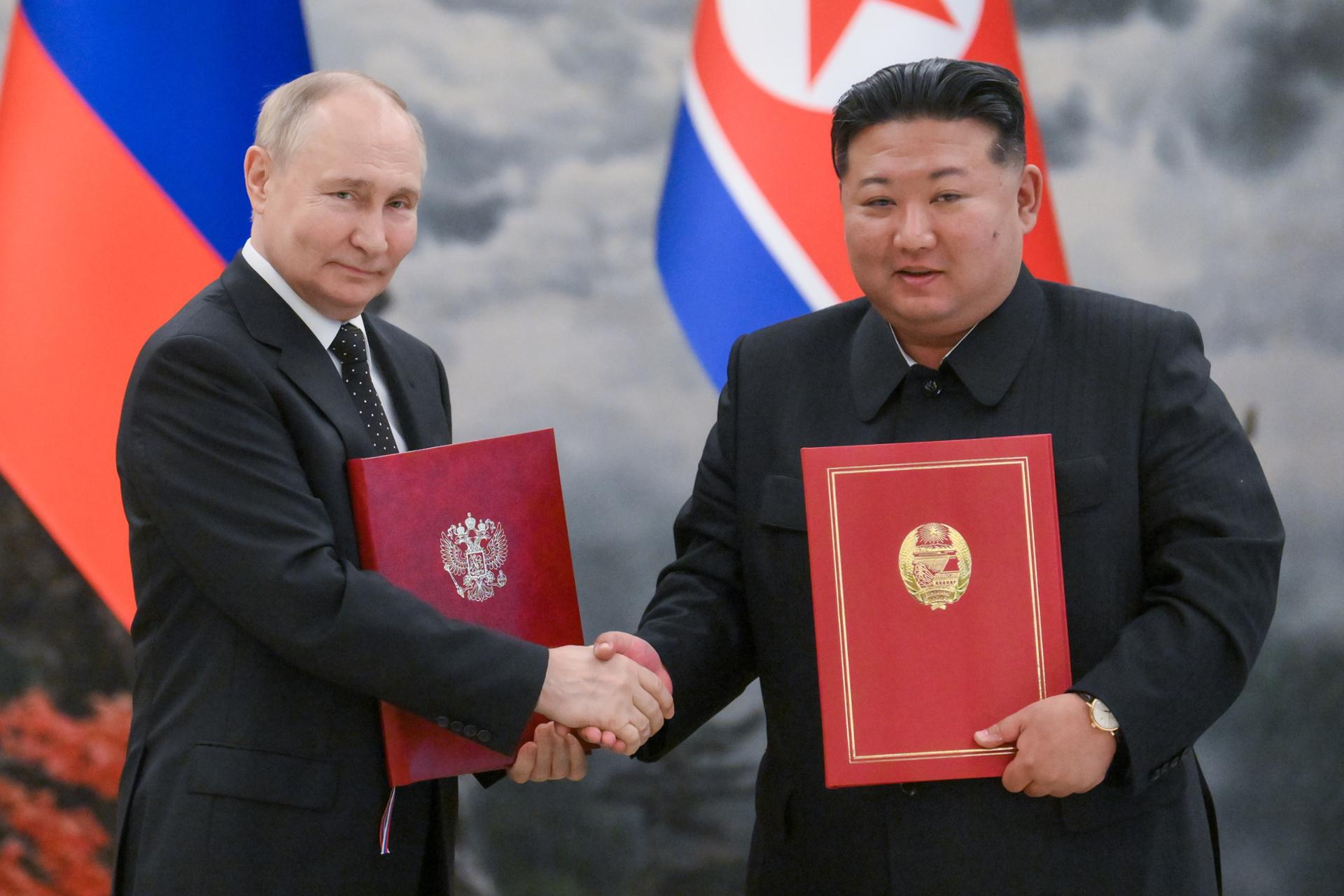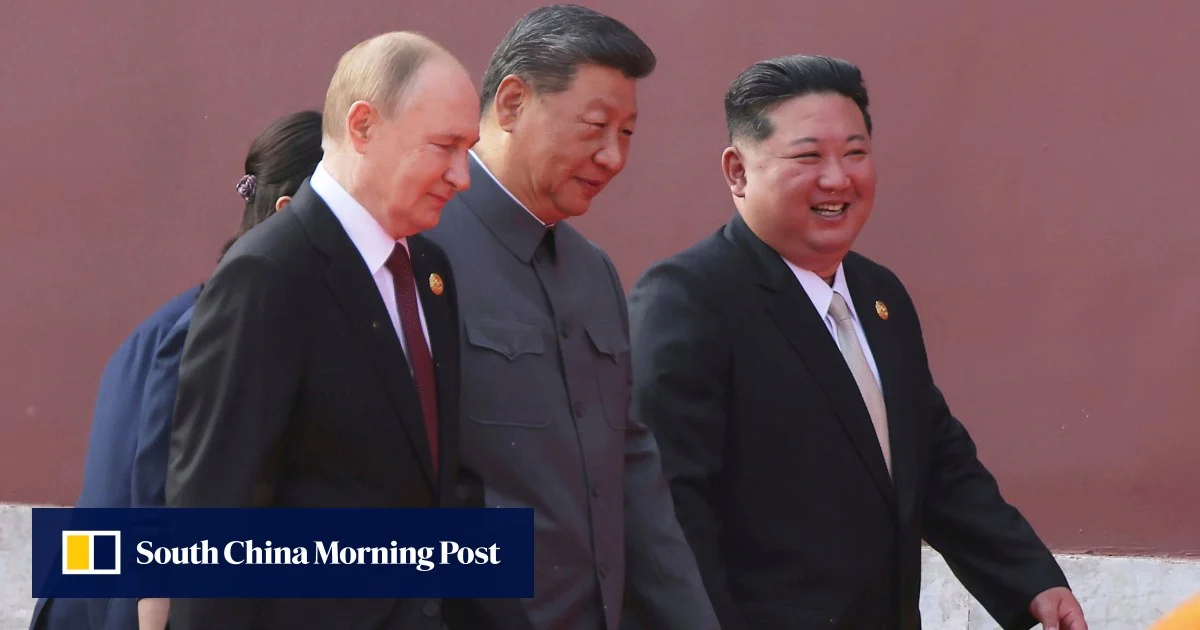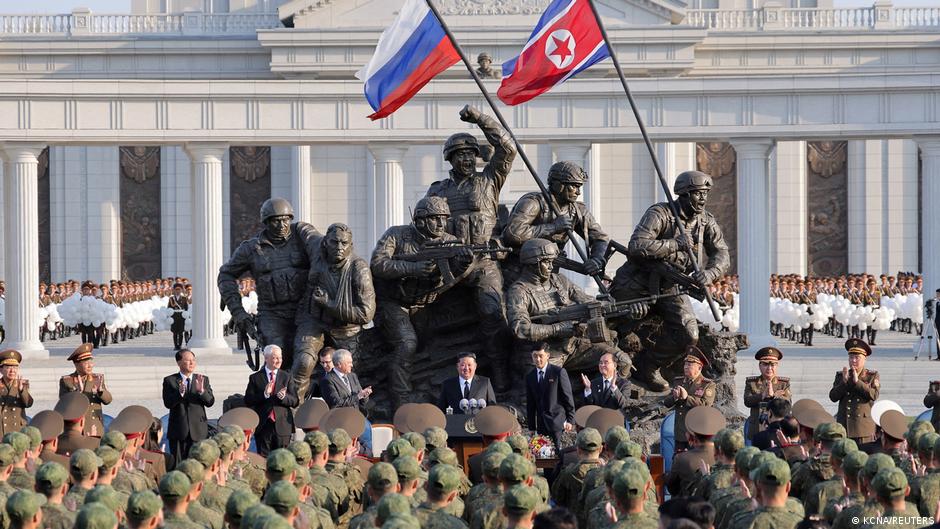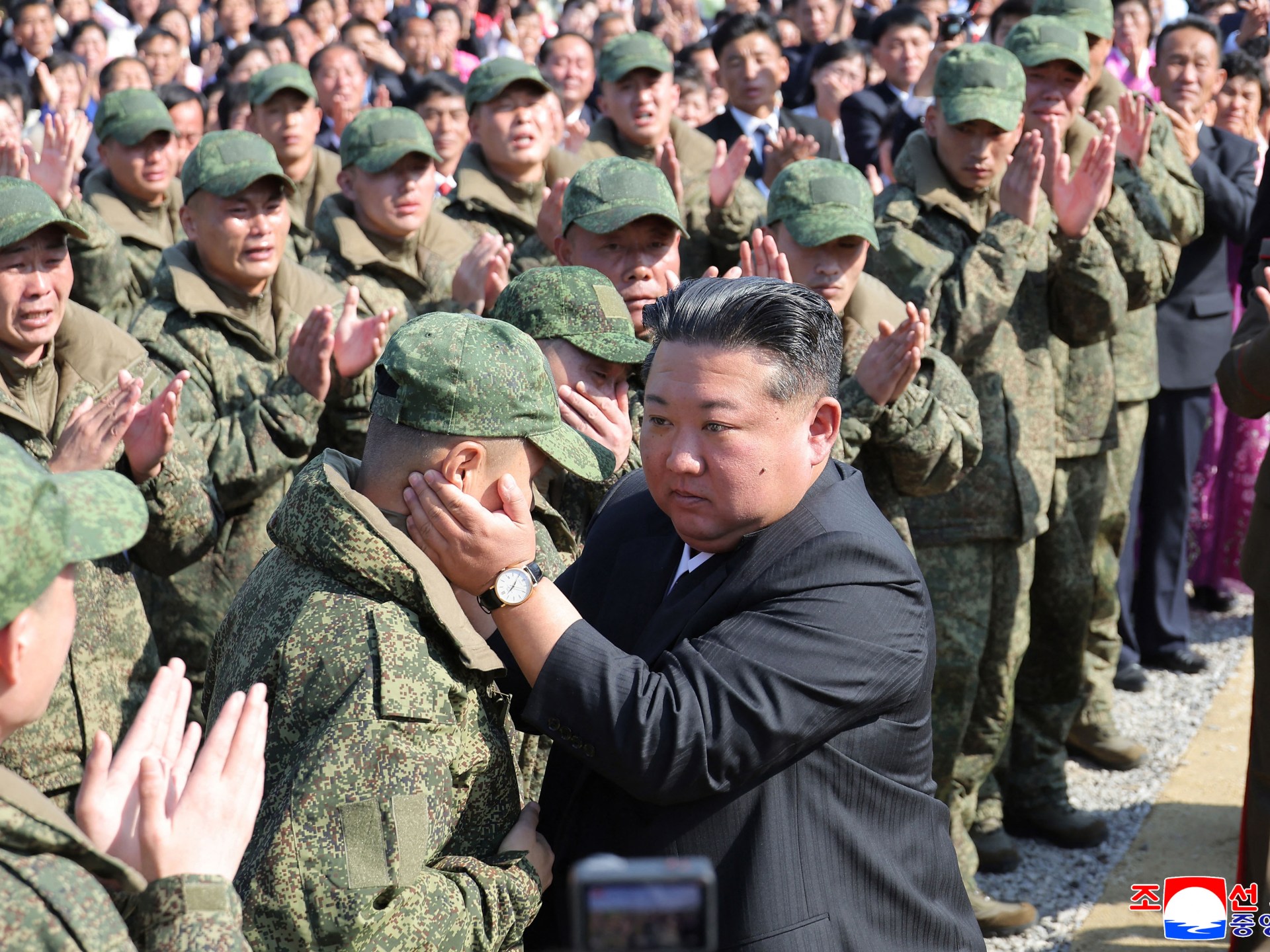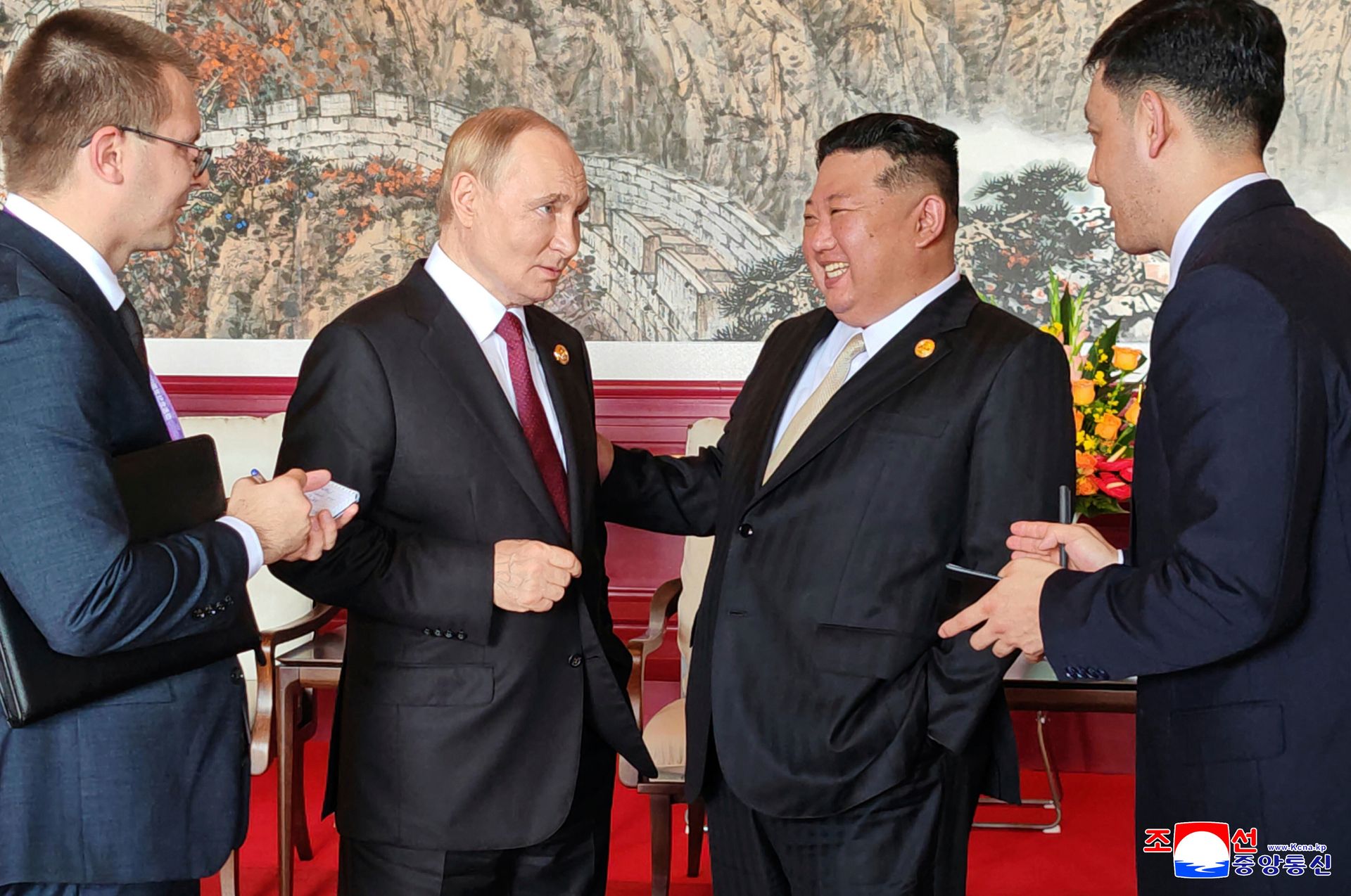
North Korean leader Kim Jong Un (R) and Russian President Vladimir Putin (L) talk in Beijing, China, on Sept. 3, 2025, in this photo provided by the North Korean government. Independent journalists were not given access to cover the event, and the content of this image cannot be independently verified. (Korean Central News Agency / Korea News Service / AP)June 19 marks two years since Vladimir Putin and Kim Jong Un signed a mutual defense treaty in Pyongyang, bringing Russia and the Democratic People's Republic of Korea (DPRK, or North Korea) into their closest alignment since the collapse of the Soviet Union.In the two years since, DPRK troops have fought alongside Russian forces in the war against Ukraine. North Korean missiles have struck Ukrainian cities, and millions of exported artillery shells have helped fuel Russia's war machine. In return, Moscow has provided Pyongyang with economic support, diplomatic backing, and military cooperation, helping transform it from a pariah state into a more prominent international player.The Treaty on Comprehensive Strategic Partnership commits each side to come to the other's defense "with all means in its possession" if it is attacked. Experts argue that the calculation behind it was practical for both governments. "The relationship is transactional," said Anar Shaikenova, director of the DPRK Strategic Research Center at KIMEP University in Kazakhstan.Russia needed an ally, weapons, and men to keep fighting; North Korea needed money, technology, and a way out of isolation. The exchange has proven lucrative for both governments, though in very different ways.Russia's side of bargainFor Moscow, the partnership has delivered three valuable assets as its war in Ukraine drags on: ammunition, manpower, and a strategic partner that advances the Kremlin's broader geopolitical objectives.With North Korea's help, Russia increased its artillery edge over Ukraine. In 2025, Kyrylo Budanov — then head of Ukraine's military intelligence (HUR), now head of the President's Office — said that up to 40% of the ammunition used by Russian forces in Ukraine originated from North Korea.The scale of the transfers has been vast. A joint investigation by an independent Russian publication in exile, Important Stories, and the U.K.-based nonprofit Open Source Center identified four Russian cargo ships that made at least 112 voyages to North Korea over the last two and a half years, transporting an estimated 8 million to 11 million artillery rounds, primarily 122mm and 152mm shells."This allowed Russia to cover up to half or more of its artillery expenditure at the front, significantly reducing its dependence on domestic production and offsetting the effects of sanctions," said Dmytro Zhmailo, executive director of the Ukrainian Security and Cooperation Center.As a result, he added, Russian forces were able to maintain a higher volume of artillery fire along parts of the front line.The volume of shipments appears to have declined in recent months, though transfers have continued.North Korea has also supplied Russia with KN-23 short-range ballistic missiles, which Moscow uses to strike at Ukrainian civilians. While early versions often veered off course or failed in flight, Russian and North Korean specialists gradually improved the missiles' performance, according to Budanov. The latest variants can now strike targets within 50 to 100 meters."This has placed an additional burden on Ukraine's air defense system, as intercepting such targets requires expensive and limited resources, particularly systems such as the Patriot," Zhmailo says.With only a small number of Patriot batteries available and a critical shortage of interceptor missiles, Ukraine faces growing difficulty defending against ballistic threats.The partnership's most dramatic development is the deployment of North Korean soldiers in the war against Ukraine.Beginning in October 2024, the DPRK sent an estimated 14,000 to 15,000 troops to Russia, most drawn from the 11th Corps of the Korean People's Army, an elite special operations formation known as the Storm Corps.They were sent to Russia's Kursk Oblast, where Ukrainian forces had seized territory in a surprise offensive months earlier. Thrown into "human wave" frontal assaults, North Korean soldiers helped Russian troops retake the ground, though at a high cost.By early 2026, South Korean intelligence agencies estimated that roughly 6,000 North Korean soldiers — more than a third of those deployed — had been killed or wounded fighting in Russia.These losses were Russia's gain.A North Korean POW captured by Ukrainian forces during hostilities in Russia's Kursk Oblast. Photo published on Jan. 11, 2025. (President Volodymyr Zelensky/Telegram)"Their use as assault infantry allowed the Russian command to reduce losses among its own population and postpone new waves of mobilization," Zhmailo says.Beyond its immediate wartime benefits, the partnership aligns with Putin's broader foreign policy ambitions. As the Kremlin grows more hostile to what it sees as expanding U.S. influence in the Indo-Pacific, North Korea has become a valuable ally. Analysts argue that supporting a nuclear-armed state on the Korean Peninsula offers Moscow another avenue to project influence in the Indo-Pacific and to challenge Washington's strategic position in the region.North Korea's side of bargainFor Pyongyang, the partnership has delivered something it has sought for decades: a path out of isolation.One of the clearest symbols of that transformation came in September 2025, when Kim Jong Un stood alongside Xi Jinping and Vladimir Putin at a military parade in Beijing marking the 80th anniversary of the end of World War II. For a leader whose country had spent years under international isolation, the image was profound.
'Unprecedented' earnings: 2 years on from Russia-North Korea pact, here's what Putin, Kim have gained
June 19 marks two years since Vladimir Putin and Kim Jong Un signed a mutual defense treaty in Pyongyang, bringing Russia and the Democratic People's Republic of Korea (DPRK, or North Korea) into their closest alignment since the collapse of the Soviet Union. In the two years since, DPRK troops have fought alongside Russian forces in the war against Ukraine. North Korean missiles have struck Ukrainian cities, and millions of exported artillery shells have helped fuel Russia's war machine. In re
1,894 words~9 min read