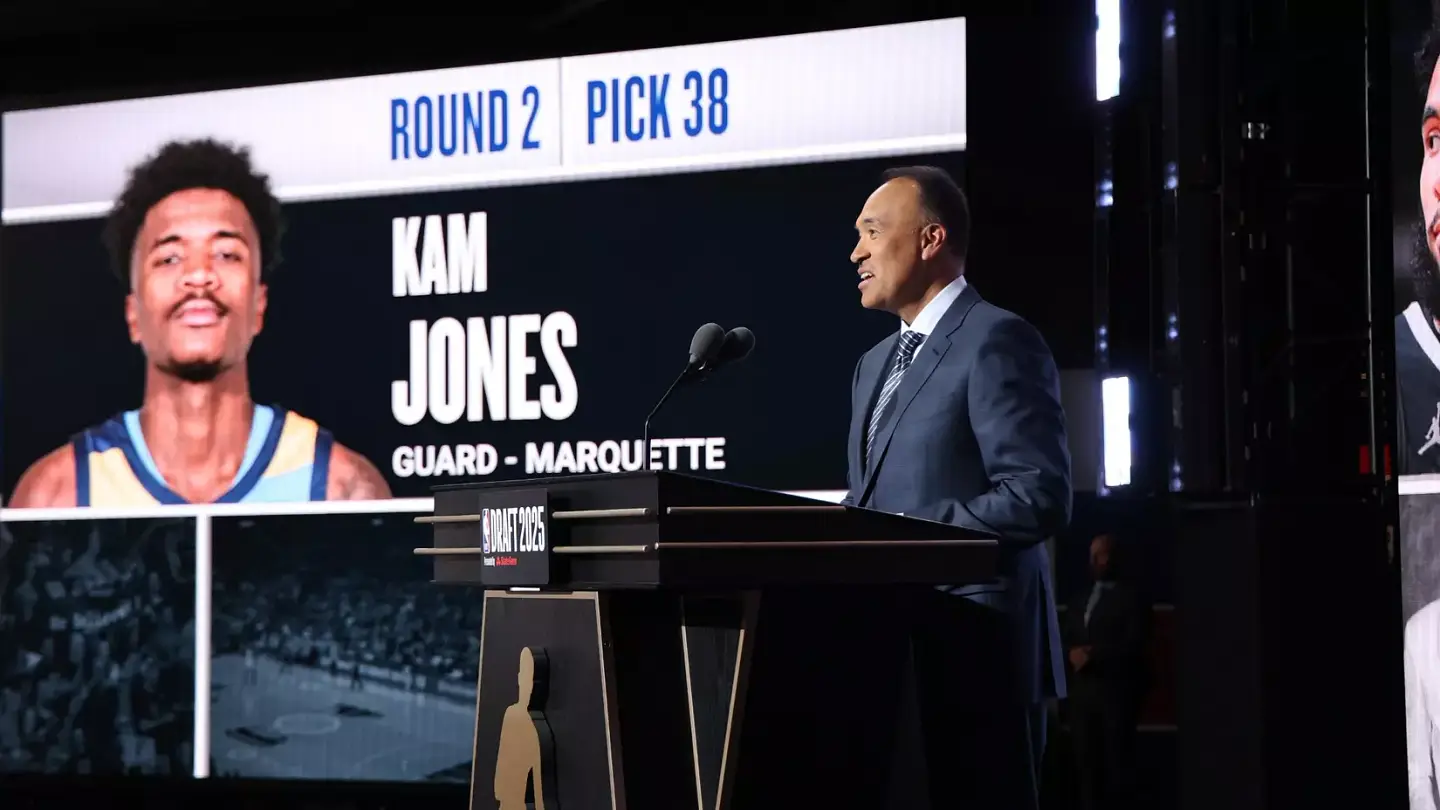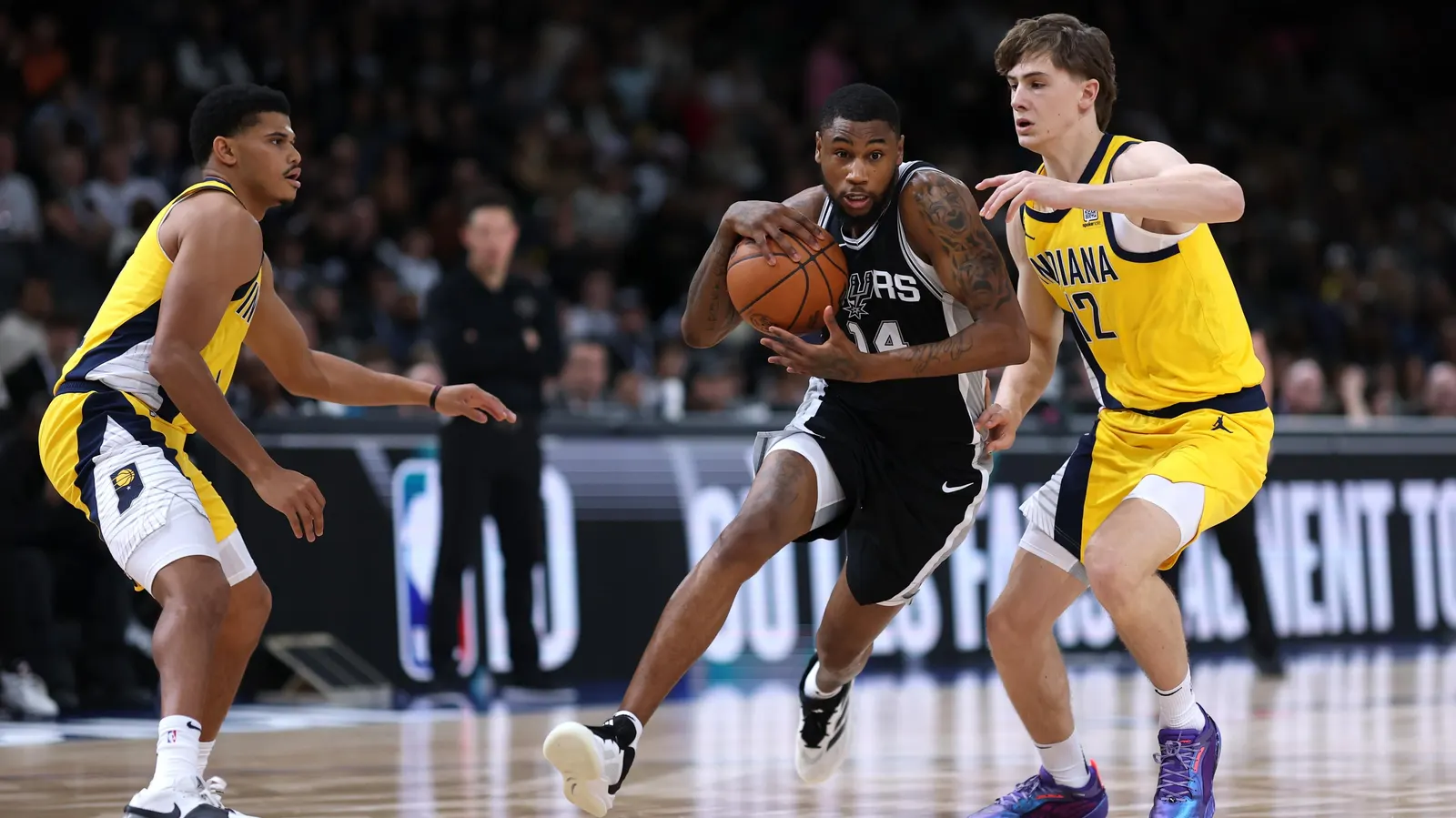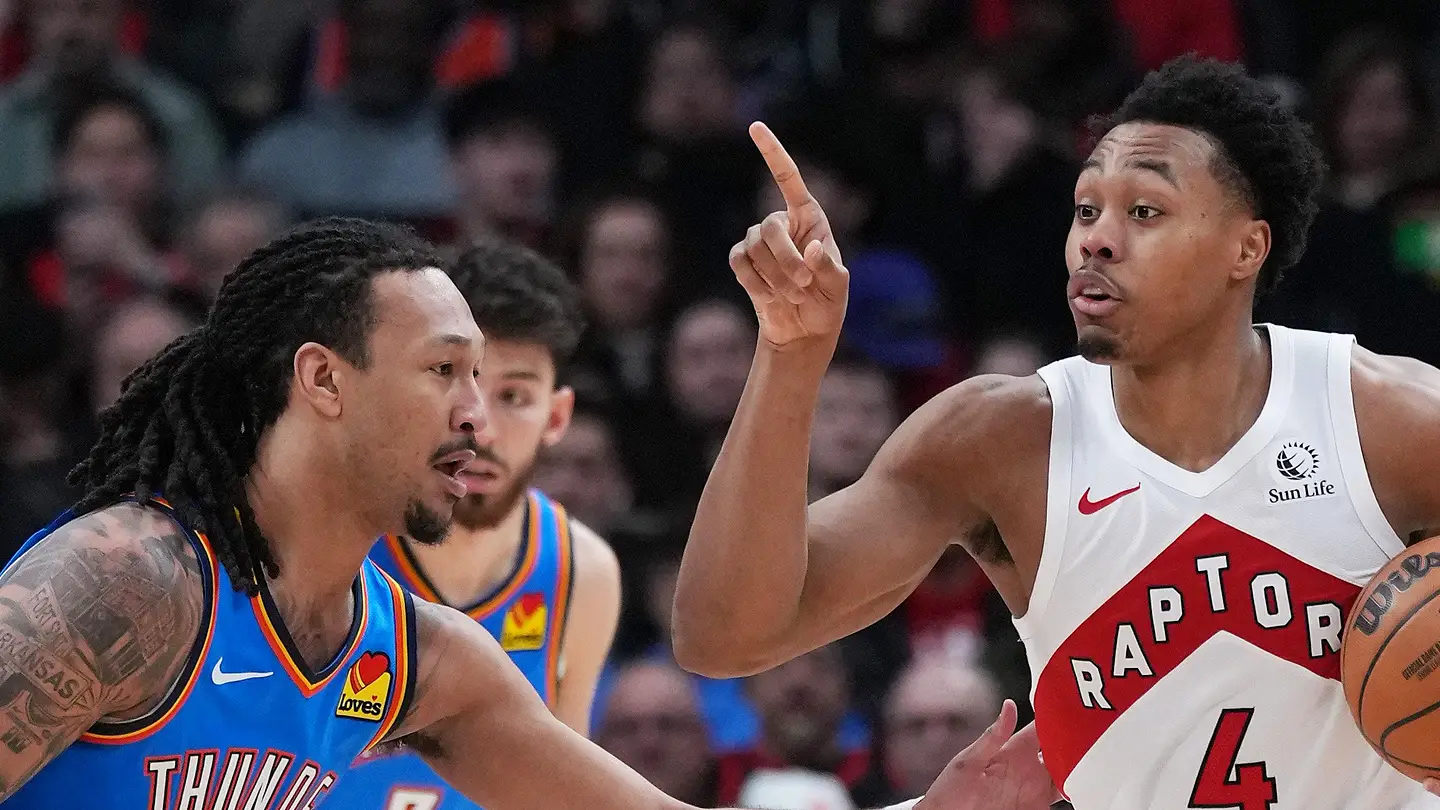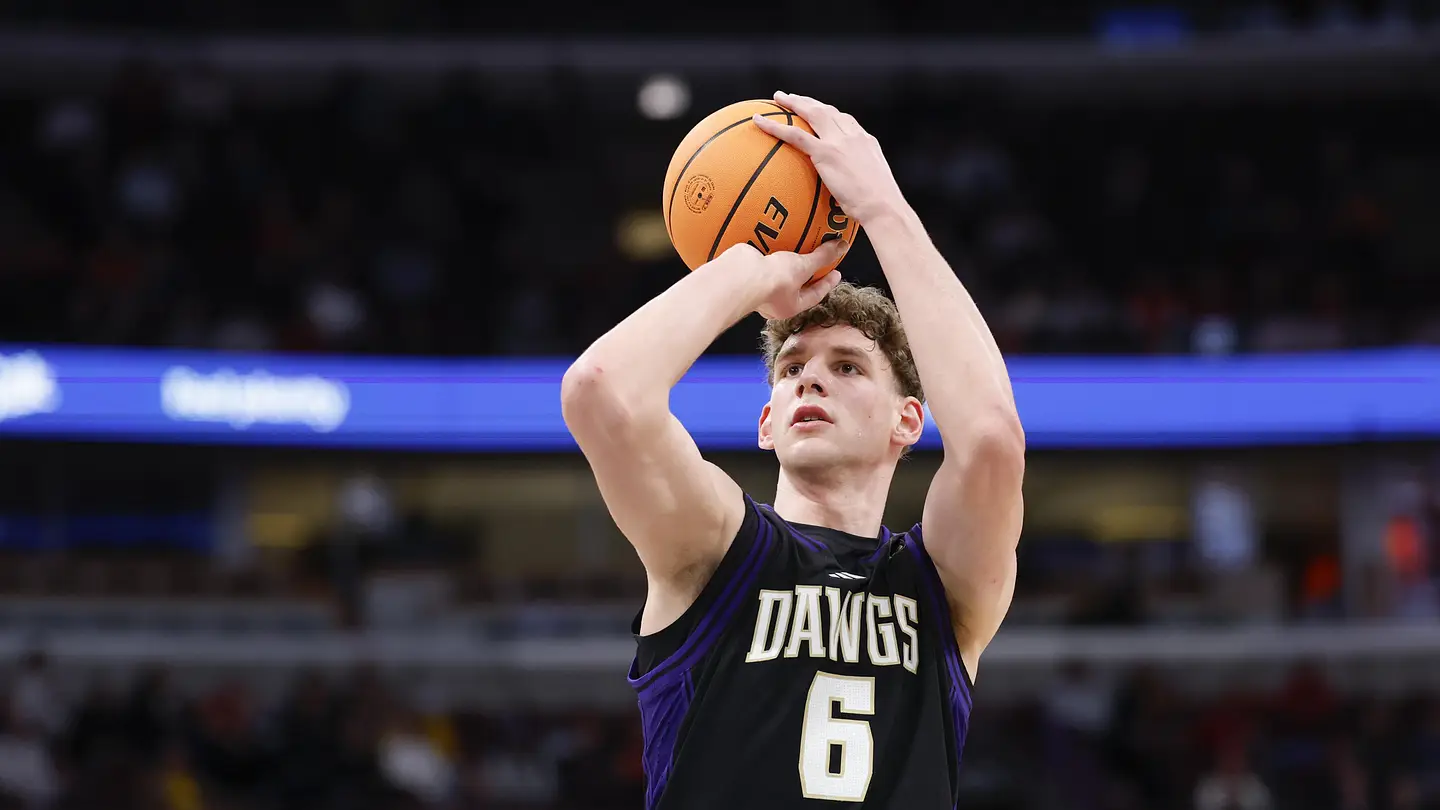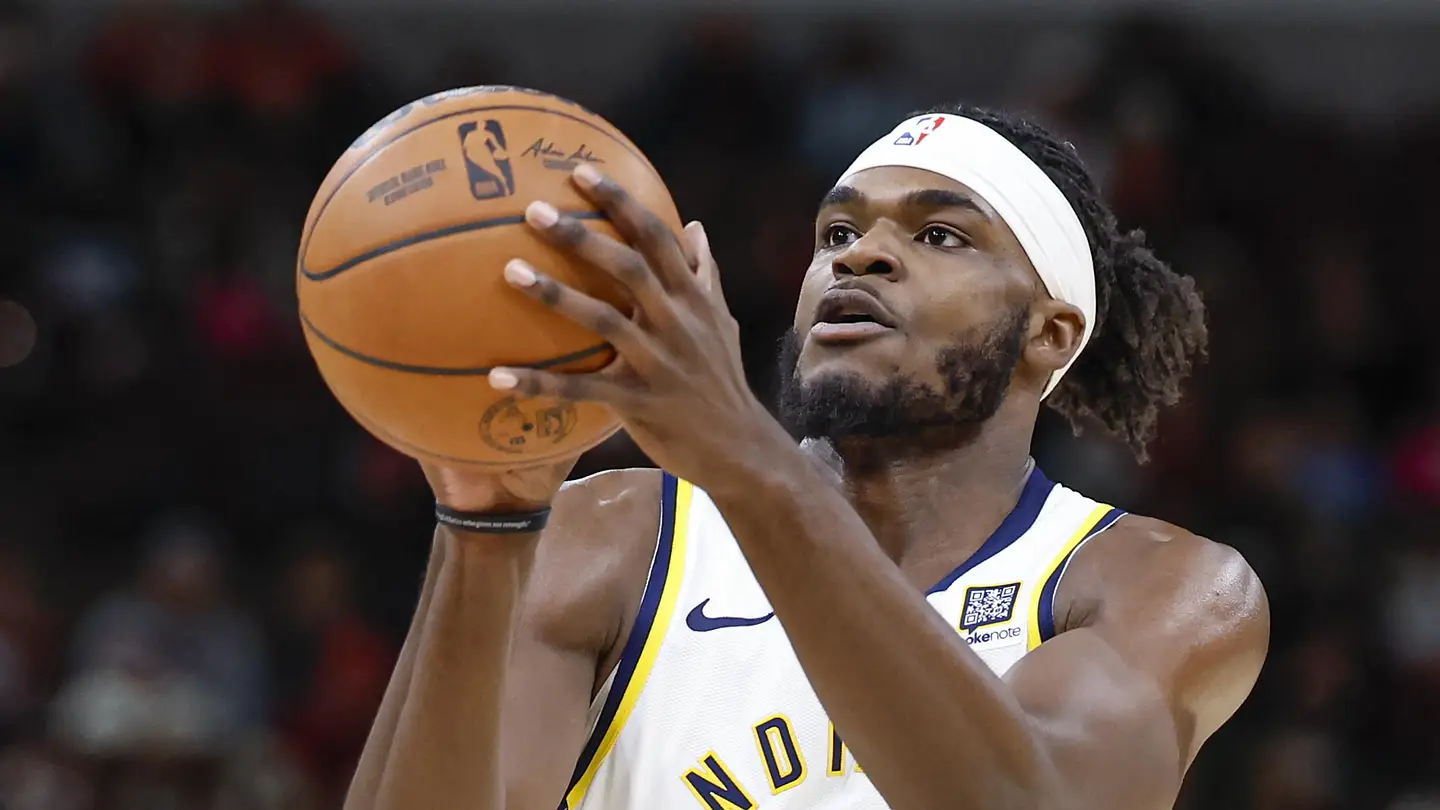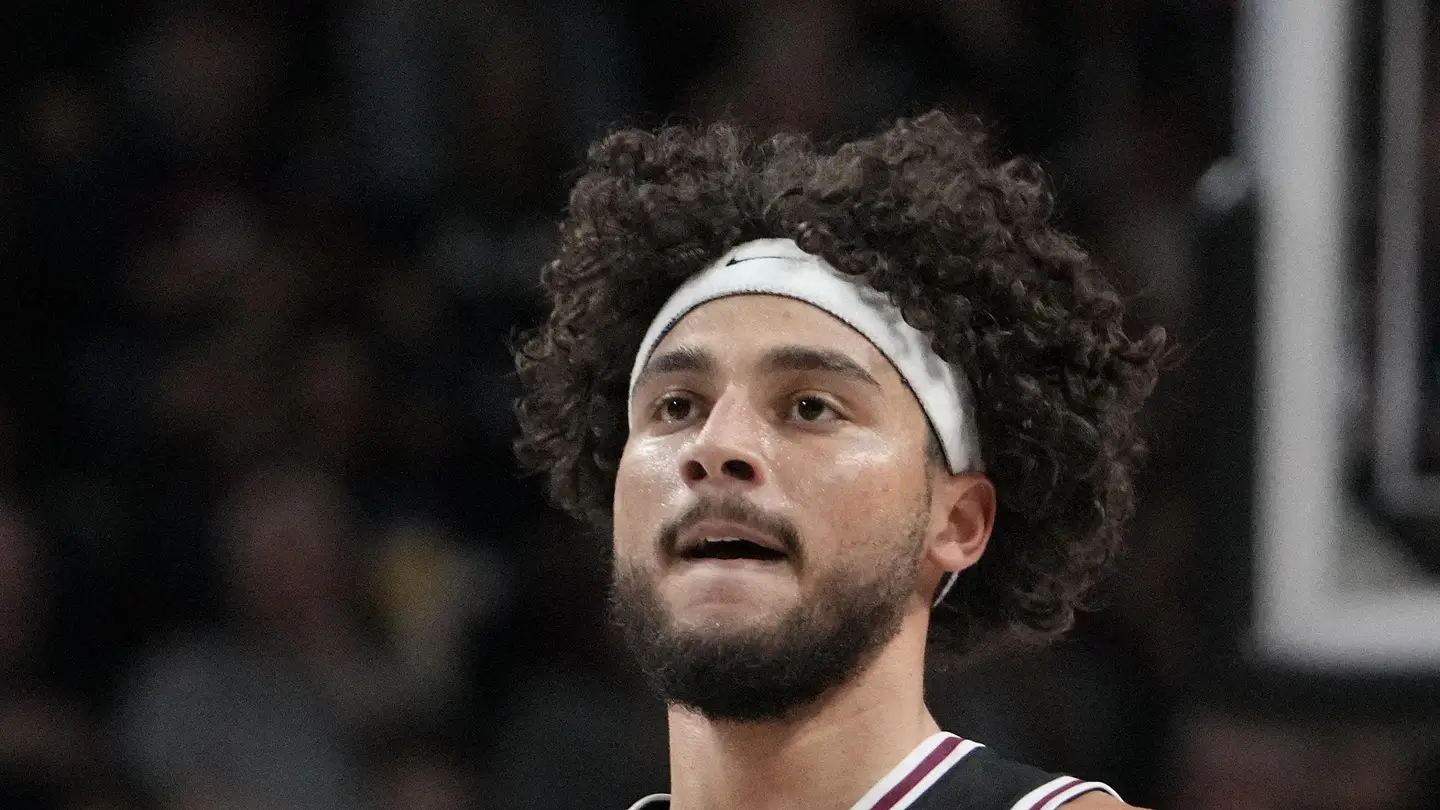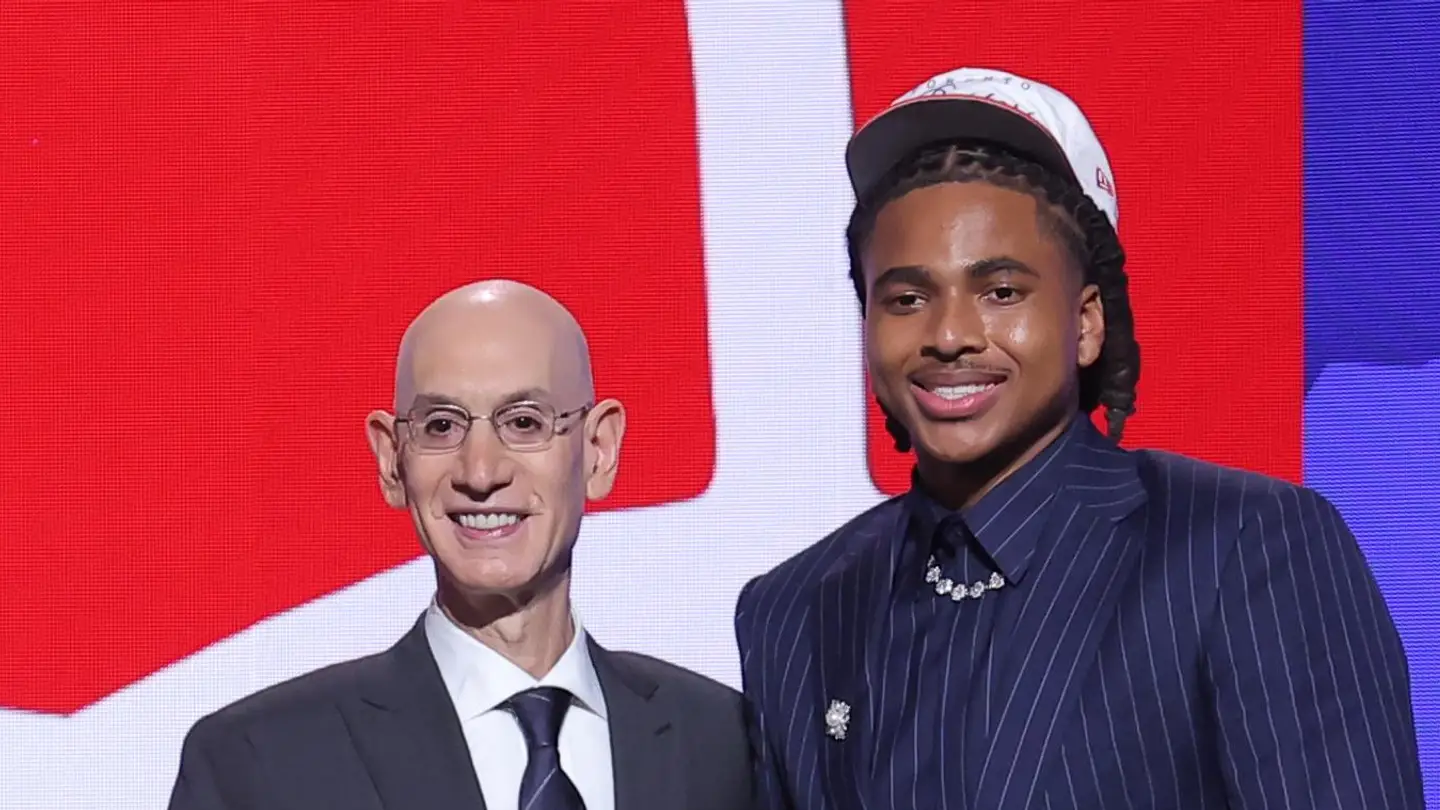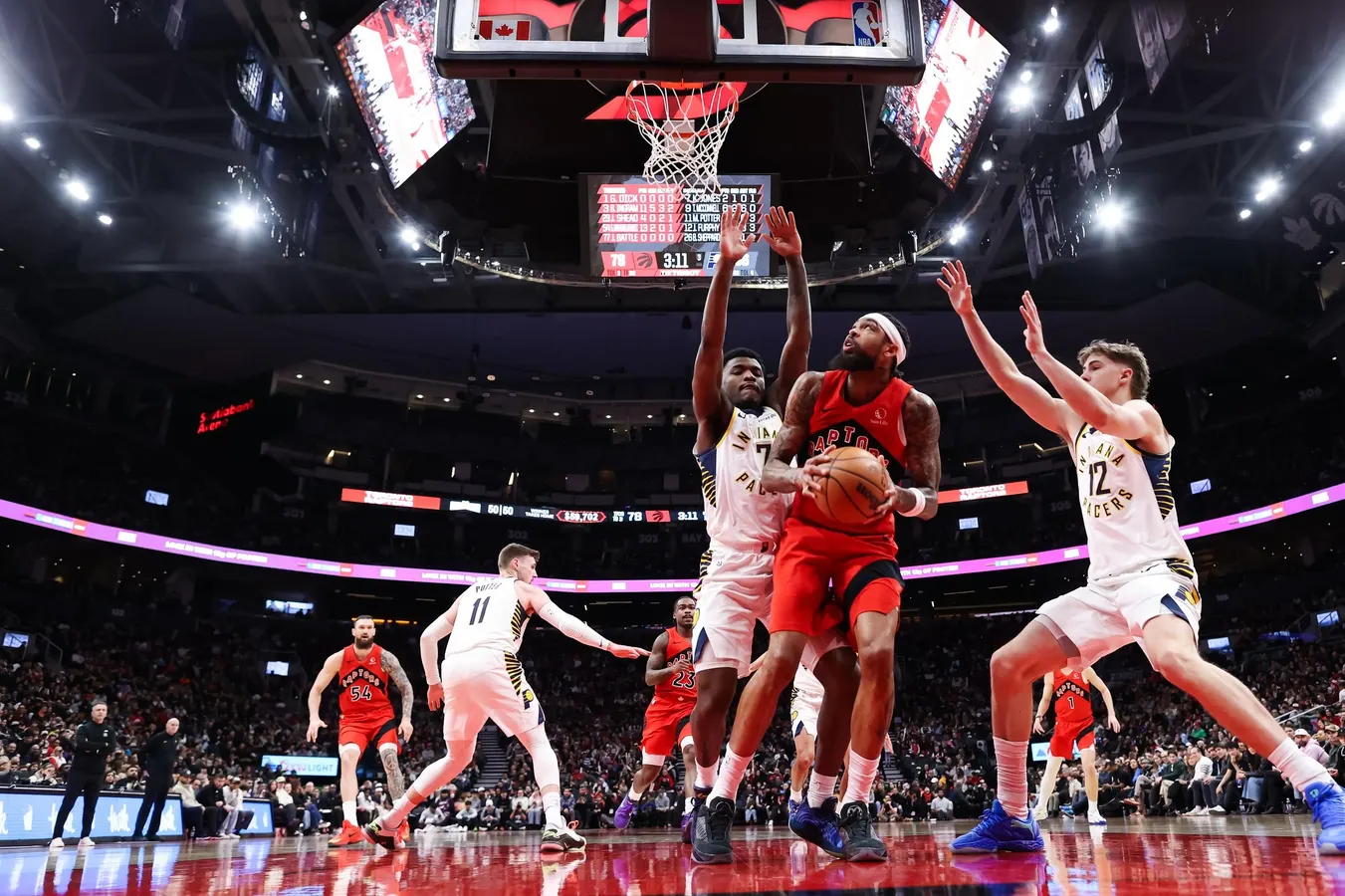
TORONTO, CANADA - FEBRUARY 8: Brandon Ingram #3 of the Toronto Raptors drives to the net against Kam Jones #7 and Johnny Furphy #12 of the Indiana Pacers during the second half of their NBA game at Scotiabank Arena on February 8, 2026 in Toronto, Canada. (Photo by Cole Burston/Getty Images)Getty ImagesINDIANAPOLIS – The current NBA Collective Bargaining Agreement (CBA) has covered three NBA Drafts, and in all three the Indiana Pacers have made a trade involving a draft pick between 31-39. That trend may continue in 2026. According to a report from Jake Fischer in The Stein Line, the Pacers are searching for a trade that would land them a pick in the 30s.Indiana has spent the last month finalizing their draft prep ahead of the 2026 NBA Draft despite being one of two teams (Portland Trail Blazers) that does not own a single selection. The Pacers dealt their own second-round selection (32nd overall) back in 2021 while their first-round choice (fifth overall) officially went to the Los Angeles Clippers after the NBA Draft Lottery.Even without one of the 60 draft slots, the Pacers want to be prepared in case they do end up with a pick. And making a trade for a selection in the 30s has been a sweet spot for the franchise in the last two drafts. In 2024 the Pacers moved up one slot in the second round to acquire pick 35 from the San Antonio Spurs, and they used it to select Johnny Furphy. Last summer, Indiana and San Antonio linked up again – the Pacers sent a 2030 second-round draft pick (via Sacramento) and cash considerations to the Spurs in exchange for pick 38. Kam Jones was chosen.In 2023, the Pacers traded away pick 32 in a multi-team deal. In 2022, they selected Andrew Nembhard with the 31st overall pick. The year prior, Indiana sent the 31st pick and other assets to the Washington Wizards to move into the first round. That marks five-straight drafts in which the Pacers have made a trade involving a draft pick in the 30s.Why have the Pacers often traded for a pick in the early second round?The last two drafts provide more insight into the Pacers thinking and show why they may be interested in moving into the 30s again. In both the 2024 and 2025 drafts, the blue and gold did not possess a first-round pick. Yet they wanted to add to their youth pipeline in some way. Acquiring a pick early in the second round bridged that gap and allowed the team to add young talent without sending away significant assets in exchange.MORE FOR YOUThat’s the surface-level reasoning for the trades, anyway. A closer look at the new CBA provides a better clue, and one that is helpful in understanding why the Pacers may once again be interested in adding a pick between 31 and 39.In the 2023 CBA, the NBA added a new salary cap tool colloquially known as the second-round pick exception. It addressed a challenge that the old CBA created: Prior to 2023, teams had to use a salary cap exception (often the Mid-Level Exception) or use salary cap space to sign their second-round picks to three or four-year contracts. In the absence of cap space or an exception, front offices were forced to sign their second-round picks to one or two-year minimum-salary deals.Now, things are different. The second-round pick exception is granted on a per-pick basis, meaning teams can use more than one per league year. What the exception allows is for teams to sign players selected in the second round to a standard NBA contract that is three or four years in length without having to touch a salary cap exception or cap room. That opens up additional spending power for front offices while taking nothing away from draftees.- TORONTO, ON - JUNE 23: Toronto native Andrew Nembhard as the NBA draft continues. Nembhard was selected 31st overall, 1st in 2nd round, and was the second Canadian drafted in the same night by the Indiana Pacers. Montreal native Bennedict Mathurin was selected 6th overall. Toronto Star (Rick Madonik/Toronto Star via Getty Images)Toronto Star via Getty ImagesIf a team uses the new-ish exception to sign a pick to a three-year deal, the third season of the contract must contain a team option. For a four-year pact, the fourth season must be covered by a team option. And the salary amounts come with some restrictions, too.In a three-year deal via the second-round pick exception, the first-year salary can only go as high as the minimum salary for a player with one year of service. Should that first-year salary be as high as possible, the second and third years of that contract will be valued at the applicable rookie minimum.With the second-round pick exception’s four-year deal structure, the first-year salary can go as high as the minimum salary for a player with two years of service, and if maxed out the second season of that deal would be valued at the second-year minimum salary for a player with just one year of service. The third and fourth season would be the applicable rookie minimum salary, in that case.Those structures already allow for cheap contracts. But there are other ways to do it. Teams can start the first year of a contract signed using this exception even lower. In fact, it can go as far down as the rookie minimum.With Furphy, the Pacers started his deal above the first-year minimum and gave him a four-year contract. It came with a first-year value of $1.8 million, a strong number but still below the veteran minimum. Last year, the Pacers gave Jones a four-year deal that started as low as possible – his first-year salary was $1.27 million.That’s where the Pacers – who have been flirting with the luxury tax threshold in the past two seasons and have finished within $1.75 million of the tax in the last three seasons that they started over the cap – find value early in the second round. They acquire the highest pick they possibly can (within trade reason), then sign their draft pick to a cheap contract that comes in below the veteran’s minimum and, critically, below the value of Rookie Scale contracts assigned to players picked in the first round.The latest salary cap projections have the Pacers team spending level rubbing right up against the luxury tax for the 2026-27 season before the offseason even begins. With that in mind, if the Pacers want to acquire a draft pick, following their past and grabbing one in the 30s makes good sense. They can add the best prospect they possibly can while keeping their finances manageable. Should they get a pick in the 30s, other questions will come. But for now, their reported approach matches their prior actions and would help the team improve.
Indiana Pacers Draft Trade Sweet Spot Might Be Early Second Round
The Indiana Pacers are reportedly trying to trade for a pick in the 30s of the 2026 NBA Draft. Why might such a trade help the franchise?
1,145 words~5 min read