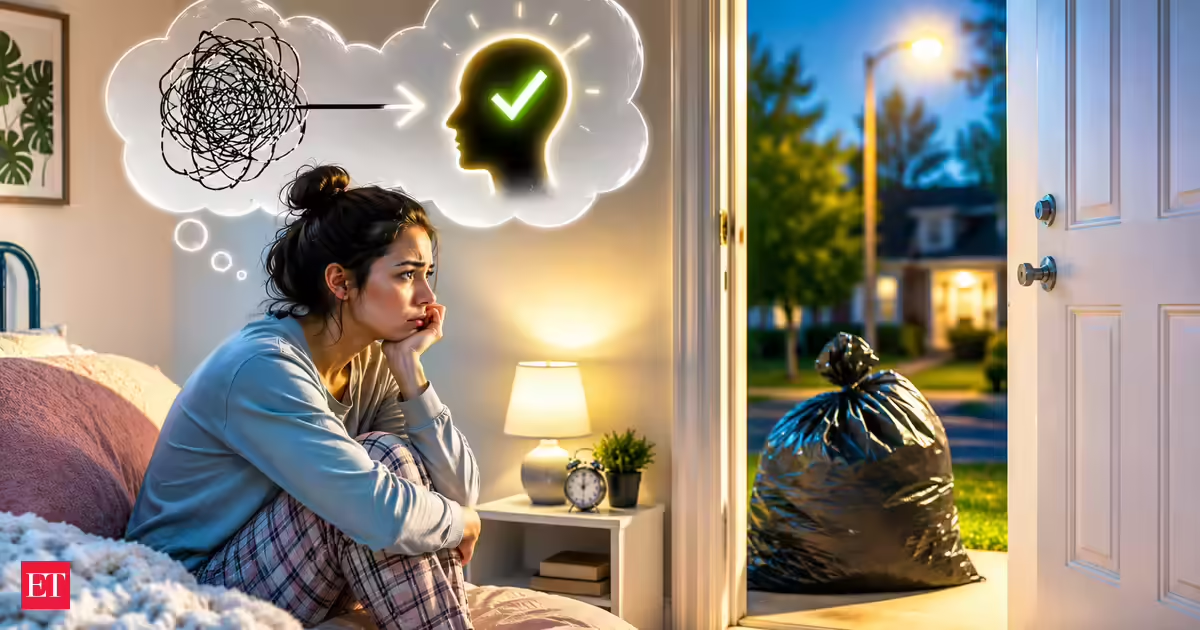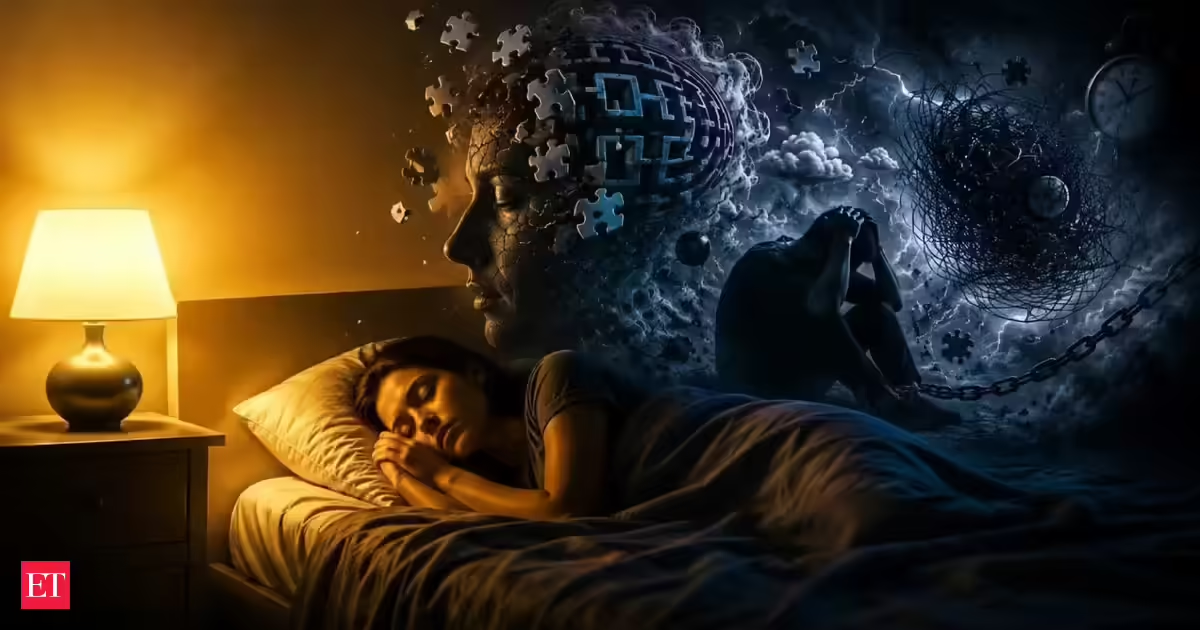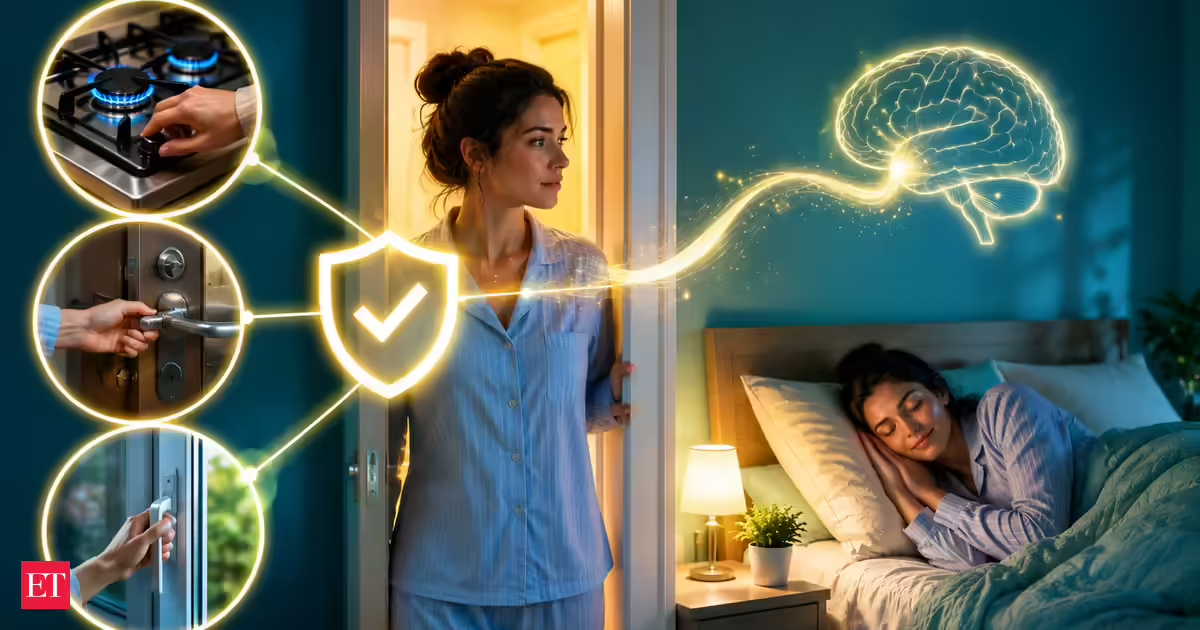
For many adults, going to bed is not as simple as turning off the lights. They walk toward their bedroom, pause for a second and suddenly a thought appears. "Did I lock the door?" They get up and check. A few minutes later, another thought arrives. "Did I turn the gas off?" They check again. Sometimes, they check a third time even though they know they already did it. At first glance, this behavior may seem irrational. But psychology suggests it is far more common than people realize. In many cases, people are not forgetting. Their brains are simply seeking certainty before entering the most vulnerable part of the day: sleep. Several psychological theories help explain why.Psychology says people who check twice or thrice if they have turned the gas stove off or locked the doors before sleeping do not have OCD, they are just trying to create certainty before restThe Brain Dislikes Uncertainty More Than People RealizeOne of the biggest explanations comes from a concept psychologists call Intolerance of Uncertainty. Humans naturally dislike unknown outcomes. The brain constantly asks itself one question:"What if something goes wrong?"At night, that question becomes louder because sleep temporarily reduces our ability to respond to threats. Research from University of Cambridge has explored how uncertainty can fuel repetitive checking behaviors because information provides temporary reassurance. The brain sees the lock or the gas stove as a problem that must be solved before resting. The act of checking creates relief. But that relief often fades quickly.The Brain Is Trying To Protect You, Not Sabotage YouHumans evolved with strong survival instincts. Our ancestors survived by constantly scanning for danger. Psychologists call this threat detection. Thousands of years ago, missing a threat could be dangerous. Today, the threats have changed.You Might Also Like:Instead of predators, we think about:Unlocked doorsGas leaksForgotten appliancesOpen windowsThe brain still uses the same protective system. Many people now double-check whether their phones are charging, whether alarms are set and whether smart devices are switched off before sleeping. The objects have changed, but the survival mechanism remains the same.Reassurance Behaviors Create Temporary ReliefAnother explanation involves safety behaviors. Safety behaviors are actions people repeat to reduce discomfort. Checking the lock temporarily reduces anxiety. The sequence often looks like this:Thought: Did I lock the door?You Might Also Like:Action: Check the lock.Reward: Feel relieved.The problem is that the brain learns this pattern quickly. Over time, it may start demanding repeated checks. Psychologists sometimes refer to this as a reassurance loop. The behavior is not necessarily about memory. It is about maintaining certainty.The Zeigarnik Effect Makes Unfinished Tasks Feel LoudAnother explanation comes from the Zeigarnik Effect, developed by psychologist Bluma Zeigarnik. The theory suggests unfinished tasks occupy more mental space than completed ones. At night, even tiny doubts can feel unfinished. The brain says:"Better check one more time."Even when the task is already complete, uncertainty keeps the loop open. Checking helps close the loop temporarily.Decision Fatigue Makes Nighttime Doubts WorseBy bedtime, the brain is exhausted. Psychologists call this decision fatigue. Research from Columbia University has explored how mental exhaustion influences decision-making and confidence. After thousands of decisions throughout the day, confidence declines. People begin trusting themselves less. This explains why someone may confidently lock the door at 7 p.m. but question themselves at 11 p.m. The action did not change. Their mental energy did.Modern Life Has Quietly Increased These HabitsToday's world is full of invisible stressors. People manage:Work deadlinesFinancial concernsEndless notificationsFamily responsibilitiesInformation overloadThe brain stays activated for longer periods. For example: Many adults now have nighttime routines that include checking security cameras, smart locks and home monitoring apps before sleeping. Technology has given people more ways to feel safe, but sometimes more opportunities to seek reassurance.When Does This Become A Problem?Checking once or twice before bed is completely normal. It becomes concerning if:You repeatedly get out of bed many times.The behavior causes significant distress.It interferes with sleep.You feel unable to stop.At that point, it may be helpful to speak with a healthcare professional because persistent, distressing checking can sometimes be associated with anxiety disorders or obsessive-compulsive symptoms. For most people, however, occasional double-checking is simply the brain's way of preparing for rest.Psychology suggests the behavior is rooted in something deeply human. Sleep requires surrendering control for several hours. The brain naturally wants reassurance before doing that. Sometimes, people are not checking the door. They are checking whether it is finally safe to let go of the day.FAQsWhy do people repeatedly check locks and gas stoves before bed?Psychology suggests people are often trying to reduce uncertainty and create a sense of safety before sleeping.Is checking things twice before bed a sign of anxiety?Not always. Occasional double-checking is common, especially during stressful periods.
Psychology says people who check twice or thrice if they have turned the gas stove off or locked the doors before sleeping do not have OCD, they are just trying to create certainty before rest
Psychology suggests this behavior is rooted in a deeply human need for security and reassurance. Going to sleep requires temporarily letting go of control for several hours, and the brain often seeks a sense of safety and certainty before making that transition.
783 words~4 min read