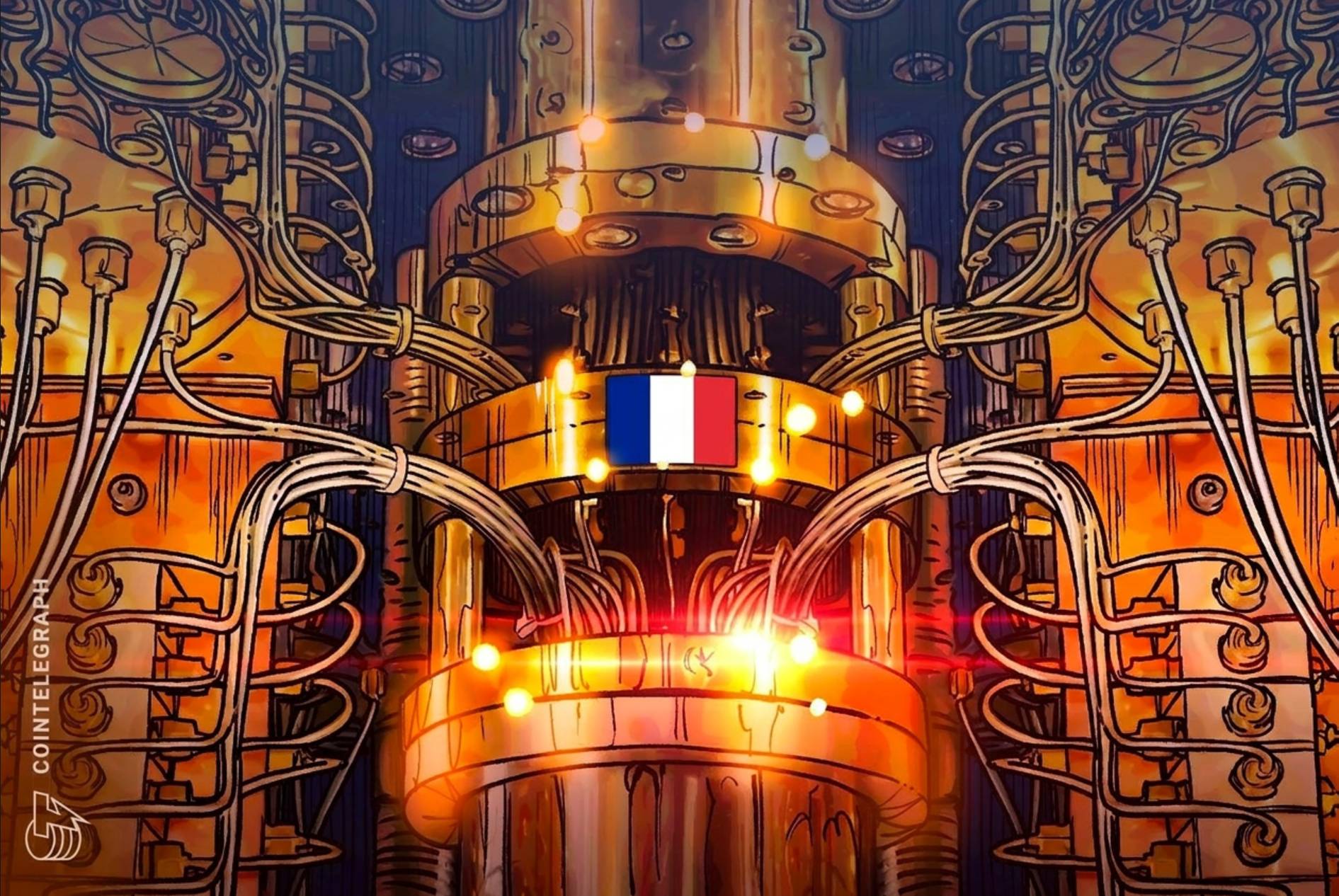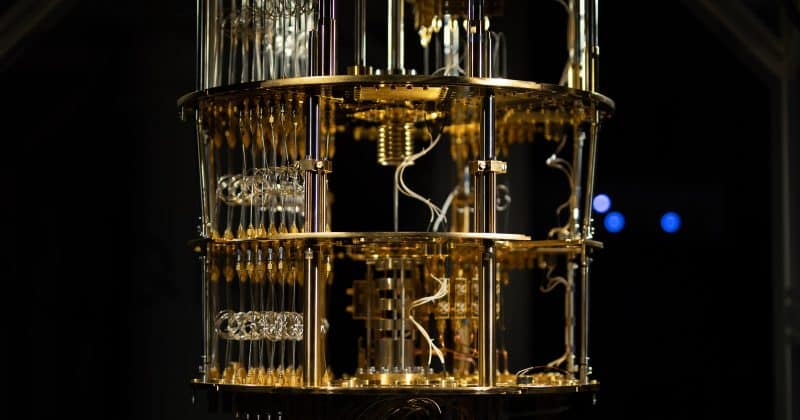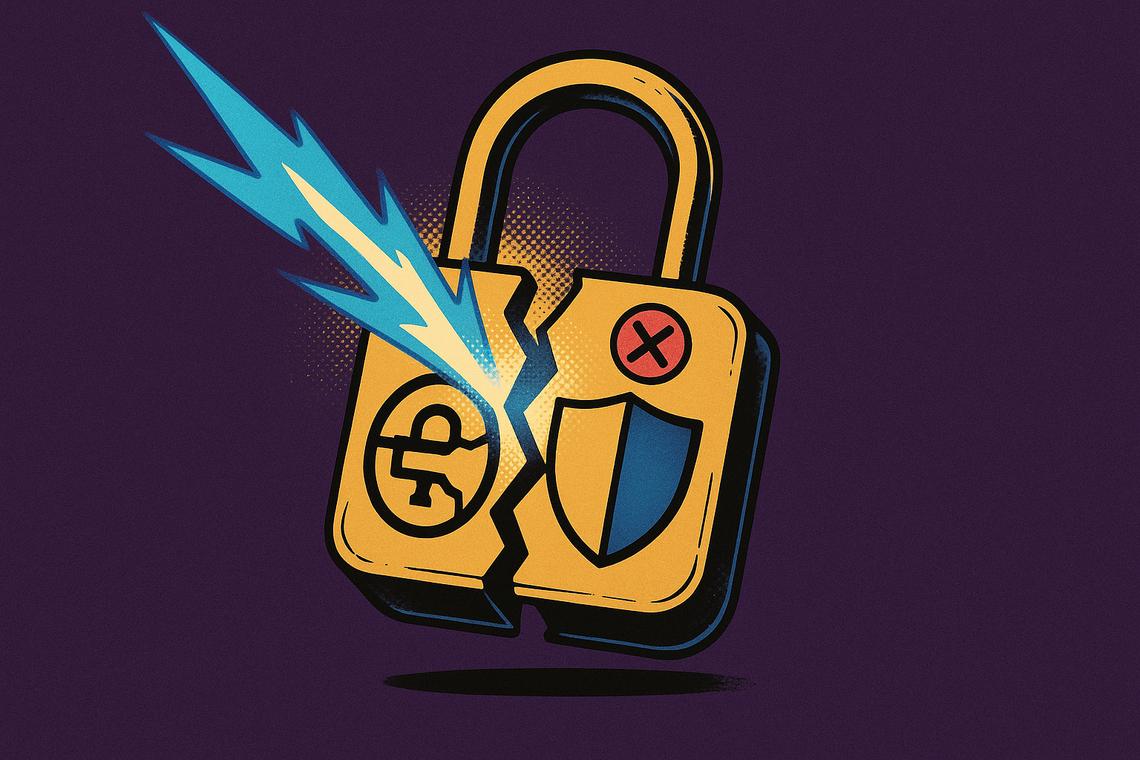
Sometime in the future, a quantum computer may be able to dismantle key cryptography schemes. No one knows exactly when, but major stakeholders are already taking big steps to prepare for the dreaded “Q-day.” On Tuesday, Samih Soussi, chief of staff at France’s cybersecurity agency ANSSI, announced it would cease certifying security products without quantum-resistant encryption from 2027, according to a Reuters report on the France Quantum conference. Soussi added that by 2030, businesses should purchase quantum-safe products. ANSSI certification is required for implementation by operators of government and other critical infrastructure. The move will consequently force older systems out, Reuters noted. “This move is very timely,” Bill Fefferman, a theoretical computer scientist, told Gizmodo. “As a society, we cannot afford to delay implementing post-quantum encryption; the risks of inaction are too severe, and the timeline for building large-scale quantum computers is too uncertain.” Harvest now, decrypt later For context, Q-day—the quantum encryption apocalypse—refers to a milestone at which quantum hardware becomes capable of running algorithms that “unscramble” the encryption frameworks protecting sensitive information. These encryption algorithms protect our bank transactions, medical records, government communications, corporate secrets, and more. But as things stand, these algorithms might not be ready for Q-day. And if things don’t change, all this private information may fall into the hands of malicious entities. Quantum computers, unlike classical computers, tap into the strange rules of quantum mechanics to solve problems with extreme efficiency, potentially making them vastly more capable than conventional computers at cracking some forms of encryption.
The Quantum Threat to Encryption Is Coming. France Just Set a 2027 Deadline
It's an aggressive move that'll effectively force operators of critical French infrastructure to move away from traditional cryptographic systems.
653 words~3 min read