In a world where smartphones constantly display the time, one habit has surprisingly survived. Millions of adults still wear watches every day. They wear them to work, during exercise, while traveling and even at home. At first glance, it may seem unnecessary. After all, phones are everywhere. But psychology suggests that people who always wear a watch are often doing something much bigger than checking the time. For many individuals, the watch represents structure, preparedness and control. The accessory itself is small, but the psychological meaning behind it can be significant.Several psychological theories help explain why some people refuse to leave home without one.A Watch Creates A Sense Of ControlOne explanation comes from Control Theory. Humans naturally seek ways to organize unpredictable environments. Time is one of the few things people can measure, monitor and manage every day.Psychology says people who always wear a watch aren’t worried of being late, they are trying to create structure in an unpredictable world Wearing a watch provides immediate access to that control. Instead of searching for a phone, people simply glance at their wrist. That tiny action reduces friction. In many ways, the watch becomes a personal anchor. Many professionals intentionally wear analog watches during meetings because they want to avoid the distractions that come with checking their phones.External Cues Help The Brain Stay OrganizedPsychologists often discuss the concept of external scaffolding. External scaffolding refers to tools that help the brain manage tasks and responsibilities. A watch functions as one of those tools. Instead of relying entirely on memory, people use physical objects to structure their day.Research from University College London has explored how habits and environmental cues influence behavior. The watch becomes a constant reminder that time is moving forward. It quietly supports planning and decision-making throughout the day.The Accessory Becomes Part Of IdentityAnother explanation comes from Identity-Based Habits. People often repeat behaviors that reinforce who they believe they are. The watch gradually becomes part of a person's self-image.Some people associate it with being:ProfessionalReliablePreparedOrganizedDisciplinedOver time, the accessory transforms into a symbol rather than a tool. Even after retiring, many adults continue wearing their watches because the habit has become connected to their identity.The Brain Loves Predictable RitualsHumans thrive on routines. Psychologists refer to this as behavioral consistency. Repeating the same action every day reduces mental effort. Putting on a watch each morning can become part of a larger sequence.The routine might look like this:Get dressedWear the watchGrab the keysLeave homeEventually, the behavior becomes automatic. Research from University of Oxford has shown that predictable routines can improve feelings of stability and reduce mental strain. The watch quietly signals that the day has begun.Wearing A Watch May Protect Attention In The Smartphone EraThis is perhaps the most interesting modern explanation. Many people deliberately wear watches to avoid unnecessary phone use. Think about what happens when someone picks up a phone to check the time.Within seconds they may see:New messagesSocial media notificationsEmailsNews alertsOne glance can easily turn into ten minutes of distraction. The watch interrupts this cycle. Psychologists sometimes call this attention management. Productivity experts and executives increasingly recommend reducing unnecessary smartphone interactions to preserve focus. The watch becomes a barrier against digital overload.Social Learning Quietly Influences The HabitPsychology also points toward Social Learning Theory, developed by Albert Bandura. Humans naturally imitate behaviors they repeatedly observe.People often inherit watch-wearing habits from:ParentsGrandparentsMentorsTeachersProfessional role modelsThe behavior gradually becomes part of adulthood itself. Many adults suddenly realize they have become exactly like the people they once admired.Why This Habit Is Really About Peace Of MindAt its core, wearing a watch is rarely about the time itself. It is about reducing uncertainty. The brain likes visible systems that create order.A watch quietly tells the brain:"You know where you are. You know what comes next."That message can feel incredibly reassuring in today's fast-moving world. Of course, not everyone who wears a watch is highly organized. And not everyone who avoids one is disorganized.Psychology rarely works in absolutes. But for many people, this tiny accessory has become an emotional tool. It helps them navigate busy lives with a little more structure and a little less chaos. Sometimes, a watch is not simply tracking time. It is helping people feel more in control of it.FAQsWhy do some people always wear a watch?Psychology suggests watches often provide structure, routine and a sense of control over daily life.Is wearing a watch linked to personality?Not directly. However, many people associate watch-wearing with preparedness, discipline and organization.
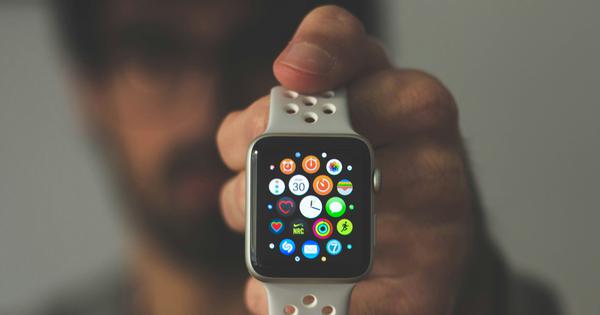
Psychology says people who always wear a watch aren’t worried about being late, they are trying to create structure in an unpredictable world
Psychology rarely deals in absolutes. However, for many people, this small accessory has evolved into an emotional support tool that helps them manage the demands of everyday life. It provides a greater sense of structure, predictability, and control in a world that can often feel overwhelming and chaotic.
741 words~3 min read