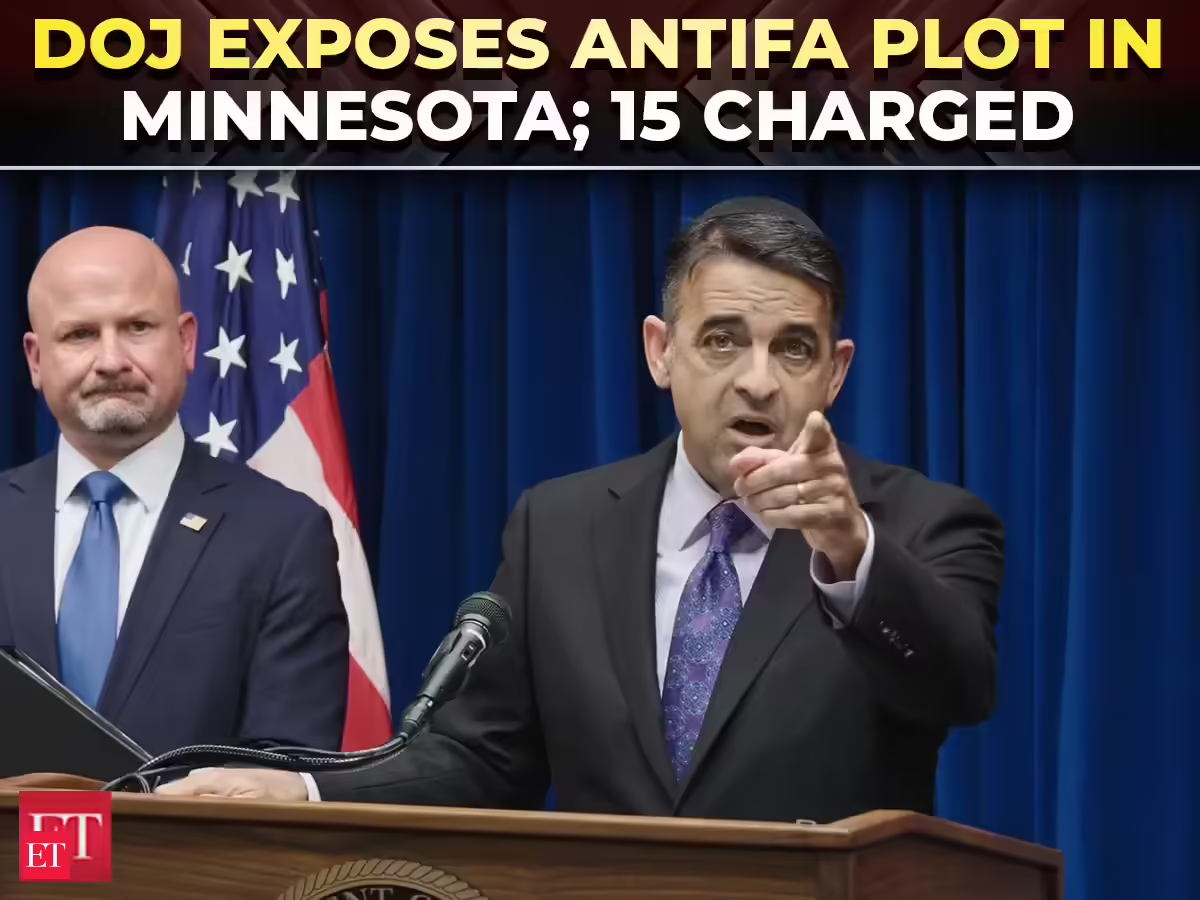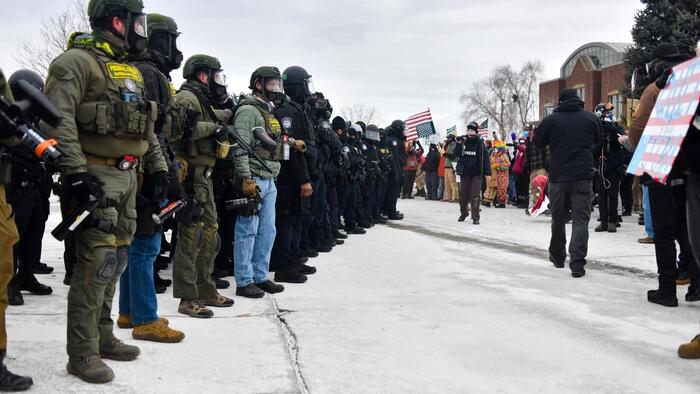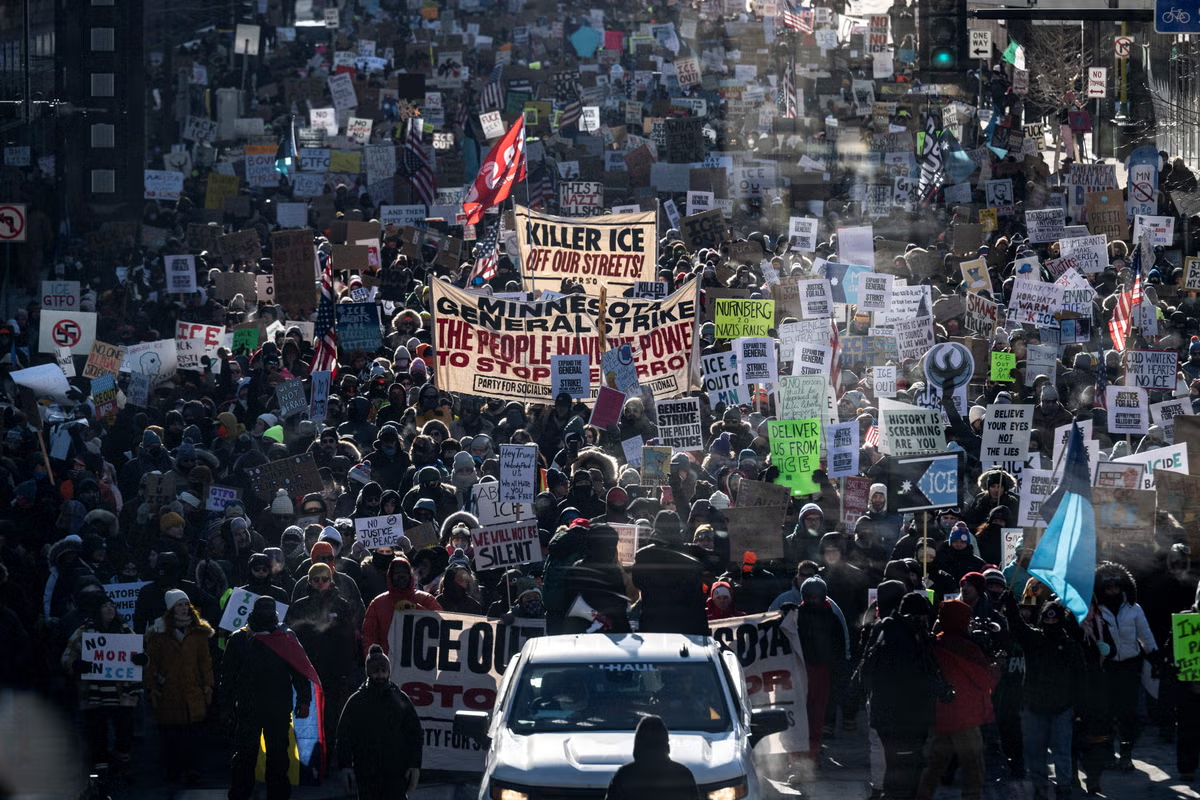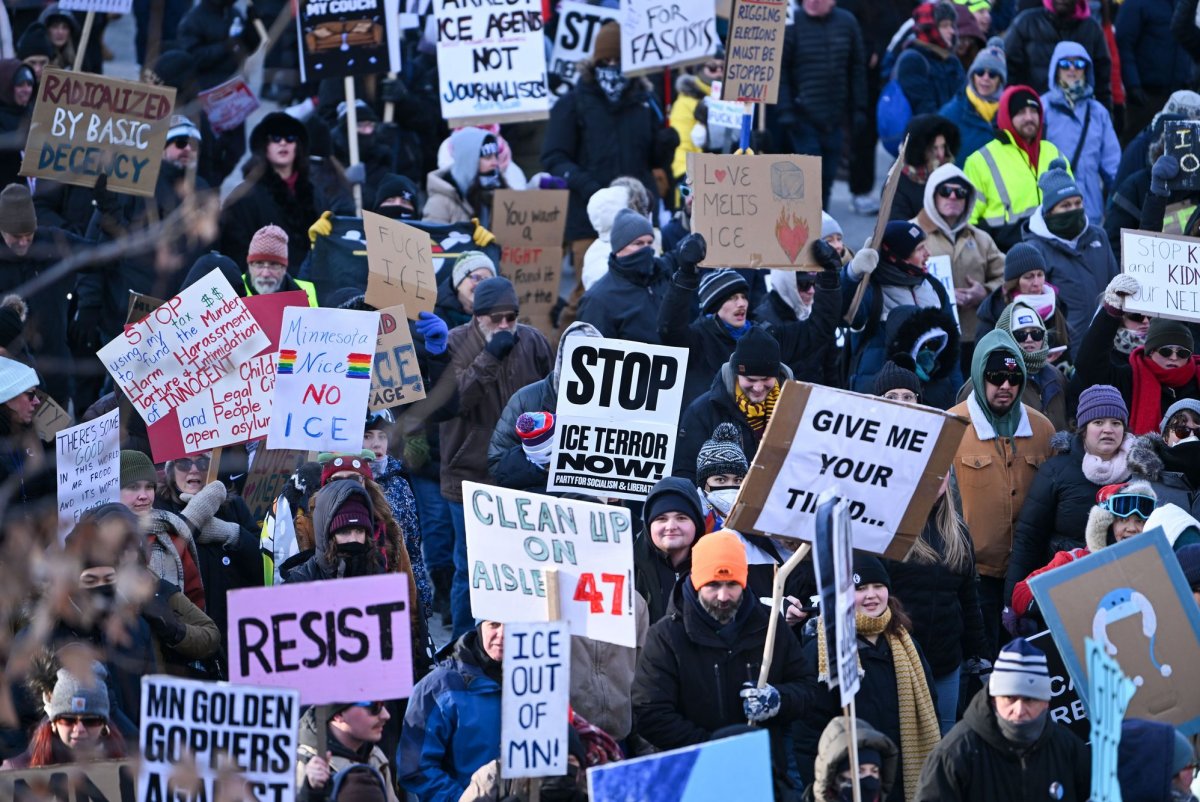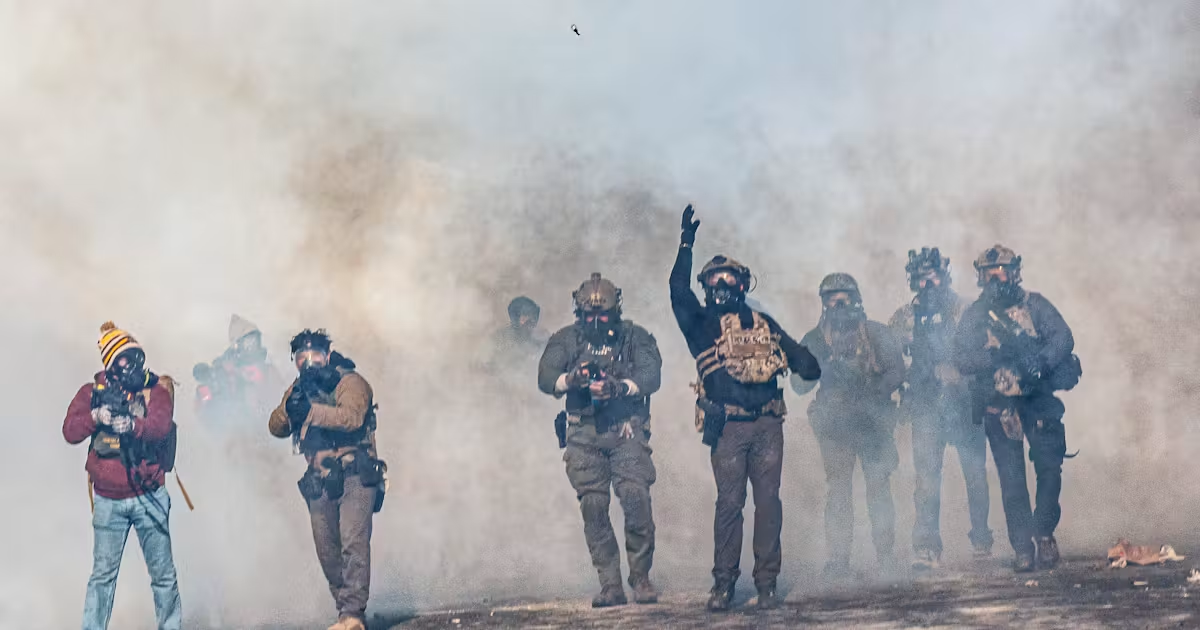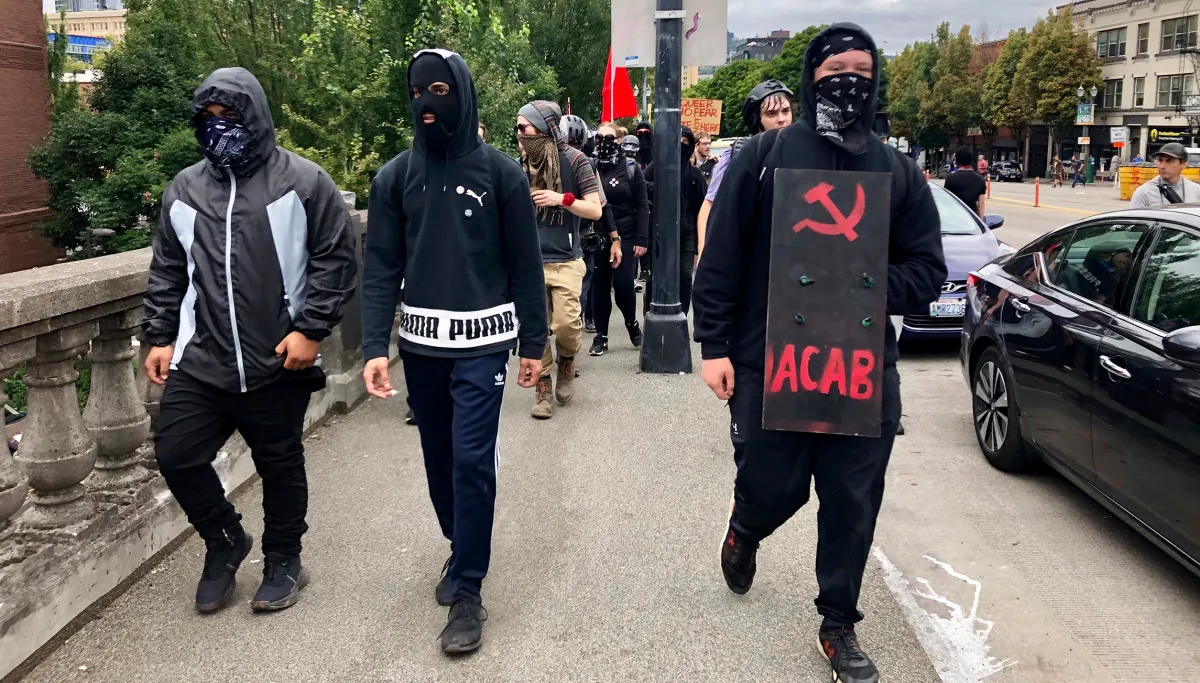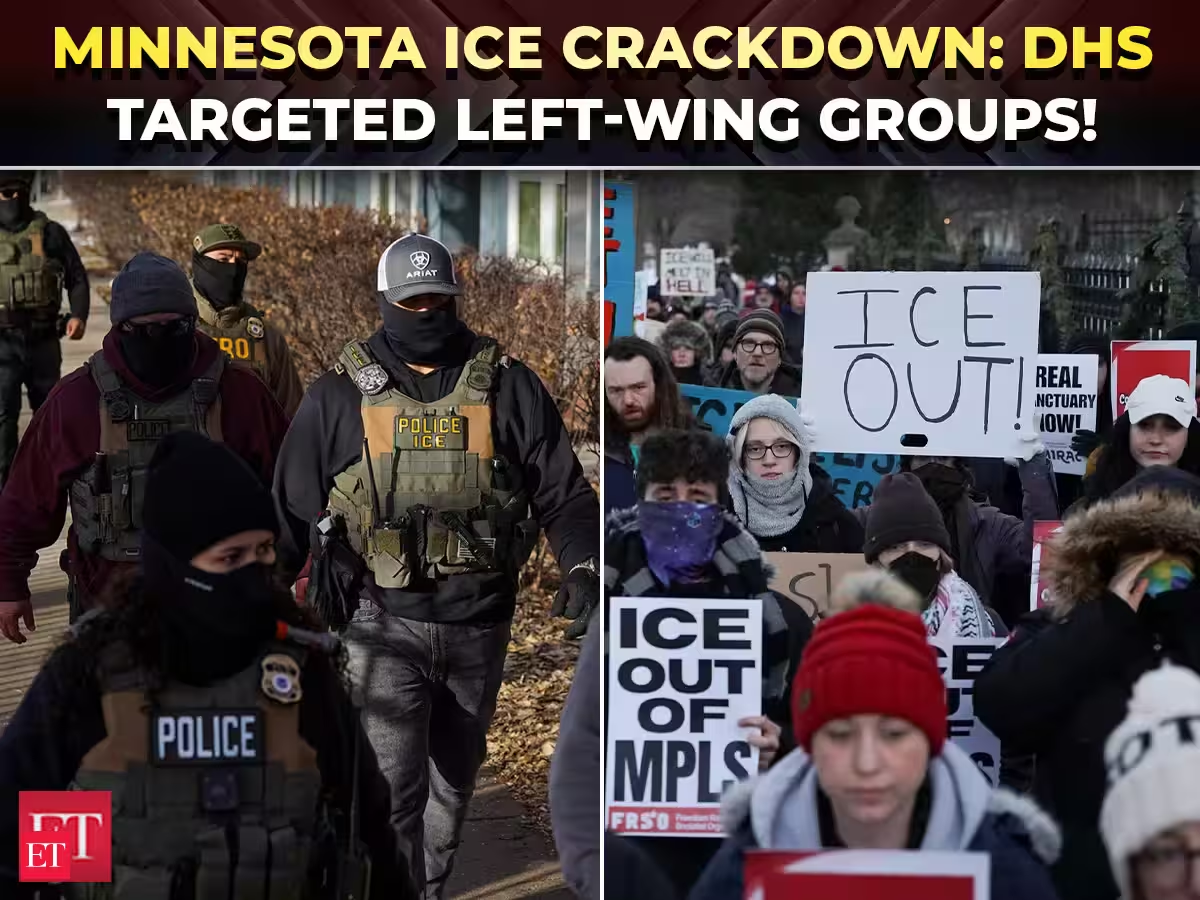
Fifteen suspected members of an antifa network in Minneapolis were indicted on federal conspiracy charges for allegedly coordinating a monthslong campaign to obstruct Immigration and Customs Enforcement by force through “highly organized” surveillance and street combat tactics.The antifa cell is accused of collaborating since January to prevent federal officers from enforcing U.S. immigration law, working together with a cohort of allied organizations to impede ICE on the streets of Minneapolis.According to the charging documents, the defendants are members or associates of Direct Action Minnesota.
DAMN, originally called Twin Cities Direct Action, is a decentralized collective of anti-ICE activists that formed during the second Trump administration to serve as “community defense” against deportation operations across the Minneapolis metropolitan area and beyond.As a loosely affiliated coalition, DAMN comprises activists from several other Minneapolis-based suborganizations, such as the Black Cat Worker’s Collective and the Ray Rainbolt Memorial Shooting Club.
Screenshot of the Black Cat Worker’s Collective Facebook page.
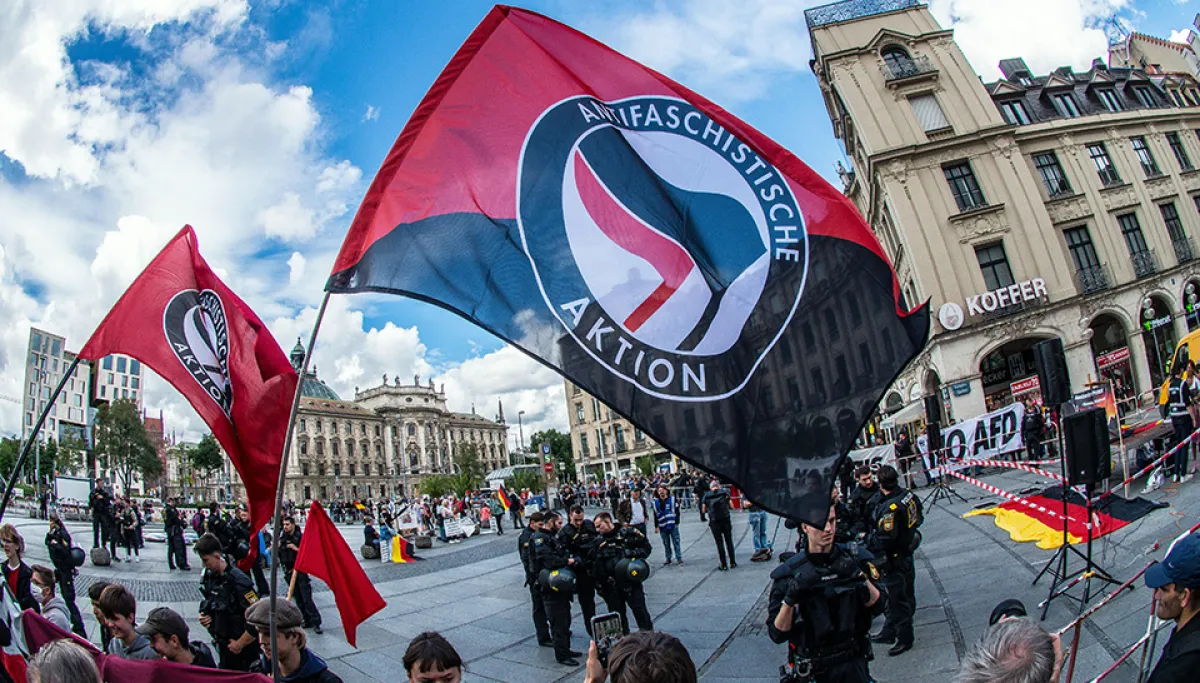
Investigators identified BCWC and RRMSC as “antifa affinity groups” committed to so-called community self-defense, the practice of protecting illegal immigrant communities against the threat of deportation. At the local level, self-proclaimed antifascists typically assemble into small units, known as affinity groups, organized around their shared anarchist and socialist beliefs.BCWC promotes militancy as a means of achieving the group’s political objectives. The collective’s Facebook cover photo is an image of a Minneapolis police station set ablaze during the 2020 Black Lives Matter riots, and on their website, they describe themselves as “a group of dedicated anarchists who root ourselves in the labor and direct action movements.”Revolutionary-left activists see “direct action” as a physical form of resistance, often relying on violence and criminal acts to oppose government policy. Those engaged in this type of activism explicitly state that “operating within the boundaries of laws and demonstrating peacefulness are not elements of direct action.” Direct action is intentionally disruptive, and common examples of it include rioting, blockades, and property damage.Operational strategies