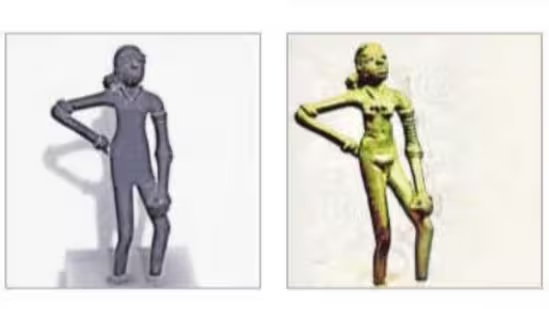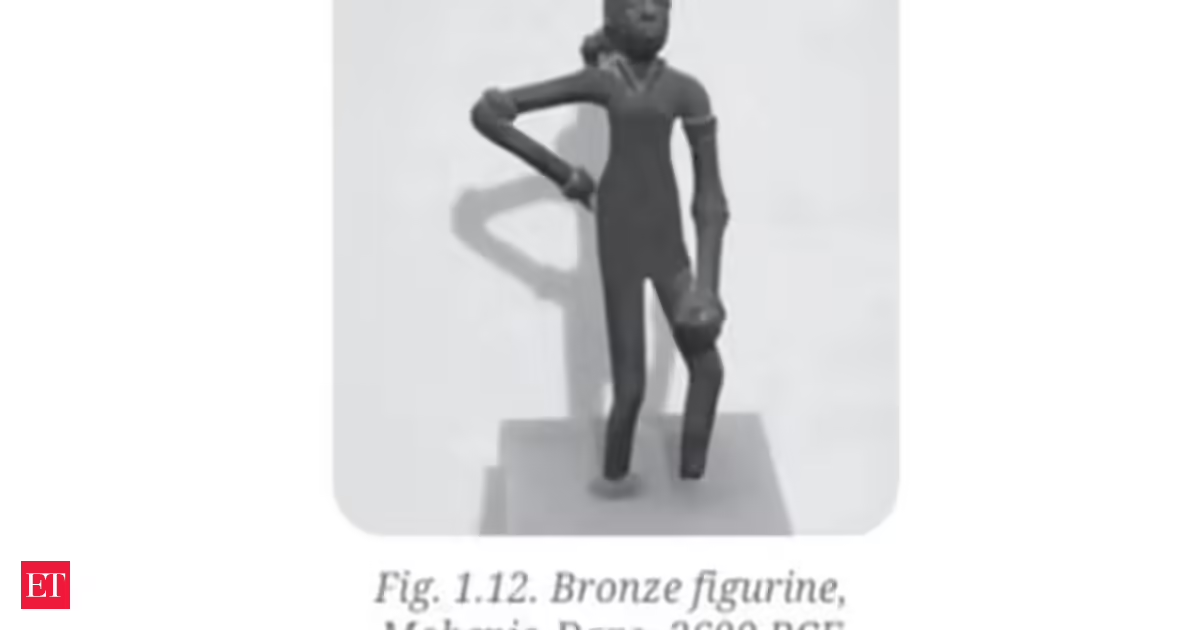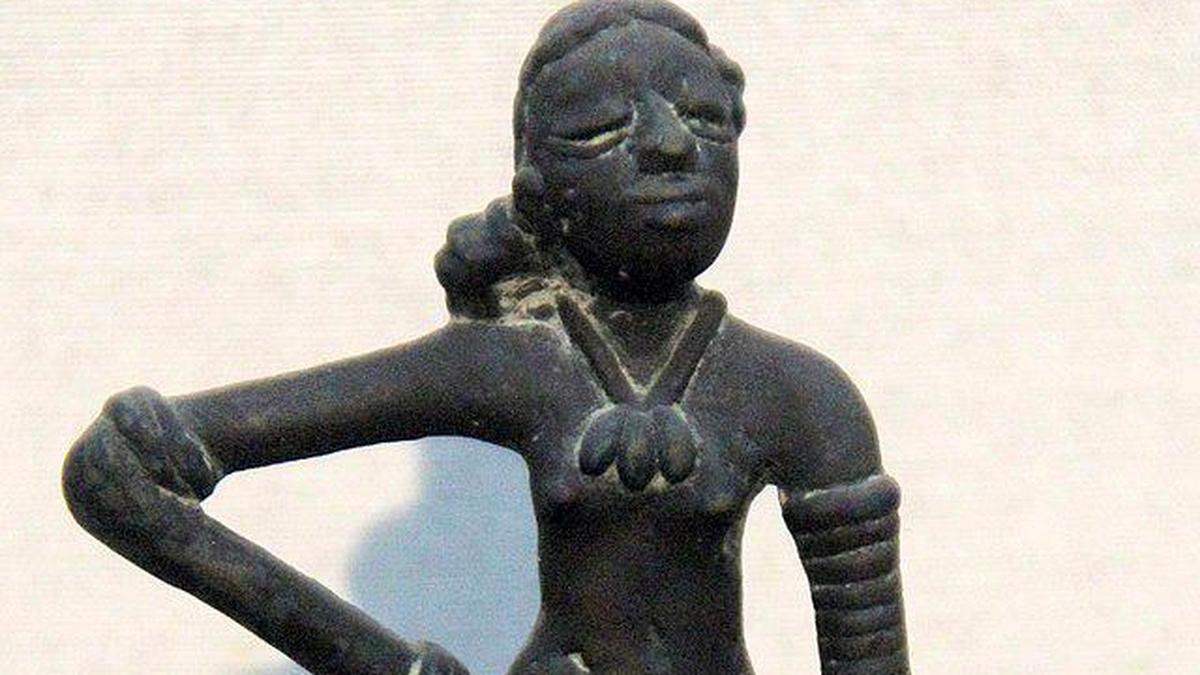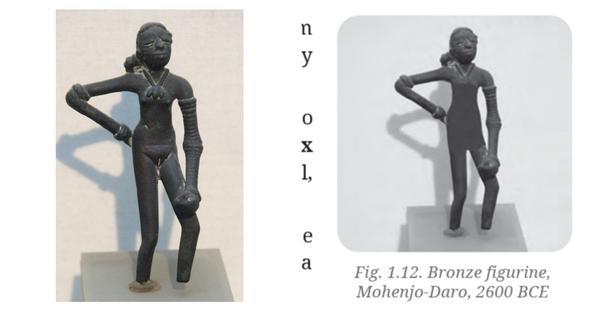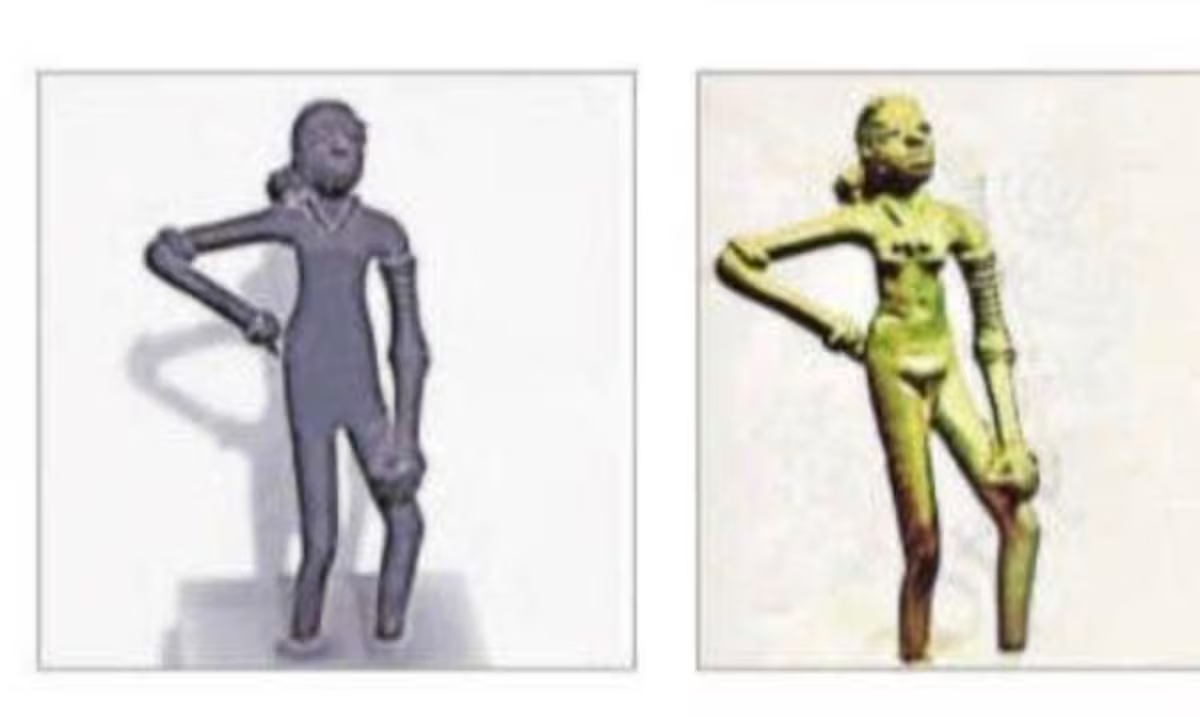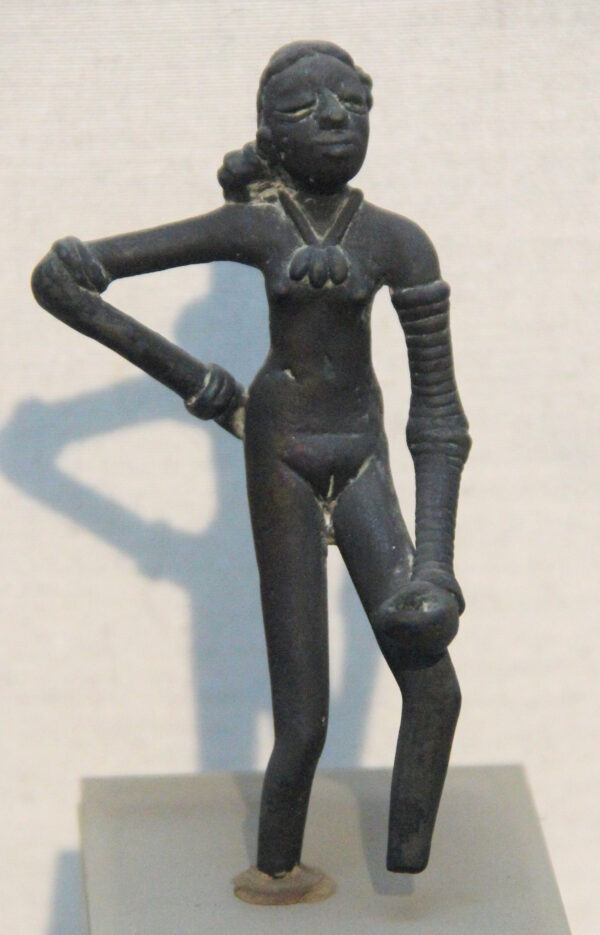
Following strong criticism from educationists and historians for its blurring of an image of a figurine of a nude young woman in its history textbook for Class IX students, India’s National Council of Educational Research and Training (NCERT) has been forced to back down. It has agreed to replace the altered image of the iconic figurine with its “original version.”
“The correction is being implemented immediately in the digital version of the textbook, while the revised print editions will carry the original version of the image,” NCERT Director Dinesh Saklani told news agency ANI. An autonomous body under the federal education ministry, NCERT oversees curriculum changes and textbook content for children taking exams under the government-run CBSE system.
At the center of the controversy is an image of a four-inch bronze figurine, one of the most widely recognized and acclaimed artifacts of the Indus Valley Civilization, which dates back to circa 2600-1900 BCE.
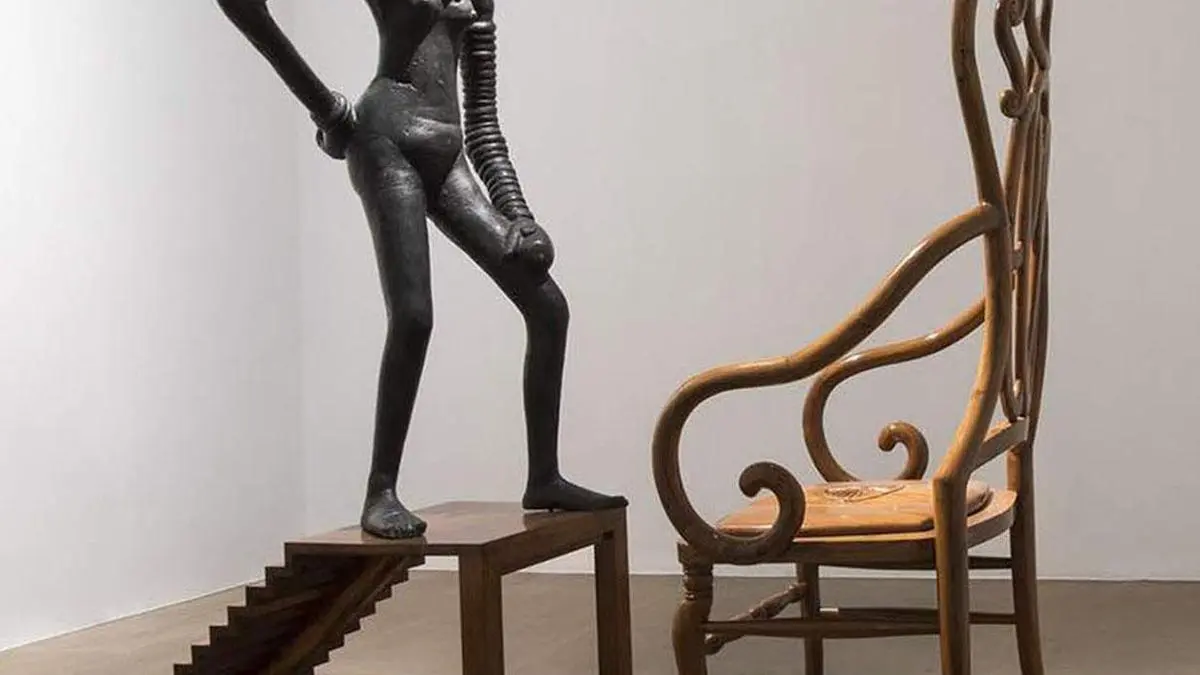
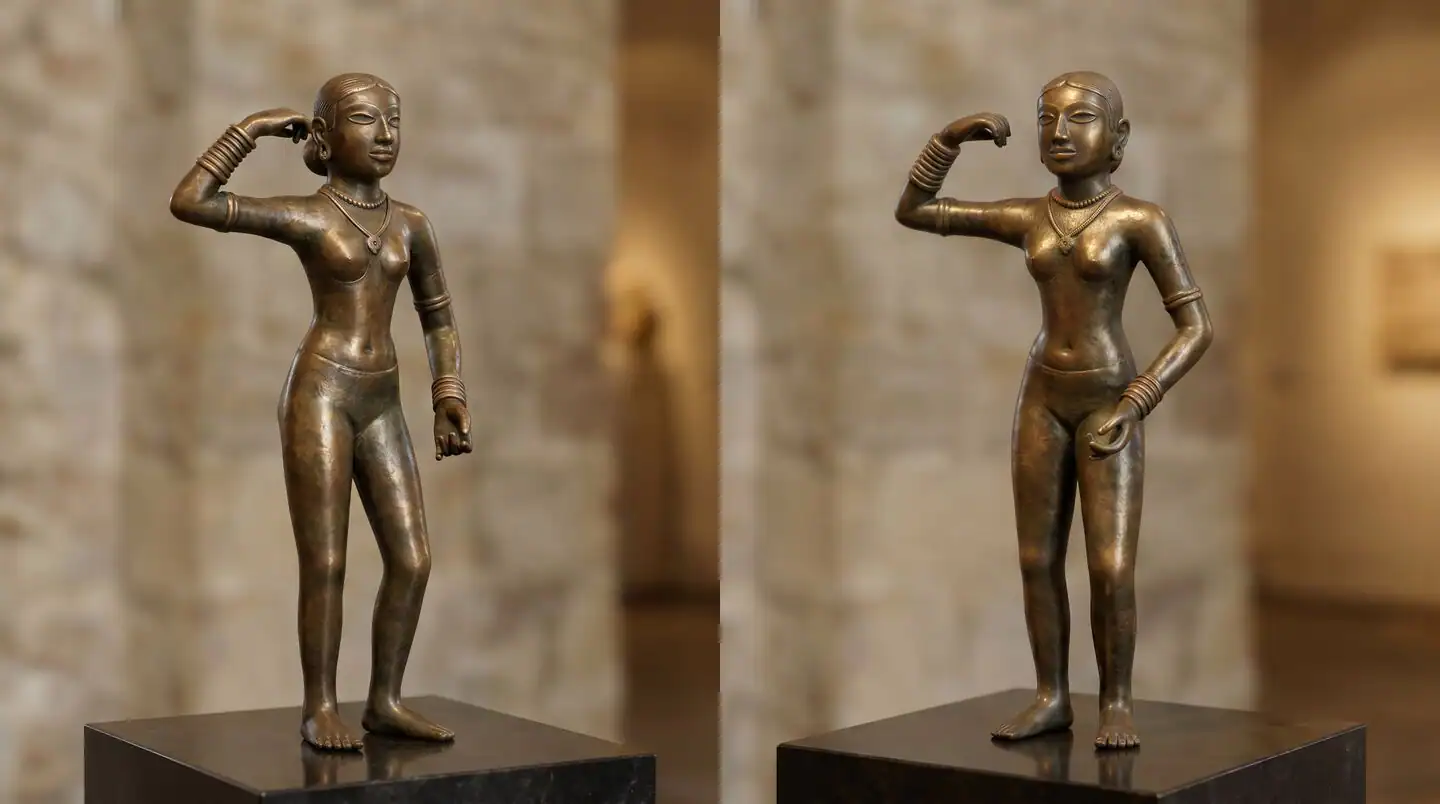
The figurine, known as the “Dancing Girl,” was discovered at Mohenjo-daro in present-day Pakistan in the early 20th century. The sculpture depicts a young woman with her right hand resting on the back of her hips, her chin slightly tilted upwards, and her legs slightly bent at the knees. The figurine has a completely bare torso. Her hair is tied in a bun, and she wears bangles and a necklace. Her pose is striking for the confidence she exudes.