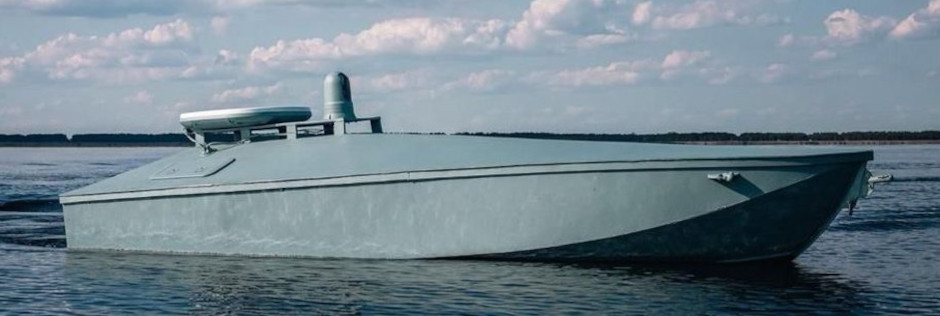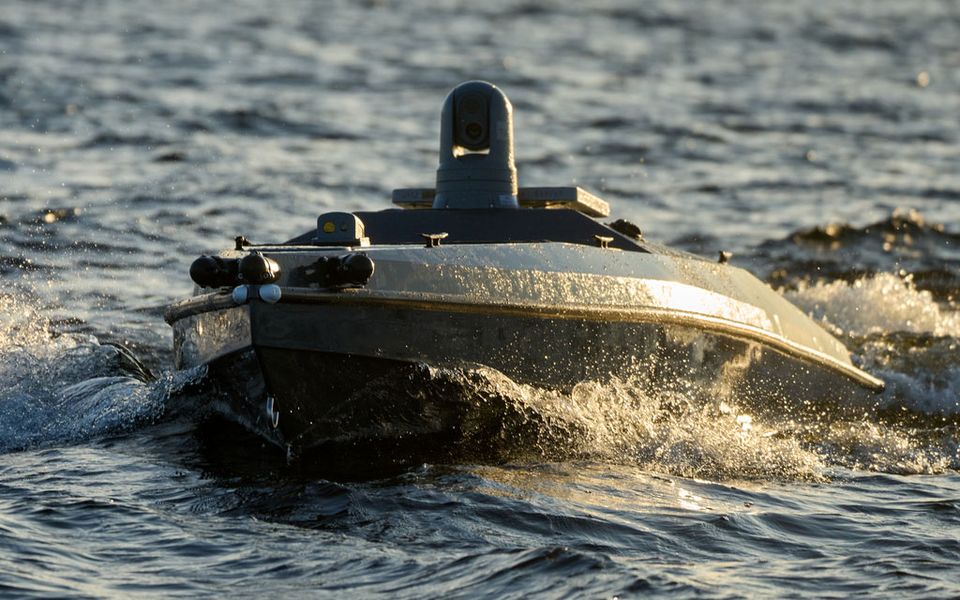
The proposed Greece-Ukraine co-production initiative for naval unmanned surface vehicles (USVs) appears to have stalled, with officials describing it as effectively “on ice.”
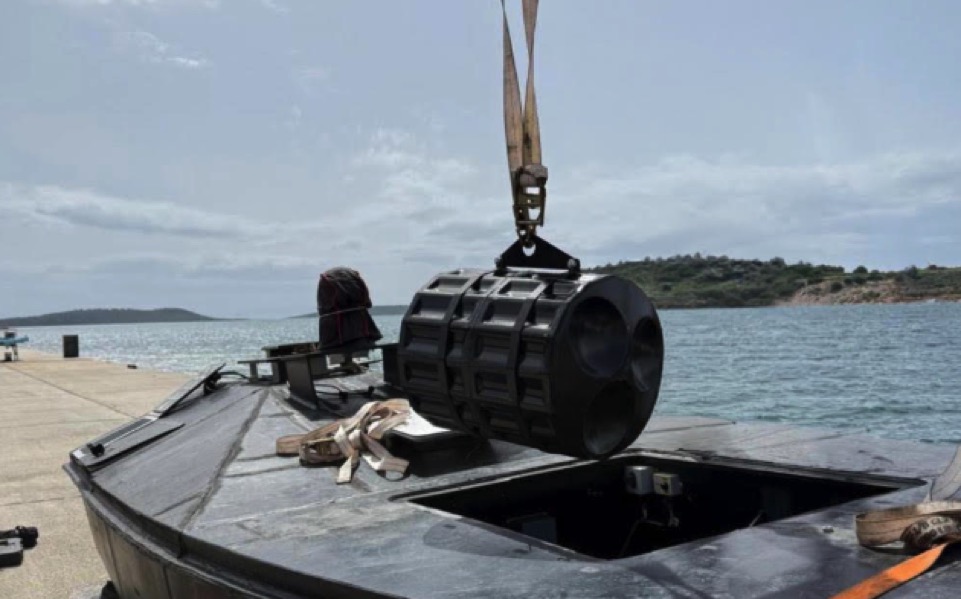
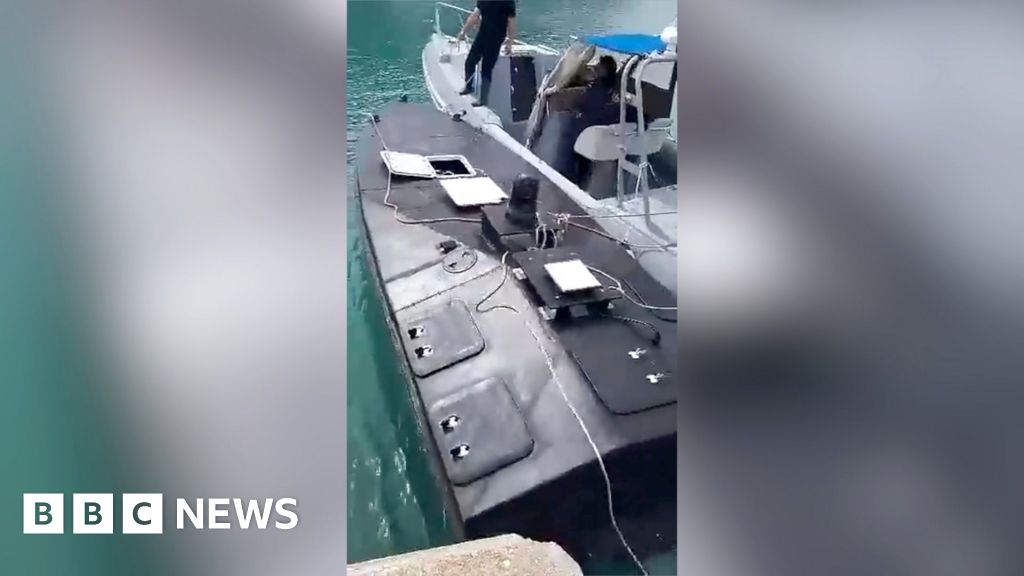
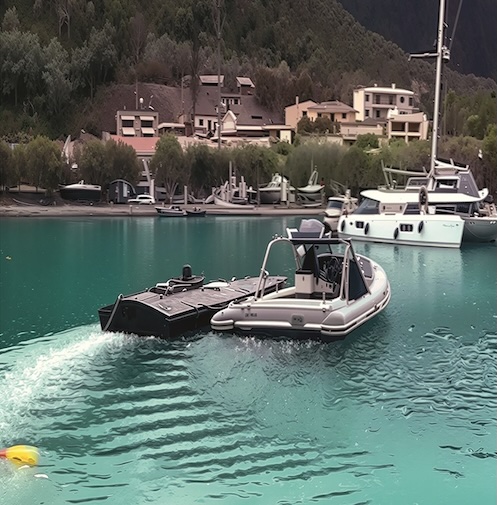
A key complicating factor was the discovery last month of a Ukrainian naval drone off Lefkada, described by Greek sources as a “burdening factor.” Kyiv subsequently issued an apology to Athens, attributing the incident to circumstances arising from Russia’s invasion of Ukraine.
From the outset, the project faced bureaucratic hurdles and Greek concerns over its practical effectiveness. Unofficial assessments also suggest that regional sensitivities, particularly reactions from Ankara, along with Ukrainian hesitation to fully transfer know-how to Greek shipyards, contributed to slowing momentum.
Despite the setback, talks between the two sides continue, albeit at a reduced pace. Greek officials are also exploring parallel cooperation channels with Kyiv. At the same time, Athens has already benefited financially from the transfer of surplus weapons systems to Ukraine via third countries, including the Czech Republic, Germany, and the United States, and, in doing so, supported broader modernization efforts.
Strategically, Greece is shifting emphasis toward domestic development of unmanned naval systems. The Hellenic Defense Innovation Center (ELKAK) has issued calls for proposals, attracting interest from domestic defense firms. Military sources indicate growing focus on USV-based surveillance and irregular warfare capabilities, as well as potential acquisition of mine-hunting drones.