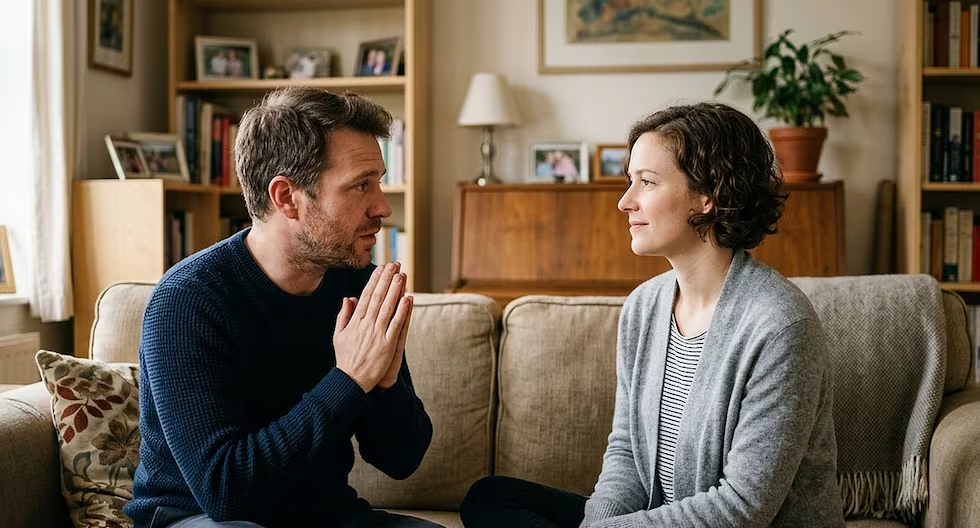
Once you see it, it’s an easy pattern to spot. They apologize if they bump into someone in a corridor. A waiter brings the wrong order, and they apologize for not being clearer. In a work presentation, they get a single routine rebuttal, and "sorry" is the first word out of their mouth. A friend is crying about something that has nothing to do with them, and somehow they are the one apologizing for it.According to a 2023 systematic review published in the International Journal of Environmental Research and Public Health, children who learn to manage a parent's moods or emotional needs, a pattern researchers term parentification, often carry that caregiving role into adulthood, where it can manifest as chronic over-responsibility for other people's emotions and problems. That early role is why, as adults, they feel the need to apologize for things that aren’t their fault.The home that taught the reflexMost adults who apologize this way were not taught how to do it as children. They learned to read a room. Children in homes where their parents’ bad moods could go on for hours, or a little disagreement could escalate quickly, got very good at sniffing out tension before it came to the surface. Closing door, long pause, sigh, all recorded and analyzed. And there was usually one move that cooled the temperature down fastest: take the blame, yours or not.Reading the room was the job nobody assigned. Image Credits: ChatGPTThe same review of parentification also links this form of early role reversal, where a child assumes responsibility for an adult’s emotional state, to a higher risk for mental health problems later in life. Apologizing first was never really about blame. It was about quickly restoring peace in a house where it was not a given.The clinical name for itThere is a clinical name for this pattern. Therapist Pete Walker, who coined the term, says some people learn to be safe by going along with whatever the people around them want. They abandon their own opinions and limits before they are even tested. Walker calls this the fawn response, the fourth survival strategy after fight, flight, and freeze. It’s not a conscious choice; it’s an automatic survival response like the other three, says psychologist Ingrid Clayton, who only recognized this pattern in her life long after she’d developed it. A reflexive apology fits well within this framework. It’s a little automatic thing you do to try to diffuse someone else’s reaction before it’s even really formed.Why the reflex never switches offThe problem is that this wiring does not know that the danger is gone. Someone who was trained to apologize in a tense household will often do that in a workplace, in a group chat, in a relationship that is, by any reasonable measure, safe. A co-worker raises an eyebrow, and the apology is halfway out before anyone says a word. A partner sits quietly in the car; they are already replaying the day and wondering what they did wrong. That habit rarely stays verbal, notes Therapist Millie Huckabee in Psychology Today. Repeating apologies changes how people see themselves, until they start to feel like an inconvenience, rather than someone who sometimes says a word too many times.Same reflex to apologize, just in a different room. Image Credits: ChatGPTWhat it costs later onIn one conversation, this seems harmless enough, even polite, but it all adds up over the years. In Walker’s original description of fawning, people who habitually engage in this pattern set aside what they really want and where their boundaries are; often before anyone has asked them to give either up. This might mean not saying anything during a work disagreement, going along with plans they didn’t want, or taking the blame in a relationship that was never theirs to carry. It’s not that the person has no opinions, but that part of the person is still running an old program that equates calm with safety.The reframe is worth sitting withThis does not make one weak or insecure. This makes them a kid who figured out how to keep a household from boiling over on their own, a pretty remarkable skill for someone who hadn't even hit double digits yet. The real cure, which takes time, is learning that an uncomfortable silence doesn’t always have to be broken with a sacrifice. A frown could just be someone thinking. Quiet in the car could just be somebody tired. Most regular arguments will disappear on their own if you leave them alone for an hour, without anyone having to fall on a sword first.They never had to apologize in the first place. The real change tends to begin when we realize change can happen, even slowly.
Psychology says adults who apologize for things that were not their fault may not be insecure: they may have grown up in homes where taking the blame was the fastest way to make the tension stop
Discover why some adults have a chronic need to apologize, exploring the roots of this behavior in childhood experiences. Learn how parentification impacts adult relationships and mental health, and strategies to overcome automatic apologizing.
786 words~4 min read