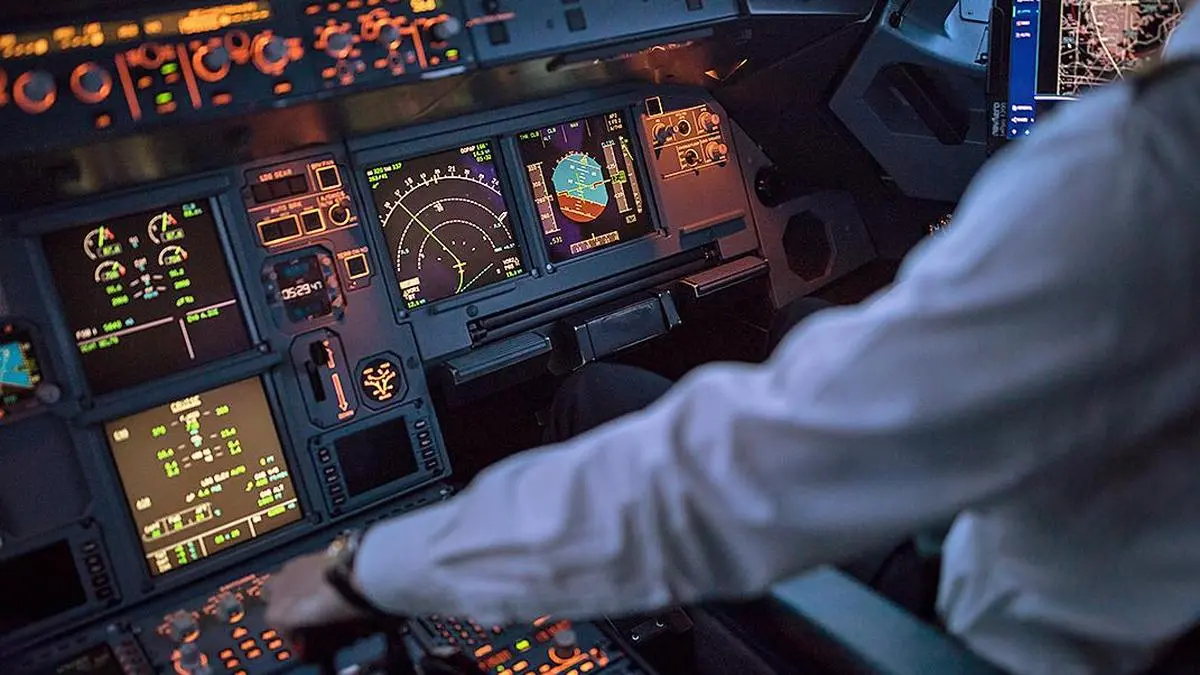
The MPL model relies on extensive use of simulators and emphasises competency-based training.
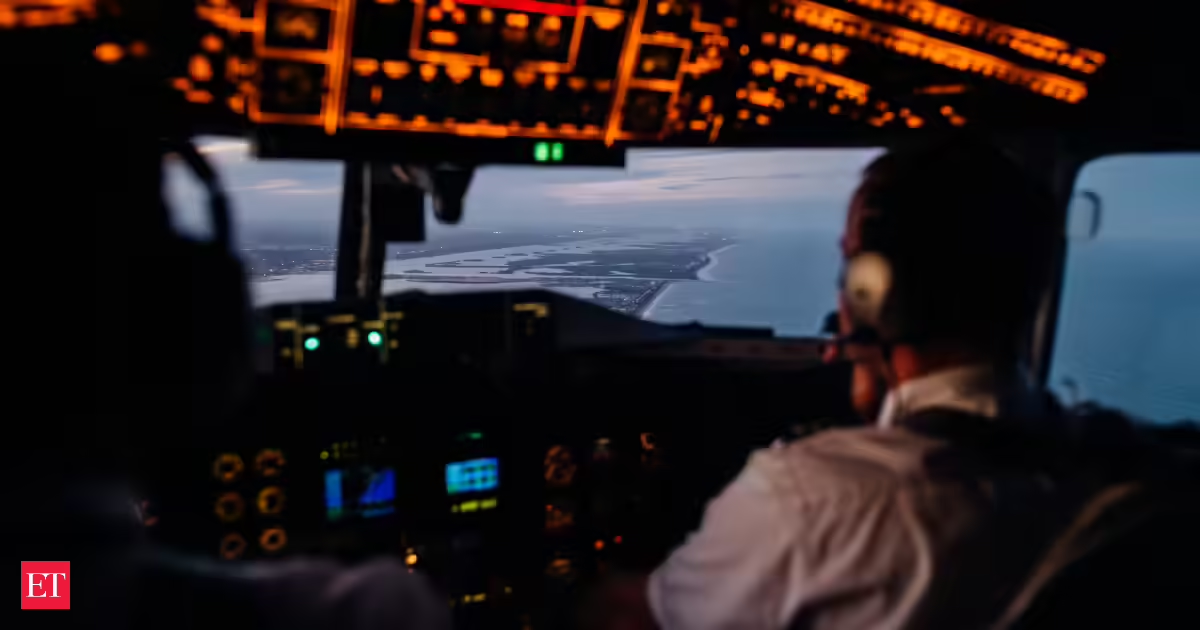
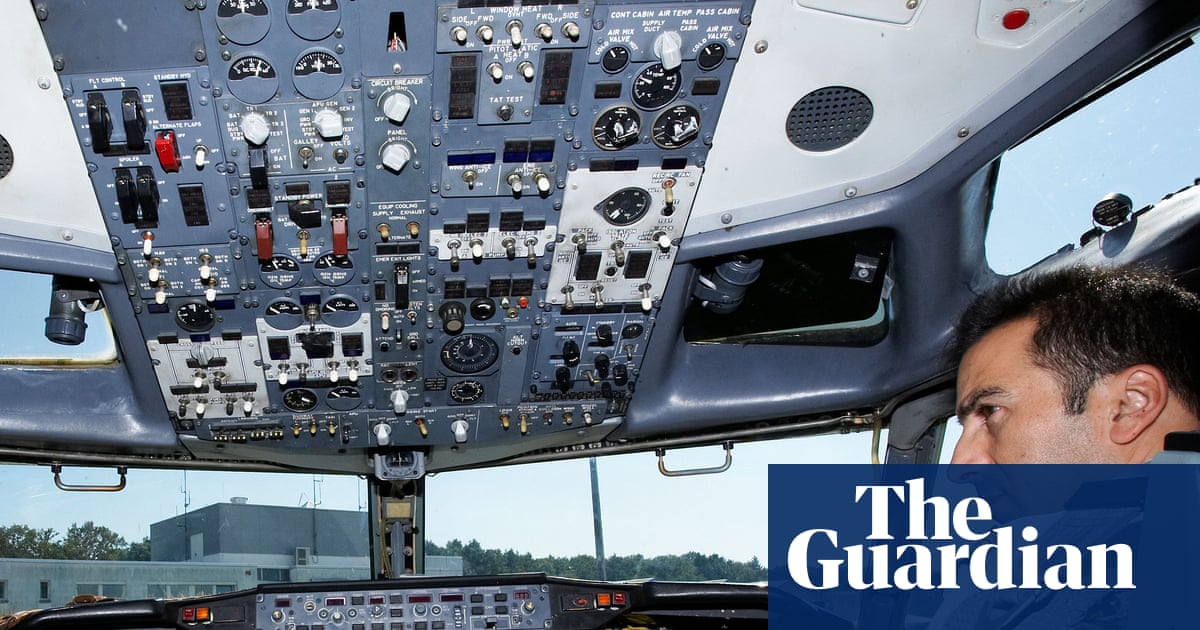
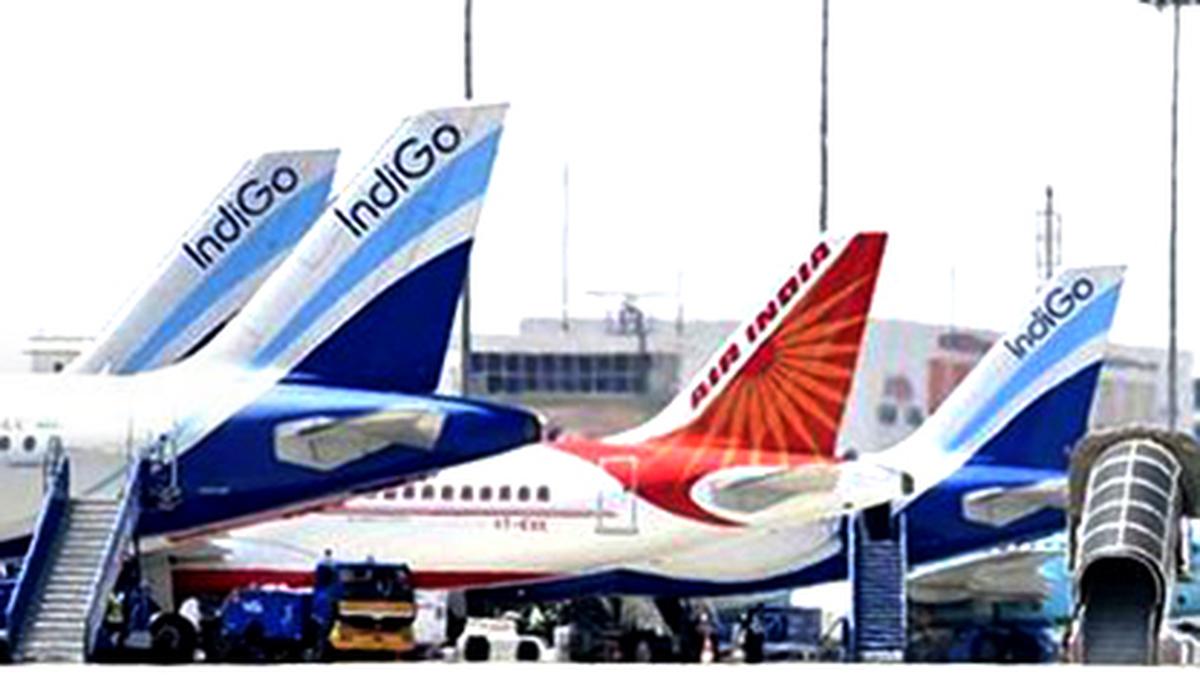
A Directorate General of Civil Aviation (DGCA) panel has lent its support to the multi-crew pilot licence (MPL) model that has divided airlines and flying schools. The MPL model relies on extensive use of simulators and emphasises competency-based training. It is being supported by Air India and IndiGo as it would enable quicker transition of cadets into cockpit roles. Flying schools, however, have raised safety concerns about the training model. In a draft report circulated earlier this month, a DGCA panel has recommended that an airline-backed MPL framework may be introduced in the country“The MPL is an airline-oriented pilot training programme specifically designed to meet the operational requirements of commercial airlines. In most cases, the programme is fully sponsored, financially supported, or directly facilitated by the partnering airline. A similar framework may also be introduced in India,” the DGCA committee has said in the draft report. It said participating airlines shall collaborate only with DGCA-approved flying schools and training organisations in India to strengthen domestic training infrastructure and promote standardisation in training. Training modelThe committee was appointed last July to prepare a framework for MPL which would be an alternate training model for pilots. Globally, MPL has been introduced by over 50 countries. It was approved by International Civil Aviation Organisation in 2006. In the conventional training model, aspiring pilots need to fly a minimum of 200 hours, pass written examination and clear medical tests to obtain a commercial pilot’s licence.The committee has suggested 240-300 hours of practical training in the MPL model. This would include 100-120 hours of actual flying experience to ensure that trainee develops practical skills and situational awareness of flying in real environment. Solo flying of minimum 20 hours and upset recovery training on aircraft would also be included. IndiGo did not respond to a query. Air India said it welcomes the DGCA initiative and is extending full support to the scheme. Regulatory oversightThe Association of Flight Training Organisations (AFTO) has raised concerns. The MPL by design is an airline-driven programme and its safety depends on regulatory oversight capacity and airline monitoring its own international standards, it has said. The association has suggested caution highlighting that both the airlines were fined for non-compliance in training. It has also pointed out that DGCA is short staffed and at first regulator should assess its own preparedness before introducing the MPL. The association has recommended a phased approach and in initial years only a small number of pilots be trained through MPL model. It has also demanded that actual flying requirements under the MPL model be fixed at minimum 150 hours with a 10 per cent buffer and a robust solo and emergency training.“DGCA’s primary duty is passenger safety. Growth, however important, must be built on that foundation rather than drawn from it,” said AFTO president HVP Singh. Published on June 18, 2026