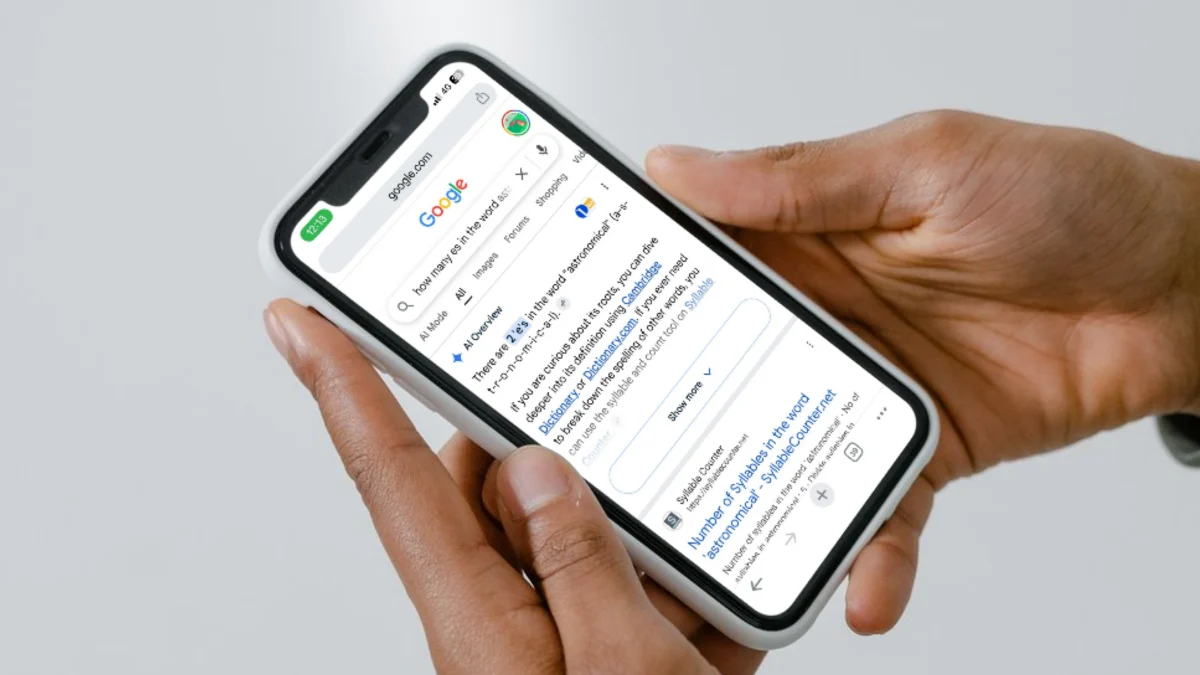
The April 2026 New York Times commission of Oumi to test Google's AI Overviews against the SimpleQA benchmark produced two numbers that were widely reported and one that mostly was not. The widely reported numbers: 85% accuracy on Gemini 2 in the AI Overview slot, 91% on Gemini 3. Roughly one in ten answers wrong, in headlines from TechSpot, Futurism, Newsweek, BigGo, TechRepublic, Breitbart, Computing.co.uk, Newsbytes, Algorythmic, and DigitalToday. The number that mostly didn't make the headlines, but should have: among the answers the benchmark scored as correct, Oumi tracked how often the AI Overview's stated claim was actually supported by the source it cited, and the un-supported rate grew between the model upgrades — 37% of correct answers ungrounded on Gemini 2, 56% on Gemini 3. The model got more accurate; its summaries got less faithful to what their citations actually said.
That is the part of the story that I want to spend most of this essay on, because once you sit with it for a moment it stops looking like a quirk of one analysis and starts looking like the shape of the entire AI-search class of product. The 9% error number is interesting; the source-claim divergence is structural; and the trust-budget the interface establishes against either of them is the thing that determines whether your week of casually reading AI-summarised search results was useful or actively misleading.