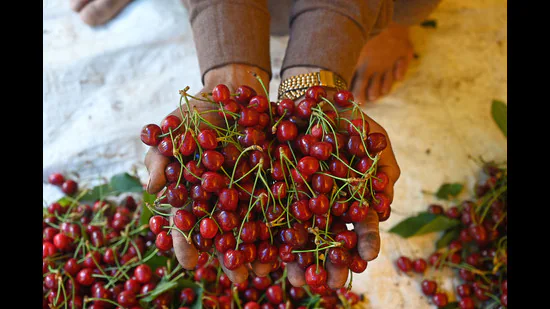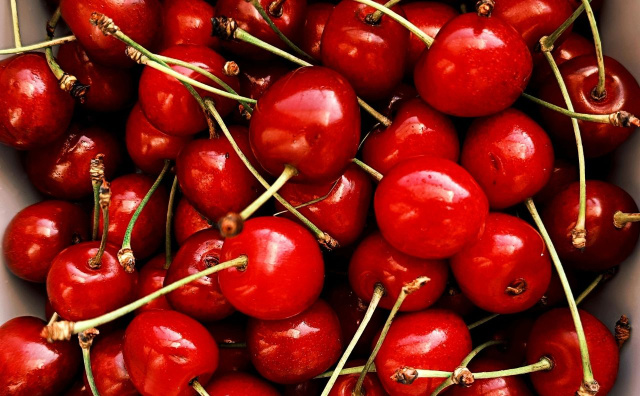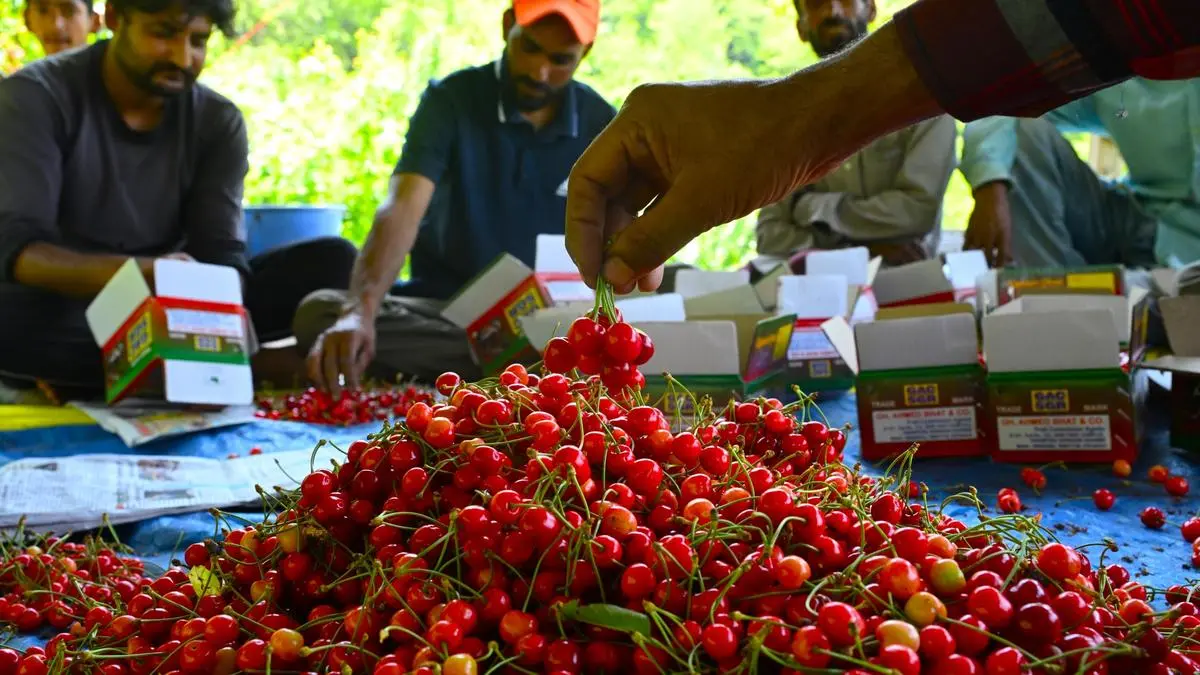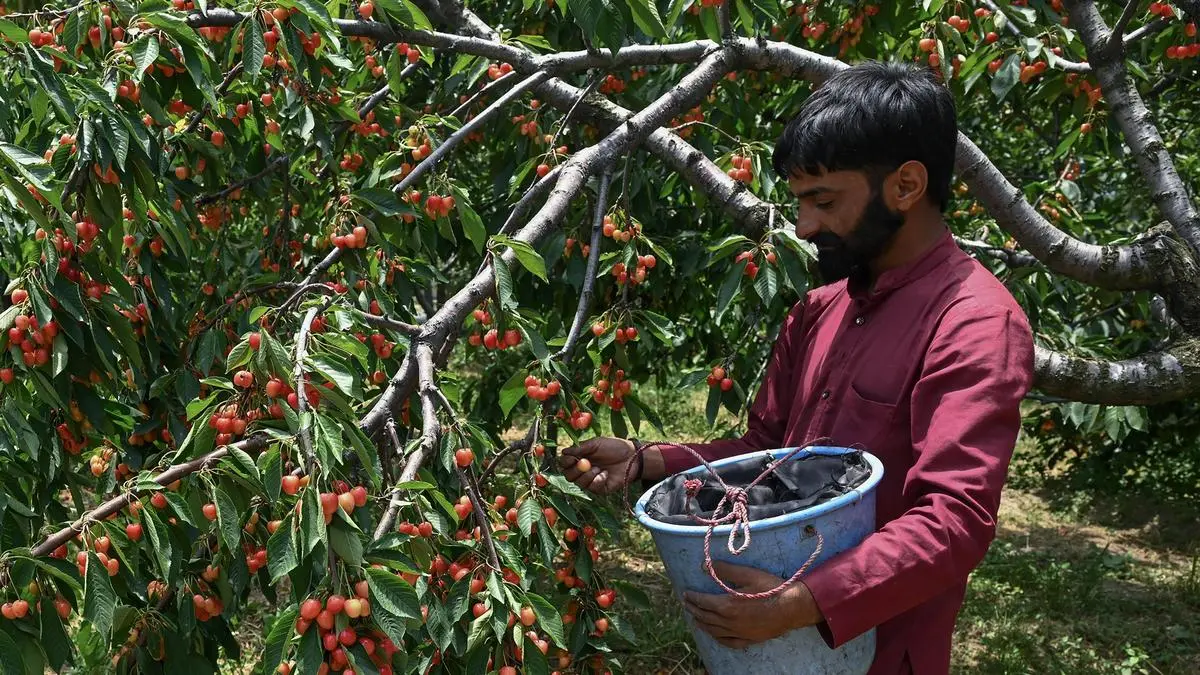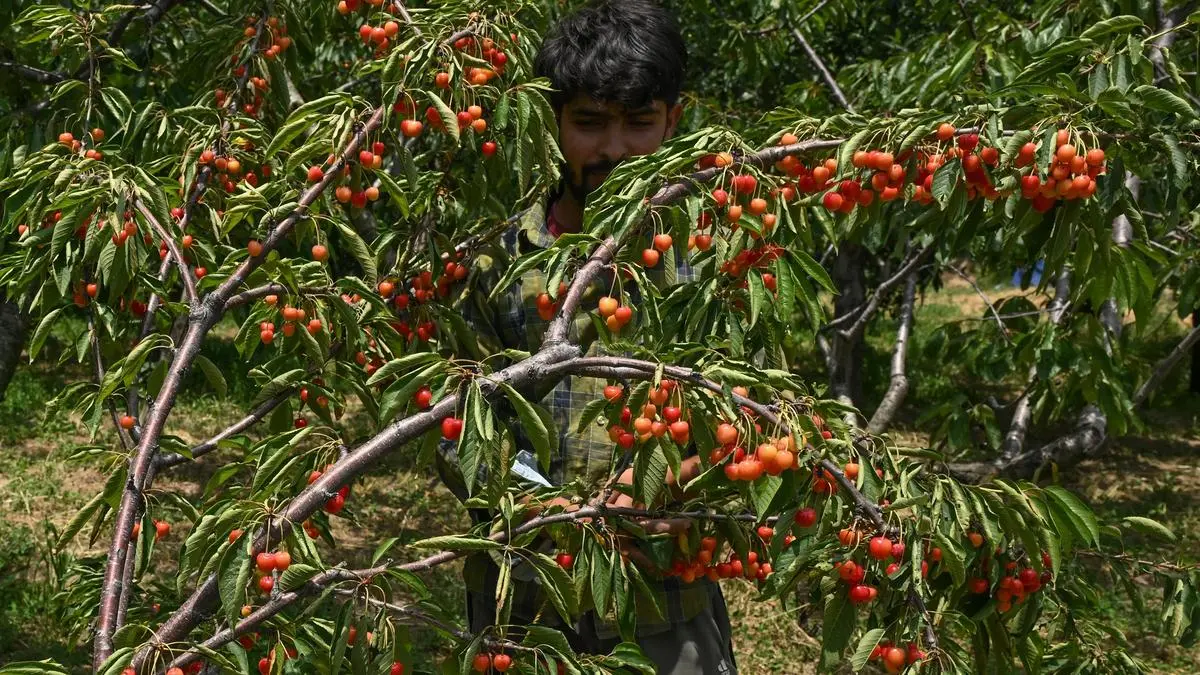
The popular exotic varieties introduced in the region included Regina, Kordia, Lapin , Areko, Santina and Sweet Sarreta.
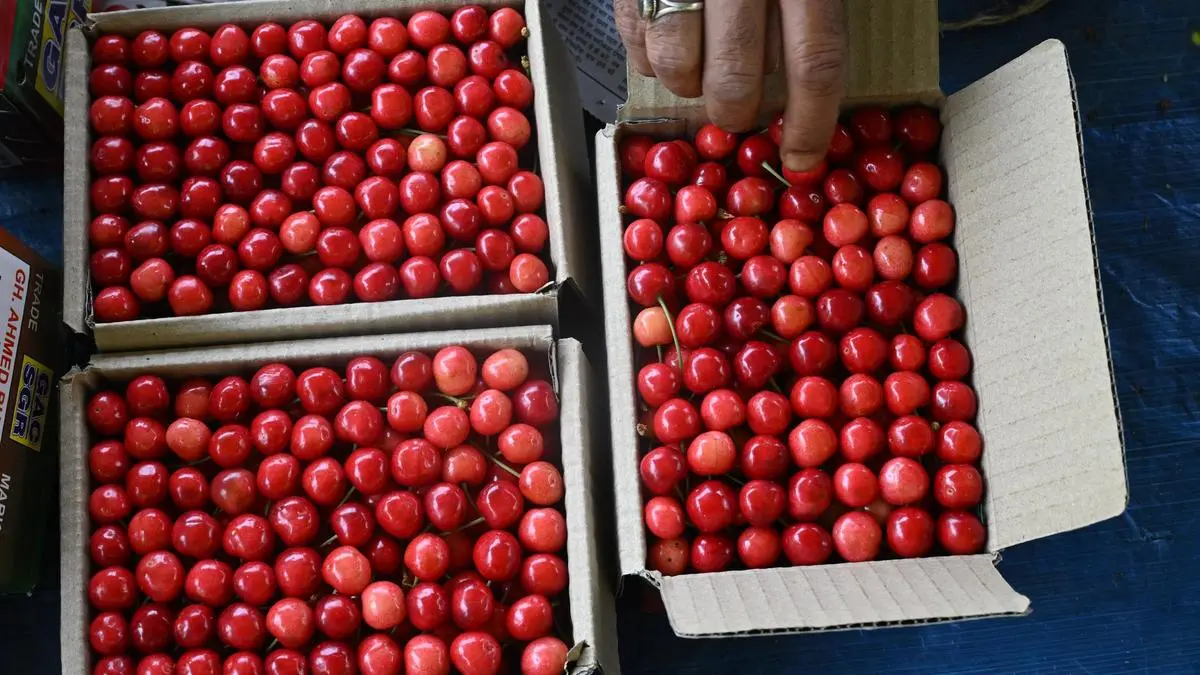
High-density varieties have transformed the cherry cultivation in the Valley with farmers growing exotic varieties that fetch premium prices in the market. Over the past few years, many growers in the major cherry-producing areas of Srinagar, Ganderbal, and Shopian districts have shifted from traditional varieties to imported, high-yielding cultivars. The popular exotic varieties introduced in the region included Regina, Kordia, Lapin , Areko, Santina and Sweet Sarreta. “These varieties fetch comparatively better prices and have improved farmers’ returns”, said Mohammad Ashraf, a cherry cultivator from Ganderbal. At present, a one-kilogram box of imported cherry varieties sells for between ₹400 and ₹500, compared with ₹200 to ₹400 for traditional varieties.High-density Backed by government initiatives such as the Holistic Agriculture Development Programme (HADP), an increasing number of growers are shifting to high-density cherry plantations, which bear fruit earlier, improve fruit quality and , help minimize weather-related losses.“The transition has not only improved fruit quality and productivity but has also enhanced farmers’ incomes by enabling them to access premium domestic and export markets”, said Javid Ahmad Dar, J&K’s Agriculture Production minister. Dar said farmers are availing different government schemes for this transition only in cherries but also in other crops. In Kashmir, cherries are cultivated across 2,952.91 hectares, yielding an annual production of approximately 23,230.59 metric tons.New initiatives To strengthen the cherry value chain in Kashmir, the Jammu and Kashmir government is implementing the Cherry Cluster Development Project under the Holistic Agriculture Development Programme (HADP) in Ganderbal and Baramulla districts. The ₹125.93-crore project, being executed by Chhabeela Greengene Propagation and Chhabeela Energy Foods Pvt. Ltd. (JV), covers around 1,440 hectares of cherry orchards and is expected to directly benefit nearly 4,000 growers.The initiative focuses on scientific orchard management, high-density plantations, improved planting material, Good Agricultural Practices (GAP) certification, organic cultivation, precision farming, and modern post-harvest infrastructure. The project aims to enhance productivity, add about 4,000 metric tonnes to annual cherry production, improve value addition and market access, and create more than 150 direct employment opportunities in nursery development, processing, storage, logistics, packaging, marketing, and allied services.Transportation boost Fast transportation of cherries to different wholesale markets across the country via railways has further benefited the farmers as it prevented the post-harvest losses. Railway officials at Jammu Division said that this season around 250 tonnes of cherries were transported to major Indian cities like Mumbai, Surat and Vadodara . “The cherries are also being transported by air cargo to Mumbai and other places”, said an agriculture official. Published on June 18, 2026