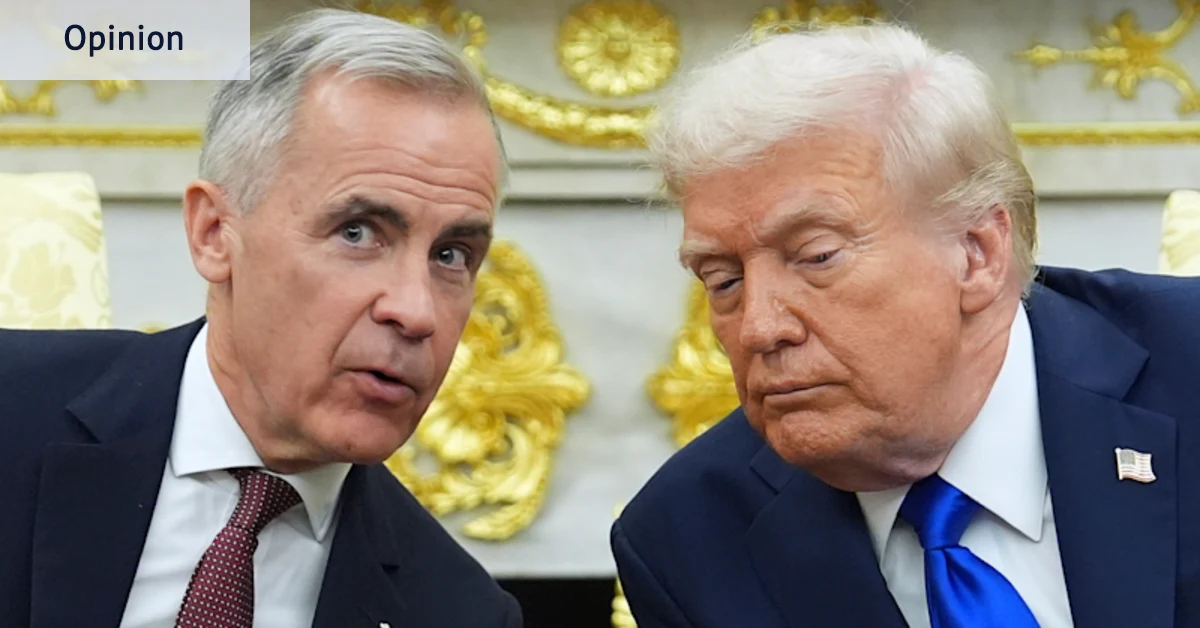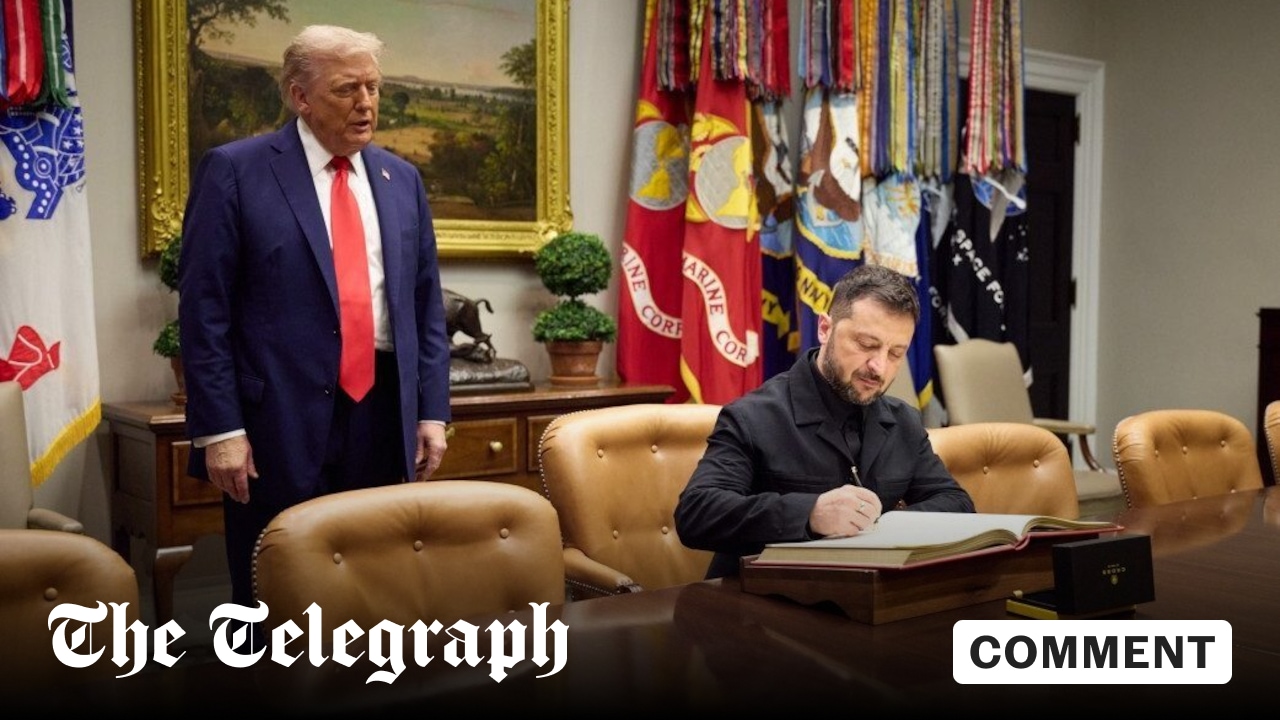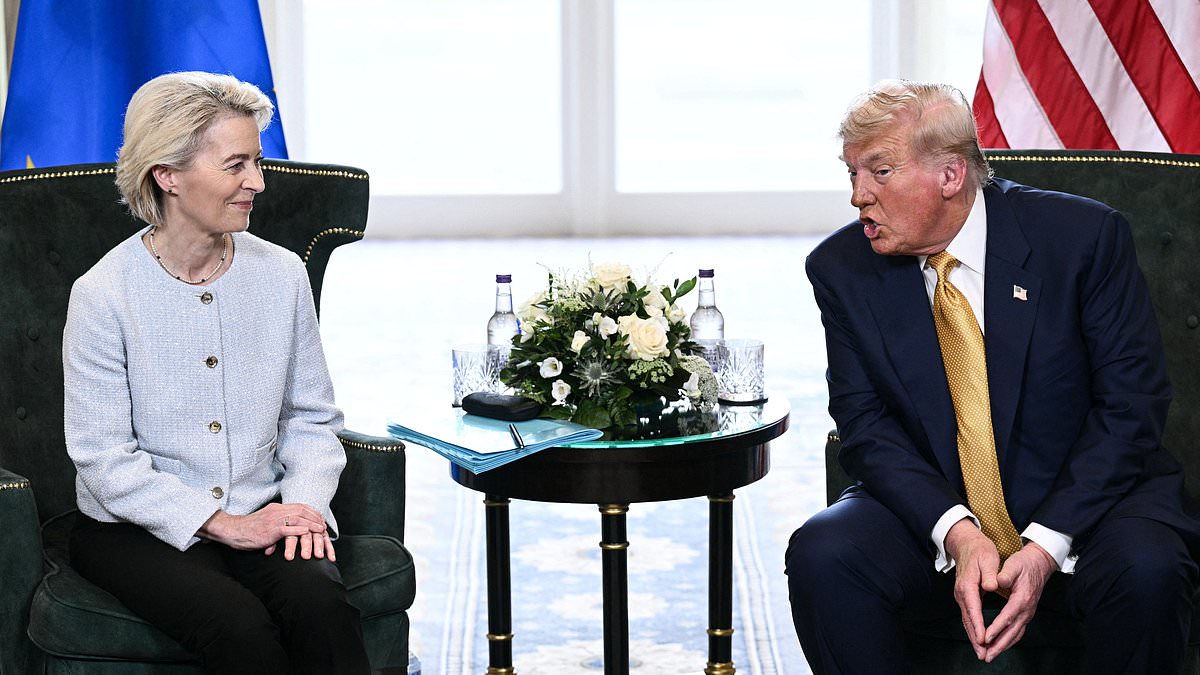
As Donald Trump signed the “Islamabad Memorandum of Understanding Between the United States of America and the Islamic Republic of Iran” – the document he had spent months referring to simply as “the deal” – French President Emmanuel Macron leaned forward to offer a crisp “bravo”. Trump handed the papers to Marco Rubio, the US Secretary of State, who applauded. Around the room at the Palace of Versailles, others joined in.
The applause came easily. Congratulatory messages quickly followed. And Pakistan’s Prime Minister Shehbaz Sharif hailed a “peaceful resolution”. Across much of the Western world, leaders welcomed an end to four months of war.
But if you listen closely, you’ll hear relief – not celebration. After all, relief has a way of lowering standards. To misquote former prime minister Theresa May, a new doctrine has emerged during this war: that a bad deal is better than no deal.
Viewed through the long arc of US-Iran relations – the kind of historical timescale that Versailles itself invites – this was, on its face, a poor bargain for Washington. It leaves the United States in a weaker position than when the war began and offers a path to renewed empowerment for a very regime whose “total surrender” Trump had demanded only weeks earlier.