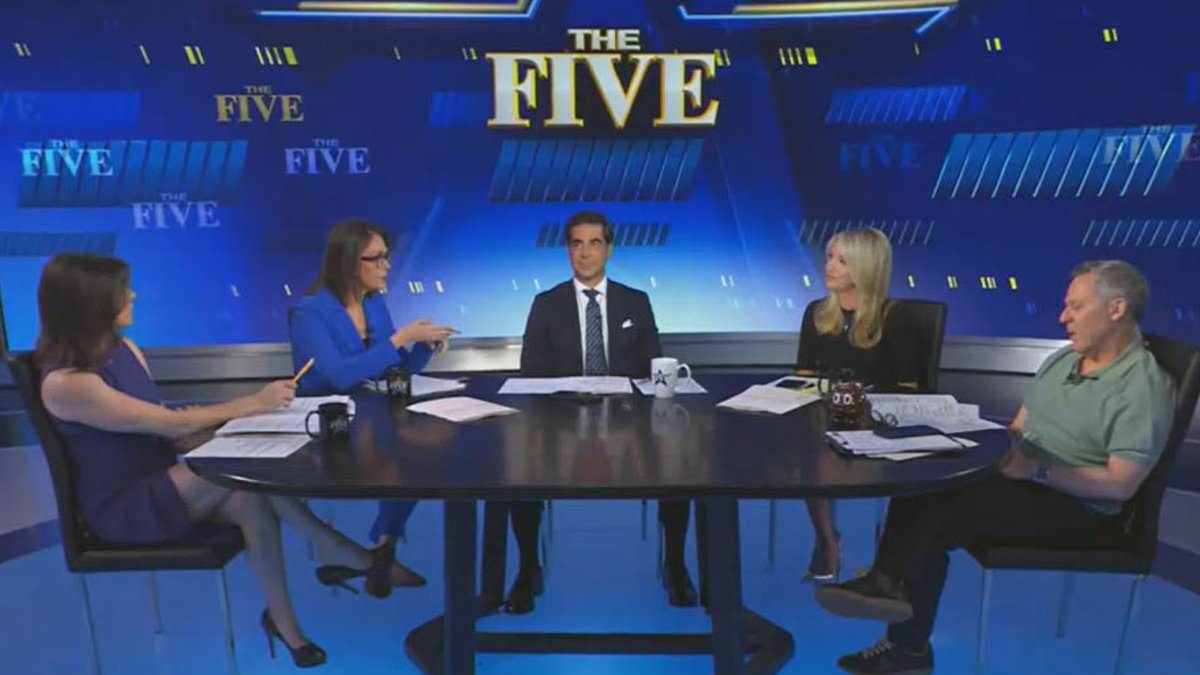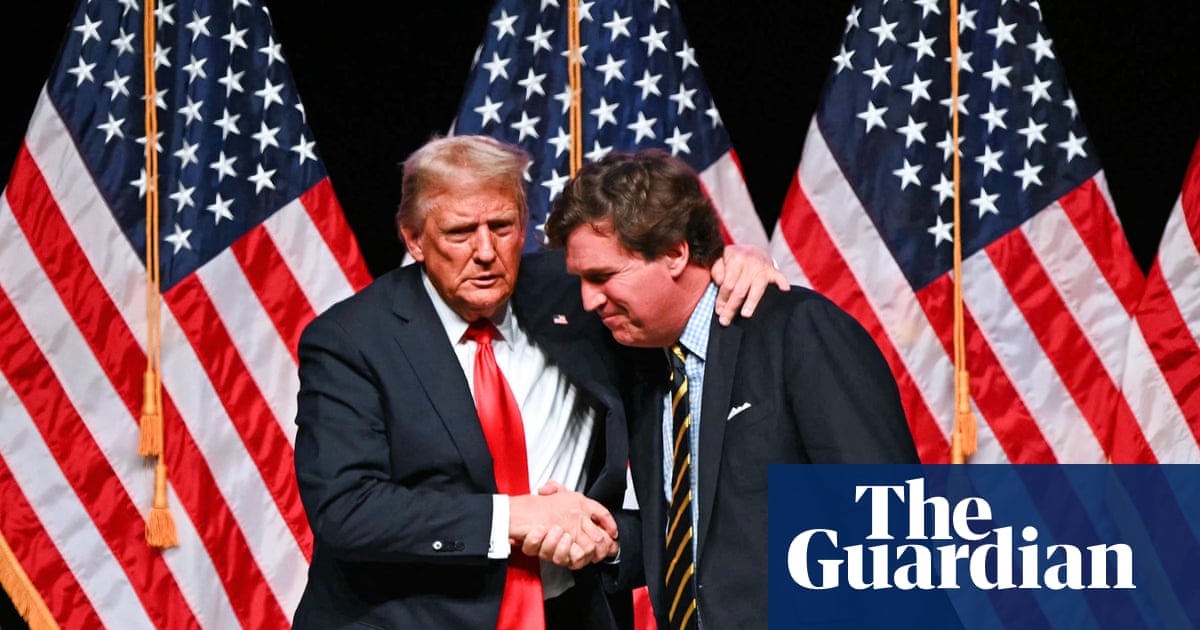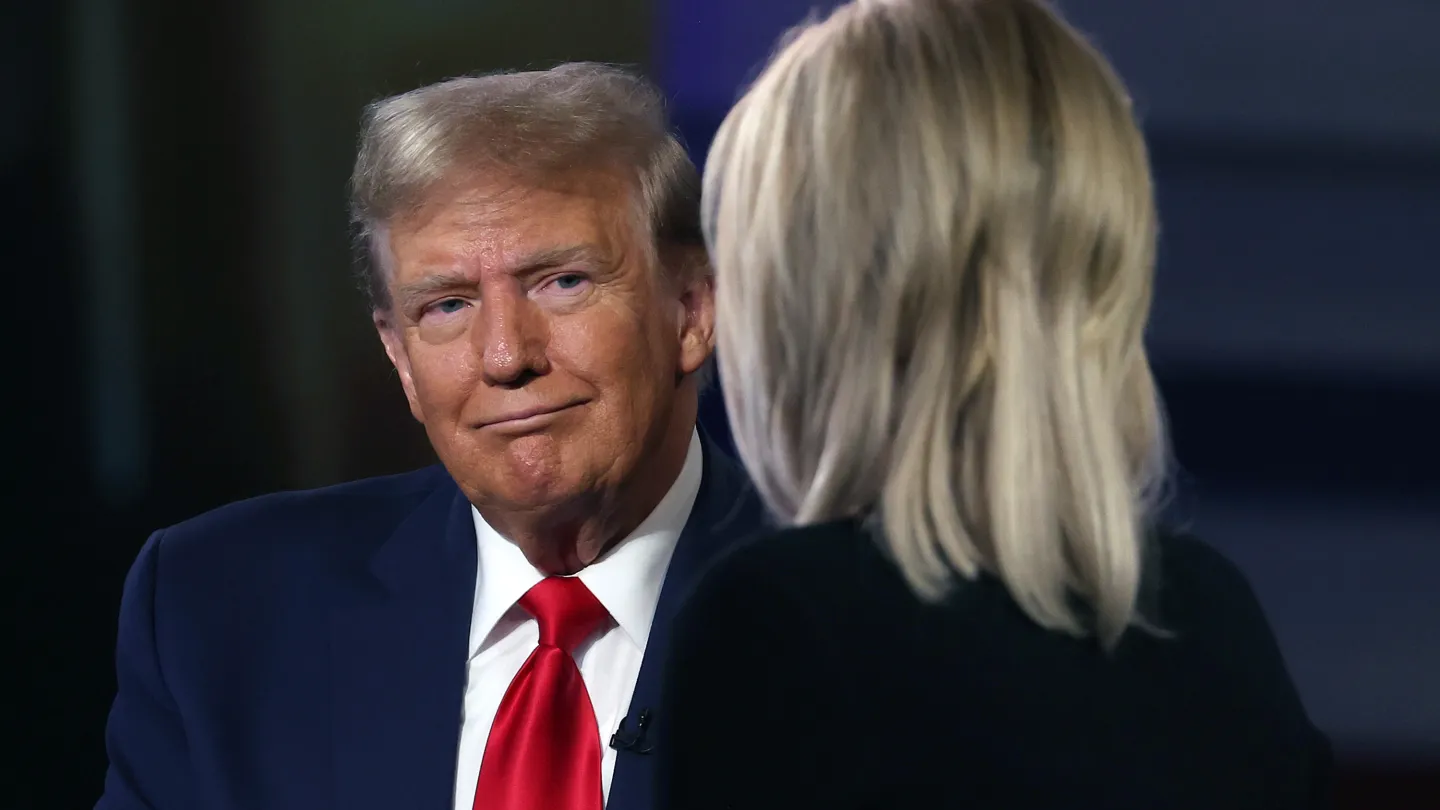
During President Trump’s “executive time” on a recent Sunday evening, one of the missives during a marathon Truth Social posting spree told the story of what was eating him as the week began. His centerpiece post carried overtones of heartbreak and its target was one that had long taunted him from inside the room: Fox News — his constant companion, his comfort zone, the powerful media engine that took a chance on him a decade ago and has, through thick and thin, fueled what has followed in his once-unlikely political career. Theirs is a marriage of convenience that’s been on the rocks since the wedding. Now, as Trump’s polls turn anemic and a restive Congress begins to splinter, the midterm elections are proving to be the tipping point that could send this marriage of mutual benefit spiraling into a messy divorce.“You could listen to Fox News all day long, absolutely devour it,” the president wrote, “but then, when you hear SLEAZEBAGS, like Congressman Ro Khanna, ‘a wolf in sheep’s clothing,’ LIE, LIE, LIE, AND LIE AGAIN, without any pushback, or competent rebuttal from an anchor,” he added, singling out Fox News host Jacqui Heinrich and her guest, the Democratic congressman from California. The two had discussed the U.S. shunning domestic production and buying cheap steel from China, with Khanna noting that it isn’t a very “America first” look for the Trump Administration.The “America first” dig landed where it was designed to — against Trump’s core political identity, at a moment when his approval has sunk to 37 percent in the latest New York Times/Siena poll, his lowest of either term, with underwater numbers on the economy and inflation that have traditionally been his strengths.Trumpism didn’t emerge from nothing. Fox News rose to dominance by offering a 24-hour cable news home for what millions of Americans wanted: a romanticized version of American history, dog-whistle politics, and a place to channel the rage of economic displacement. It became a 24-7 safe harbor, and year over year, its audience — which certainly included Donald Trump — was growing and learning to rely on it.The decade-long dance between the network and the political outsider-turned-party usurper began when the Murdoch family-owned cable outlet, surveying the uninspiring 2015 Republican primary field, begrudgingly took Trump’s hand. His fledgling MAGA movement played nicely with Fox News Republicans, whose Tea Party fervor had cooled but who were conspicuously glued to their screens watching his rallies. Fox’s audience, already primed to distrust anyone outside the GOP, found in Trump a natural fit. The honeymoon was brief — just ask former Fox News anchor Megyn Kelly — and a decade later, through years of public dressings-down, the network has stood by its man as an unprecedented retooling of Republican values unfolded.But Trump was always playing a longer game. He understood that by keeping certain opinion anchors loyal — Sean Hannity, Laura Ingraham and Tucker Carlson before his departure — Fox’s institutional coherence could be fractured from within. Those on-air allies were not merely friends. They were assets in a long-running play to disaggregate the network’s editorial authority and replace it with personal fealty. Despite the bluster, the theatrical victimhood, and the periodic threats to walk, Fox and Trump have never been able to fully say no to each other. The only difference now is that we may be entering the twilight of that arrangement.To understand how Fox lost control of the audience it built, you have to understand how completely it built them. Mastermind Roger Ailes, handpicked by Rupert Murdoch to run the network, used his background in local talk television and Republican presidential politics to create something that hadn’t existed: glossy news programming suffused with looming conflict, liberal boogeymen, flashy graphics, and celebrity-like on-air personalities who winked at their audiences like co-conspirators. Meanwhile, Murdoch was paying cable operators up to $11 per subscriber to carry the channel — reversing the industry standard entirely and buying his way into American homes.It worked with historic speed. During the contested 2000 Bush-Gore election, Fox saw a 440 percent viewership surge. The September 11 attacks were the decisive turning point, and the Afghanistan and Iraq wars that followed were gifts to a network that had positioned itself as the patriotic alternative to what it derided as liberal media. Fox’s primetime audience grew to 2.4 million against MSNBC’s 791,000 and CNN’s 481,000.What Ailes and Murdoch built in those years wasn’t merely an audience — it was emotional infrastructure. The Tea Party movement of the Obama era was its proof of concept: Fox gave wall-to-wall coverage to taxpayer marches and Tea Party rallies, with anchors like Sean Hannity and Greta Van Susteren broadcasting from the demonstrations themselves. Academic research subsequently documented that Fox News viewership correlated directly with fundraising and primary votes for Tea Party candidates. The crowd had learned it could move. Trump saw it and walked straight through the door.The resistance at Fox didn’t last. When Megyn Kelly challenged Trump at the first Republican debate — asking about his treatment of women — Trump launched an all-out war against her, boycotted a subsequent Fox debate, and watched as the network’s audience sided with him. The audience had already made its choice, and the network followed.
The Fox-Trump Divorce
For a decade, the network and the president have fueled each other’s rise. As the midterms approach, both are learning who really owns the Republican base.
1,941 words~9 min read