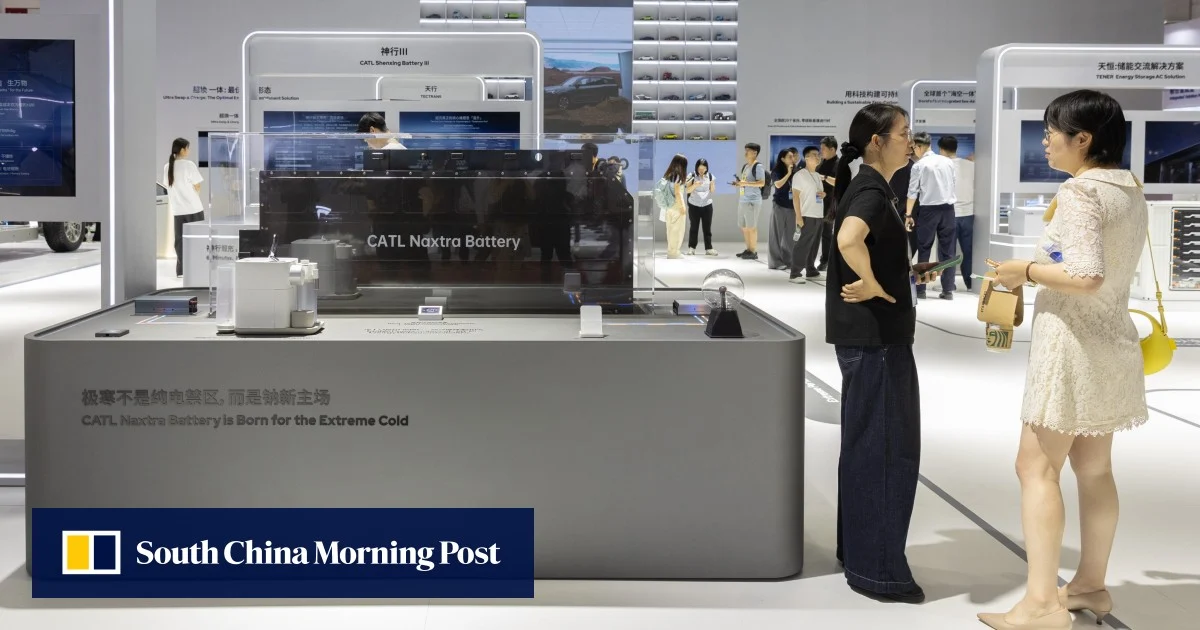
ABLC recognises that China has a greater cell supply chain than the US, and is currently dominanting Na-ion manufacturing.
However, the group believes that the chemistry “remains early enough in its commercialisation that the United States can still establish a leadership position, supported by a domestic resource base and American innovation.”
The group states that American companies have announced more than 15GWh of planned Na-ion storage offtakes, as a reflection of the technology’s reliability and a broader want to diversify from Li-ion supply chains.
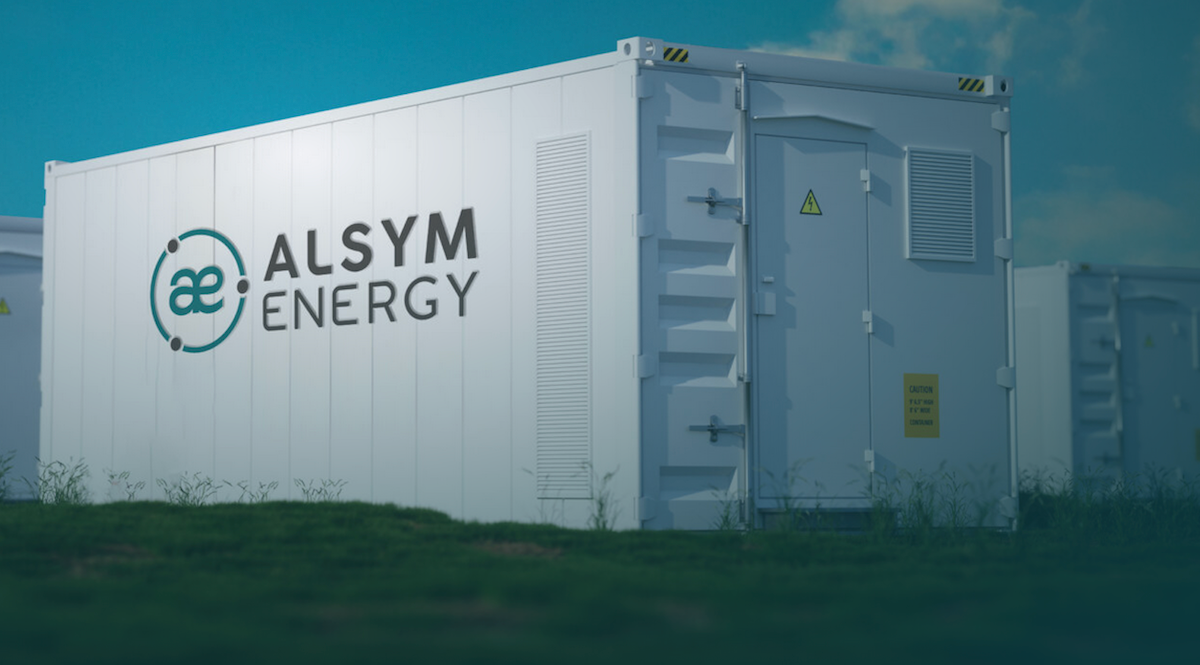
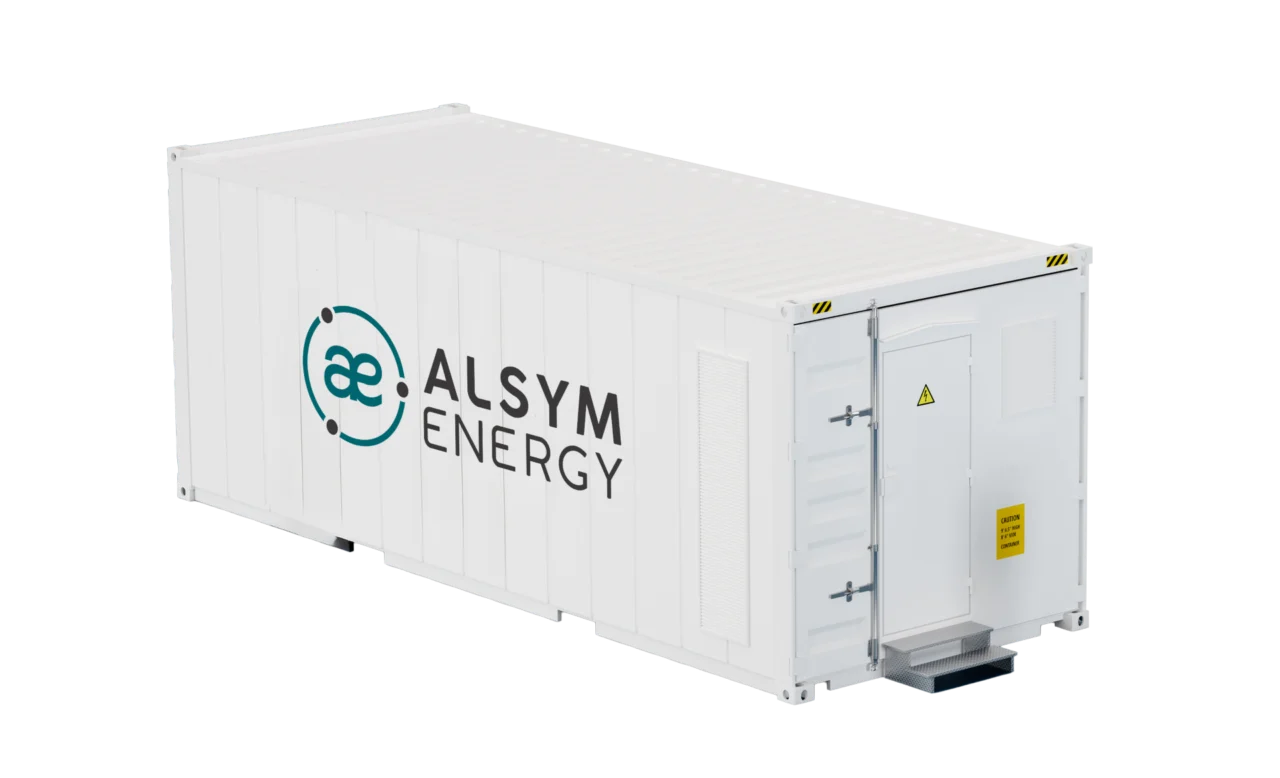
Graeme Grant, COO of Alsym Energy said, “Sodium-ion is a better path forward for stationary energy storage because it offers strong economic advantages, including lower operating costs, long cycling performance, full depth of discharge and high roundtrip efficiency.”
He continued, “Importantly, sodium-ion is built on abundant global resources, for some of which the US has a structural competitive advantage, and none of which are rare earth minerals. This means we can create a competitive and sustainable domestic, non-Foreign Entity of Concern (FEOC) supply chain. As raw material and manufacturing costs continue to decline, sodium-ion batteries are positioned to become the low-cost leader for stationary storage applications.”