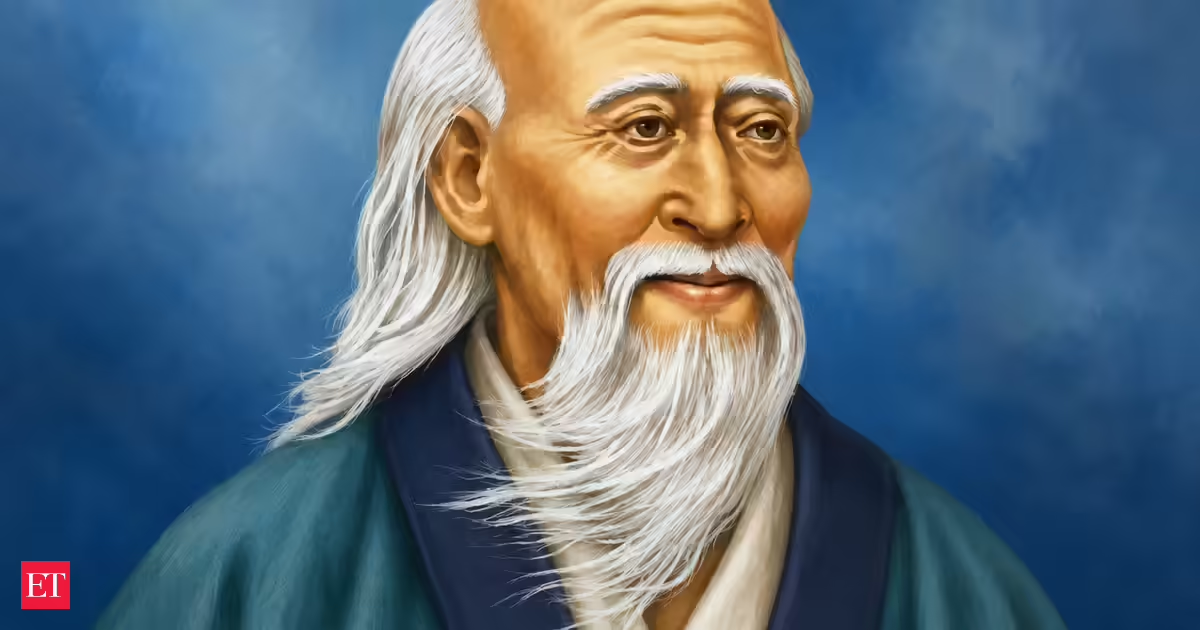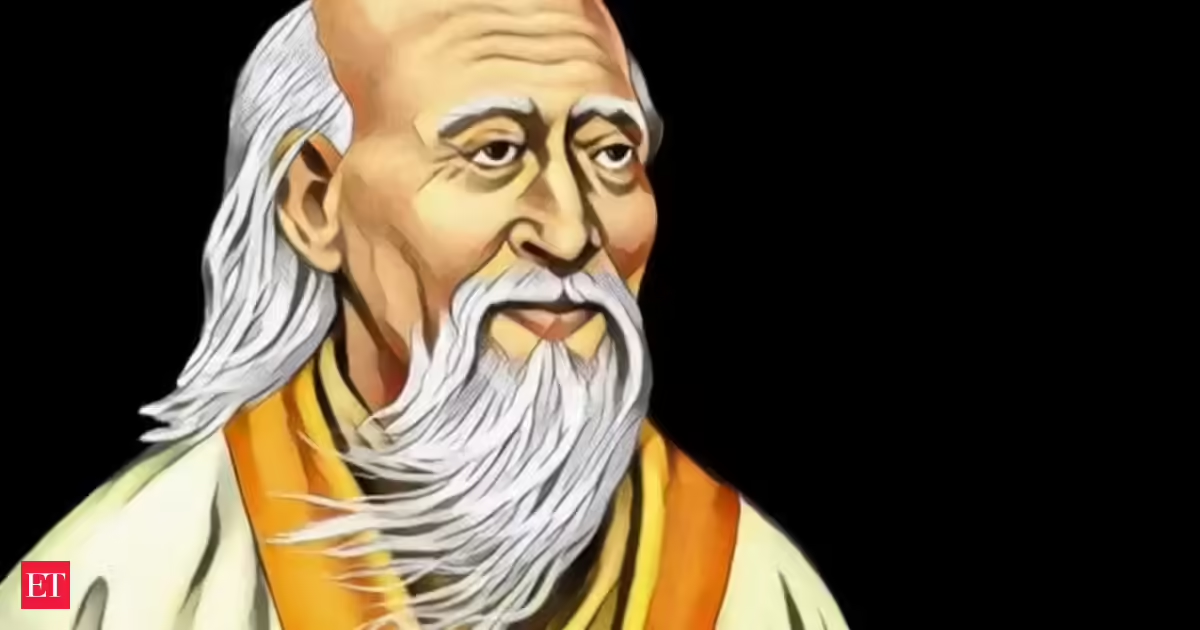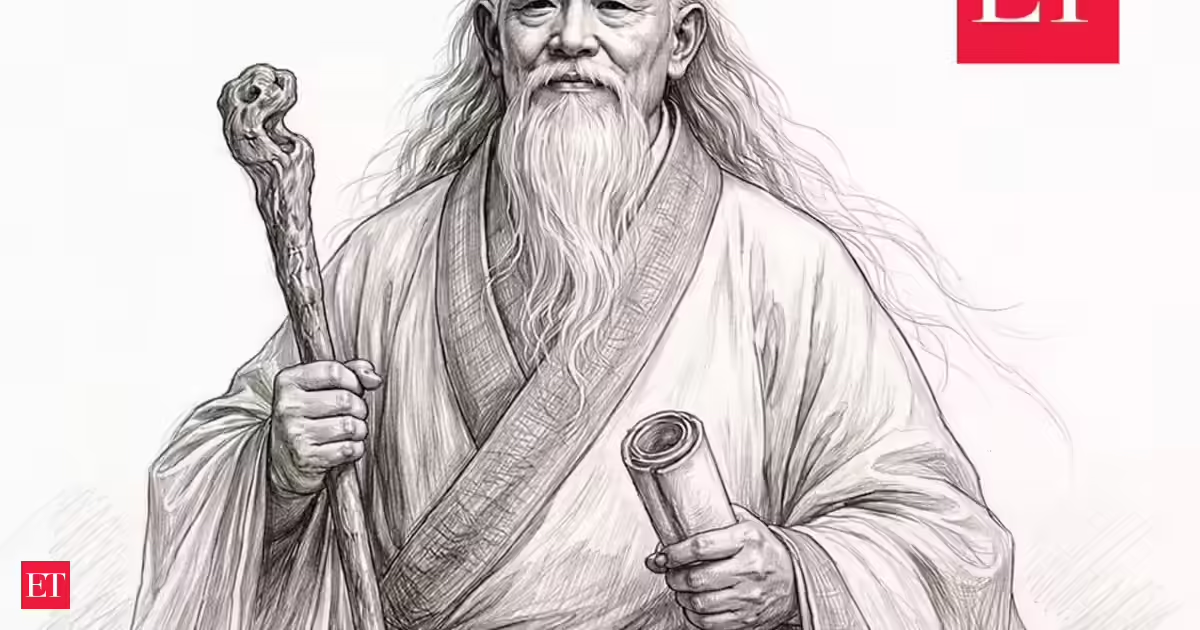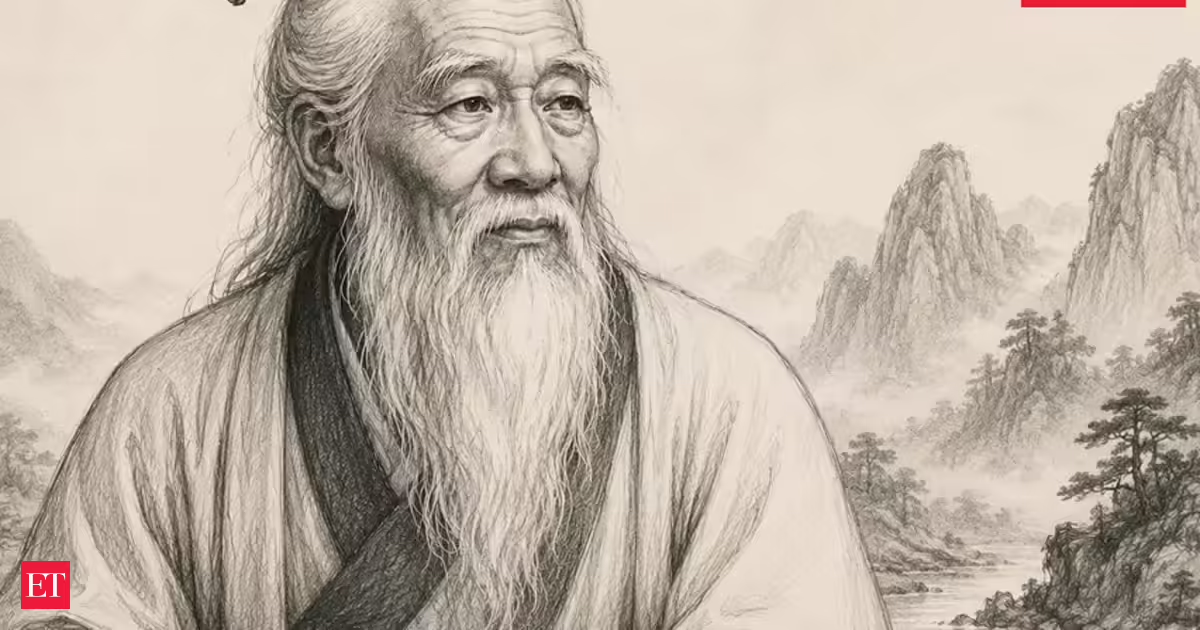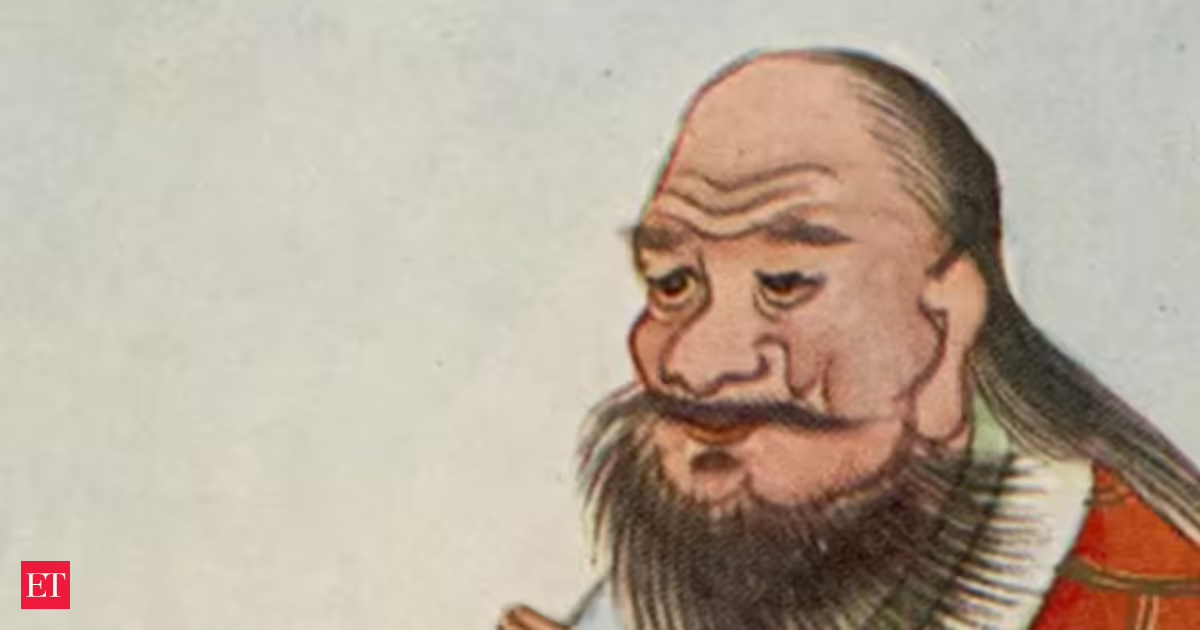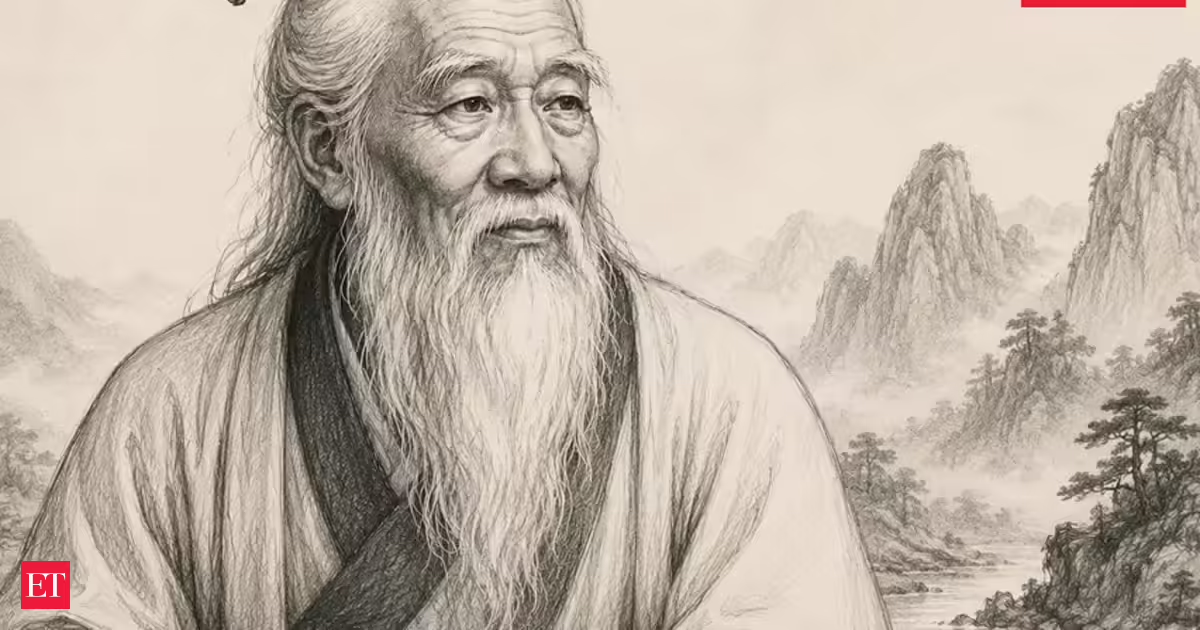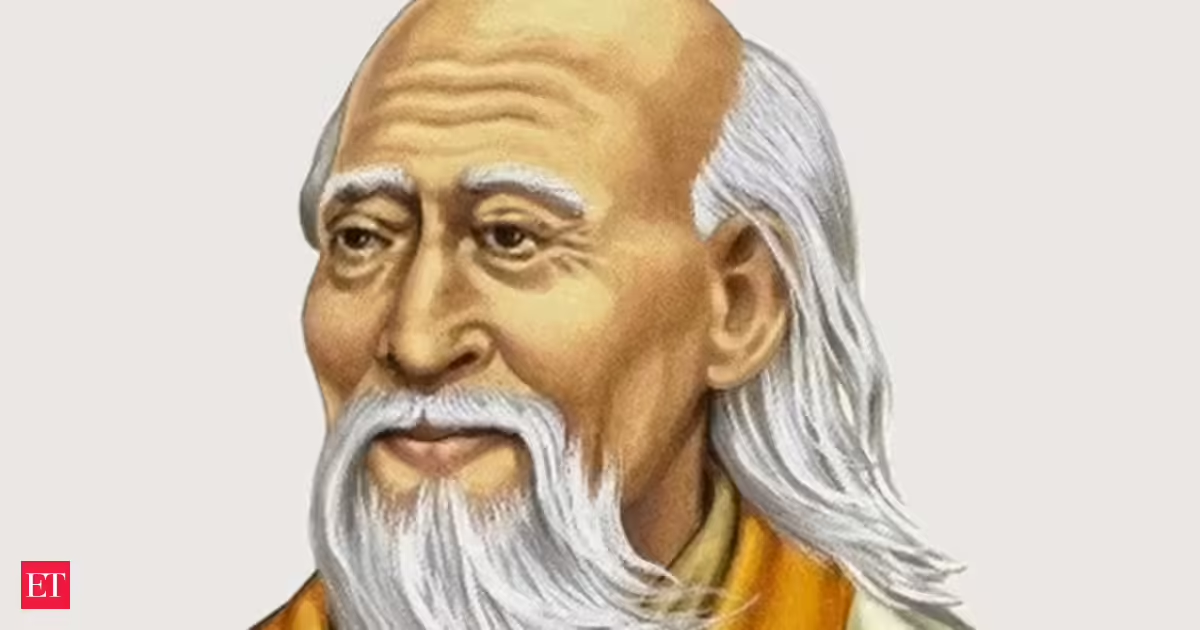
Life lesson of the day by Lao Tzu: Freedom has the power to transform how people see themselves and how they navigate the world around them. It can foster confidence, encourage personal growth, and allow individuals to live according to their own values and beliefs. However, true freedom also requires emotional independence and the ability to maintain one's sense of self without becoming overly influenced by the opinions of others.His powerful quote, “Care about what other people think and you will always be their prisoner,” highlights the importance of self-worth, personal autonomy, and inner confidence. In today’s world of social media, public judgment, and constant comparison, this quote continues to carry profound significance. It reminds us that seeking approval at the expense of authenticity can restrict personal freedom and happiness. Lao Tzu’s words encourage individuals to trust their own judgment, embrace their uniqueness, and resist allowing external opinions to define their worth. The quote continues to inspire discussions about self-respect, emotional resilience, and the importance of living a life guided by personal values rather than the expectations of others.Life lesson of the day today: Lao Tzu on Self-worth, independence, decision making and trusting yourselfLife lesson of the day by Lao Tzu: “Care about what other people think and you will always be their prisoner”Meaning of Lao Tzu’s Quote About Personal FreedomLao Tzu’s quote, “Care about what other people think and you will always be their prisoner,” explores the profound importance of self-confidence, personal freedom, and emotional independence. The phrase “their prisoner” symbolizes becoming trapped by the expectations, judgments, and opinions of others. Lao Tzu suggests that when people constantly seek approval, they surrender control over their choices and happiness to those around them.However, the deeper meaning of the quote emphasizes that true freedom comes from within. Rather than allowing external opinions to define self-worth, individuals should develop confidence in their own values and decisions. While constructive feedback can be valuable, living solely to satisfy others can limit growth, creativity, and authenticity. A fulfilling life requires the courage to think independently and remain true to oneself despite criticism or social pressure.Why Approval-Seeking from Others Can Become an Invisible CageSeeking approval from others is a natural human tendency, but when it becomes a constant need, it can quietly limit personal freedom. People who depend heavily on validation often make choices based on what others might think rather than what truly aligns with their values and goals. Over time, this creates an invisible cage where fear of criticism, rejection, or disapproval influences decisions, behavior, and even self-worth. Instead of expressing their authentic selves, individuals may hide their opinions, talents, or ambitions to gain acceptance. This can lead to stress, self-doubt, and a loss of confidence. Lao Tzu’s wisdom reminds us that true freedom comes from trusting ourselves and accepting that not everyone will agree with our choices. Personal growth begins when self-respect becomes more important than constant approval from others.Lao Tzu is traditionally believed to have been born during the 6th century BCE in ancient China, although historians continue to debate the exact details of his life. According to Chinese tradition, he was born in the state of Chu during the period known as the Eastern Zhou Dynasty. Very little verified information exists about his early years, but legends describe him as a thoughtful and highly intelligent individual who developed a deep interest in wisdom, nature, and human behavior from a young age. These early influences would later shape his philosophical teachings.Philosophy and Intellectual DevelopmentLao Tzu became known for his reflections on harmony, balance, and the natural order of life. He believed that people could achieve peace and fulfillment by living in accordance with the Tao, often translated as “the Way.” His philosophy emphasized simplicity, humility, patience, and self-awareness. Rather than seeking power or status, Lao Tzu encouraged individuals to cultivate inner wisdom and maintain harmony with both nature and themselves. These ideas formed the foundation of Taoist thought and continue to influence people around the world.The Tao Te Ching and Lasting WisdomLao Tzu is traditionally credited with writing the Tao Te Ching, one of the most influential philosophical works in history. The text contains short passages offering guidance on leadership, personal growth, relationships, and spiritual understanding. Its teachings encourage people to embrace simplicity, avoid unnecessary conflict, and trust the natural flow of life. Many of the book’s lessons remain relevant today because they address universal aspects of human experience and behavior.Influence on Eastern ThoughtThe teachings of Lao Tzu became the foundation of Taoism, a tradition that has shaped Chinese culture, spirituality, and philosophy for centuries. His ideas influenced not only religion but also literature, art, politics, and approaches to personal wellbeing. Concepts such as balance, moderation, and harmony with nature continue to be central themes in Eastern thought and practice.Legacy and Lasting InfluenceAlthough much about Lao Tzu’s life remains uncertain, his influence is undeniable. He is remembered as one of the most important philosophers in human history, whose teachings transcend cultural and historical boundaries. His insights on self-awareness, freedom, and inner peace continue to resonate with modern audiences seeking meaning in an increasingly complex world. Today, Lao Tzu’s wisdom inspires discussions about mindfulness, emotional resilience, and the importance of living authentically. His quote about caring too much about others’ opinions serves as a timeless reminder that true freedom begins when individuals stop allowing external judgments to control their lives.Life Lessons from Lao Tzu’s Famous QuoteLao Tzu’s quote, “Care about what other people think and you will always be their prisoner,” teaches that true freedom begins with self-confidence and independent thinking. Constantly seeking approval from others can limit personal growth, create unnecessary anxiety, and prevent people from living authentically. The quote highlights the importance of trusting one's own values and making decisions based on personal conviction rather than external judgment. In modern life, where social comparison and public opinion can strongly influence behavior, this message is especially meaningful. Lao Tzu’s words remind us that genuine happiness comes from self-acceptance, emotional independence, and the courage to remain true to ourselves regardless of what others may think.Why This Quote Still Matters TodayLao Tzu’s quote remains highly relevant today because people are surrounded by constant feedback, opinions, and social pressure. Through social media, online interactions, and public scrutiny, many individuals feel compelled to seek validation from others before making decisions or expressing themselves. This quote reminds us that allowing external opinions to determine our worth can lead to insecurity and emotional dependence. Instead, true confidence comes from trusting ourselves and focusing on what genuinely matters. In a world where comparison is common and approval is often sought, Lao Tzu’s message encourages people to embrace authenticity, strengthen self-belief, and live with greater freedom and peace of mind.Wisdom for Personal GrowthLao Tzu’s quote, “Care about what other people think and you will always be their prisoner,” reflects a timeless truth about personal freedom and self-respect. A fulfilling life is built on self-awareness, confidence, and the ability to make choices without being controlled by the expectations of others. While listening to constructive advice can be beneficial, no one should sacrifice their identity simply to gain approval. True growth comes from understanding one's own values and having the courage to follow them. This wisdom remains relevant because it encourages emotional resilience, authenticity, and inner strength. Real freedom is not found in pleasing everyone but in living according to your own principles and beliefs.
Life lesson of the day by Lao Tzu: “Care about what other people think and you will… — Inspiring lessons on confidence, personal growth, social expectations, authenticity and why true happiness comes from trusting yourself rather than seeking constant approval from others by the legendary Chinese philosopher known for the deep insights on human nature and inner peace
Life Lesson of the Day by Lao Tzu: Lao Tzus quote, “Care about what other people think and you will always be their prisoner,” explores the importance of self-confidence, personal freedom, and independent thinking. The quote suggests that constantly seeking approval from others can limit personal growth and happiness, causing people to make choices based on external expectations rather than their own values.
1,233 words~6 min read