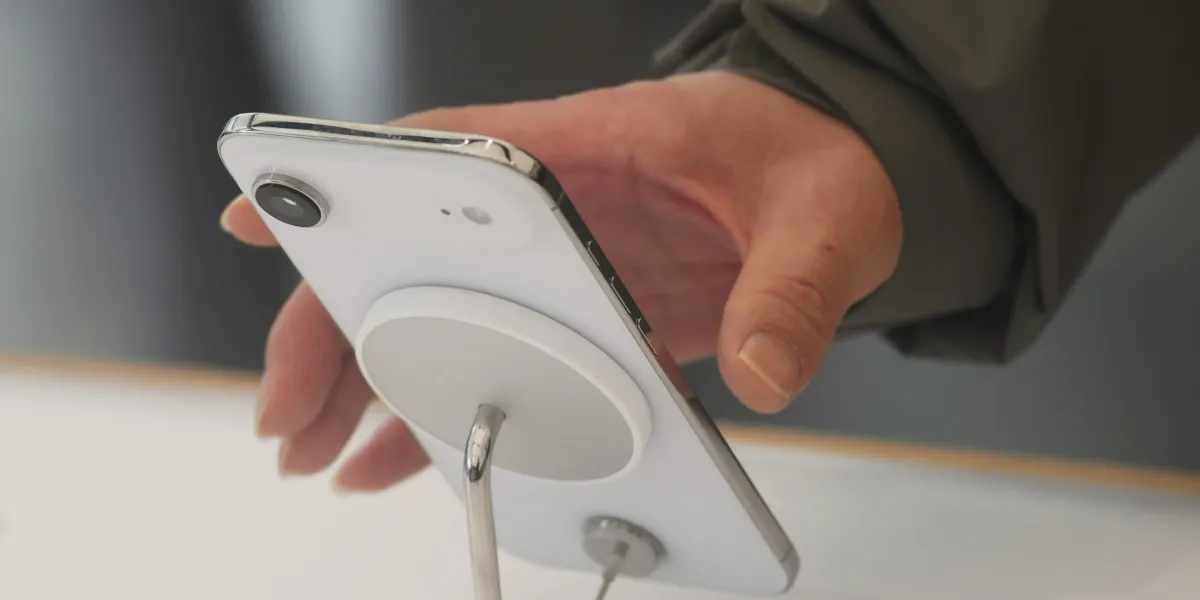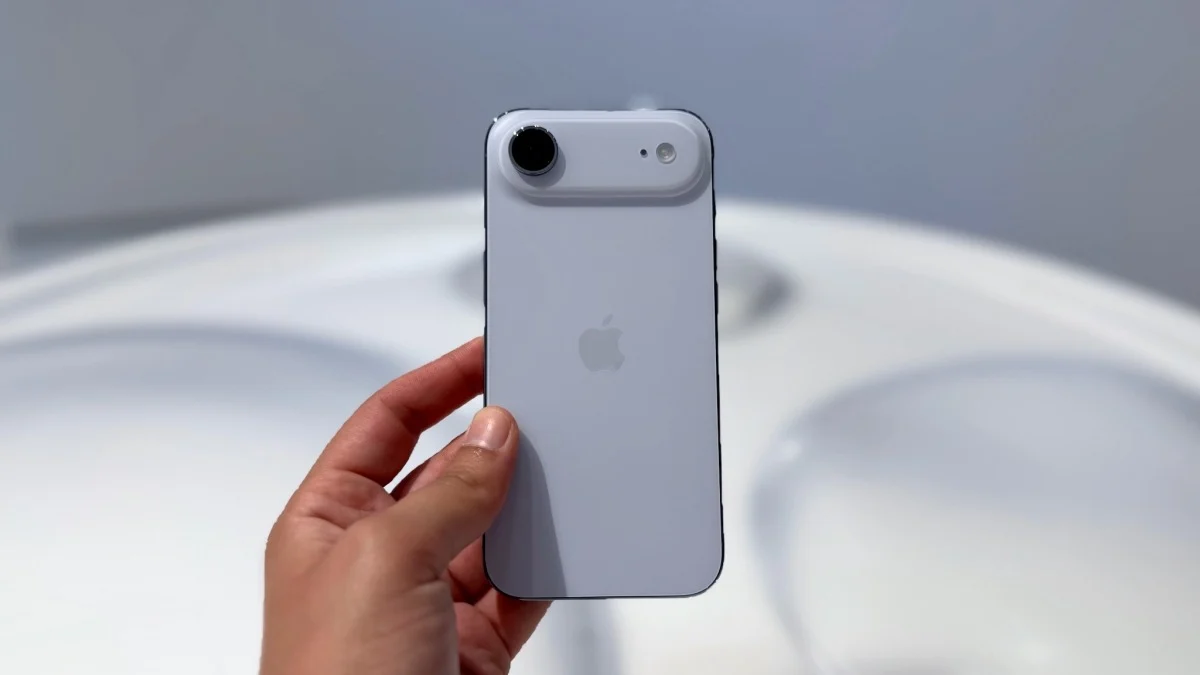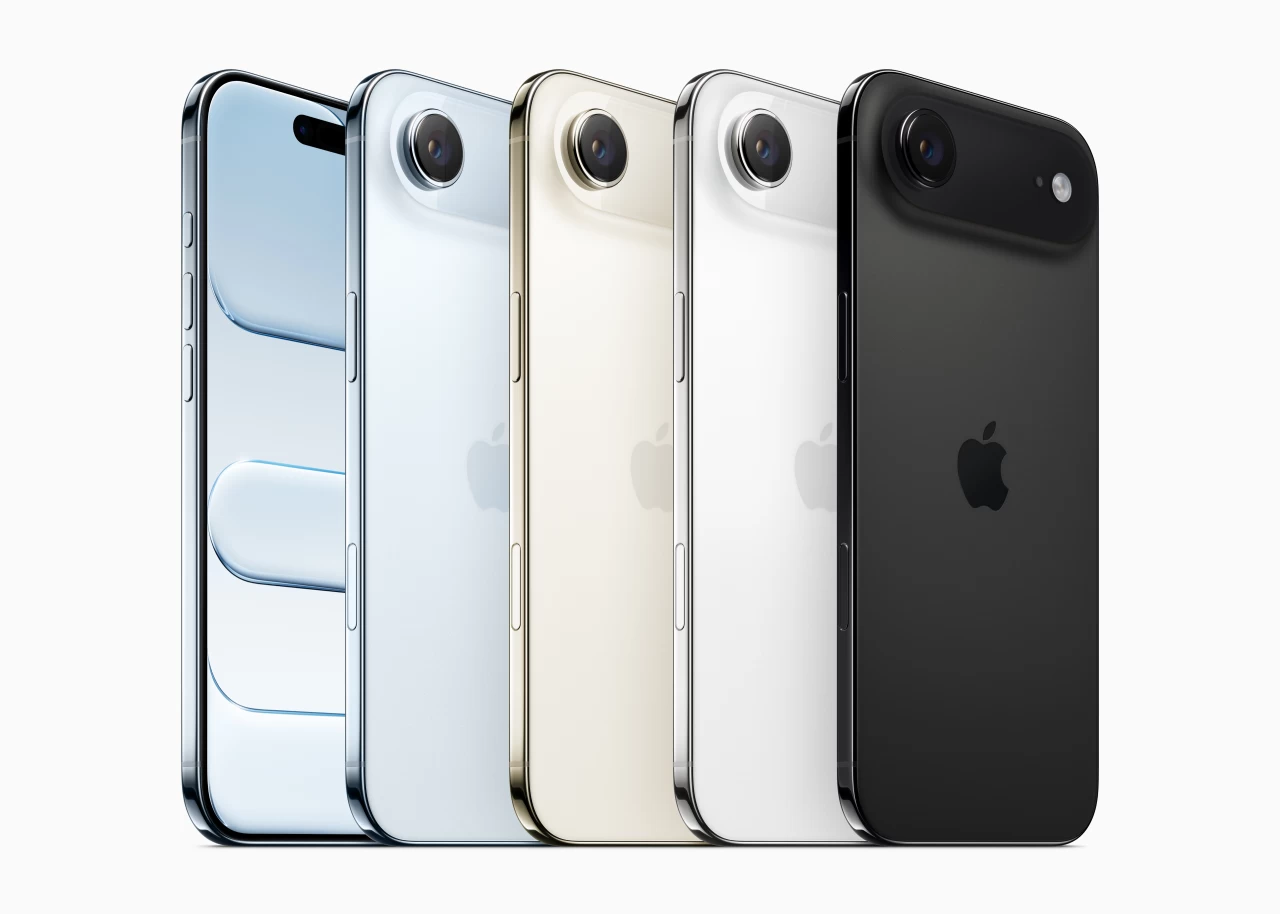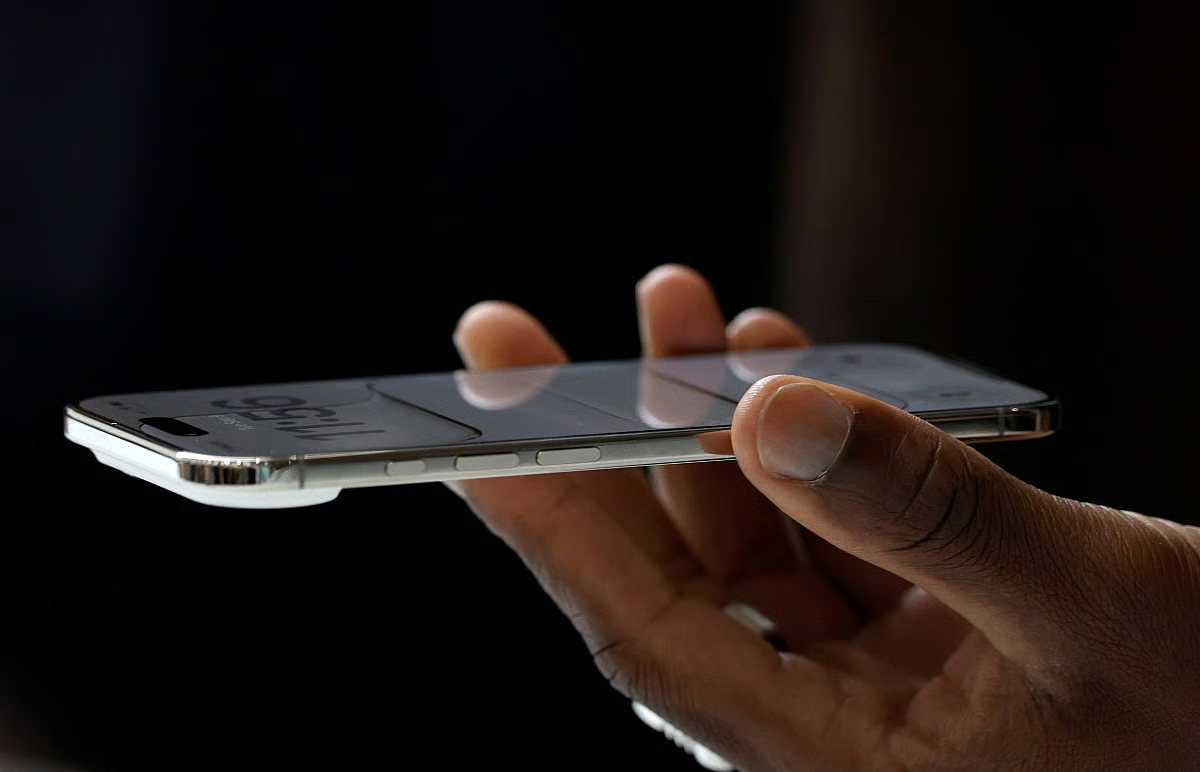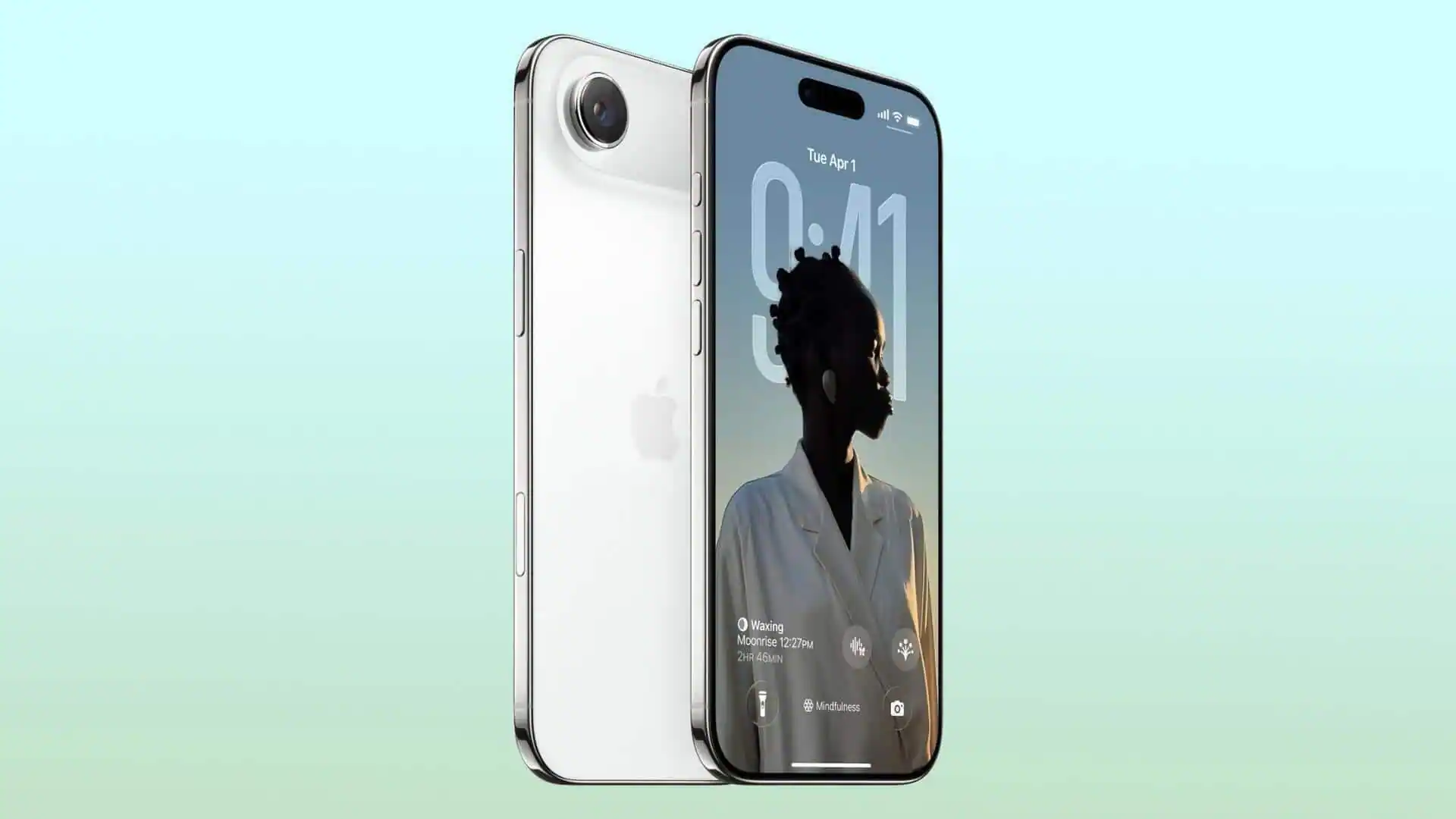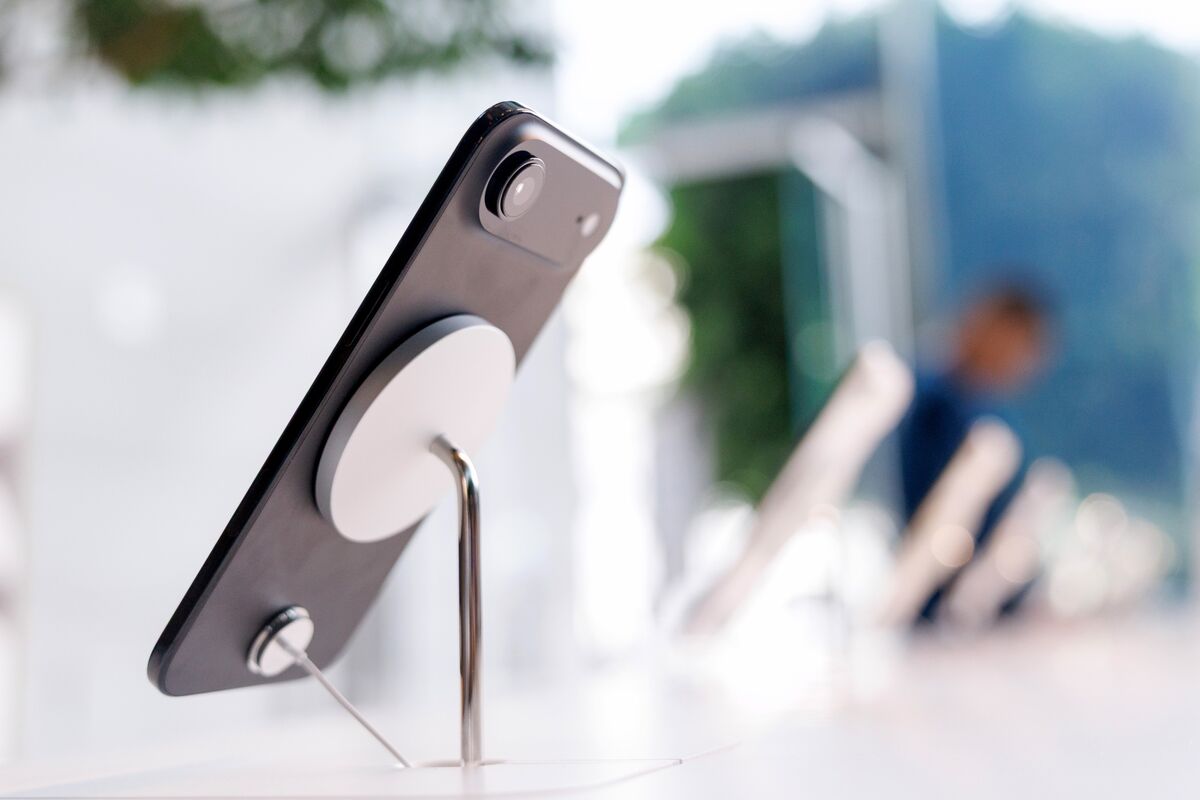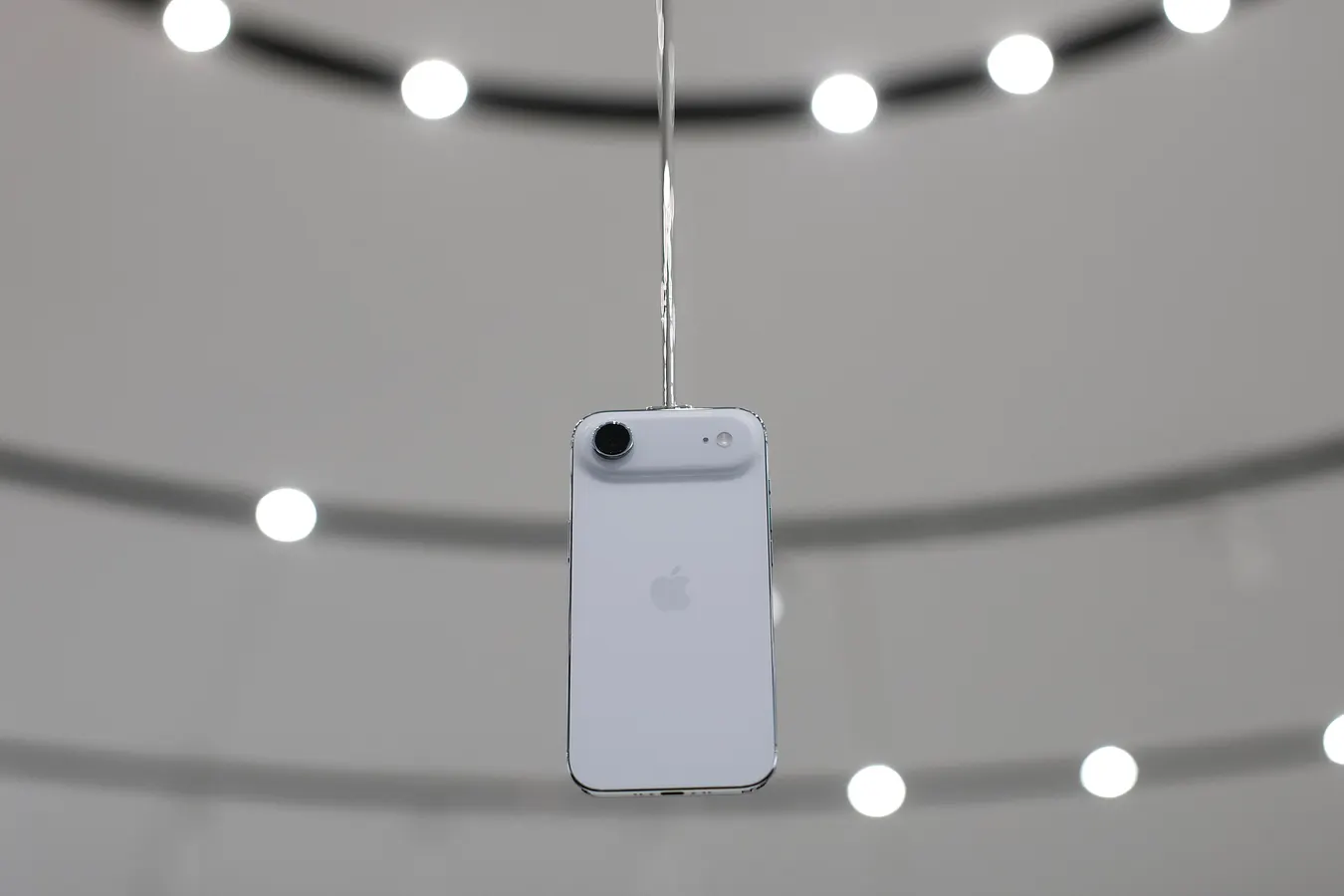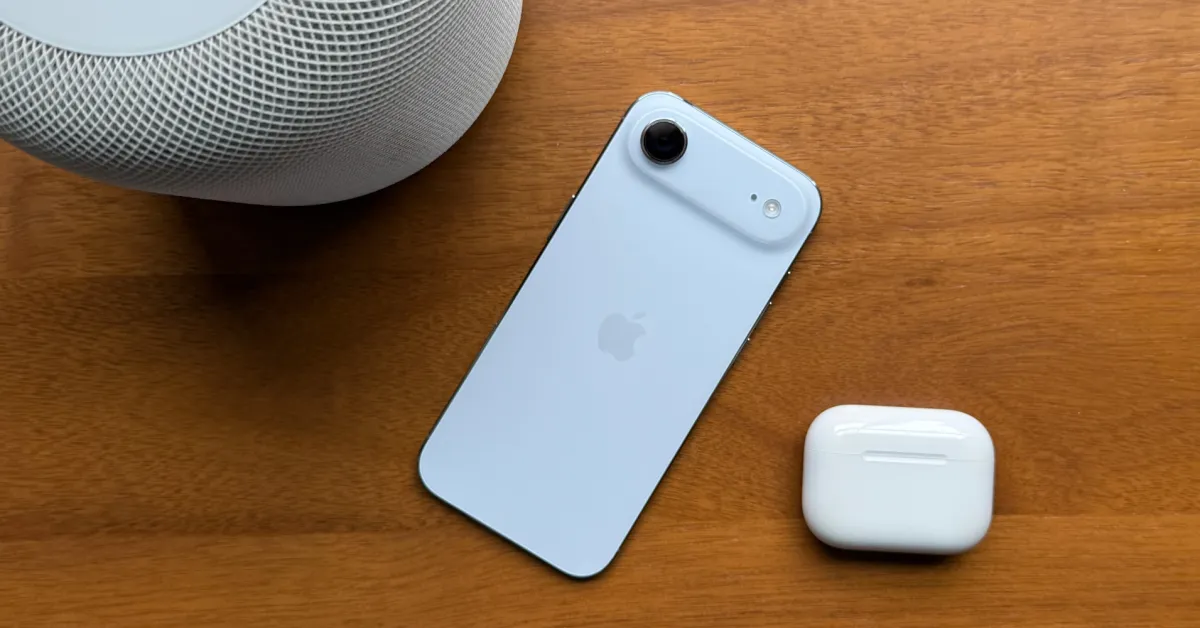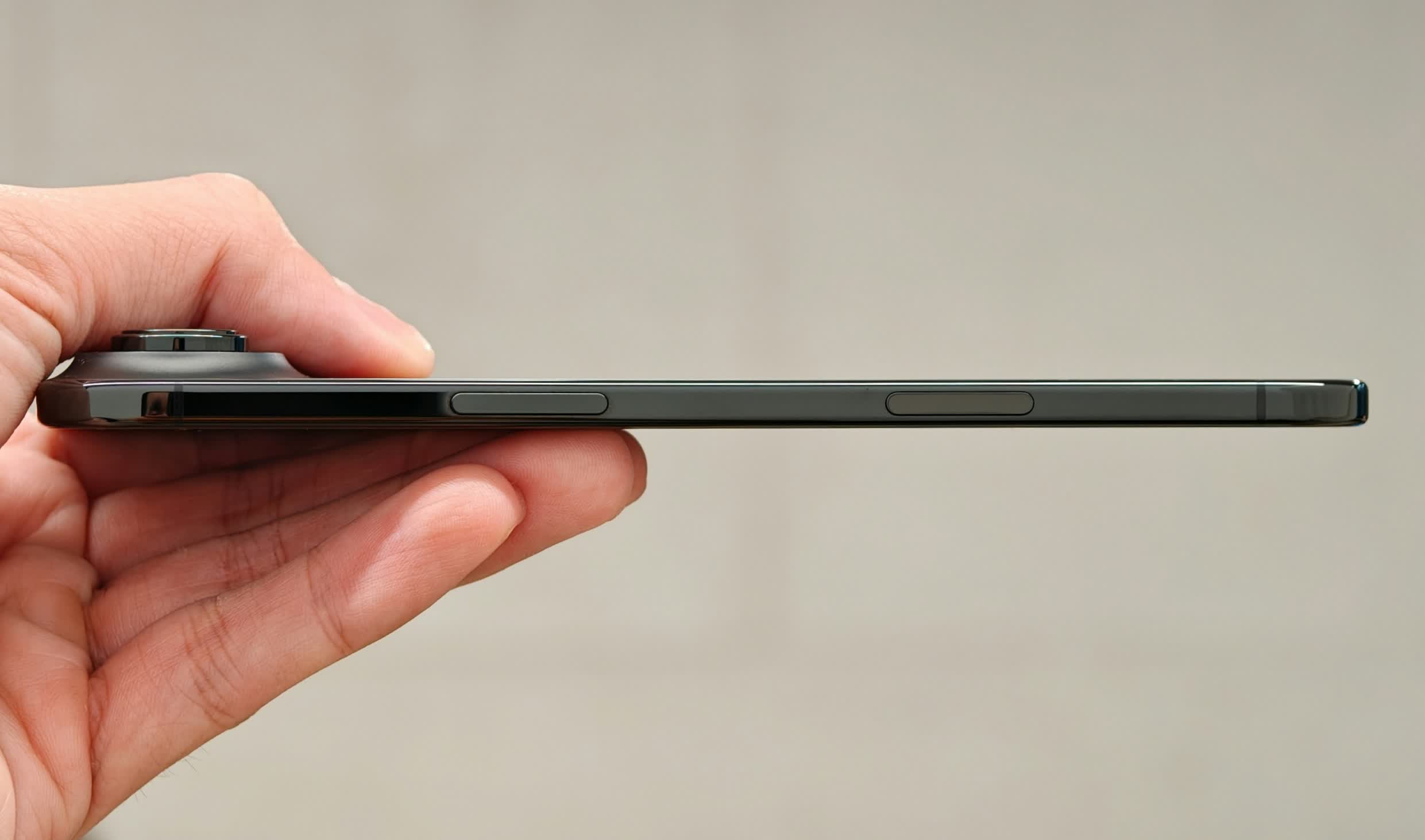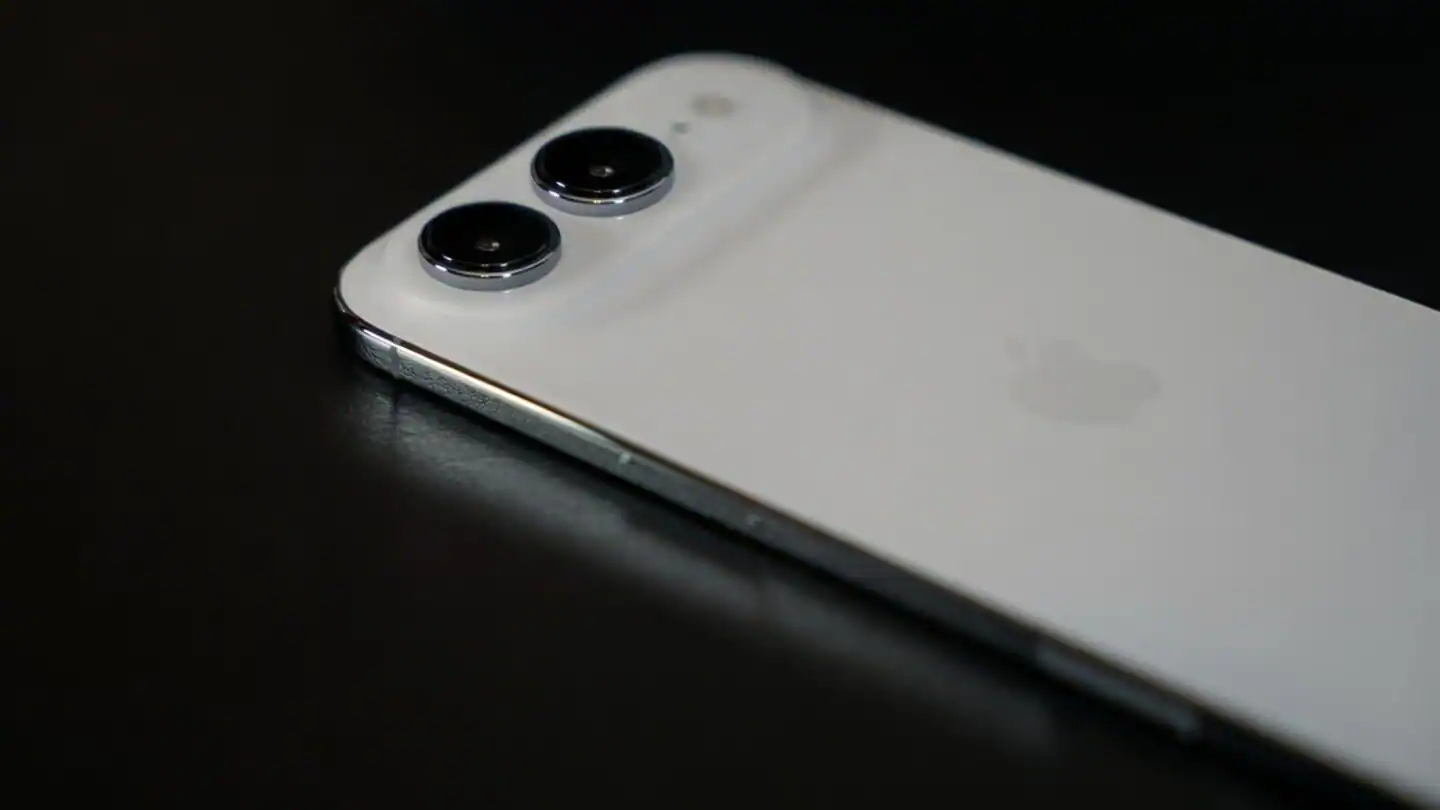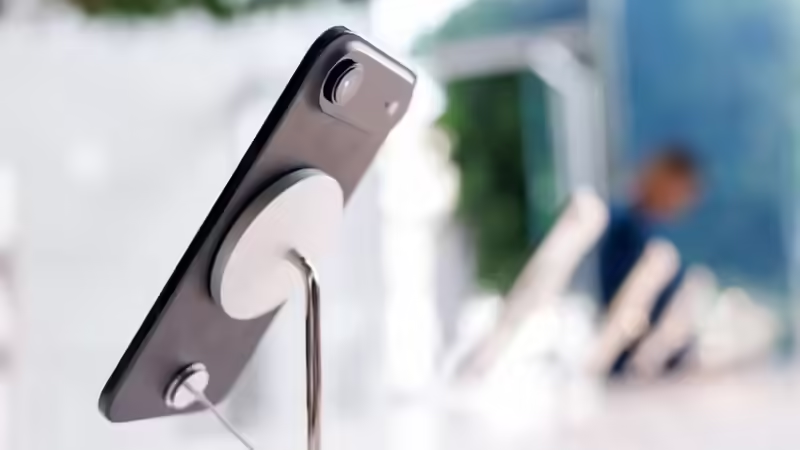
Photo credit: bloomberg.comIt looks like Apple isn’t done chasing thinner phones just yet. According to Bloomberg, they’ve already started work on a second-generation iPhone Air - aiming for a spring 2027 release. This time, though, they’re paying extra attention to battery life and the camera, which were the main complaints about the current version. While Apple is doubling down on slim designs, Samsung seems to be moving in the opposite direction and pulling back from their own ultra-thin phone efforts. The two tech giants are starting to drift apart in how they see the future of smartphone design.Key Takeaways The next iPhone Air is likely dropping in early 2027. Apple’s aiming to fix the big complaints - mainly battery life and camera quality - so expect improvements there. Rumor has it, prototypes include a second rear camera for ultrawide shots, which should make photo options a lot better. Apple’s testing this new device under the codename V62. Looks like the new iPhone Air will launch right alongside the standard iPhone 18 when it arrives in early 2027.The race to make ultra-thin phones isn’t over yet For years, phone makers chased bigger screens, faster chips, and better cameras. Lately though, they’ve started focusing on slimmer designs that don’t compromise on power.Apple entered that race with the iPhone Air, while Samsung introduced the Galaxy S25 Edge. But according to recent reports, Samsung’s backing out - the company apparently canceled plans for a Galaxy S26 Edge because buyers just weren’t all that interested in skinny phones.Apple, on the other hand, isn’t giving up. Instead of scrapping its thin-phone plans, it’s reportedly working on a second-generation iPhone Air. Seems like Apple believes there’s still a future for ultra-thin phones - and it’s betting the first Air was just the beginning, not a dead end.A striking design that came with compromisesThe first iPhone Air grabbed attention right away thanks to its design. At just 5. 6mm thick (not counting the camera bump), it was the slimmest iPhone Apple had ever made. It was super light, too - only 165 grams - which put it among the lightest phones Apple ever released.But getting the phone that thin meant Apple had to make a few sacrifices. The Air came with just one rear camera, so if you wanted the versatility of the triple-camera system on the iPhone 17 Pro, you were out of luck. Instead of stereo speakers, it used a single mono speaker, which felt like a step down if you cared about sound quality. And the battery was the smallest of the four iPhones launching that year. Even though people loved how it looked and felt, they didn’t hold back on criticizing those trade-offs.Apple reportedly wants to fix the biggest complaintsBloomberg says Apple is tackling some of the shortcomings in the next Air. Right now, prototypes - called V62 inside Apple - have a second rear camera. This one’s built for ultrawide shots, which should make the camera much more versatile and push the Air closer to those pricier iPhone models.As for the design? Apple doesn’t seem to be making big changes. Looks like they want to keep that ultra-thin look, which has always set the Air apart.Battery life is another thing Apple’s focusing on. Details are still fuzzy, but Bloomberg makes it clear that better battery life is a priority. What’s not clear is how they’ll pull it off - maybe a bigger battery, better components, or smarter software. The tricky part is that making a battery last longer without adding bulk is a tough engineering problem, especially when thinness is non-negotiable for Apple.The next iPhone Air might feel familiar under the hoodApple is reportedly planning to equip the second-generation Air with a version of its A20 Pro chip - the same family set to launch with this year’s iPhones. That’s a smart move, since the A20 Pro should boost the Air’s speed and energy efficiency, all without adding any extra bulk. Better efficiency doesn’t just mean faster performance; it means Apple can squeeze in a longer battery life too, which is something the company is clearly aiming for.Bloomberg says Apple is putting a lot of focus on two things: making the camera better and stretching out battery life. Those are, apparently, the two big areas where they think the Air could really improve.Now, zoom out a little and it looks like the Air’s update is just one part of a bigger shakeup for the iPhone lineup. Bloomberg’s reporting that Apple is also deep into developing its first foldable iPhone, and they might have a special 20th anniversary edition planned for 2027 - a phone with a display that actually curves around the device’s sides.Even how Apple launches new iPhones is getting a rethinkThe fall announcements could lean heavily on premium models - think iPhone 18 Pro, 18 Pro Max, and the folding iPhone - while the standard iPhone 18 and the updated Air might show up about six months later. If Apple sticks to this plan, the new Air would hit shelves about eighteen months after the last one, which gives them some breathing room to really polish the design and push this whole ultra-thin phone idea even further.Rumoured iPhone Air (2027): What could change?FeatureFirst-generation iPhone AirRumoured Second-generation iPhone AirThickness5. 6mmSimilar design expectedWeight165gNot specifiedRear CamerasSingle cameraDual-camera setup with ultrawide lensBatterySmallest in lineupBattery improvements expectedProcessorCurrent-generation chipA20 Pro-based chipsetInternal Codename -V62Launch TimelineCurrent modelSpring 2027 (reported)Frequently Asked Questions1. Why is Apple sticking with the iPhone Air when slim phones aren’t exactly a huge category?Apple seems to think the ultra-thin look appeals to folks who really care about design, portability, and comfort. They’re not giving up on the idea - instead, they’re working on fixing what didn’t quite land with the first version.2. What were the main drawbacks of the first iPhone Air?Making it so thin meant cutting corners. The original only had one rear camera, a single mono speaker, and a smaller battery than the other iPhones out there.3. Would adding a second camera shift the iPhone Air’s place in the lineup?Absolutely. If Apple throws in an ultrawide camera, the Air turns into a much stronger option for anyone who cares about photography. It also helps close the gap between the Air and Apple’s Pro models.4. Why is it so tricky to improve battery life in ultra-thin smartphones?When you make a phone thinner, there’s just not as much room inside for a big battery. So, companies have to juggle keeping the sleek design while squeezing out enough battery life - it’s one of the toughest problems when building a slim phone.5. How does Apple’s strategy compare to Samsung’s?Samsung reportedly dropped its plans for a Galaxy S26 Edge successor, but Apple’s pushing forward with a new Air. That shows Apple’s betting there’s still a real future for super-thin smartphones.6. Where does the iPhone Air fit in Apple’s lineup down the road?The Air looks set to land between the standard and Pro models. It’s for people who want a high-end, design-focused iPhone, but don’t feel the need for every single feature packed into the flagship.end of article
Apple isn't giving up on thin phones: Second-generation iPhone Air reportedly in the works for 2027
In an exciting move, Apple is set to launch the iPhone Air by early 2027, designed specifically to tackle key challenges in battery life and photographic capabilities. Sources hint at the addition of a second rear camera for enhanced imaging. Meanwhile, as Samsung shifts gears towards more robust designs, Apple remains confident in the enduring charm of a slim profile.
1,179 words~5 min read