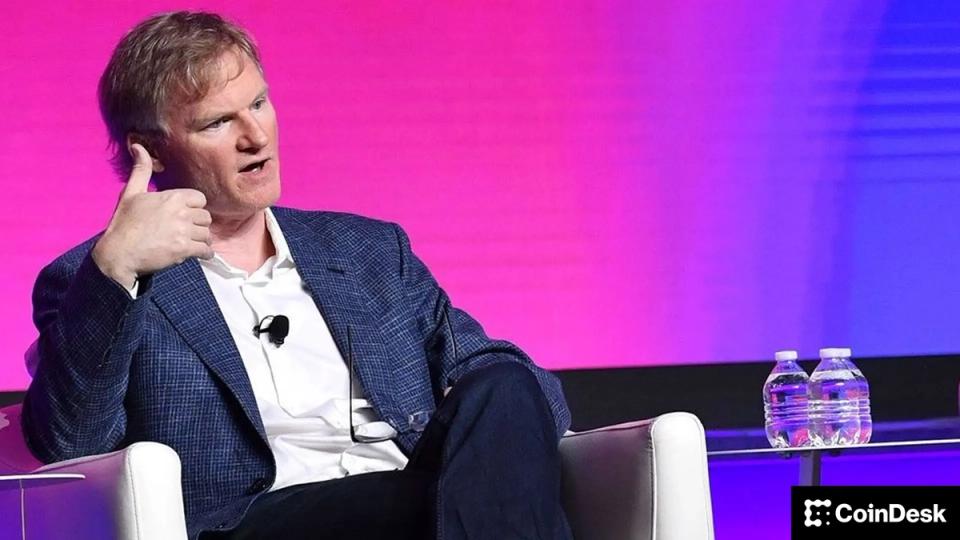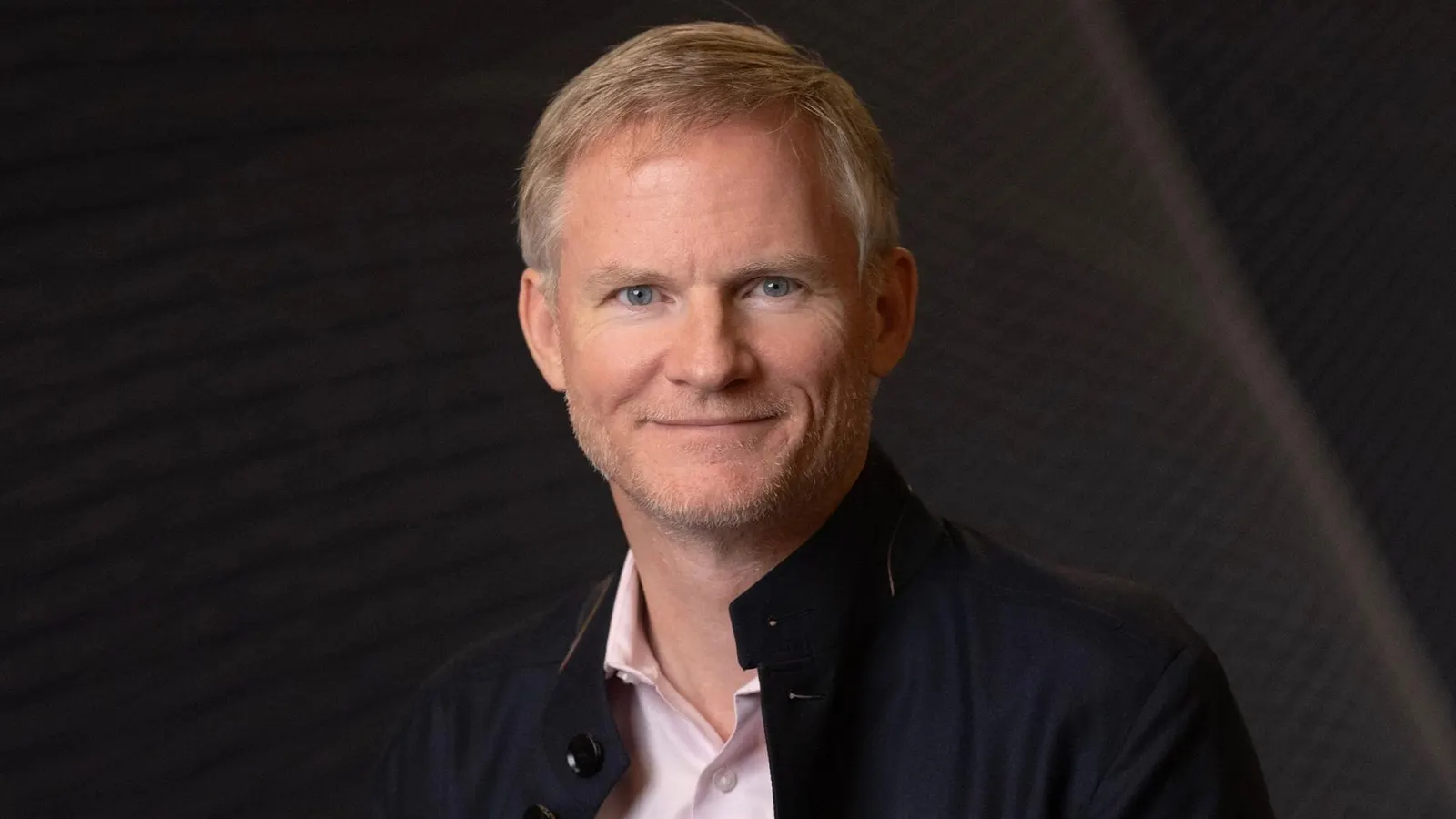
Before cofounding BitGo in 2011, Mike Belshe helped build Google Chrome and served as lead author of HTTP/2.0, the internet protocol responsible for loading web pages today.Bitgo“I never wanted to build a custody service,” says Mike Belshe, the 55-year-old cofounder and CEO of BitGo, widely regarded as crypto’s first dedicated custodian. “It’s just something we had to do because nobody else had built it.”When Belshe launched BitGo in 2013, bitcoin had a basic problem: How do you keep it safe? At the time, most wallets depended on a single private key. Lose it and the bitcoin was gone; have it stolen and the thieves could move the funds instantly.BitGo’s novel security solution was multisig, short for multi-signature, which required more than one key to approve a transaction. That technology helped make crypto usable for institutions by reducing the risk that one compromised employee, laptop or server could drain a wallet.Given reports of rampant hacking in crypto, BitGo’s small innovation has attracted a tidal wave of business over the last decade as more and more institutions have taken an interest in digital assets. Today, the Palo Alto-based firm helps secure more than $80 billion worth of crypto for some 5,500 clients across dozens of blockchains.Custody by itself is not a high-fee business—clients with digital assets over $1 million typically pay 20 basis points or two-tenths of a penny for each dollar crypto they store. But those tiny fractions add up. In 2025, BitGo had revenues of $16.2 billion, up nearly 425% from 2024. In January, the company listed on the New York Stock Exchange through a $2.6 billion IPO, becoming the first, and so far only, publicly traded crypto custodian.Belshe bristles at the label. He prefers to call BitGo “the AWS” or “Switzerland” of digital assets, not just because it sounds grander, but because the old definition of a crypto custodian no longer captures what companies like his are trying to become.Crypto custody, traditionally about as unglamorous as financial services gets, has been undergoing a massive shift over the past couple of years. The largest custodians have expanded their remit from safeguarding coins into wider institutional franchises, adding trading, staking, derivatives, settlement networks, stablecoin infrastructure and other software for banks and asset managers that want digital-asset exposure without building the machinery themselves.“Because there’s not a lot of margin complexity in custody, we’ve seen these companies diversify and take advantage of the relationships they have with their custody clients by trying to provide more services around their crypto,” says Chris Brendler, an analyst at institutional broker and investment bank Rosenblatt Securities.“Custody is almost a misnomer at this point for this category.”
Custodians Are Crypto's Boring Backbone. Now They're Taking Over
Sometimes safe and boring can be a winning strategy. Now crypto’s safekeepers, which hold more than $500 billion in digital assets, are looking to spice up their businesses—and profits—with trading, stablecoin services and AI infrastructure.
2,101 words~10 min read