Four points split evenly among the four teams of Group G at the 2026 World Cup have completely tangled the qualification equations.
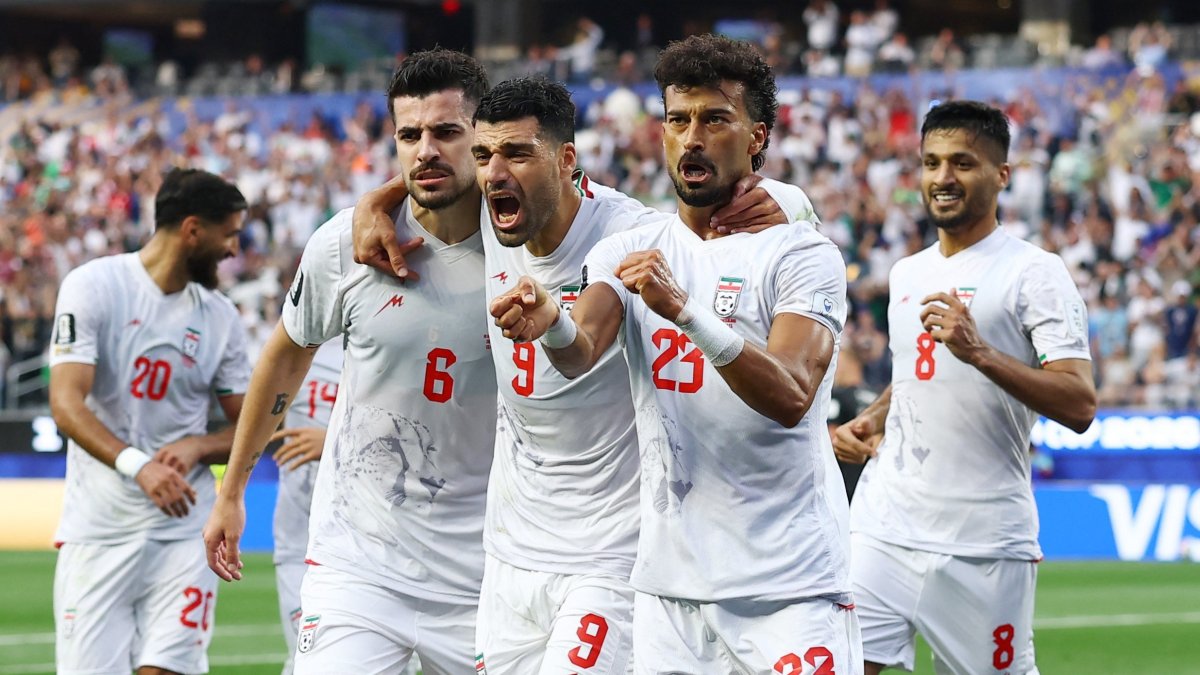
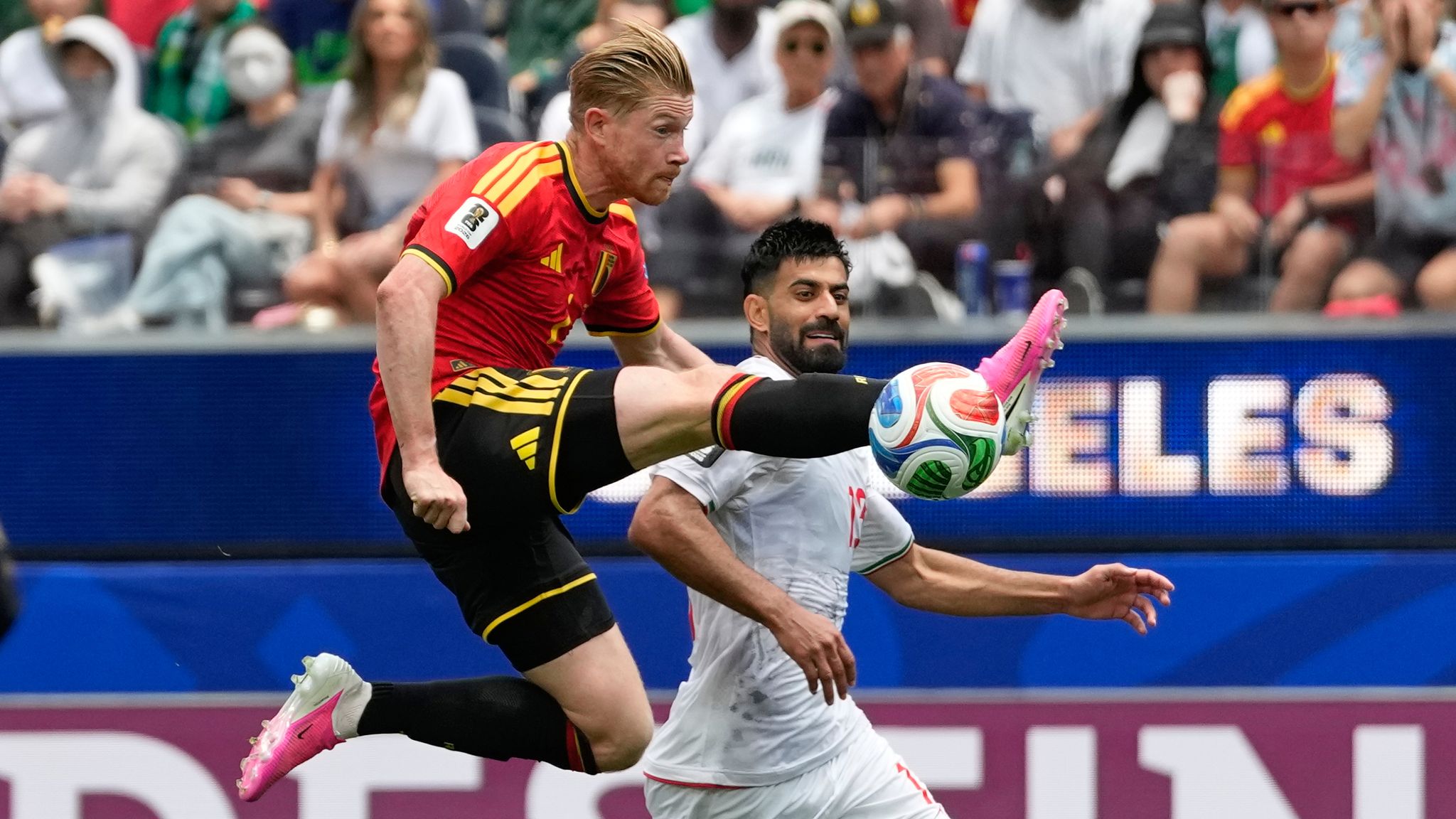
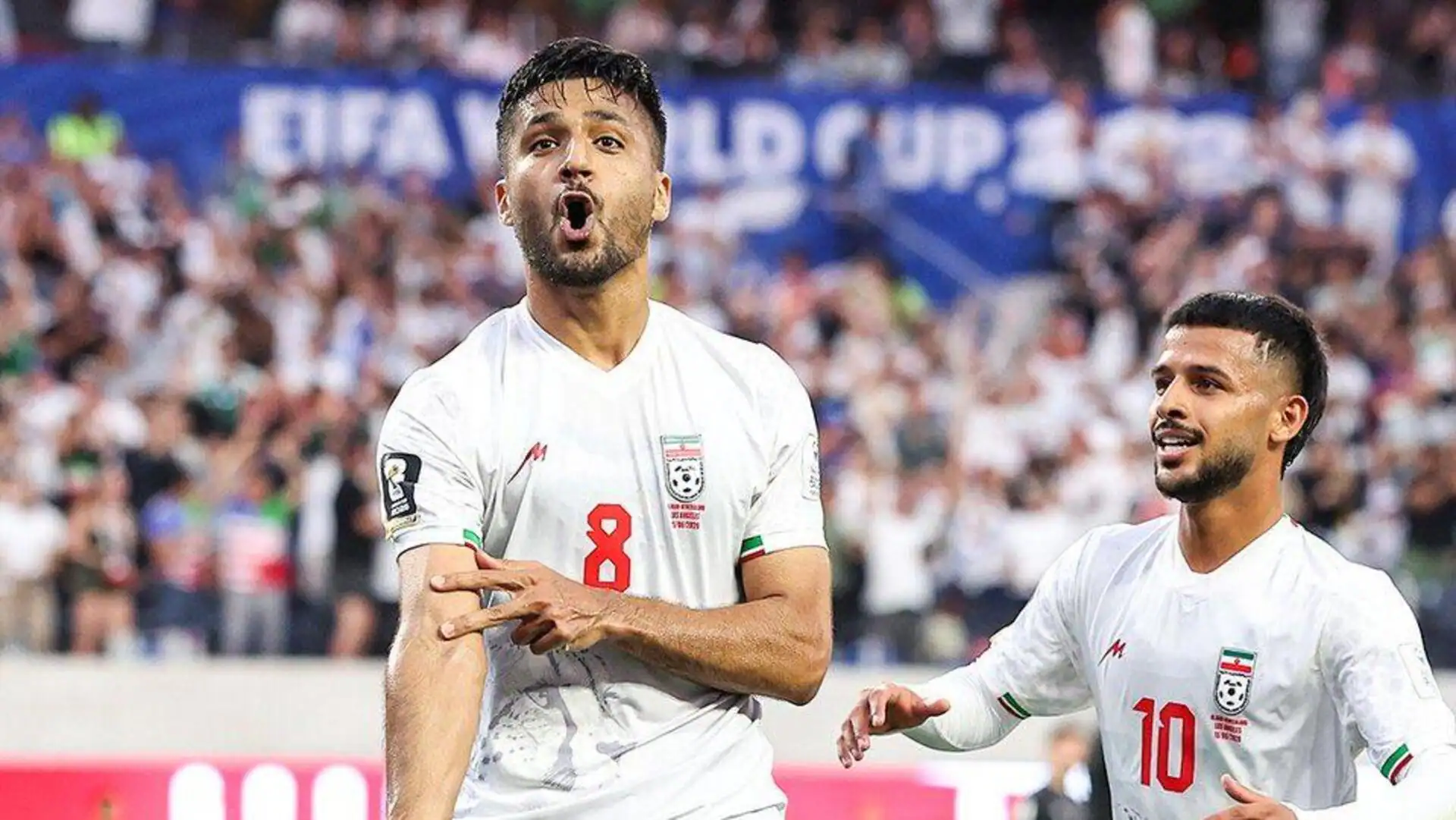
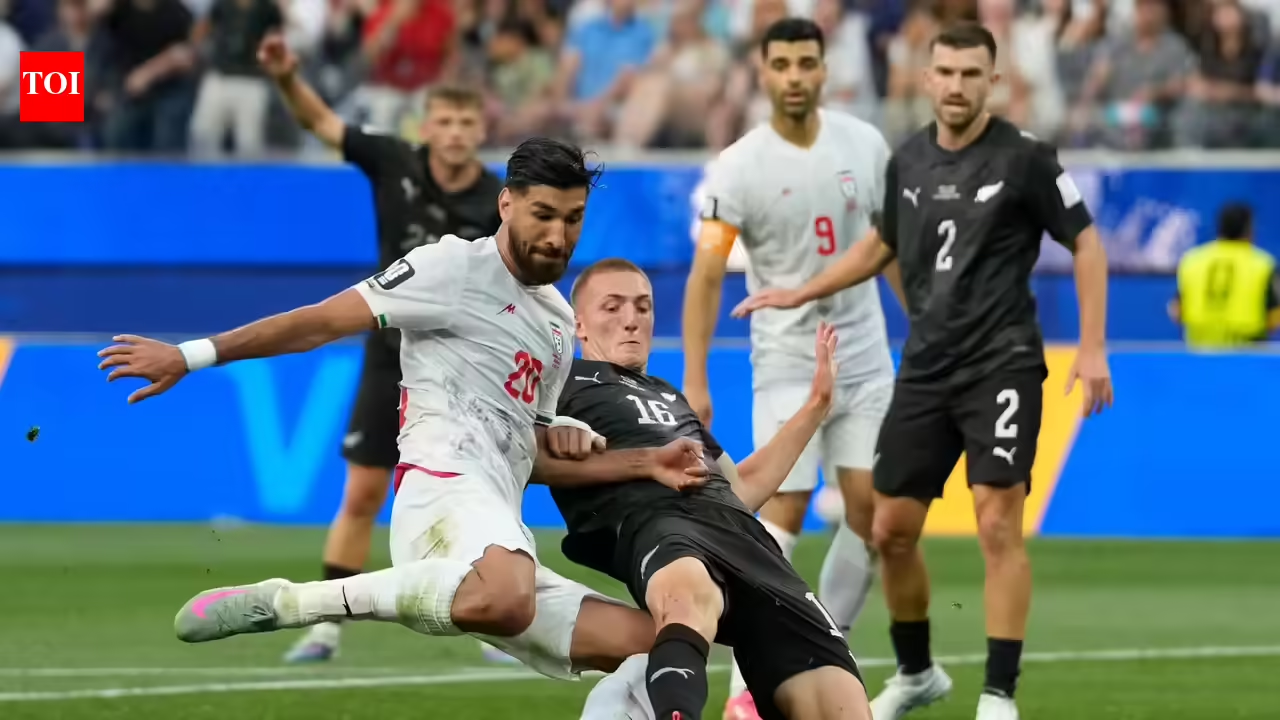
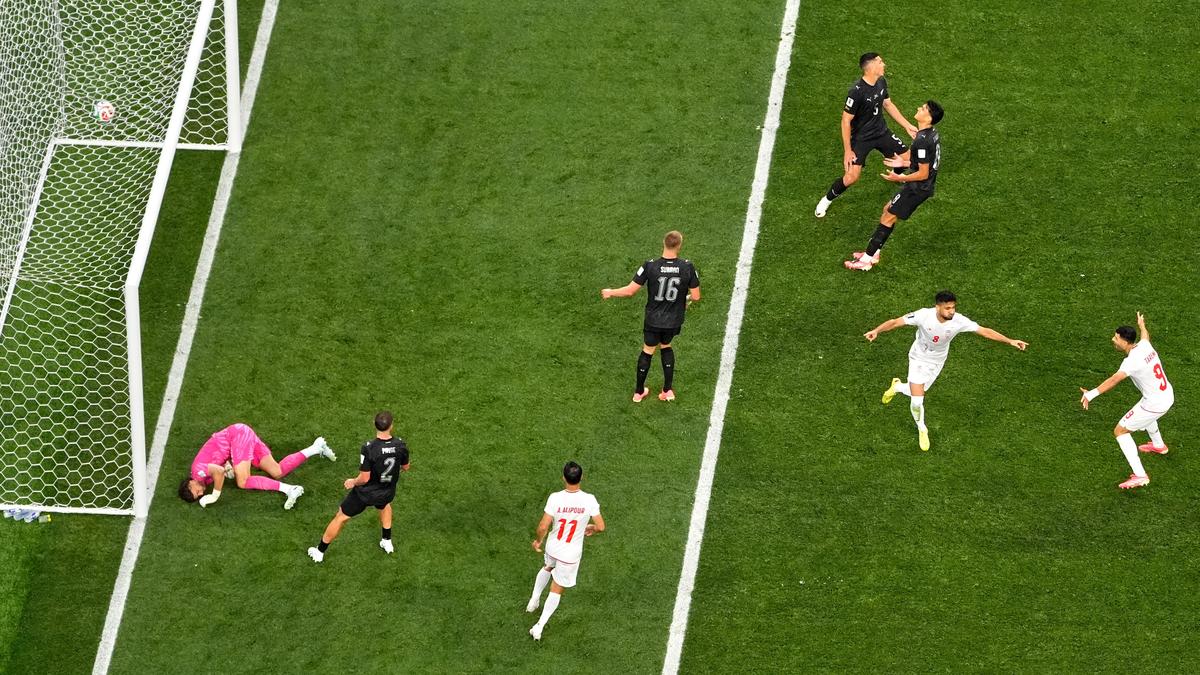
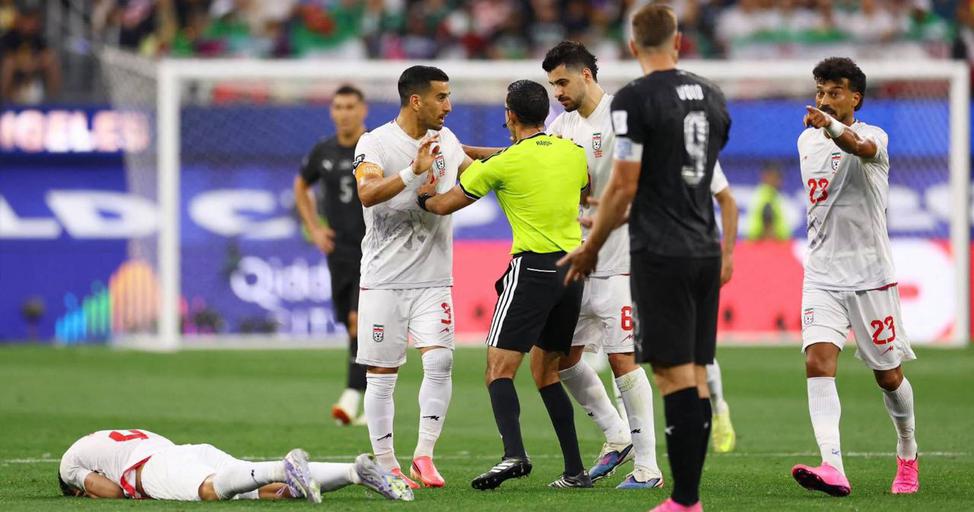
Iran's 2-2 draw against New Zealand, combined with Belgium's 1-1 stalemate with Egypt, has left all four teams tied at exactly one point apiece after the opening round of matches. While this scenario might seem balanced and fair at first glance, it has practically produced one of the most convoluted group tables in this World Cup.
Iran missed the opportunity to take an early group lead, while Belgium and Egypt, the two heavy favorites, failed to kick off their campaigns with a victory. Consequently, everything hinges on the remaining two matchdays. The fine line between moving forward and packing bags depends not just on points, but potentially on a single goal or a yellow card.
Furthermore, the complexity facing these one-point teams in Group G is magnified by the expanded tournament structure. At the 2026 World Cup, a team's fate is no longer determined solely within its own group; results across other groups will directly affect the qualification math. Looking exclusively at one group's standings is no longer enough to map out a team's path. A team with three points could comfortably cruise into the knockout phase, while another team with the same tally could be sent packing. Goal difference, total goals scored, head-to-head records, or even fair-play disciplinary points could decide it all. With just one game played, none of the four teams in Group G is secure, nor can any be written off.