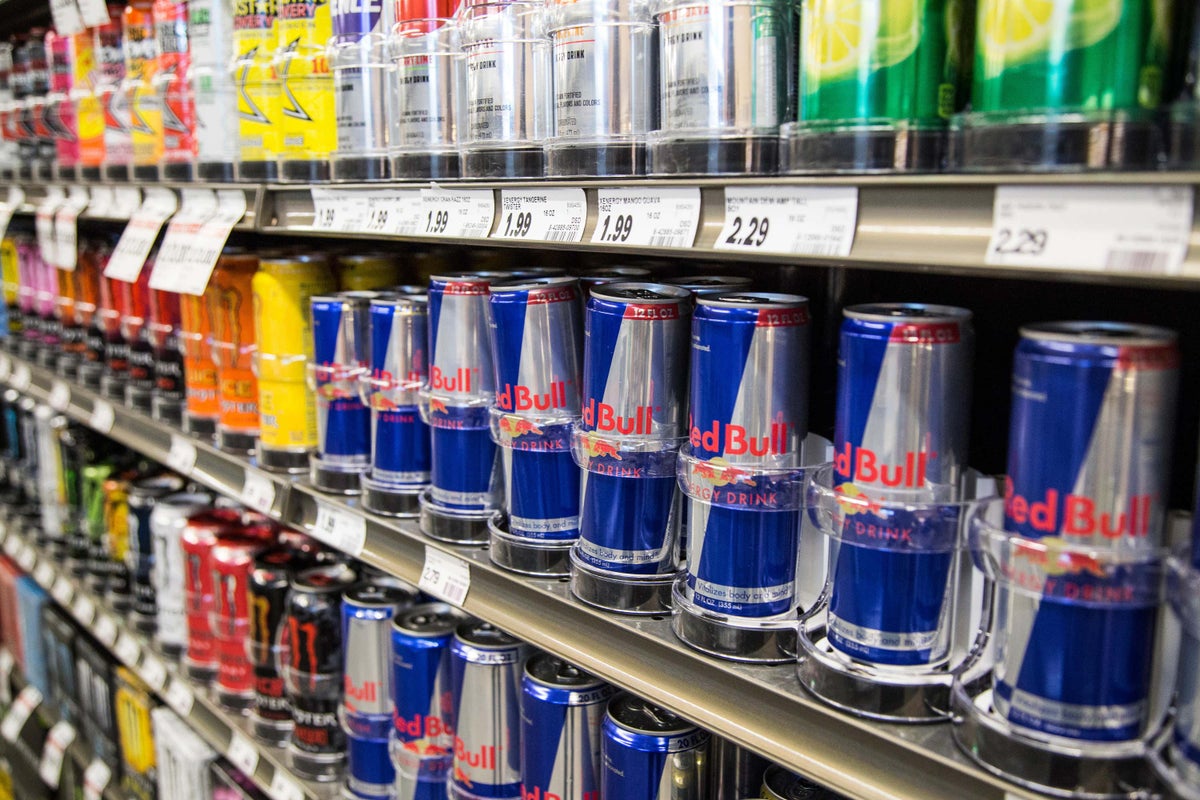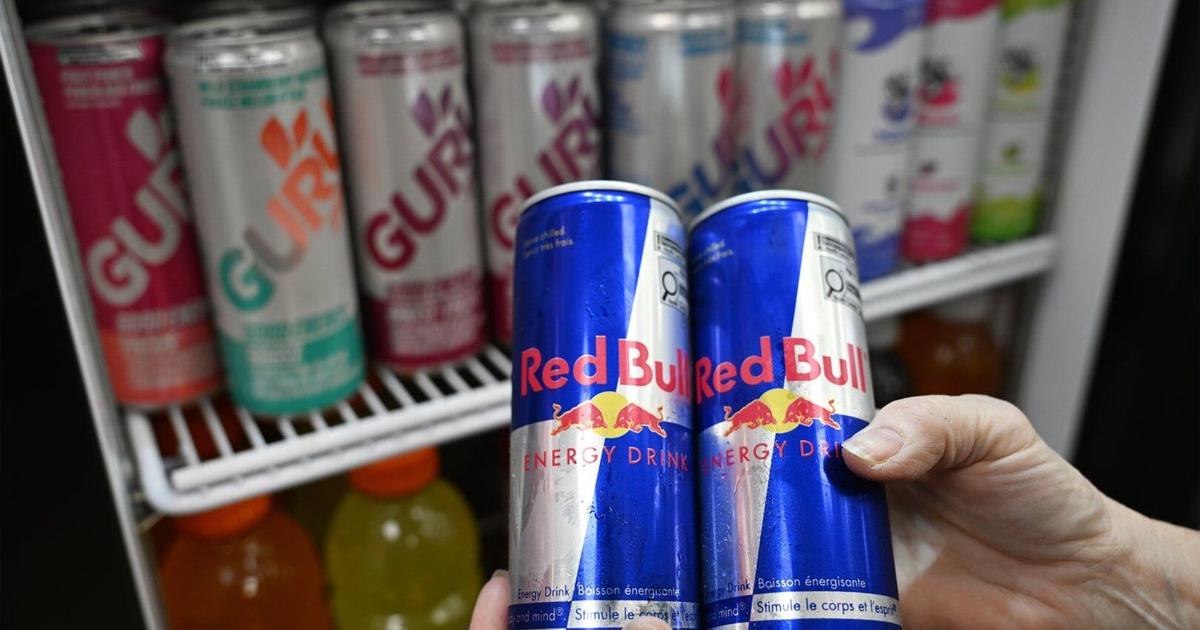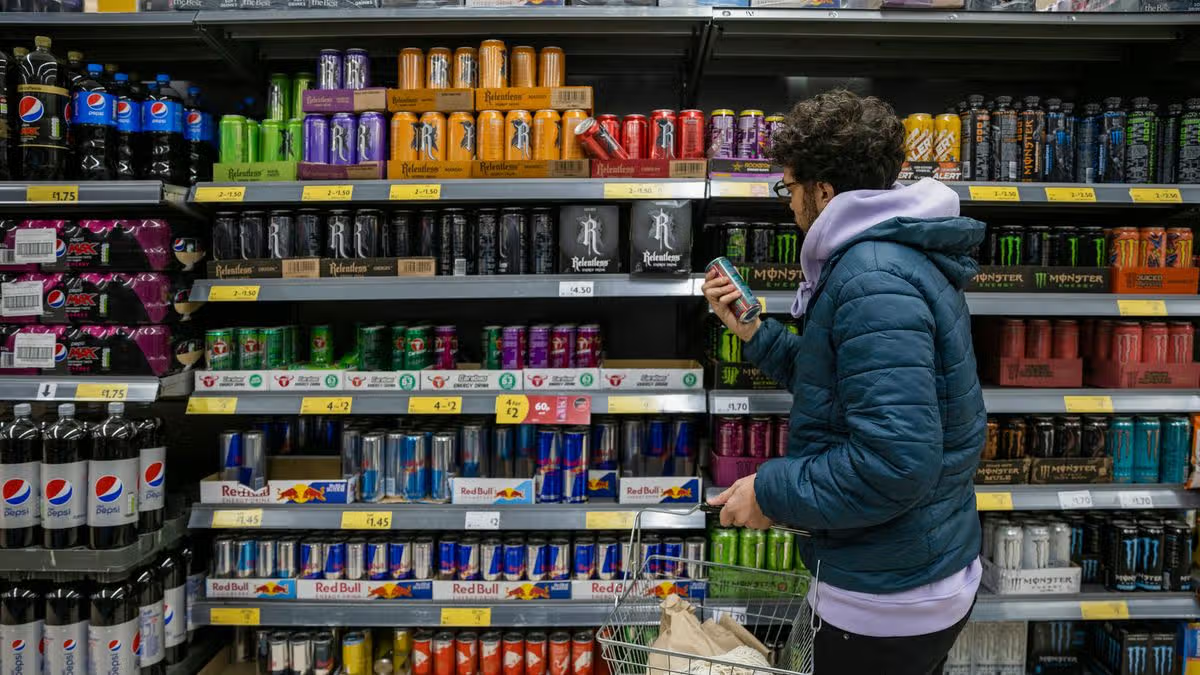
Skip to Content News Archives Economy Energy Oil & Gas Renewables Electric Vehicles Mining Commodities Agriculture Real Estate Mortgages Mortgage Rates Finance Banking Insurance Fintech Cryptocurrency Work Wealth Smart Money Wealth Management Investor Personal Finance Family Finance Retirement Taxes High Net Worth FP Comment Executive Women Puzzmo Newsletters Financial Times Business Essentials More Innovation Information Technology FP500 Podcasts Small Business Lives Told Tails Told Shopping Financial Post Store Obituaries Place a Notice Advertising Advertising With Us Advertising Solutions Postmedia Ad Manager Sponsorship Requests Classifieds Place a Classifieds ad Working Profile Settings My Subscriptions Saved Articles My Offers Newsletters Customer Service FAQ News Economy Energy Mining Real Estate Finance Work Wealth Investor FP Comment Executive Women Puzzmo Newsletters Financial Times Business Essentials HomeFP CommentOpinion: Let’s not start regulating caffeineQuebec's ban on selling energy drinks to people under 16, which covers only 11 per cent of consumption, won't be the last caffeine lawLast updated 1 hour ago You can save this article by registering for free here. Or sign-in if you have an account.Quebec has become the first province to ban energy drinks for kids under 16 years old. Photo by Blair Gable/Postmedia filesThe death of 15-year-old Zachary Miron in January 2024 was a tragedy no one can be indifferent to. The Quebec teenager died during a school ski trip after consuming a Red Bull energy drink while taking prescription ADHD medication. A coroner’s report concluded the interaction of his stimulant medication with caffeine caused the cardiac arrhythmia that took his life. Zachary’s parents have become tireless advocates for restricting youth access to energy drinks, and their grief demands respect.Subscribe now to read the latest news in your city and across Canada.Exclusive articles from Barbara Shecter, Joe O'Connor, Gabriel Friedman, and others.Daily content from Financial Times, the world's leading global business publication.Unlimited online access to read articles from Financial Post, National Post and 15 news sites across Canada with one account.National Post ePaper, an electronic replica of the print edition to view on any device, share and comment on.Daily puzzles, including the New York Times Crossword.Subscribe now to read the latest news in your city and across Canada.Exclusive articles from Barbara Shecter, Joe O'Connor, Gabriel Friedman and others.Daily content from Financial Times, the world's leading global business publication.Unlimited online access to read articles from Financial Post, National Post and 15 news sites across Canada with one account.National Post ePaper, an electronic replica of the print edition to view on any device, share and comment on.Daily puzzles, including the New York Times Crossword.Create an account or sign in to continue with your reading experience.Access articles from across Canada with one account.Share your thoughts and join the conversation in the comments.Enjoy additional articles per month.Get email updates from your favourite authors.Create an account or sign in to continue with your reading experience.Access articles from across Canada with one accountShare your thoughts and join the conversation in the commentsEnjoy additional articles per monthGet email updates from your favourite authorsSign In or Create an AccountorWhat grief alone cannot supply, however, is good policy. Earlier this month Quebec’s National Assembly fast-tracked into law a bill tabled by Health Minister Sonia Bélanger banning the sale of energy drinks to anyone under the age of 16. The motivation for the bill is understandable but the logic behind it is inconsistent with important facts, while its implications extend well beyond the minors it is supposed to protect.Get the latest headlines, breaking news and columns.By signing up you consent to receive the above newsletter from Postmedia Network Inc.A welcome email is on its way. If you don't see it, please check your junk folder.The next issue of Top Stories will soon be in your inbox.We encountered an issue signing you up. Please try againIt needs to be emphasized that Quebec’s coroner did not find that caffeine, in isolation, killed Zachary Miron. Rather, caffeine interacted fatally with Zachary’s ADHD medication, a class of stimulant drugs that physicians routinely caution can compound the cardiac effects of any caffeinated substance. The Red Bull Zachary consumed contained approximately 80 milligrams of caffeine, which Health Canada has set as the regulatory ceiling for energy drinks. A medium Tim Hortons coffee, available to anyone of any age at roughly 10,000 locations across this country, contains 205 milligrams. A large contains 270. A Starbucks Grande Pike Place brewed coffee contains 310 milligrams, nearly four times the caffeine of the beverage now targeted for restriction. A Venti reaches 410 and Venti Blonde Roast reaches 475.Quebec will now card a teenager buying a Red Bull at a corner store while the province’s Tim Hortons drive-thrus dispense large coffees at 270 milligrams, lattes at 205, and iced cappuccinos at 205, to anyone who can reach the counter. Yet the coroner’s warning about the interaction of caffeine with ADHD medication applies with equal force to every one of those beverages.Quebec’s bill achieves this selectivity through a definitional manoeuvre. It targets beverages with a caffeine concentration above 150 milligrams per litre that also contain taurine, vitamins or minerals, thereby carving energy drinks into a special regulatory category while leaving coffee entirely alone. But the coroner’s report only cited caffeine’s interaction with the ADHD medicine, not taurine, vitamins or minerals.The province has constructed a sub-category of caffeinated beverage, labelled it dangerous and borrowed the authority of a tragedy to justify banning its sale to young people. Yet Canadian Beverage Association data, cited on the floor of the National Assembly by the only member who tried to slow the bill’s passage, shows that energy drinks account for only 11 per cent of teen caffeine consumption. Quebec fast-tracked its law to address the minor fraction of the problem while leaving 89 per cent of teen caffeine intake unaffected.The bill also bans the purchase of energy drinks through delivery services like Uber Eats. But the same application, from the same phone, can deliver a bottle of wine or a case of beer, subject to an age verification conducted by the driver at the door. Which means the province has decided energy drinks warrant stricter access controls than alcohol. Rather than ban delivery of energy drinks a more sensible approach would require delivery platforms to age-verify for energy drinks exactly as they already do for alcohol. The infrastructure exists but the political will to use it evidently does not.Supporters of the measure will describe objections to it as cold-hearted, arguing that modest restrictions are a small price to pay when children’s well-being is at stake. But a ban is a dangerous precedent. The logic that justifies restricting Red Bull today may justify restricting a Starbucks cold brew tomorrow. The door the bill opens is not a narrow one, and the people being asked to walk through it, one small step at a time, are adults. There will come a time when advocates use the precedent of Quebec’s ban to age-verify all caffeine, which would mean presenting your ID for a simple cup of coffee.The correct response to Zachary Miron’s death is better medical education about the interaction between stimulants and certain medications, as well as honest conversations between physicians, pharmacists and patients about caffeine. Instead we have a ban that misreads its own coroner’s report, exempts more potent caffeine sources at every coffee chain in the province, and opens the door for future regulation of caffeine, which would undoubtedly impact adults.David Clement is policy director at the Consumer Choice Center. Join the Conversation This website uses cookies to personalize your content (including ads), and allows us to analyze our traffic. Read more about cookies here. By continuing to use our site, you agree to our Terms of Use and Privacy Policy.
Opinion: Let’s not start regulating caffeine
Quebec's ban on selling energy drinks to people under 16, which covers only 11% of consumption, won't be the last caffeine law. Read more.
1,273 words~6 min read