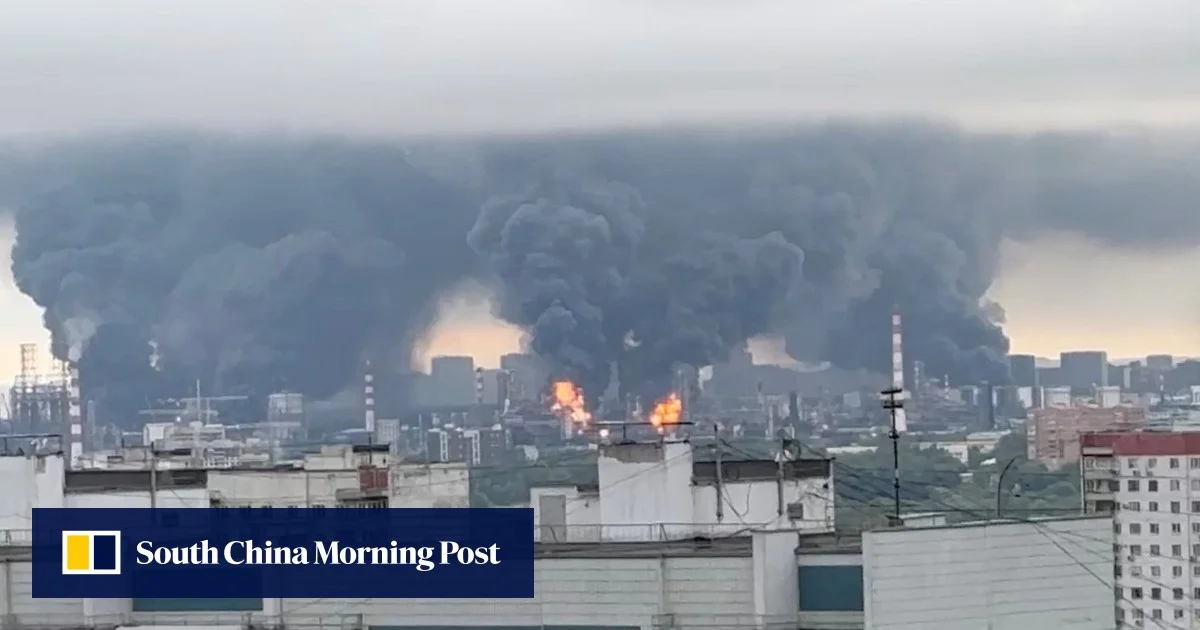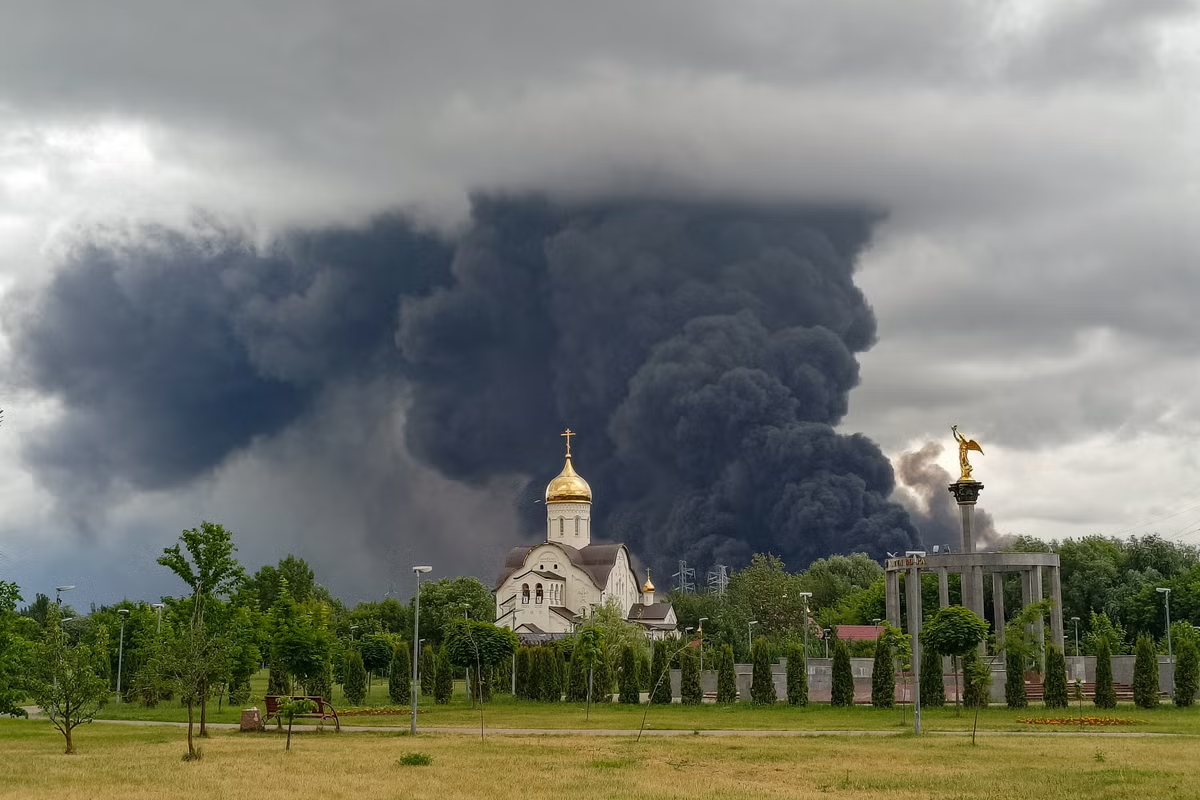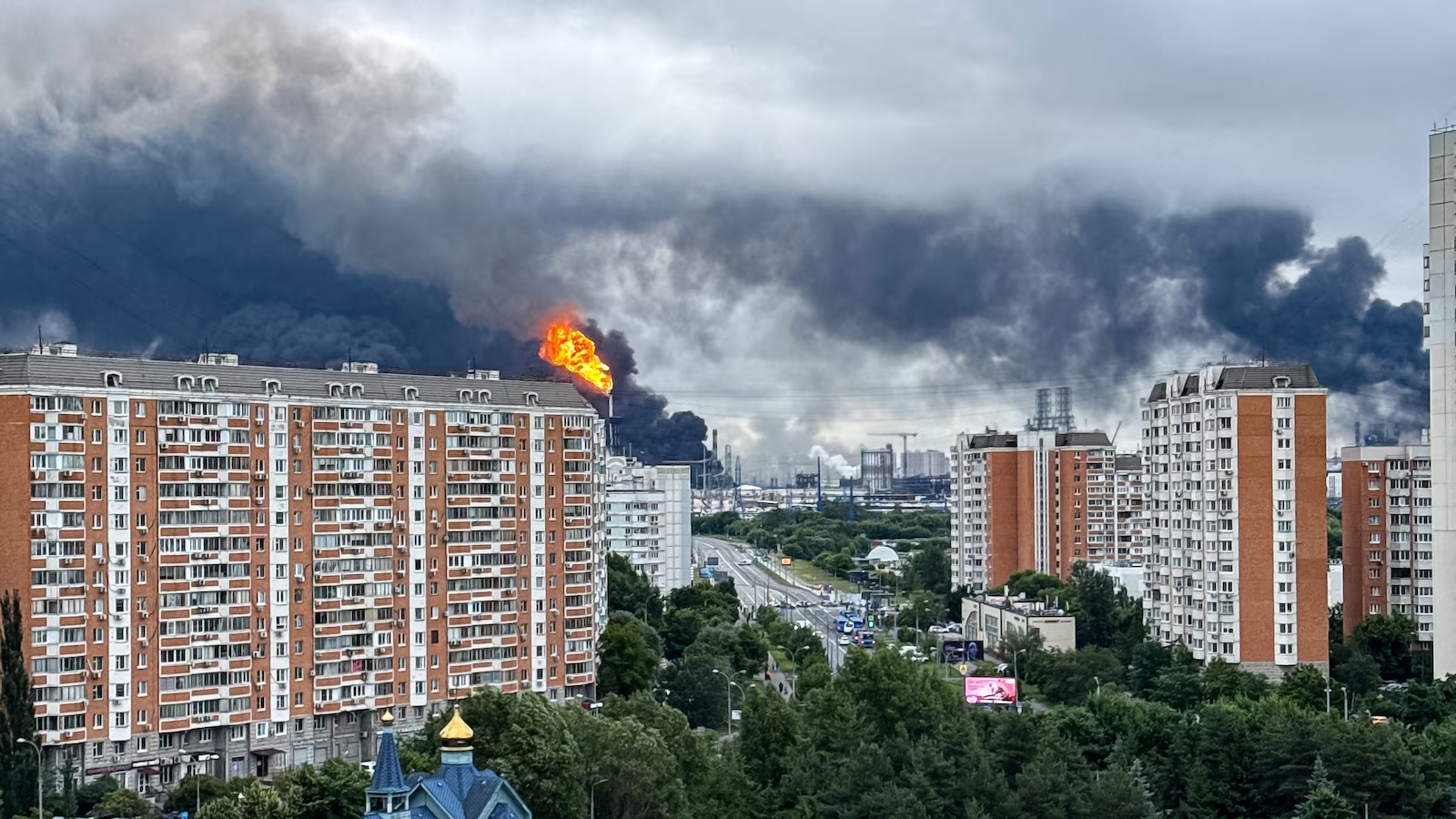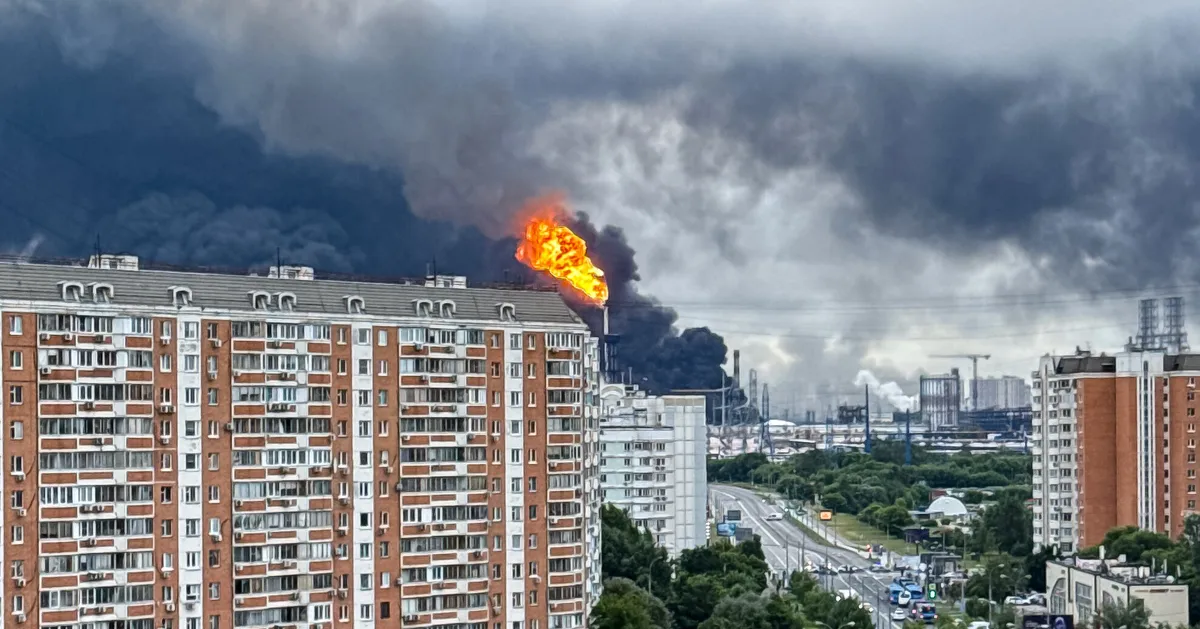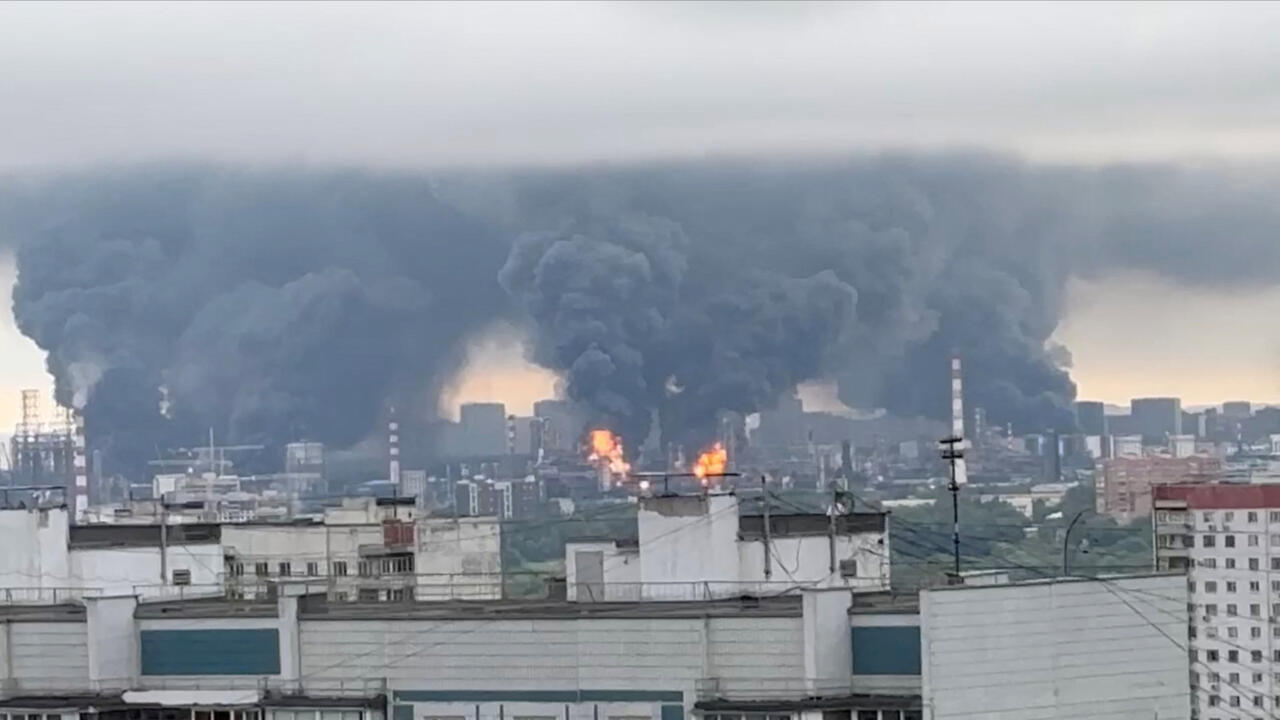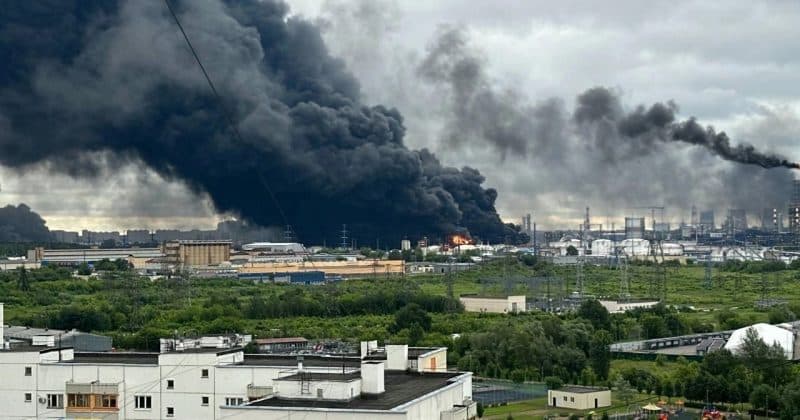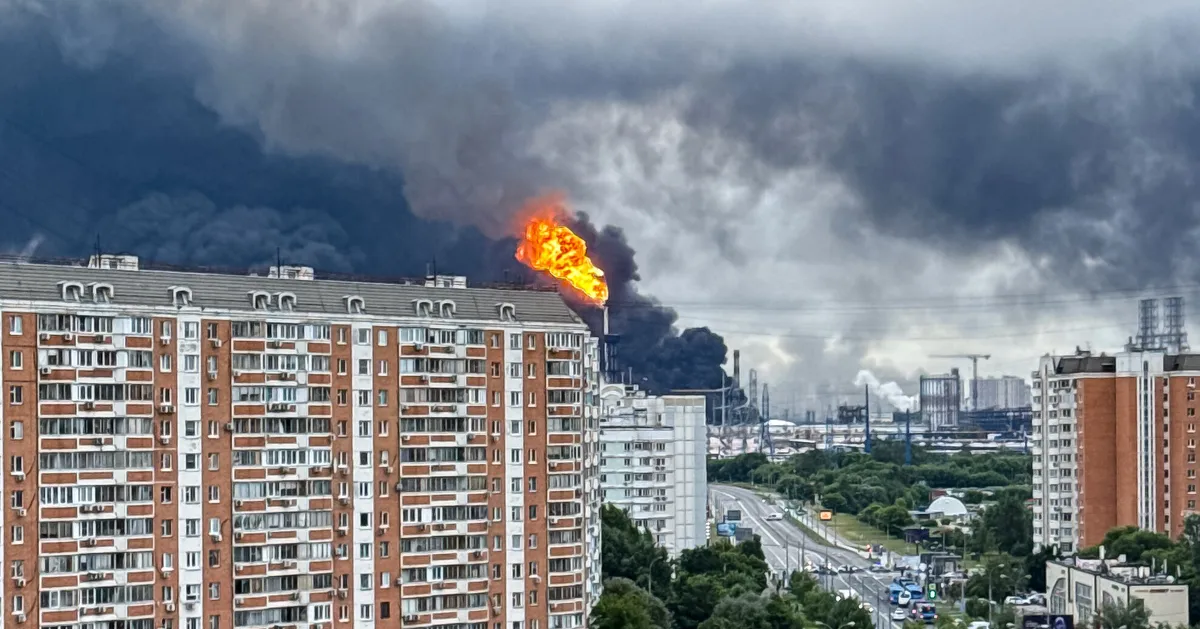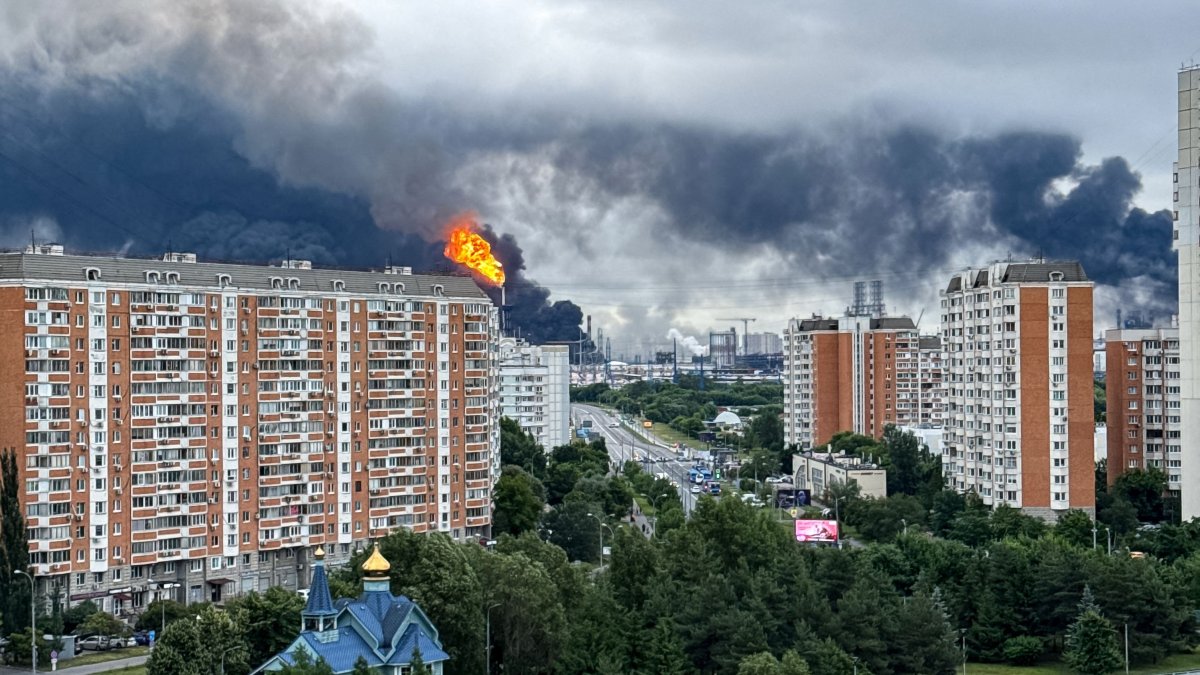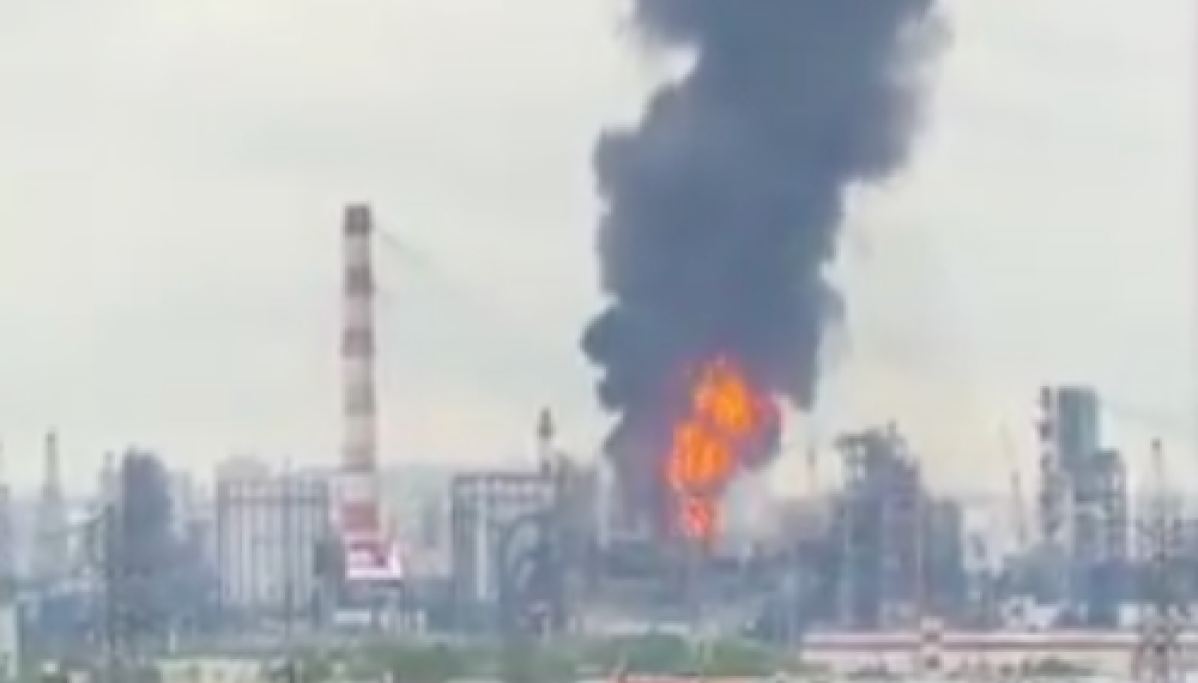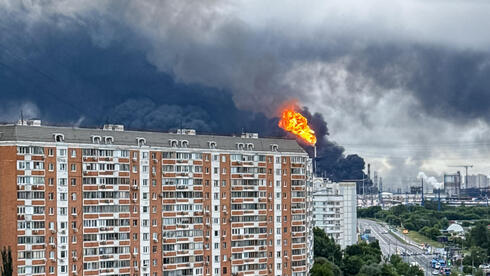
Russia says it intercepted 555 Ukrainian drones overnight, nearly 200 of them heading for Moscow, but several reached the capital area and set fire to a key refinery; Zelensky calls strike a 'fully justified response' to Russian attacks on Ukrainian citiesNews agencies, ynet|Ukraine launched one of its largest drone attacks on Russia since the start of Moscow’s full-scale invasion more than four years ago, striking a major oil refinery near Moscow for the second time in a week and forcing flight disruptions at the Russian capital’s airports, Russian officials said Thursday.Images and videos from the area showed flames and thick black smoke rising from the Moscow Oil Refinery, located about 15 kilometers from the Kremlin. Moscow Mayor Sergei Sobyanin said several drones reached the refinery despite Russian air defenses, while Russia’s Defense Ministry said it had intercepted 555 Ukrainian drones over multiple regions overnight, including about 180 heading toward Moscow. Those figures could not be independently verified.Ukrainian drone attack: fires and scenes of destruction in the Moscow areaThe attack disrupted air traffic at major Moscow airports, including Sheremetyevo, and Russian authorities also reported damage in several areas around the capital. The Associated Press reported fires and damage at several locations, including a residential building, private homes, a car, a fitness center, an industrial facility and a large shopping mall.Ukrainian President Volodymyr Zelenskyy, who was in Brussels for NATO talks, described the attack as retaliation for Russia’s repeated strikes on Ukrainian cities. “This is a fully justified response to Russian attacks on our cities and communities, and another important result of our warriors’ work against facilities that sustain Russia’s war machine,” he said, according to The Guardian.The Moscow Oil Refinery is one of Russia’s biggest refineries and accounts for more than a third of the fuel market in the capital region, according to the facility’s official website cited by AP. The strike followed another hit on the same facility earlier this week, adding to a broader Ukrainian campaign against Russian energy infrastructure deep behind the front lines.Nearly four and a half years after Russia launched its full-scale invasion, Kyiv has increasingly turned to long-range drones and missiles to target oil facilities, logistics hubs and military-linked infrastructure inside Russia. Ukraine says the campaign is intended to weaken Moscow’s ability to sustain the war and force it toward negotiations.Roof of an oil tank blown into the air and residential building hit in Ukraine’s drone attack on RussiaThe timing also carried diplomatic significance. The barrage came as Zelenskyy sought additional support from Western allies after the G7 summit and ahead of NATO discussions. A G7 statement pledged to “increase the delivery of air defence capacities, additional systems and interceptors, and long-range capabilities” to Ukraine, while European leaders also discussed allowing Ukrainian and European companies to produce Western air defense systems and long-range weapons under license.Zelenskyy said after the G7 summit that world leaders had pledged further help for Ukraine’s air defenses and energy infrastructure, according to AP. The Ukrainian president has been pressing allies for more interceptors and weapons systems as Russia continues large-scale missile and drone attacks on Ukrainian cities.The drone strike also came while Russian President Vladimir Putin was in Kazan, about 700 kilometers east of Moscow, hosting a summit with leaders from Southeast Asian countries, a meeting Moscow hoped would strengthen economic ties. The attack was another embarrassment for the Kremlin during a major international event, after Ukraine earlier this month managed to send drones as far as the St. Petersburg region while Putin hosted an international economic forum there.2 View gallery Russian President Vladimir Putin (right) (Photo: REUTERS/Anastasia Barashkova)Ukraine’s attacks on Russian oil infrastructure have created visible pressure on one of Moscow’s most important economic sectors. Russia is the world’s third-largest oil producer and a major exporter of oil and fuel, yet The Guardian reported that it is expected to import fuel by sea this month as it tries to manage shortages caused by extensive Ukrainian drone attacks on refineries.Western officials have increasingly pointed to Ukraine’s drone campaign as evidence that Kyiv is gaining technological and tactical momentum. NATO Secretary General Mark Rutte warned earlier this month that Russia was suffering “absolutely staggering” losses and told young Russians that those joining the army faced “a very high chance” of being killed or wounded.2 View gallery British Prime Minister Keir Starmer and Ukrainian President Volodymyr Zelensky (Photo: Isabel Infantes / POOL / AFP)U.S. President Donald Trump also said at the G7 summit that Russia was suffering heavier military losses than Ukraine, arguing that Moscow’s role as the attacking force had contributed to its higher casualty toll.For Kyiv, the message from the Moscow strike was clear: Ukraine wants Western leaders to see not only the damage it can inflict, but the strategic pressure it can generate. The refinery fire, the airport shutdowns and the repeated penetration of Russian air defenses all served Zelenskyy’s broader argument that Ukraine can hit the systems sustaining Moscow’s war, if its allies keep supplying the weapons and air defenses needed to withstand Russia’s own attacks.
Ukraine hits Moscow oil refinery in massive drone attack, forcing airport shutdowns | Watch
Russia says it intercepted 555 Ukrainian drones overnight, nearly 200 of them heading for Moscow, but several reached the capital area and set fire to a key refinery; Zelensky calls strike a 'fully justified response' to Russian attacks on Ukrainian cities
838 words~4 min read