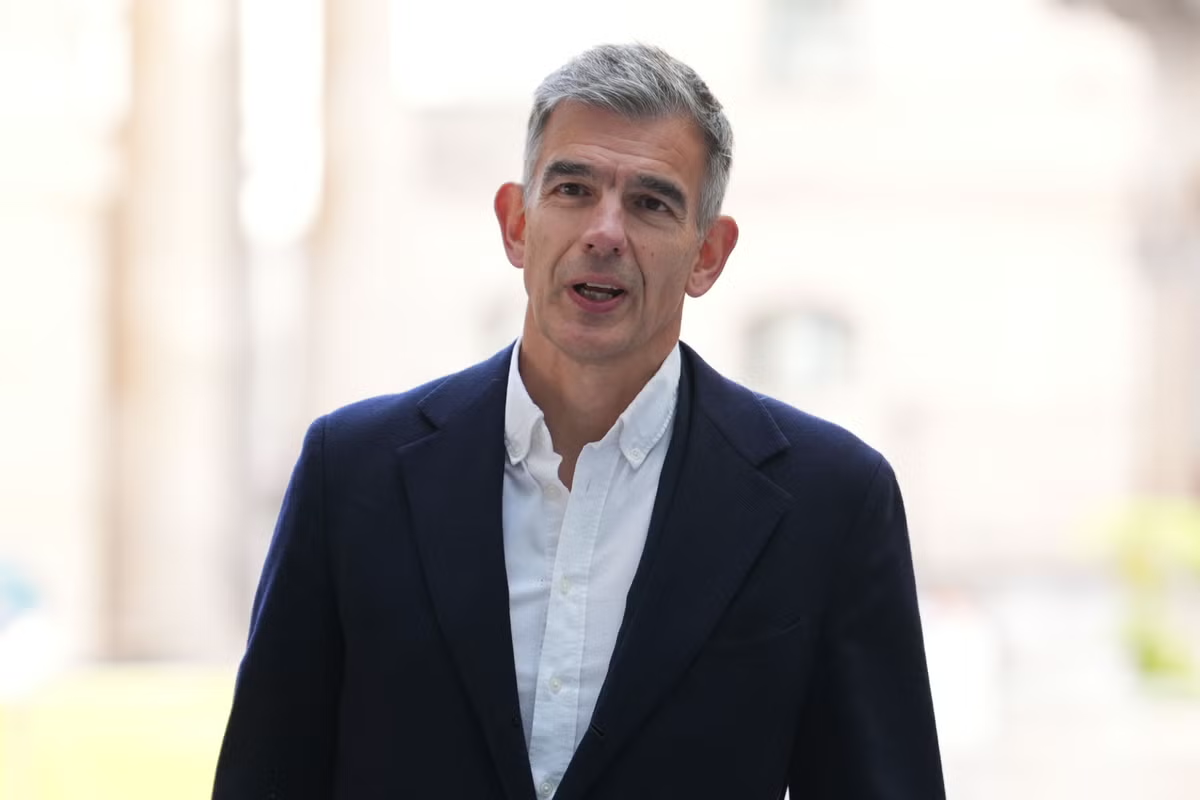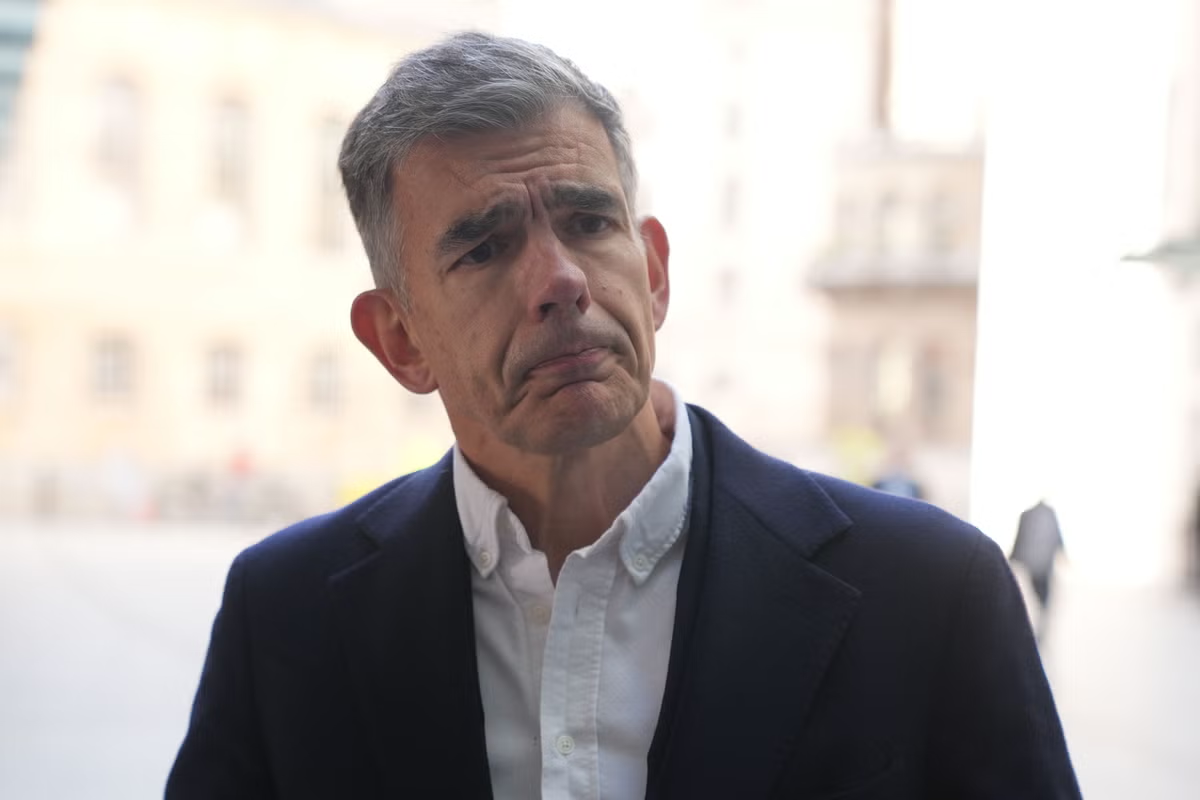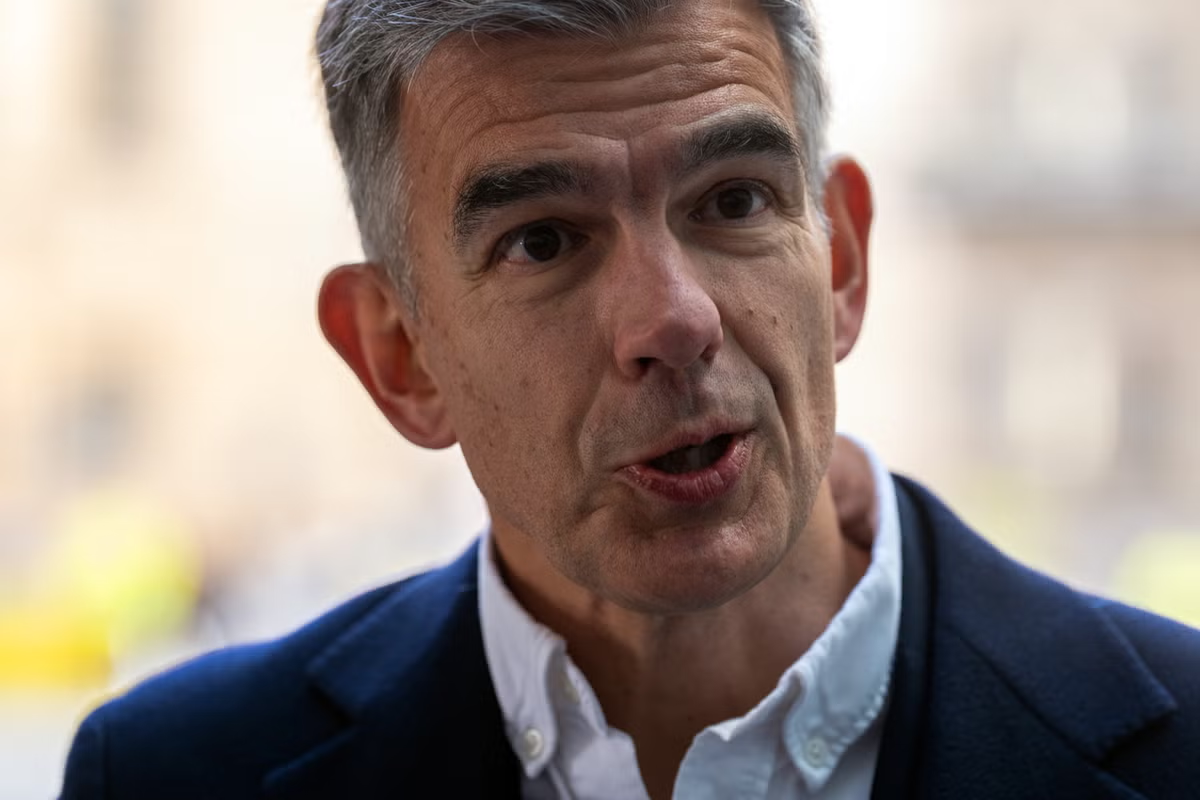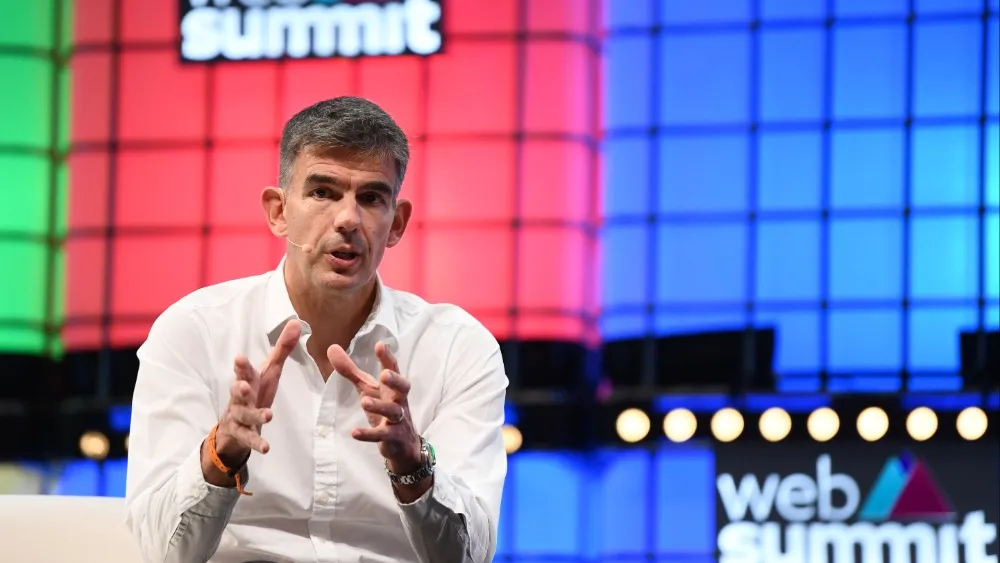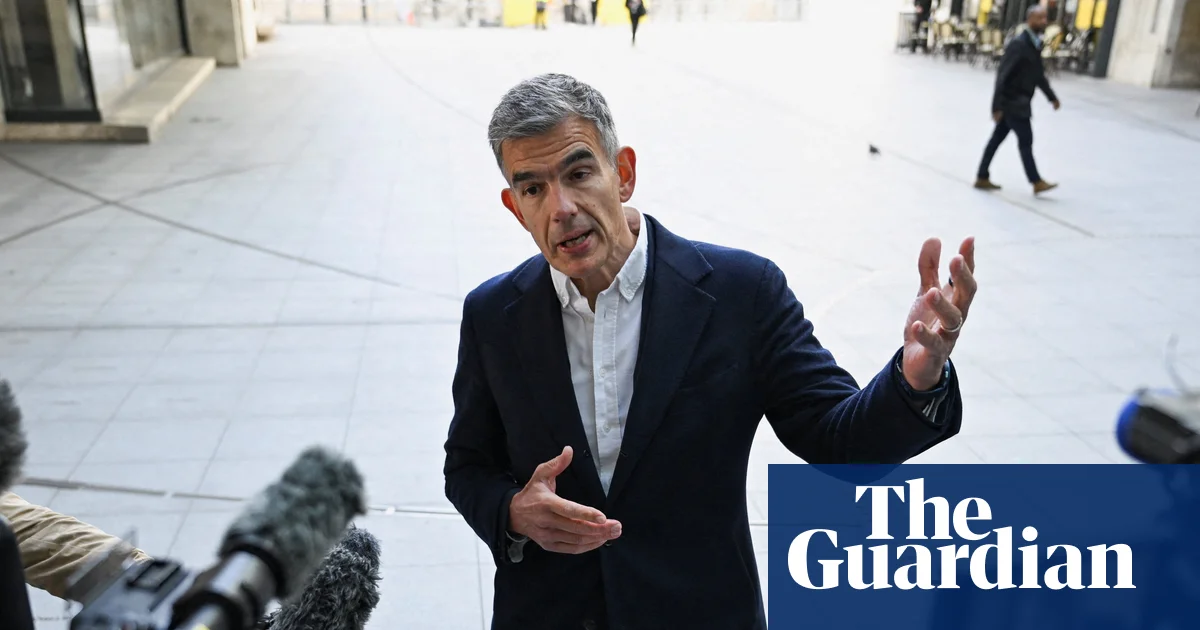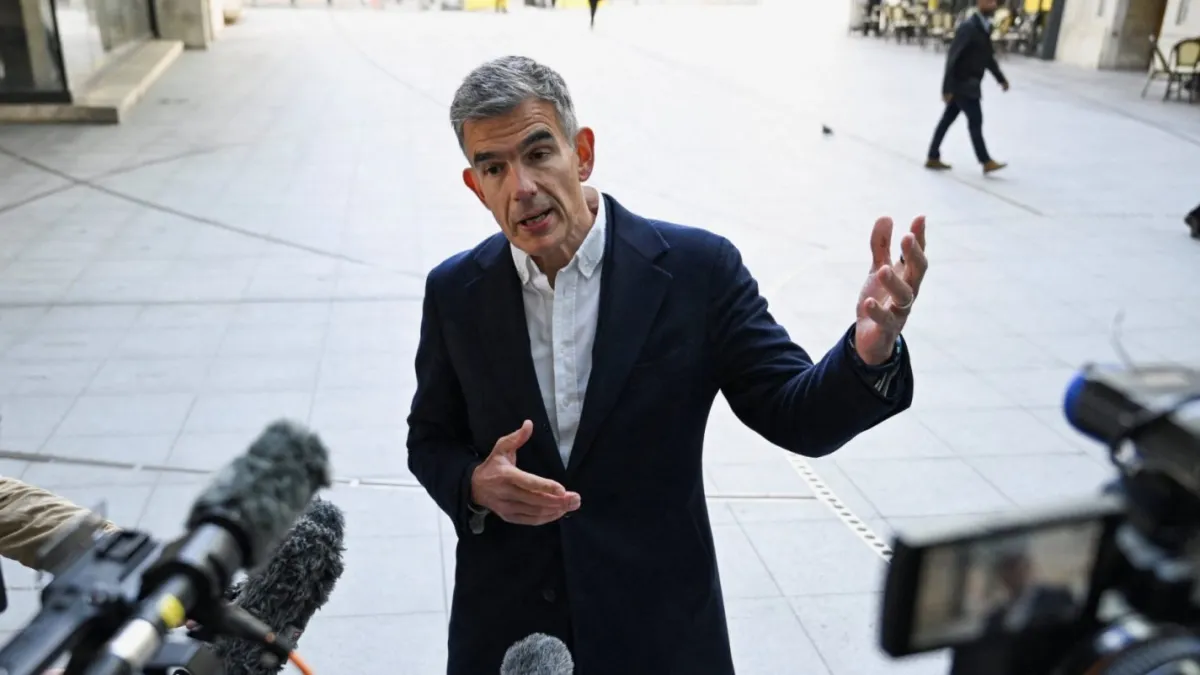
A new BBC director-general arrives but the old and giant problem does not go away. There’s not enough money. Matt Brittin knew the score when he strode into Broadcasting House last month – as did Tim Davie before him, and Tony Hall before Tim Davie, and Mark Thompson before Tony Hall. Since 2010, when George Osborne mounted the first of his two ambushes of the BBC by freezing the licence fee and forcing the BBC to take on extra obligations, funding is down by about 30 per cent.
And so yesterday’s announcement of cuts is only the latest in a string of such declarations, with pretty well the same message each time – no matter which director-general is delivering it. It’s become a ritual. There are to be job losses, programmes will disappear, and more efficiency drives will be launched. And, as always, there are accompanying and correct noises about the BBC needing to focus its diminishing resources on its digital products – BBC iPlayer, BBC Sounds, podcasts, websites and social channels.
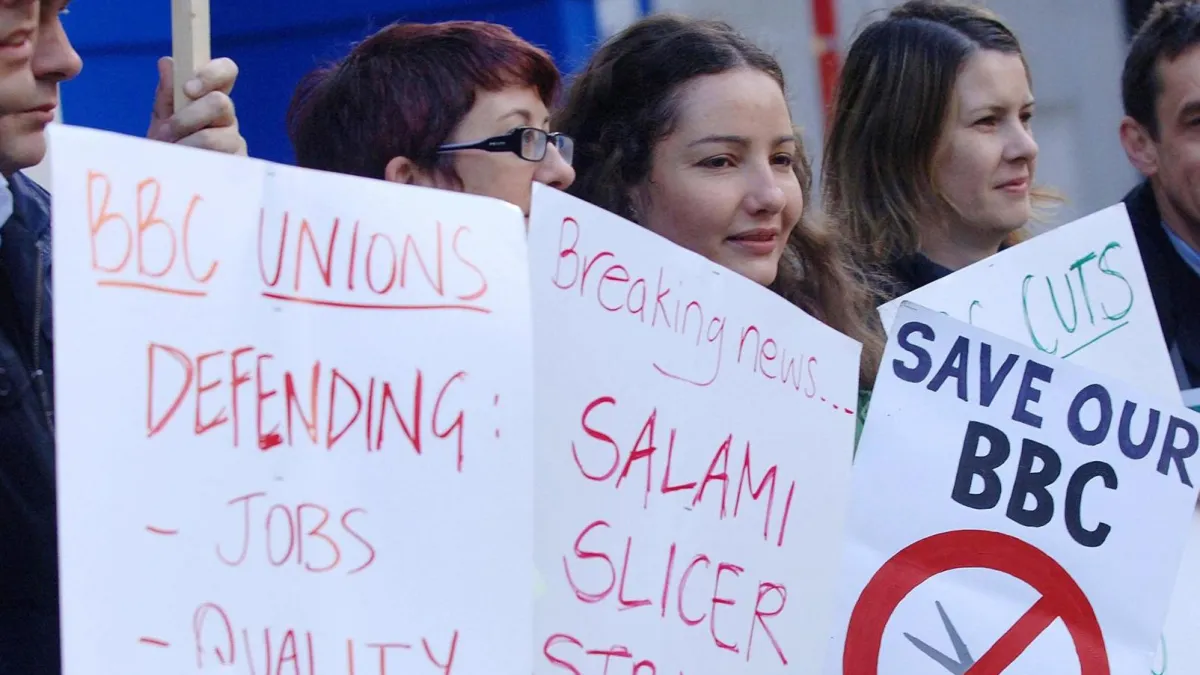
Then comes the unions’ response, with talk of “devastation” and the “risk to the BBC’s public service mission”. They may choose at some point to talk of strikes – and a fat lot of good that will do them, because no matter the howls of complaints from staff, and indeed from audiences, about the amputation of much-cherished individual programmes, this is only another appetiser.