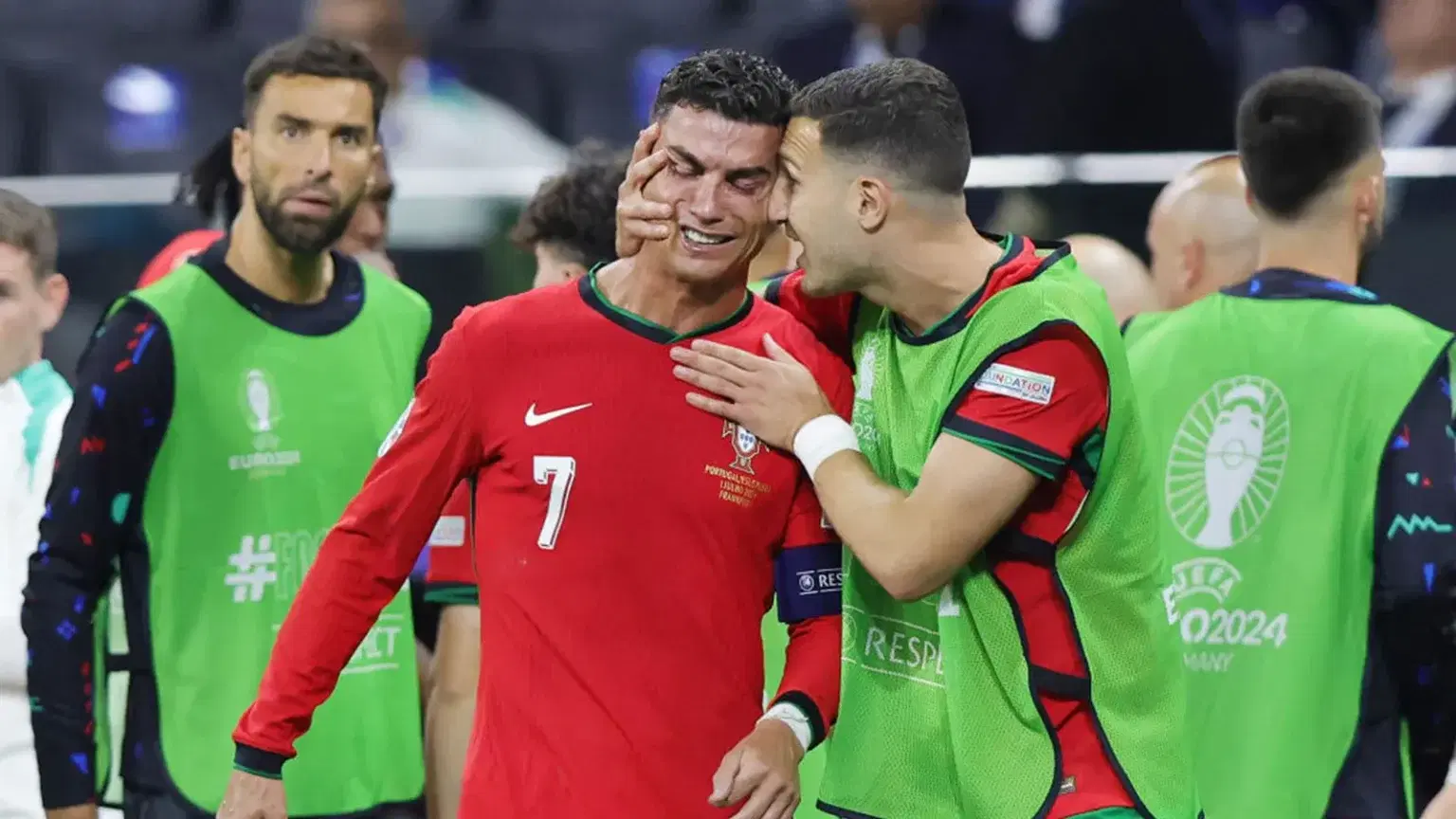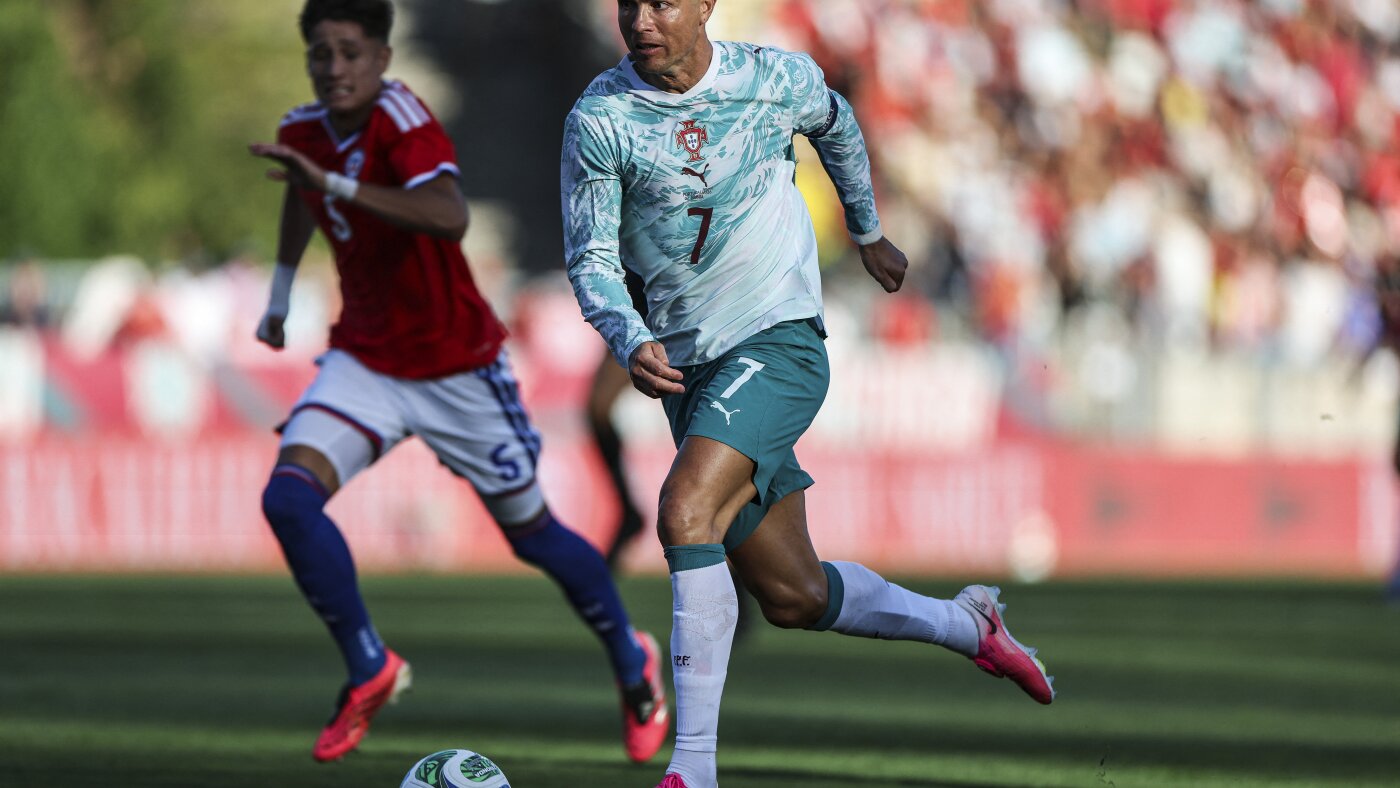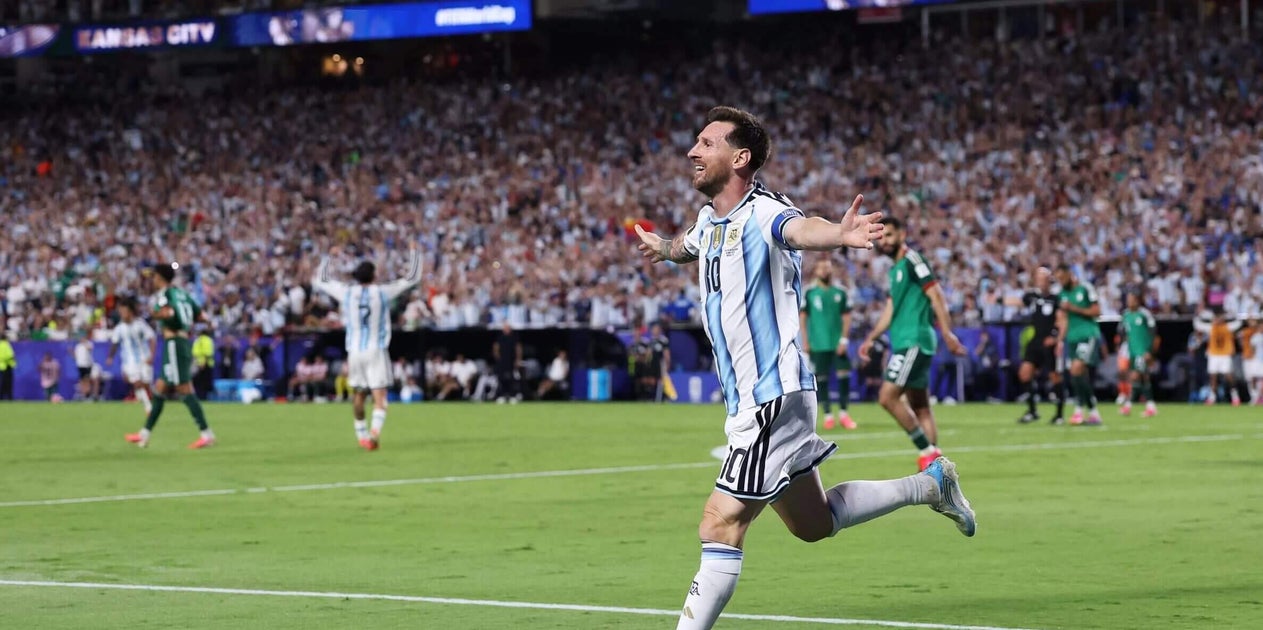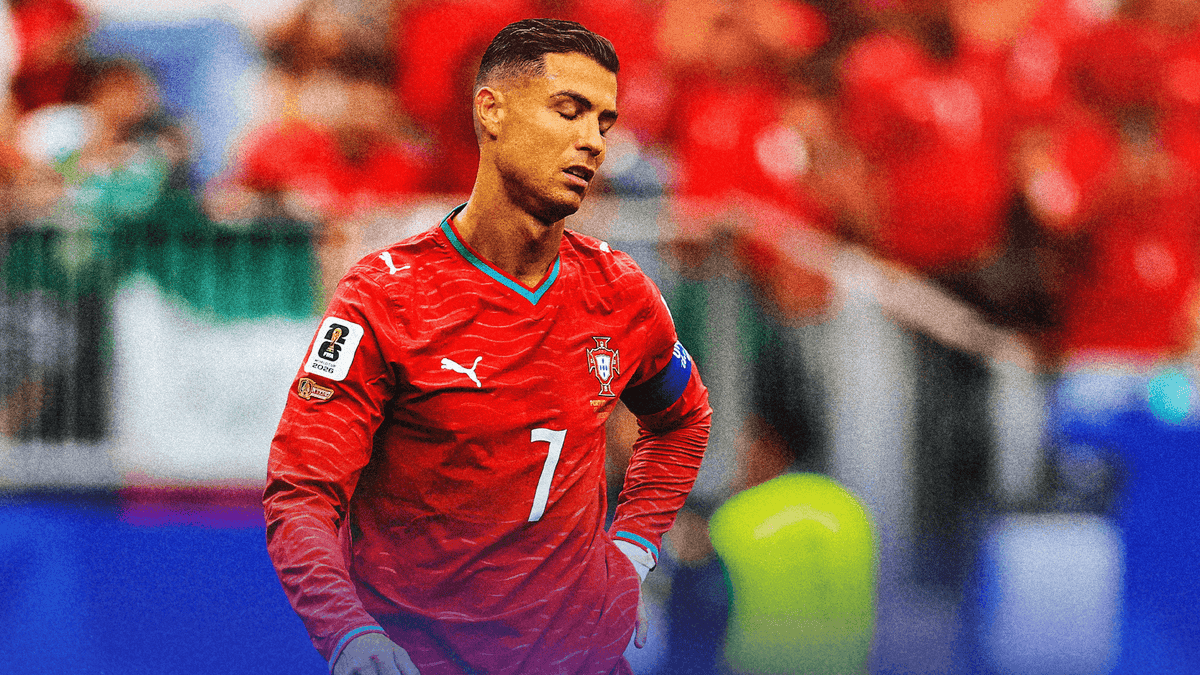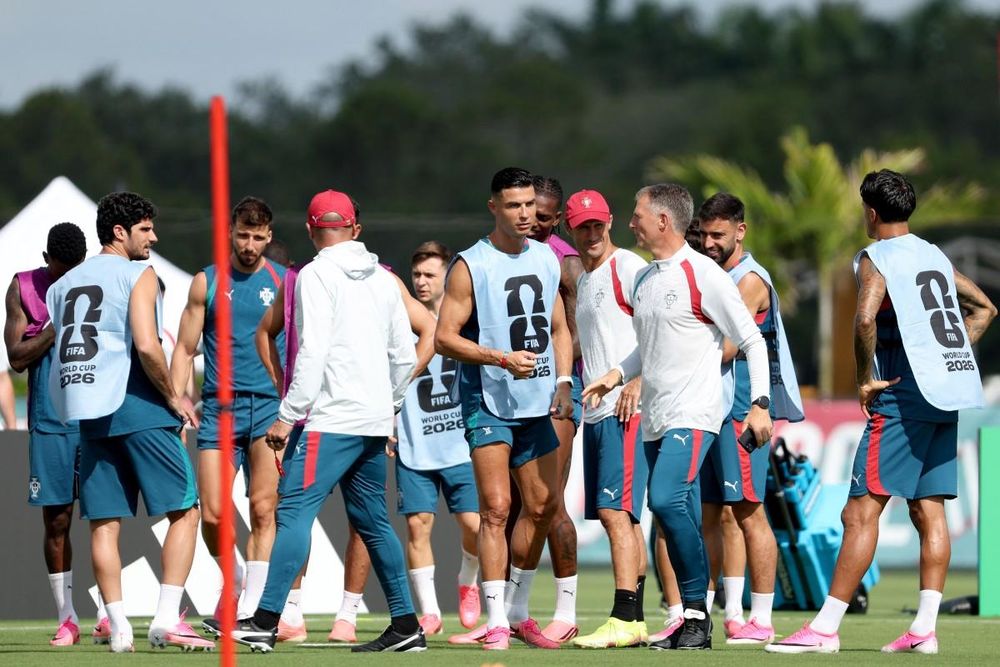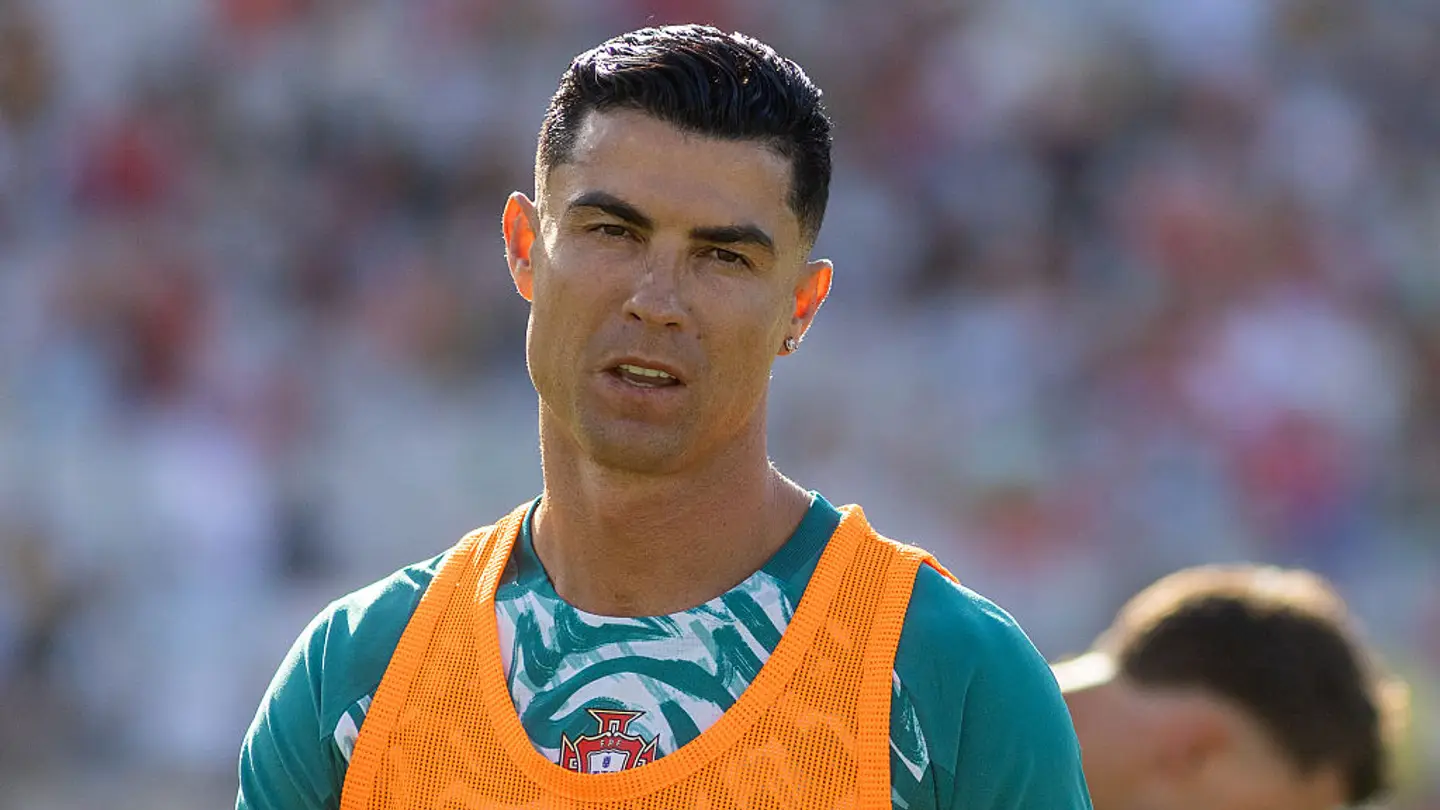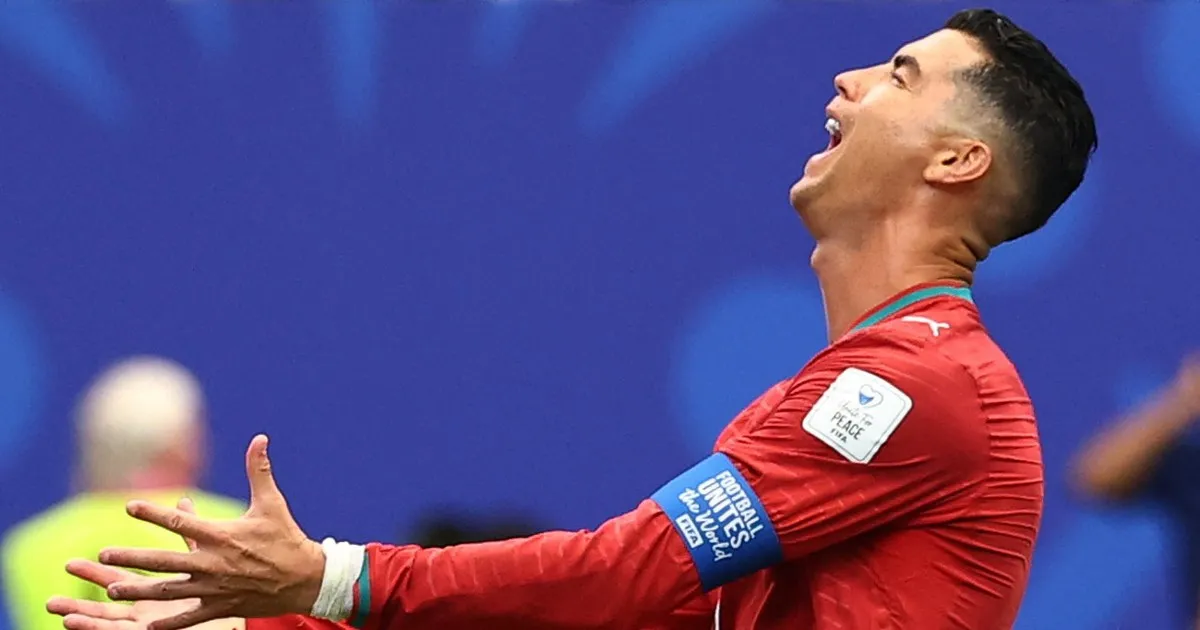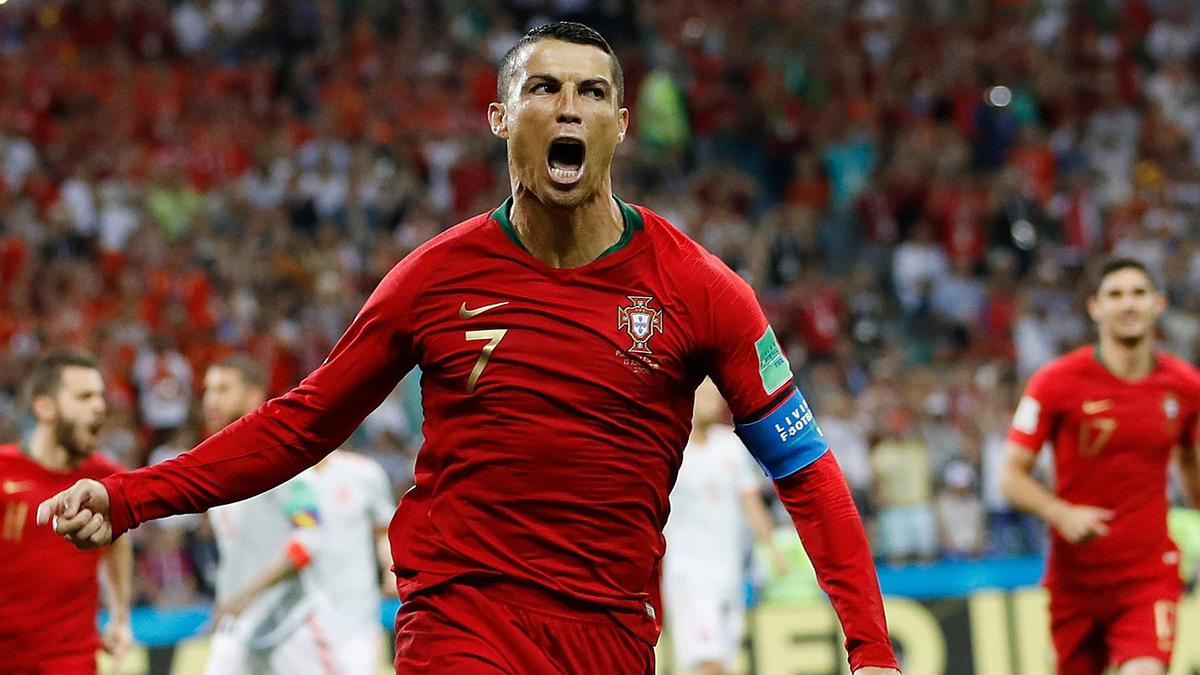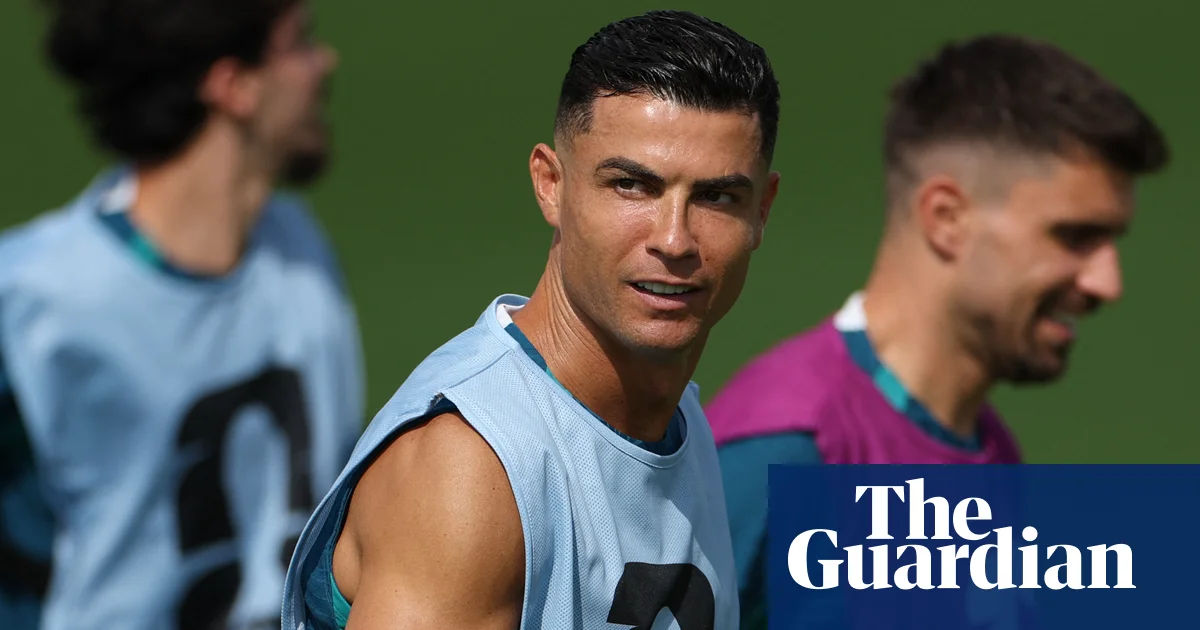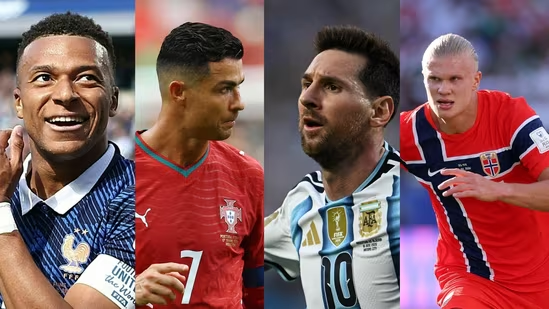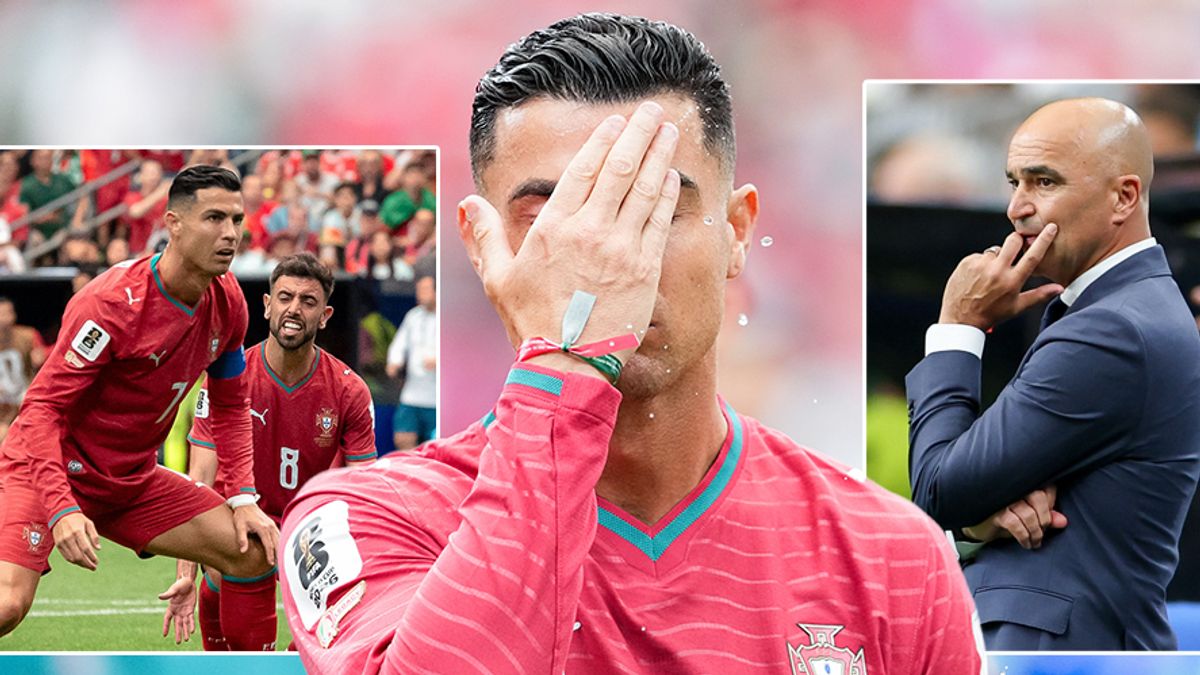
Welcome to The Athletic’s daily exploration of some of the lesser-spotted trends from the 2026 World Cup. If you’re searching for an alternative talking point as the tournament heats up, we have you covered.The power of sevenIt wasn’t for the want of trying but Cristiano Ronaldo was unable to add to his collection of tournament goals on Wednesday. The 41-year-old has now gone 10 games at World Cups and European Championships without scoring, the longest such run in his storied career.One thing Ronaldo cannot blame for his lack of goals is the number on the back of his shirt. The Portuguese star has favored the No 7 jersey throughout his career, one of the most prestigious numbers to don in soccer.And it’s fair to say that the number, if not Ronaldo, is having a fine World Cup. Eight players wearing No 7 have scored so far, a bigger spread than any other squad number.Of course, Ronaldo could yet reach seventh heaven this summer — his next opportunity comes against Uzbekistan on Tuesday.
Mind the gapFor Luka Modric, his outing for Croatia against England on Wednesday was a rare game to forget. The midfielder’s wildly mistimed clearance from a corner caught Noni Madueke and conceded the penalty from which Harry Kane eventually opened the scoring in England’s 4-2 victory. The diminutive maestro was subsequently hooked off for Mateo Kovacic before the hour mark.Regardless of how he performs now, though, Modric’s status as a generational talent is secure, including in the most literal sense of the phrase. At the 2006 World Cup, he played alongside Niko Kovac, born in 1971. Last night, aged 40, he lined up with 19-year-old centre-back Luka Vuskovic, born in 2007.At 21 years and six months, the gap between Modric and Vuskovic is the widest between any two players to have shared the pitch at this World Cup. And it can only be beaten if one of the tournament’s veteran goalkeepers gets involved. Mexico’s 40-year-old Guillermo Ochoa would need to appear alongside 17-year-old Gilberto Mora, or Scotland’s 43-year-old Craig Gordon would have to line up with 19-year-old Tyler Fletcher.Travel agentsThe World Cup song industry is hardly a reliable hit factory; most entries are hastily made, cringe-inducing and musically suspect. Bosnia and Herzegovina, though, have achieved the rare feat of producing a genuinely catchy one for this World Cup with the fairly rhythmic “I Am From Bosnia — Take Me To America”.So, inevitably, their first game took place in… Canada, drawing 1-1 with the co-hosts in Toronto.But their American dream is finally realized today when they face Switzerland at SoFi Stadium, but only after taking the scenic route to the United States. Bosnia travelled more than 2,000 miles from that opening game in Toronto to Los Angeles, and their total group-stage travel distance of 3,142 miles is more than any other team at the tournament.The World Cup’s foreign legionForeign coaches are not a new development at the World Cup — in the first-ever tournament in 1930, Chile were led by Hungarian Gyorgy Orth. But for most of the 20th century, it was still relatively rare for a non-national to take charge of a team at soccer’s biggest tournament.That is not the case in 2026.Countries of the stature of Brazil (Carlo Ancelotti), England (Thomas Tuchel), the U.S. (Mauricio Pochettino), Canada (Jesse Marsch), Belgium (Rudi Garcia) and Portugal (Roberto Martinez) are all being led by foreigners this summer. In fact more than half of the teams taking part in this World Cup have a foreign head coach.Historically there have been claims that winning international honours with a foreign coach would lessen the achievement, or even the joy. But should any of the 26 teams with one lift the World Cup on July 19, they are unlikely care in the slightest.Jun 18, 2026Connections: Sports EditionSpot the pattern. Connect the termsFind the hidden link between sports terms