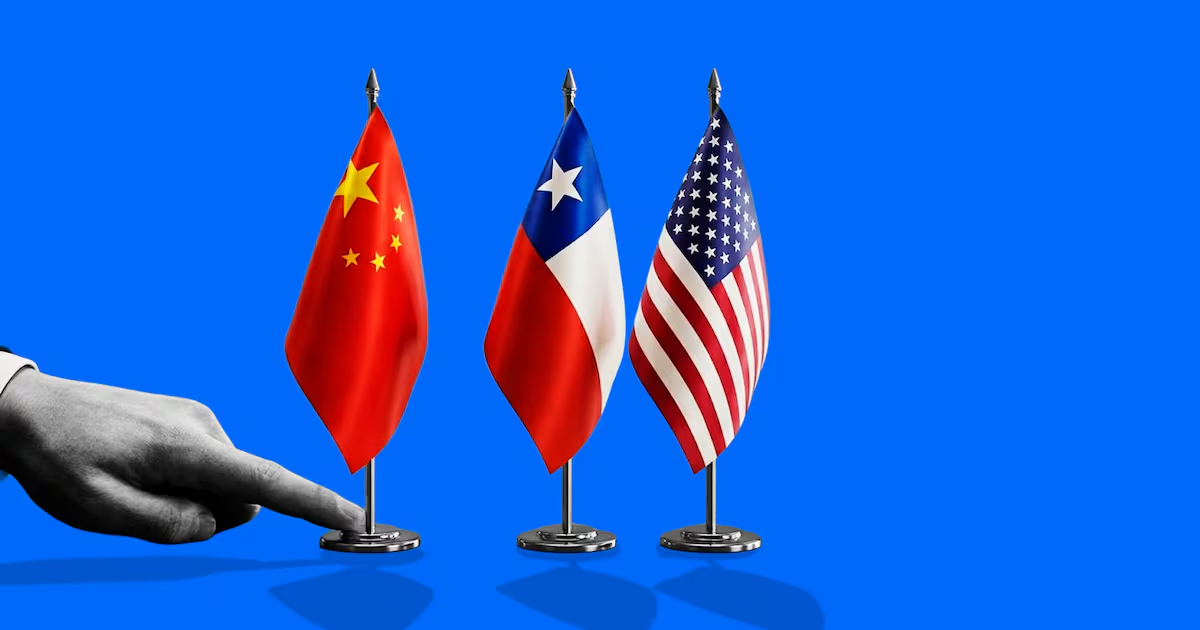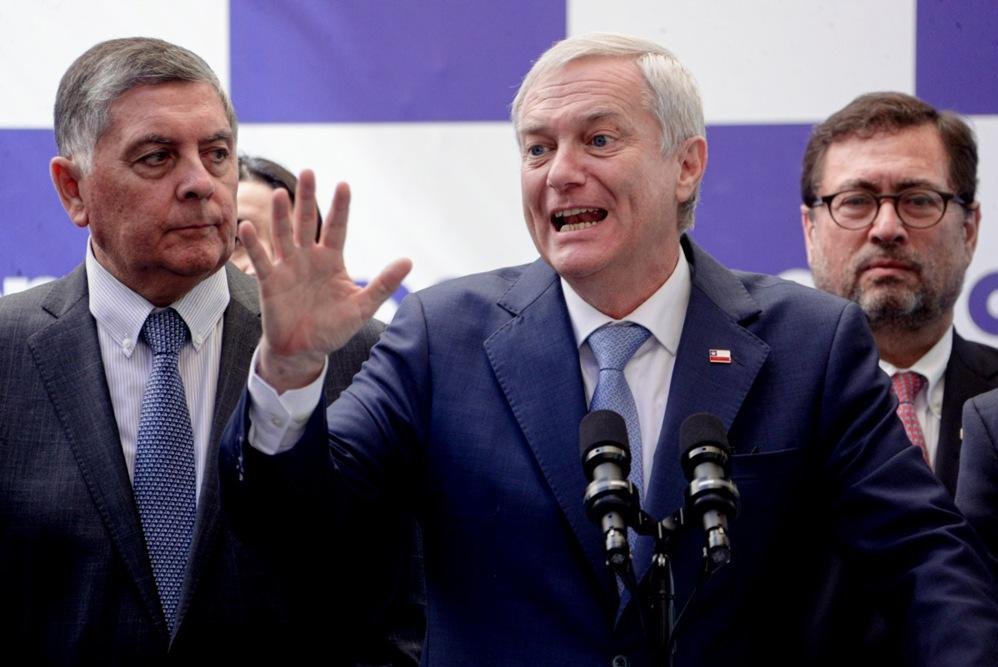
On the morning of February 20, 2026, Juan Carlos Muñoz, then Chile’s minister of transportation and telecommunications, woke up to an email from the U.S. State Department. It informed him that his diplomatic visa had been canceled. The visas of Muñoz and two other Chilean government officials were revoked for activities that “compromised critical telecommunications infrastructure and undermined regional security in our hemisphere,” the notification said.
At the time, the three officials were assessing a $500-million proposal by state-owned telecom company China Mobile, to link Valparaíso and Hong Kong by an undersea cable. The U.S. sanctions had a big impact, Muñoz told Rest of World.
“It prevents me from visiting a country that is important to my work and … serves as a central hub for international air connections,” he said. “It also damages my reputation.”
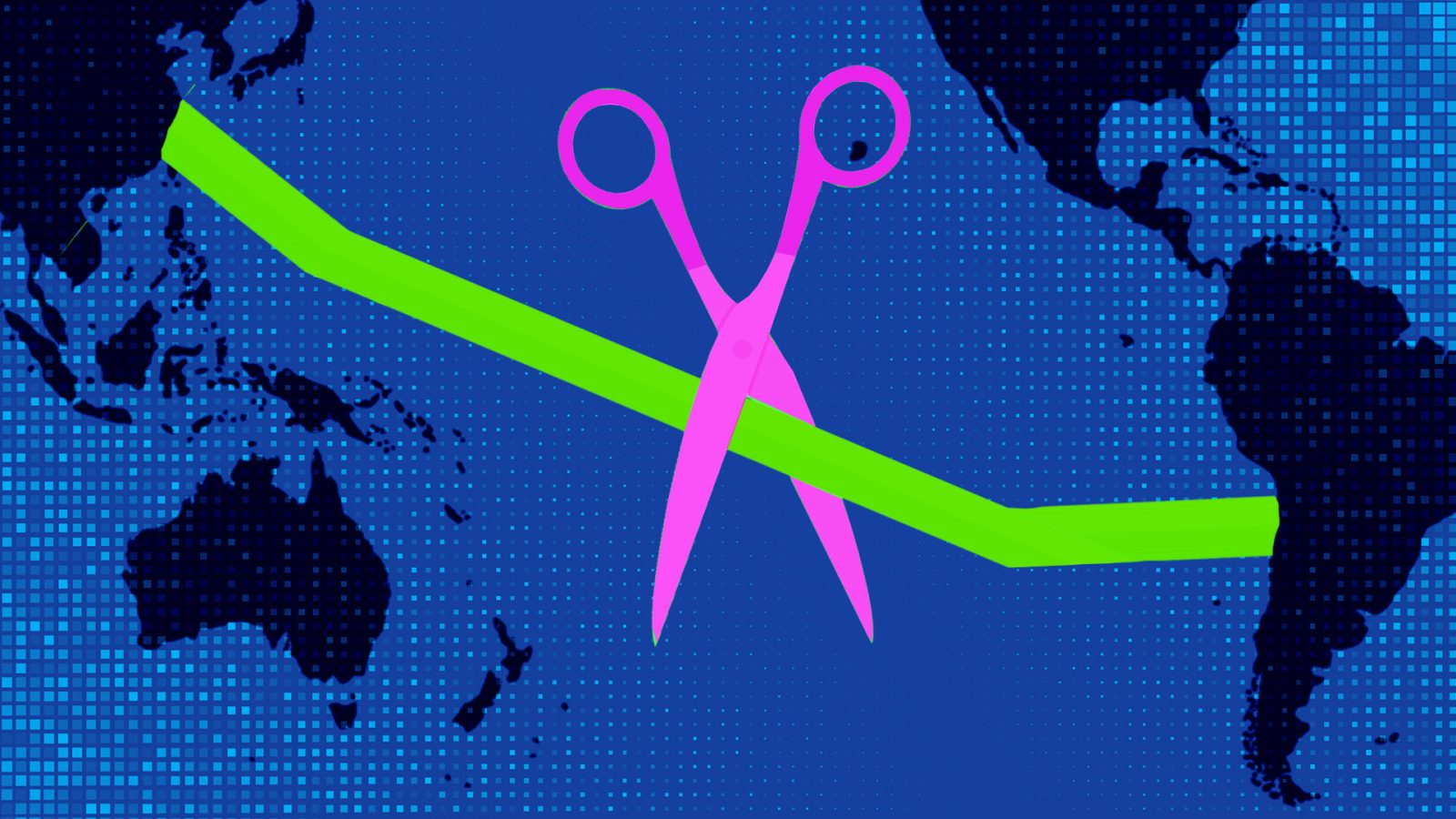
The artificial intelligence boom has raised demand for the undersea cables that transmit the bulk of the world’s data. The Chile-China Express cable was to be the first to link Latin America to Asia, even as every coastal South American country is connected to the U.S. via undersea cables. Chile’s assessment of China Mobile’s proposal was standard procedure, Jorge Heine, a former Chilean diplomat, told Rest of World.