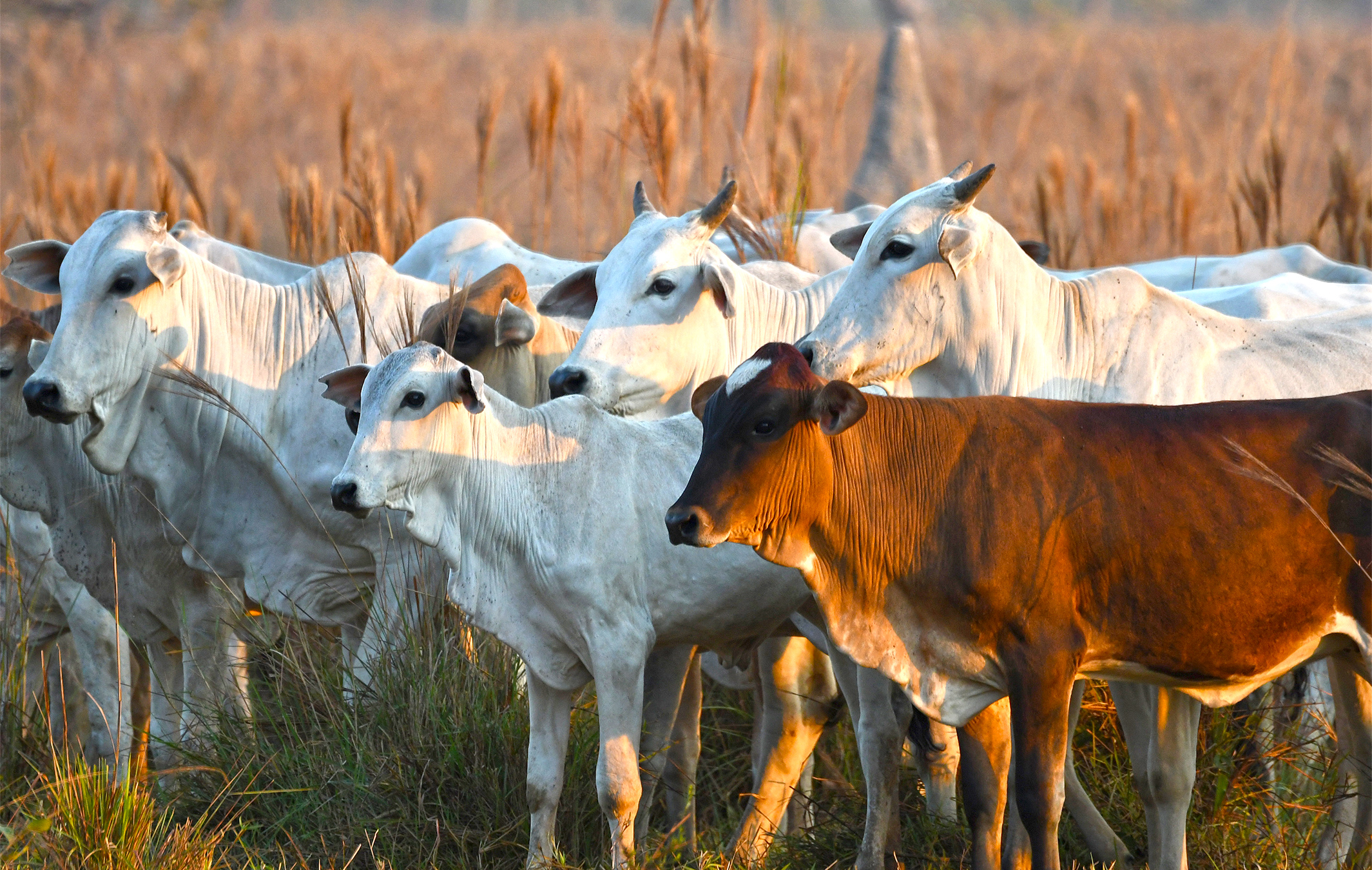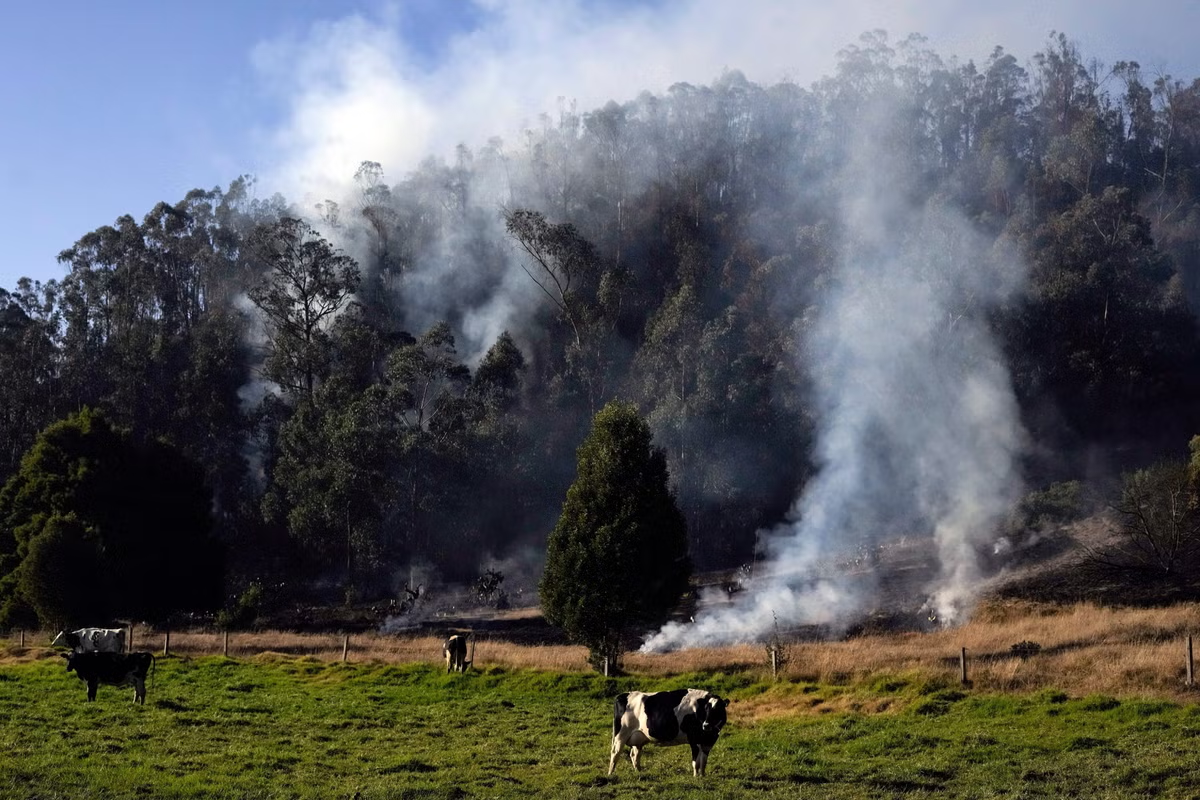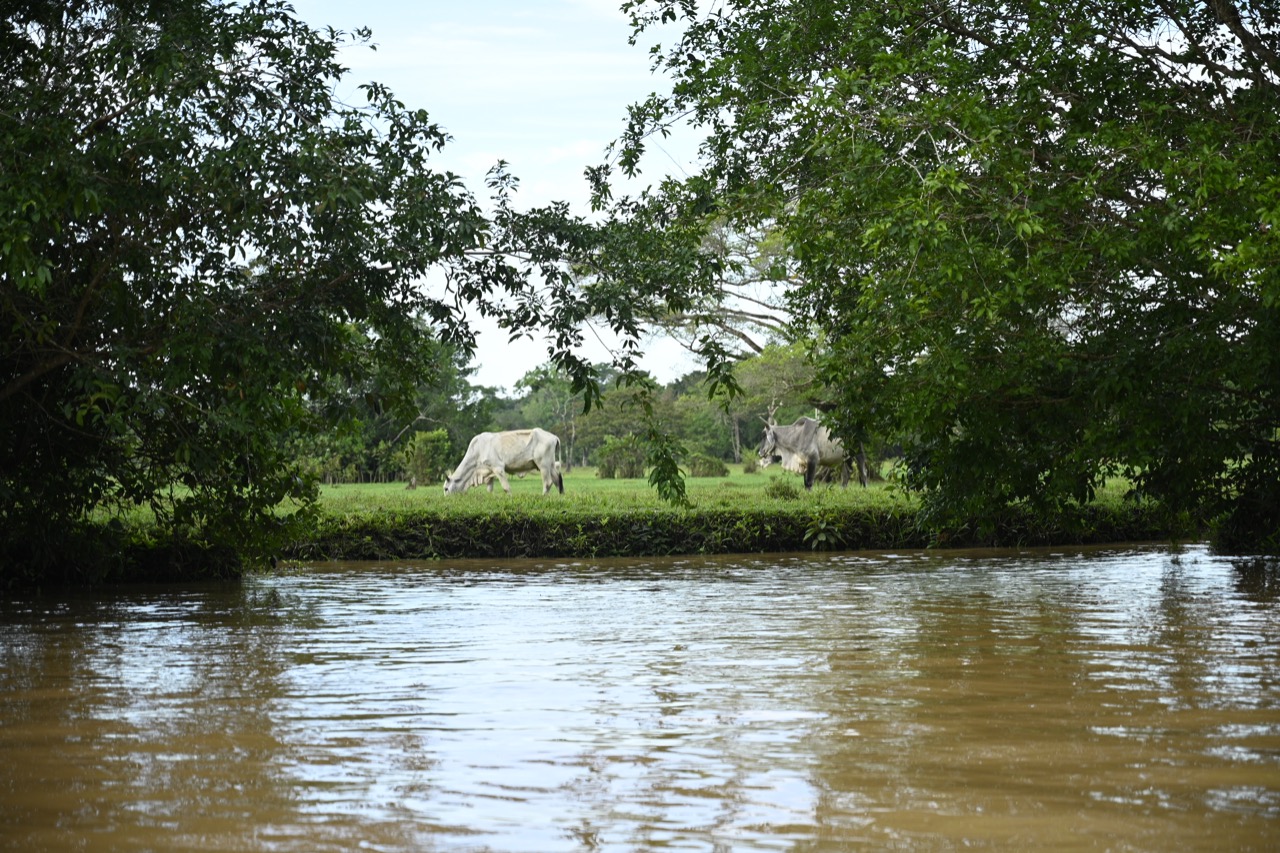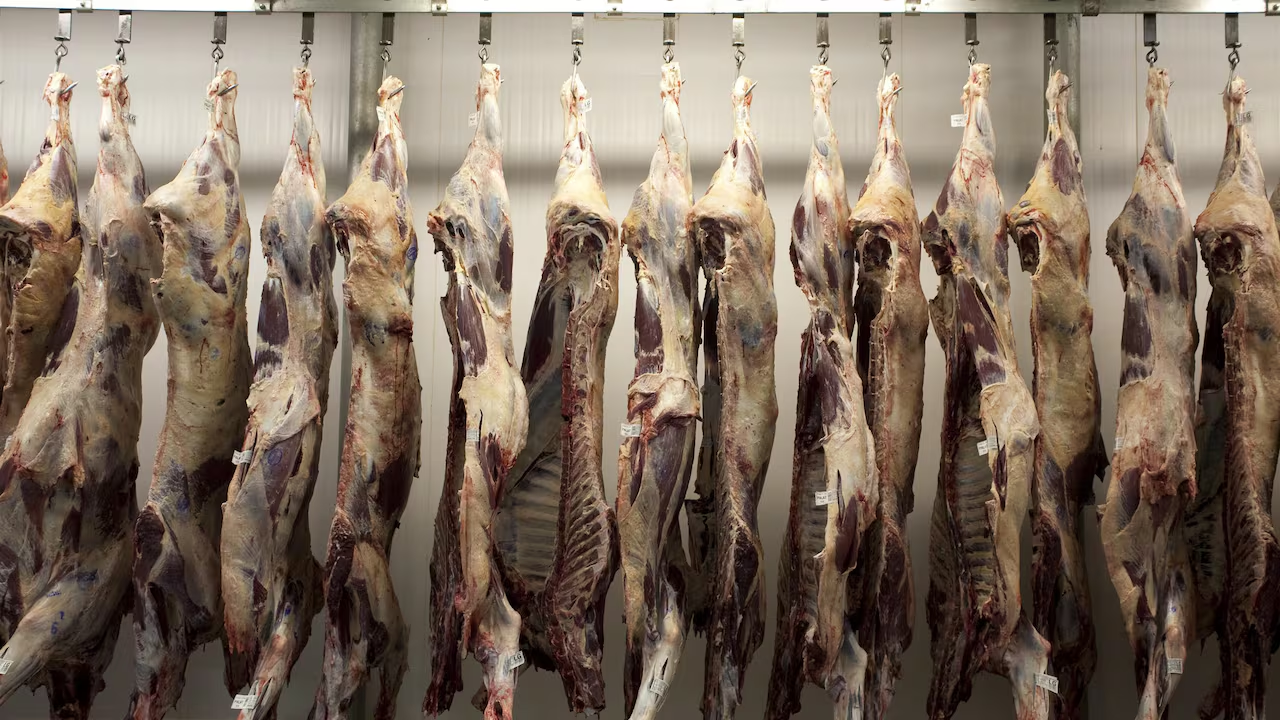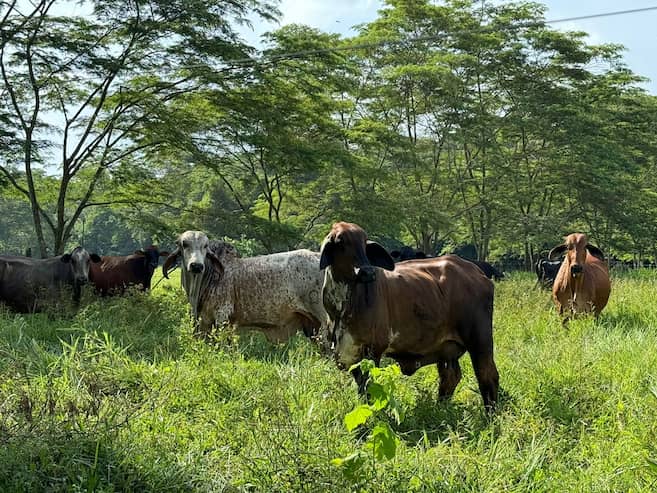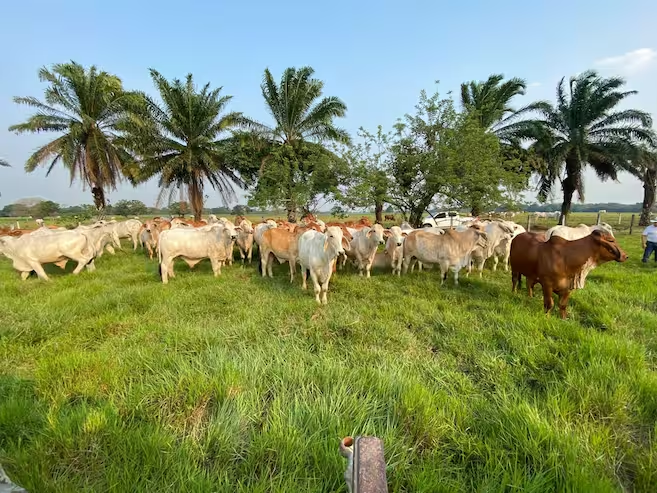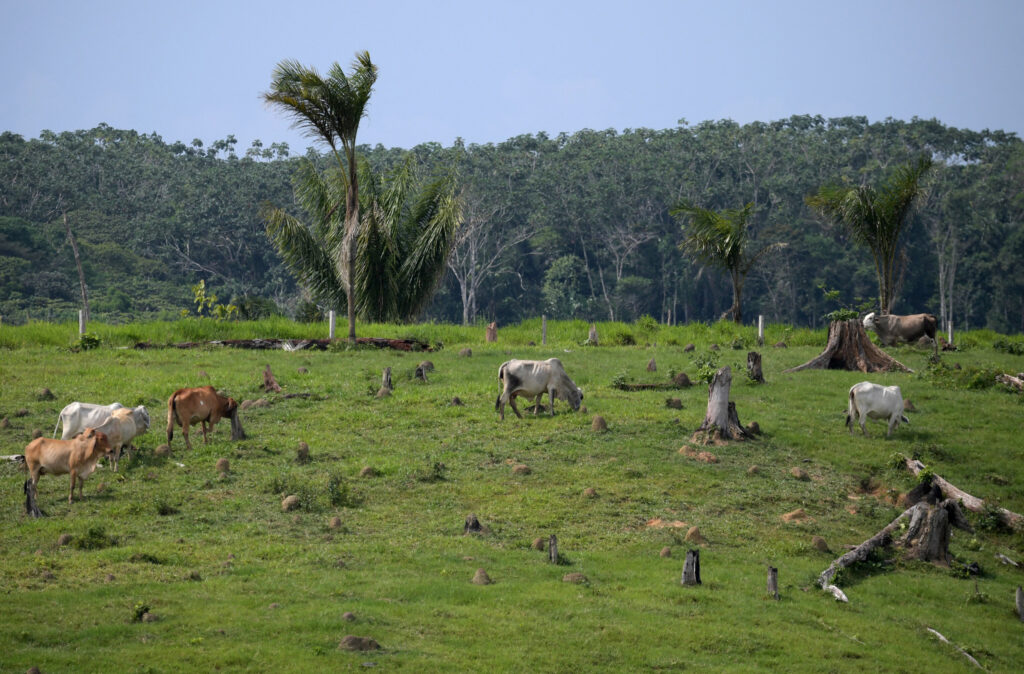
Colombia this month enacted a landmark law designed to stop deforestation connected to cattle ranching, a move that environmental groups say could provide a model for the wider Amazon region, where livestock production is a leading driver of tree loss in the world’s largest and most climate-critical rainforest.
The law will require that cattle are rigorously tracked from their origins all the way to the supermarket. It gained traction after advocacy groups and investigators found Colombian grocery stores were unwittingly selling beef from cattle that had been raised on illegally deforested land in the country’s national parks. The measure comes as commodity-exporting countries face increasing scrutiny of products tied to deforestation, including from the European Union, which passed a law in 2022 requiring beef and other commodity exporters to demonstrate their products are deforestation-free.
The Amazon rainforest is a huge repository of carbon and critical for maintaining Earth’s atmospheric stability.
“For decades, cattle expansion has been a major driver of deforestation in the Colombian Amazon,” said Boris Patentreger, a senior director with Mighty Earth, an advocacy organization that has extensively tracked deforestation in the Amazon but was not directly involved in pushing for the new law. “By requiring traceability from farm to slaughterhouse and linking cattle movement data with deforestation monitoring, Colombia is taking a critical step toward ensuring that beef and leather are no longer associated with forest destruction.”