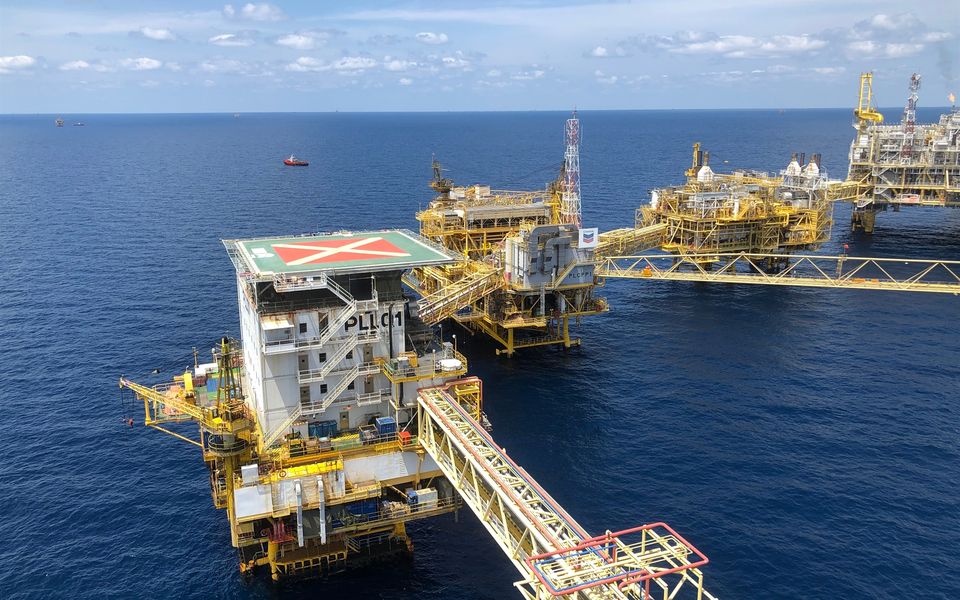
A new offshore energy exploration agreement between Libya’s National Oil Corporation (NOC) and a consortium including Turkish and European companies is drawing intense scrutiny in Greece, where officials oppose maritime claims stemming from the controversial Turkey-Libya accord.
The agreement, signed Monday in Benghazi, covers an offshore block of about 10,300 square kilometers northwest of the eastern Libyan city. The consortium includes Turkey’s TPAO and Spain’s Repsol, each with 40% stakes, along with Hungary’s MOL, Italy’s Eni and QatarEnergy.
While the exploration area lies south of the maritime zones claimed by Greece and does not physically overlap with Greek-licensed blocks south of Crete, analysts in Athens say the deal establishes a troubling precedent. It underscores Ankara’s efforts to secure tangible results within the framework of the 2019 Turkey-Libya maritime memorandum, which Greece rejects as a violation of international law.
The participation of companies from EU member-states Spain, Italy and Hungary has also fueled cynicism in Athens. The development highlights a long-standing geopolitical “marriage” between Turkey and key European nations, including Spain and Italy. From the Greek perspective, it is increasingly clear that several EU partners view Turkey as an indispensable strategic partner, dismissing Greece’s security concerns as a “necessary evil.”