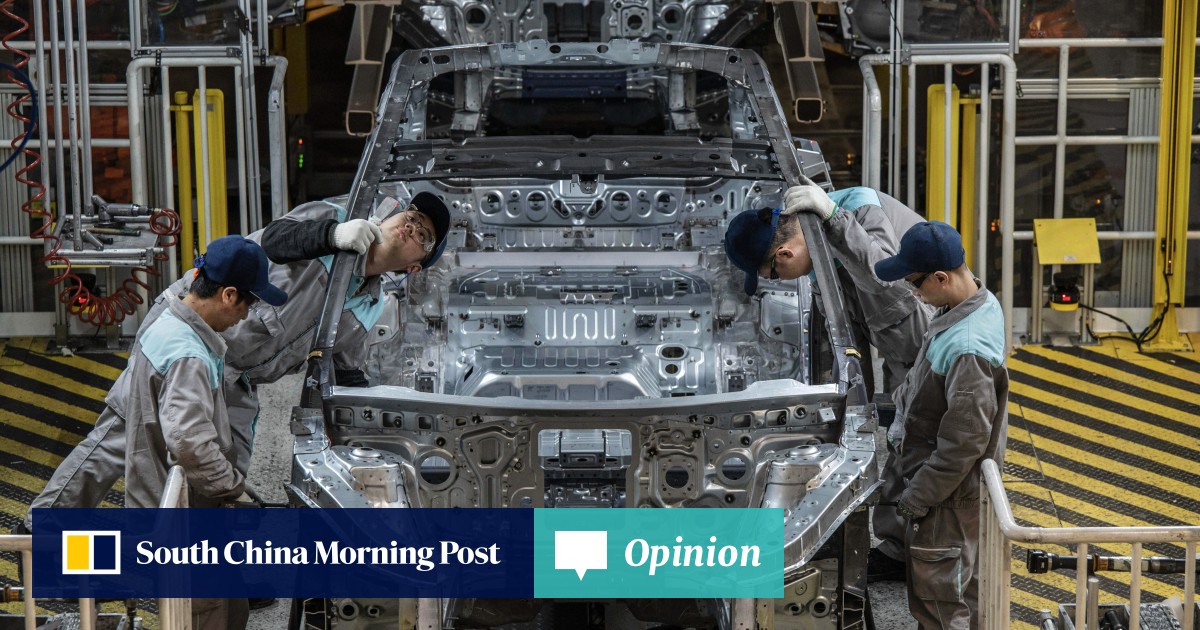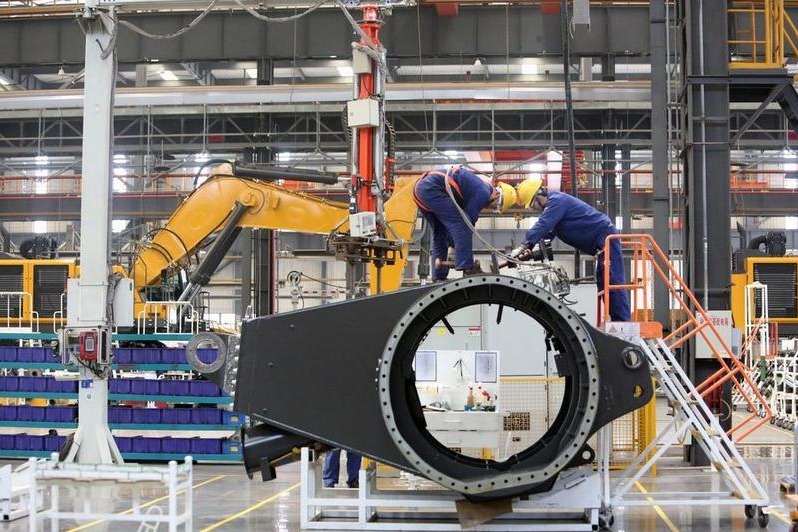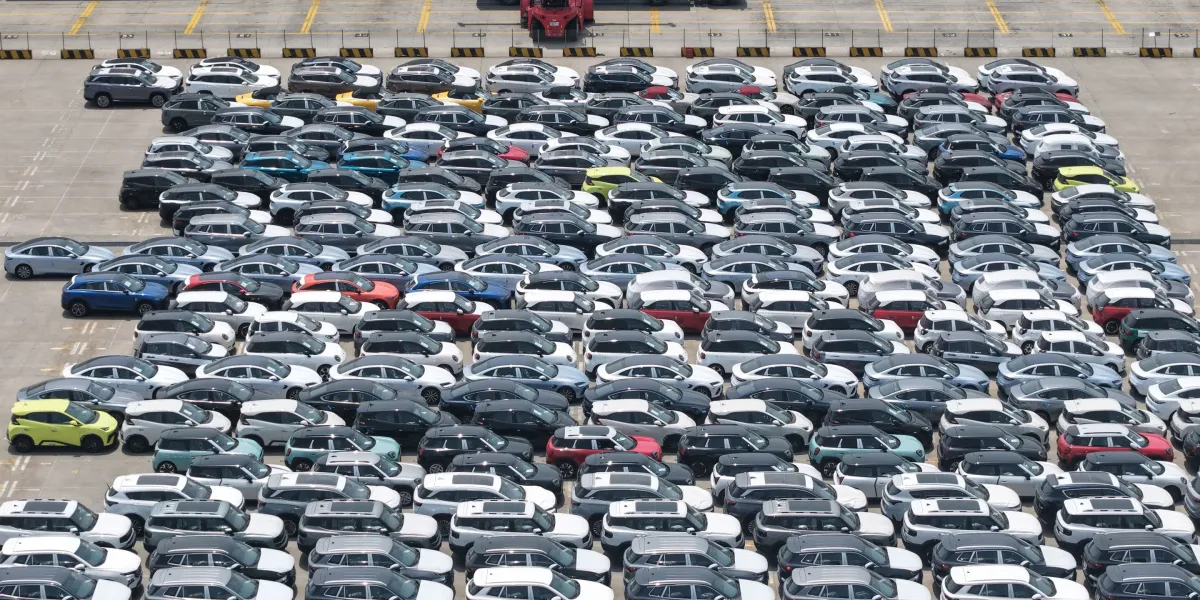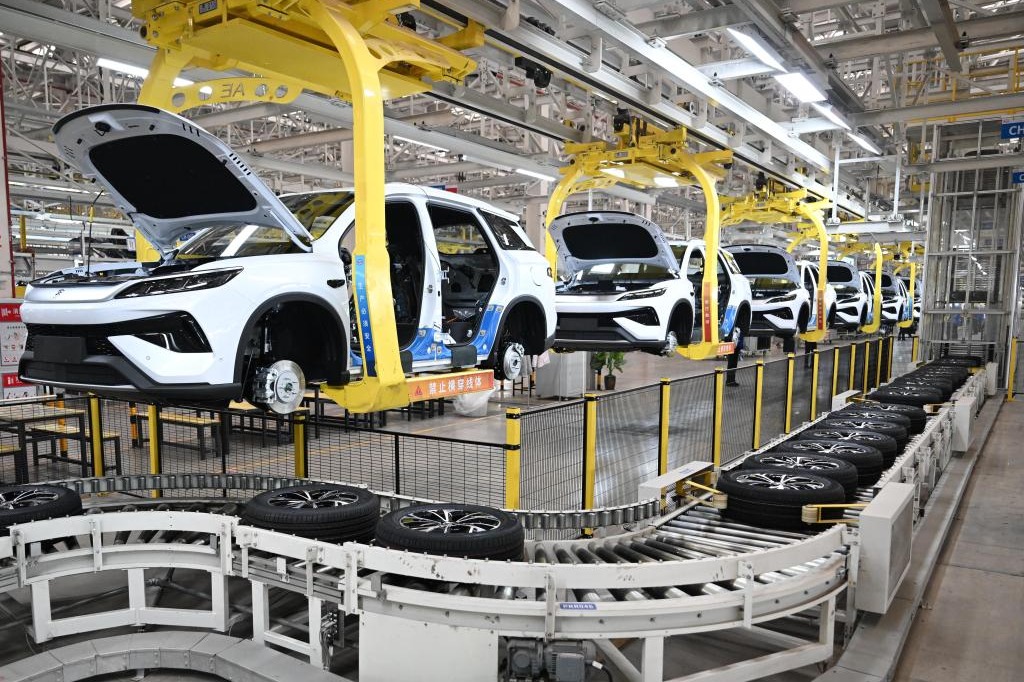
China's phenomenal success in exports deserves admiration. The development strategy behind it should be viewed as a model for others to emulate and even become part of the policy packages attached to financial assistance from the World Bank, the International Monetary Fund and Western governments.
That is how previous success stories were treated. Japan's post-war rapid economic growth was termed the "Japanese miracle", and the high-growth economies of the Taiwan region and the Hong Kong Special Administrative Region, Singapore and the Republic of Korea were celebrated as the "Asian Tigers".
China, however, has been given a different label. In 2013, economists David Autor, David Dorn and Gordon Hanson helped popularize what later became known as the "China Shock", which alleged that Chinese imports were hurting the labor market in the United States.
The change from terms of admiration to a vocabulary of alarm was telling. The "China Shock" was associated with negative nouns such as "overproduction, overcapacity and oversupply". These were attributed to strong state guidance through industrial policies, never mind the fact that the same strategy had underpinned the economic rise of Japan and several "Asian Tigers".