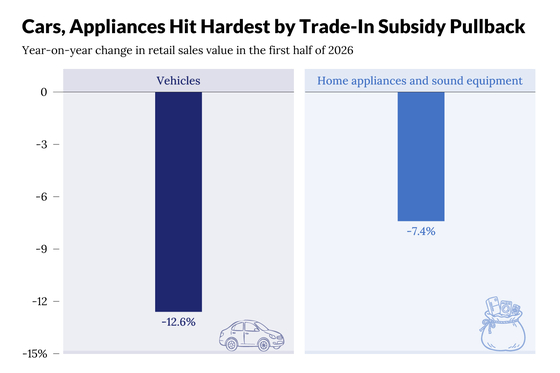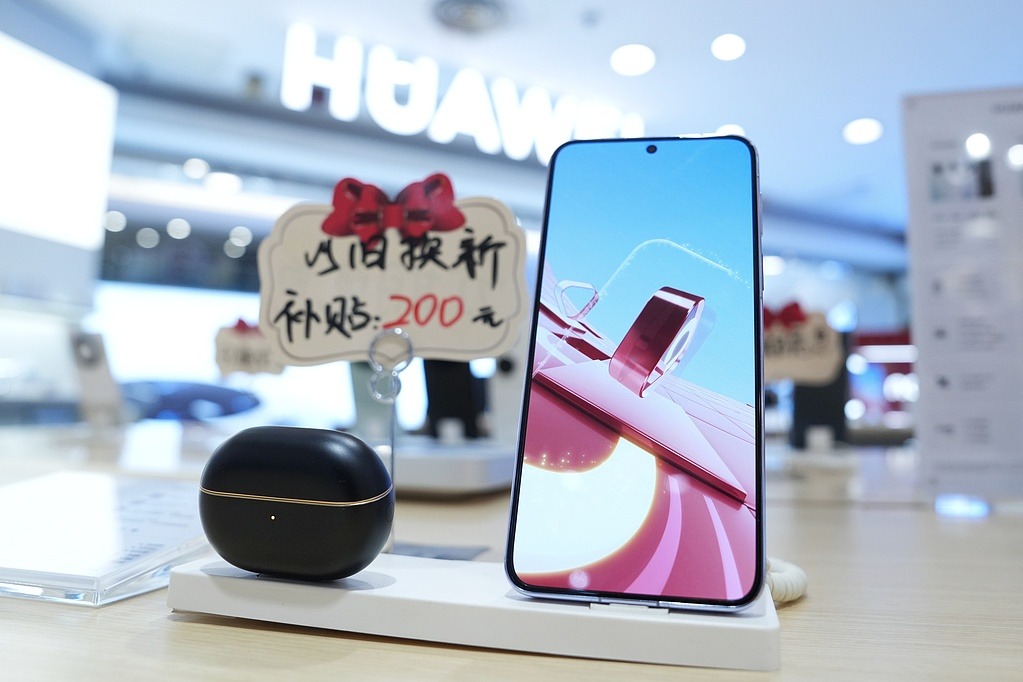
Beijing has ramped up its consumer goods trade-in program to stimulate market vitality and promote a green transition, driving over 21 billion yuan ($3.1 billion) in sales of new cars and home appliances in the first half of 2026.
Lu Huiling, deputy director of Beijing's municipal commerce bureau, emphasized the importance of broad public mobilization, expanded enterprise participation and government-enterprise collaboration to support offline retail entities. "We must make continuous efforts in conducting joint inspections to ensure these policies benefit the people, boost consumption and achieve expected results through standard and orderly implementation," Lu said during a recent promotion meeting.
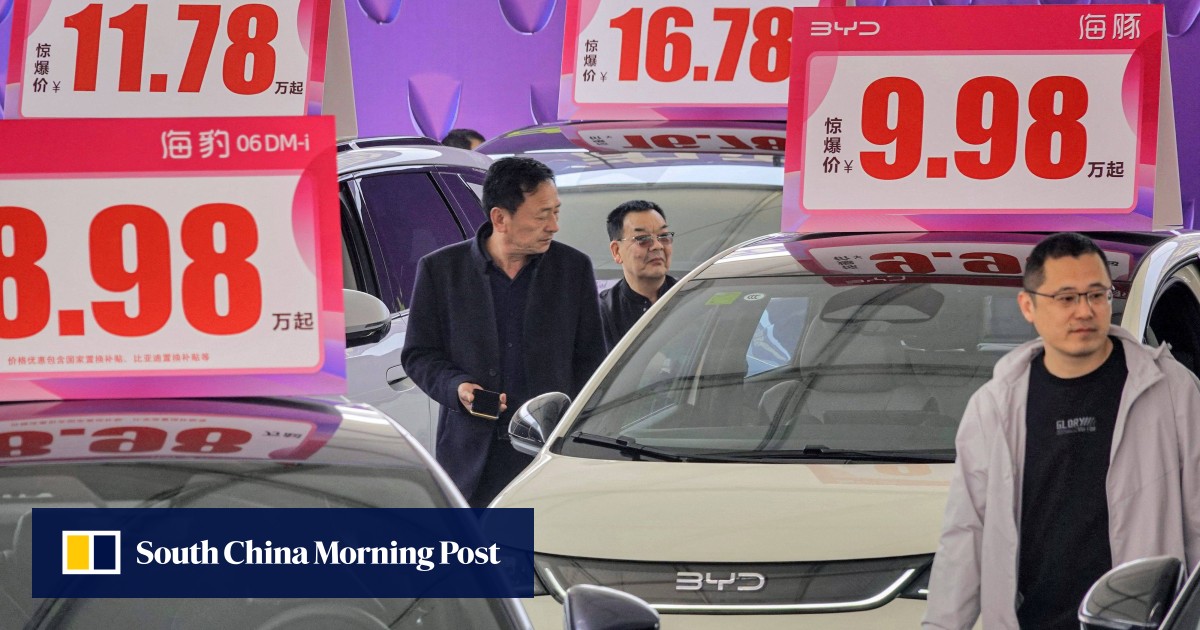
Operating under the "Shopping in China" framework, the city's trade-in policies have been efficiently implemented, yielding significant economic results. By adjusting the quota of subsidies during key consumption times like holidays, the policy has maximized its leverage effect. In the automobile sector, more than 52,000 consumers have applied for subsidies so far, generating over 11 billion yuan in new car sales.
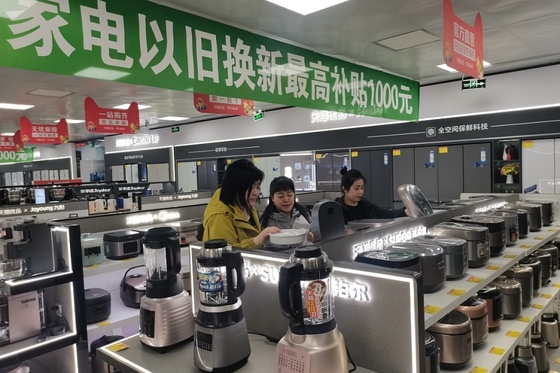
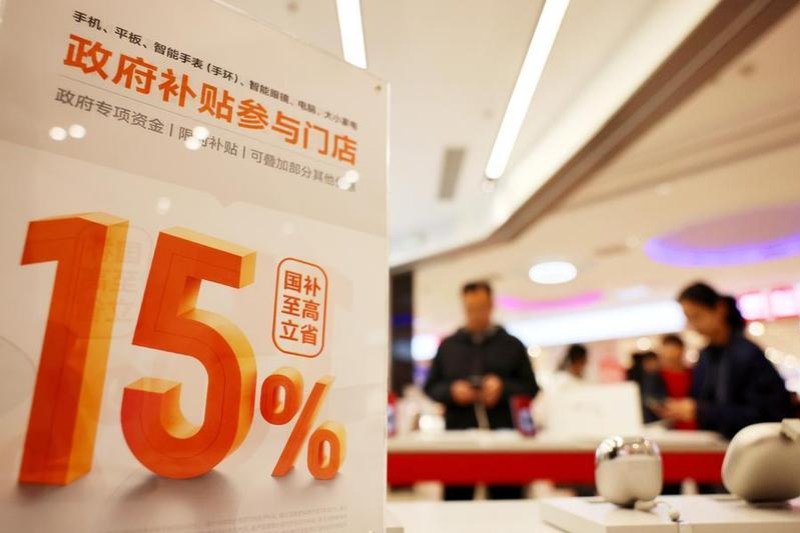
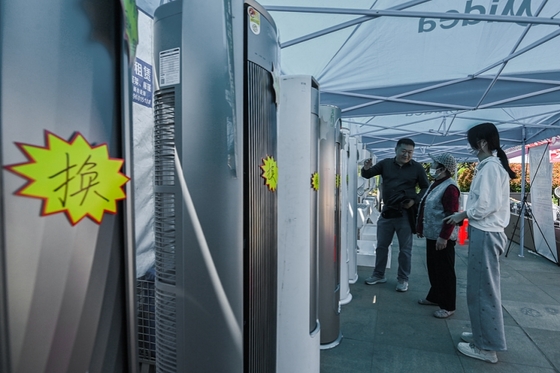
Meanwhile, the city has subsidized the sales of over 2.4 million green home appliances and digital products, driving sales past the 10-billion-yuan mark and effectively satisfying public demand.