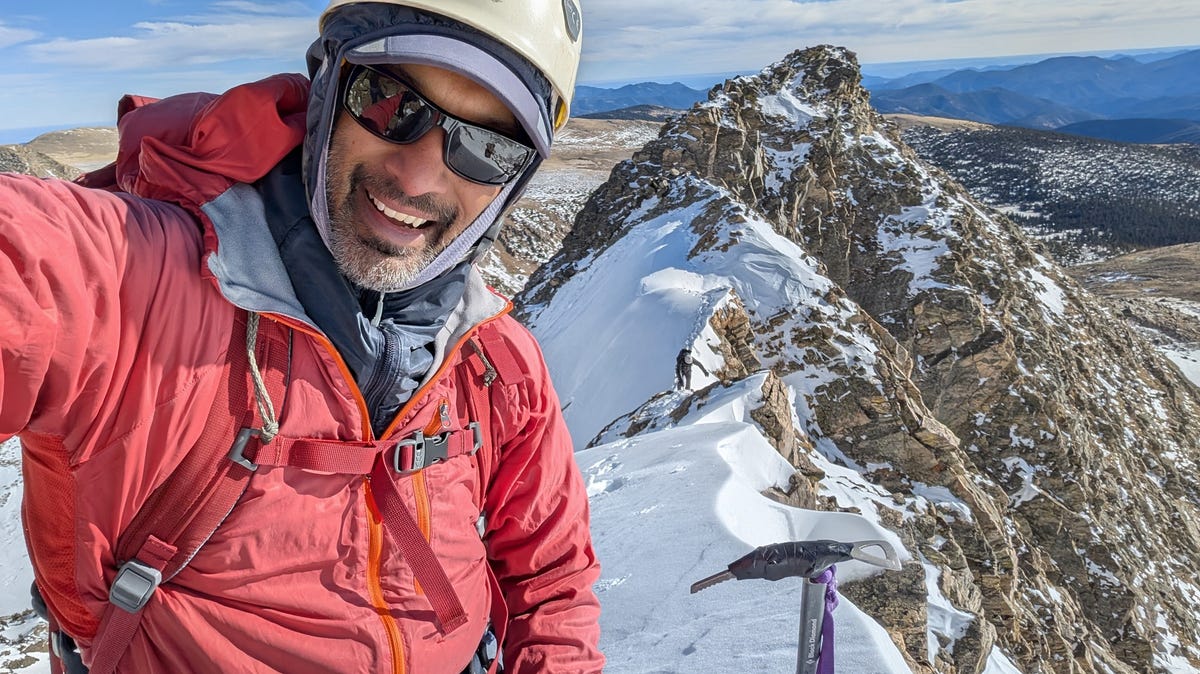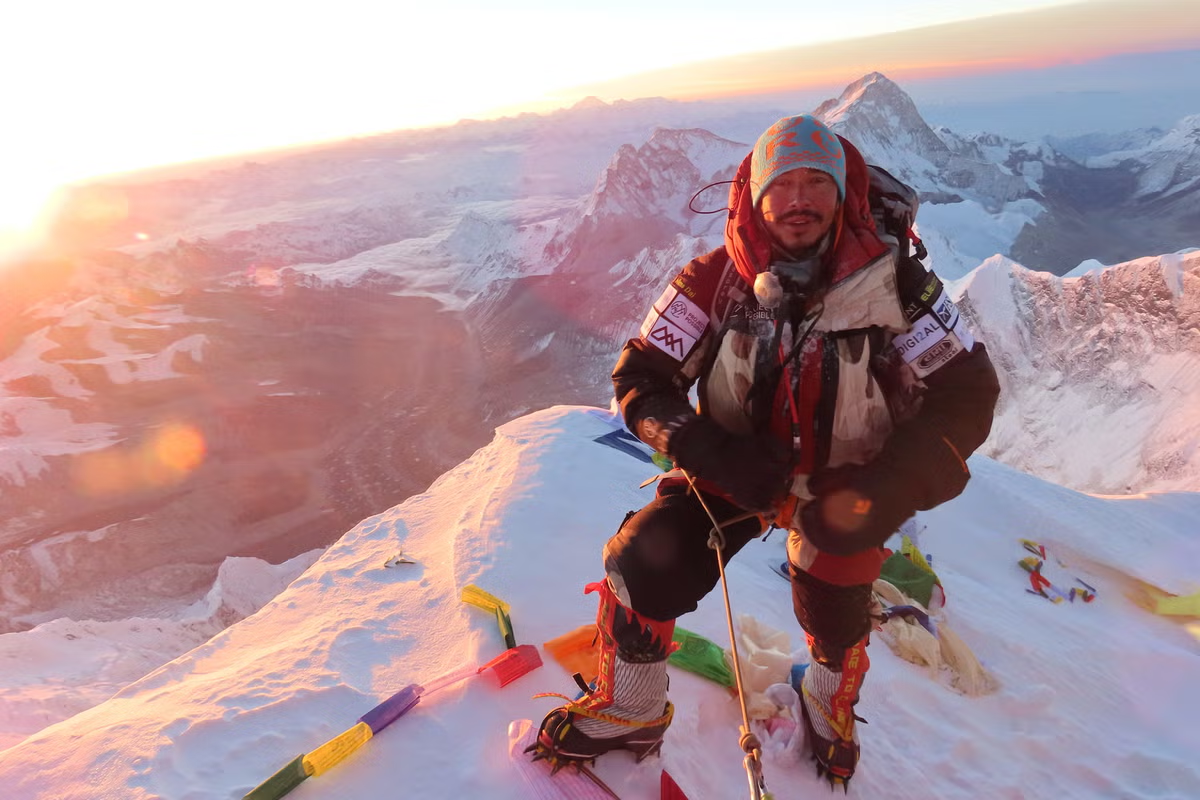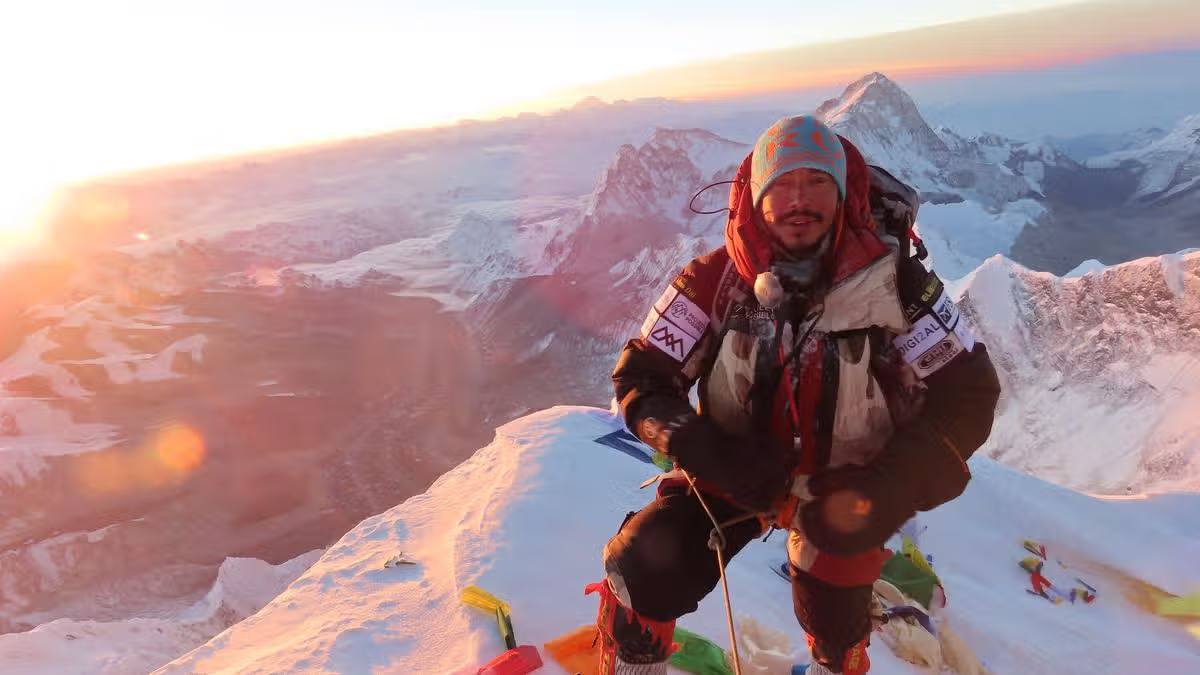
In April 2023, mountaineer Anurag Maloo was just about 150 metres from the Annapurna Summit. As the weather worsened, he decided to turn back but during further descent from Camp 3 on April 17, he mistakenly clipped into the wrong fixed rope and disappeared into a crevasse: a trap with no way out. Falling roughly 70 metres into the glacier’s frozen gut at close to 6,000 metres, where the temperature hovered around -40°C, with no food, water or communication, Anurag waited for three days with only his GoPro for company, recording thoughts from inside the glacier.
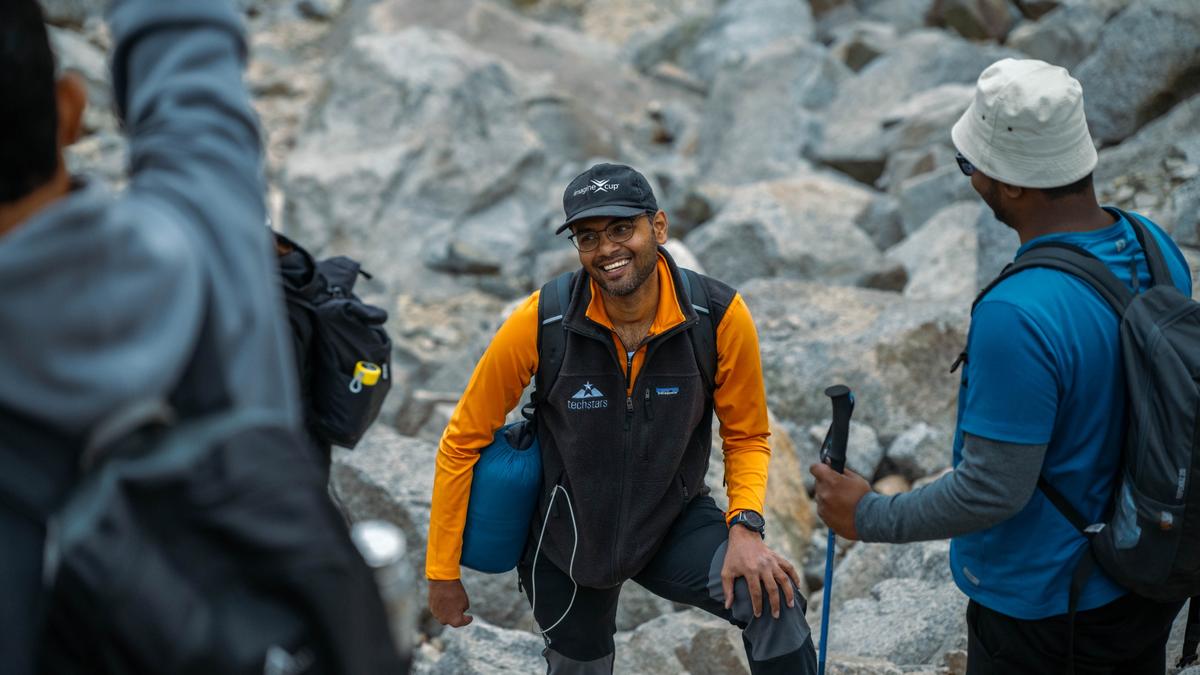
Anurag Maloo
| Photo Credit:
Karuna Sah
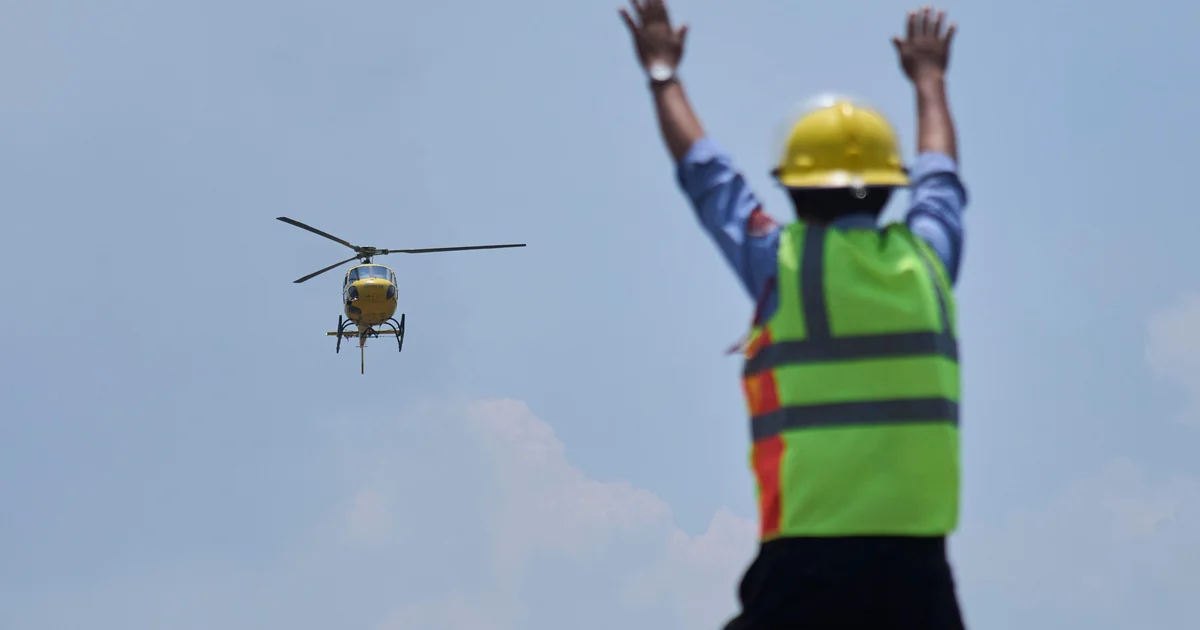
When Polish rescuers and Nepali Sherpas finally pulled him out on the fourth day and took him to the nearby hospital in Pokhara, doctors declared him clinically dead. It took what doctors would later document as one of the longest successful CPRs in recorded medical history — nearly four hours — to bring him back. His case has since been published in multiple medical journals, including the Air Medical Journal and ScienceDirect. “In the hospital, I realised that this life doesn’t just belong to me but is meant for something larger than myself,” says Anurag, who has spent over 15 years working across start-ups, venture capital ecosystems, and social impact.But this is not a story of how he put his life together but one that talks about how he turned his near-death experience to bring life to a cause that has been abjectly ignored: glacier loss and how it is a threat to the future of our water security. “I was fortunate to have those 72 hours. But probably these glaciers, may not even have 72 years,” says Anurag.