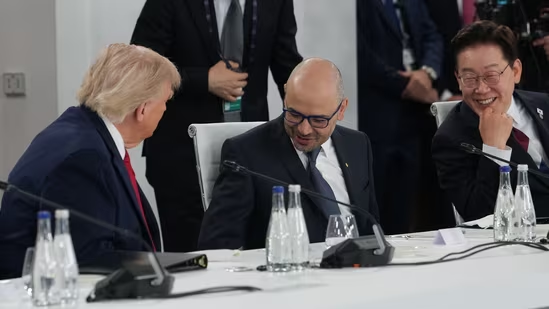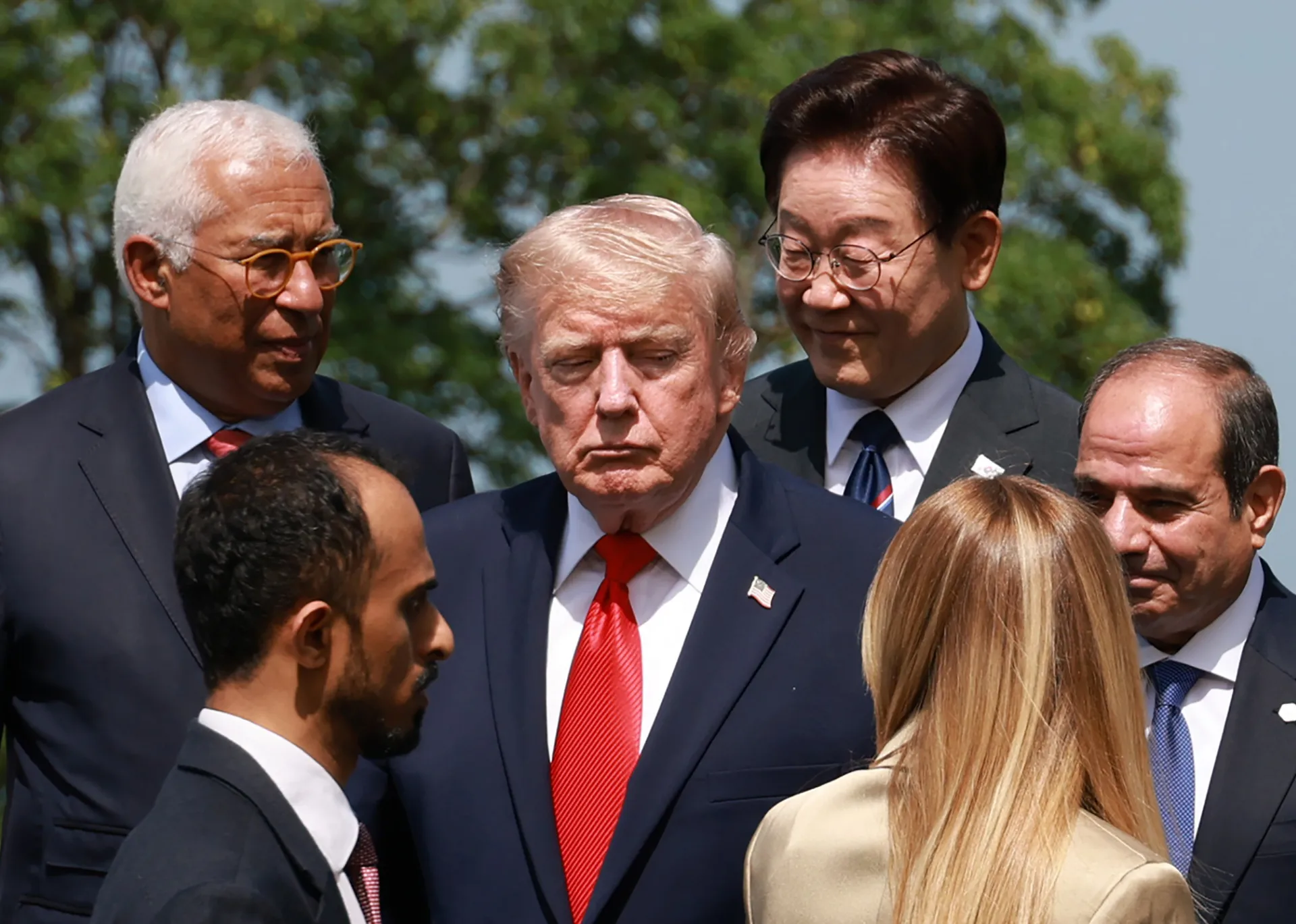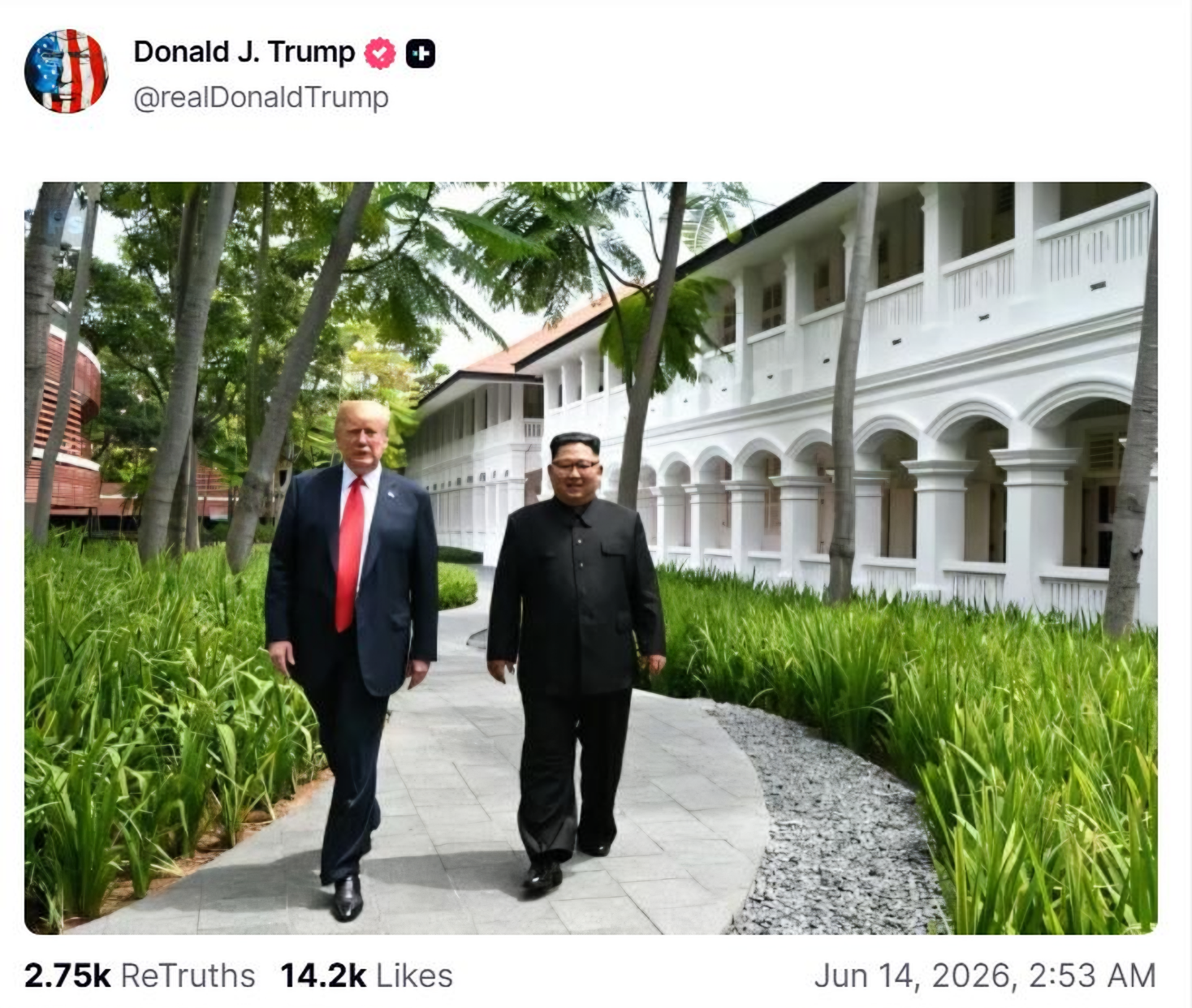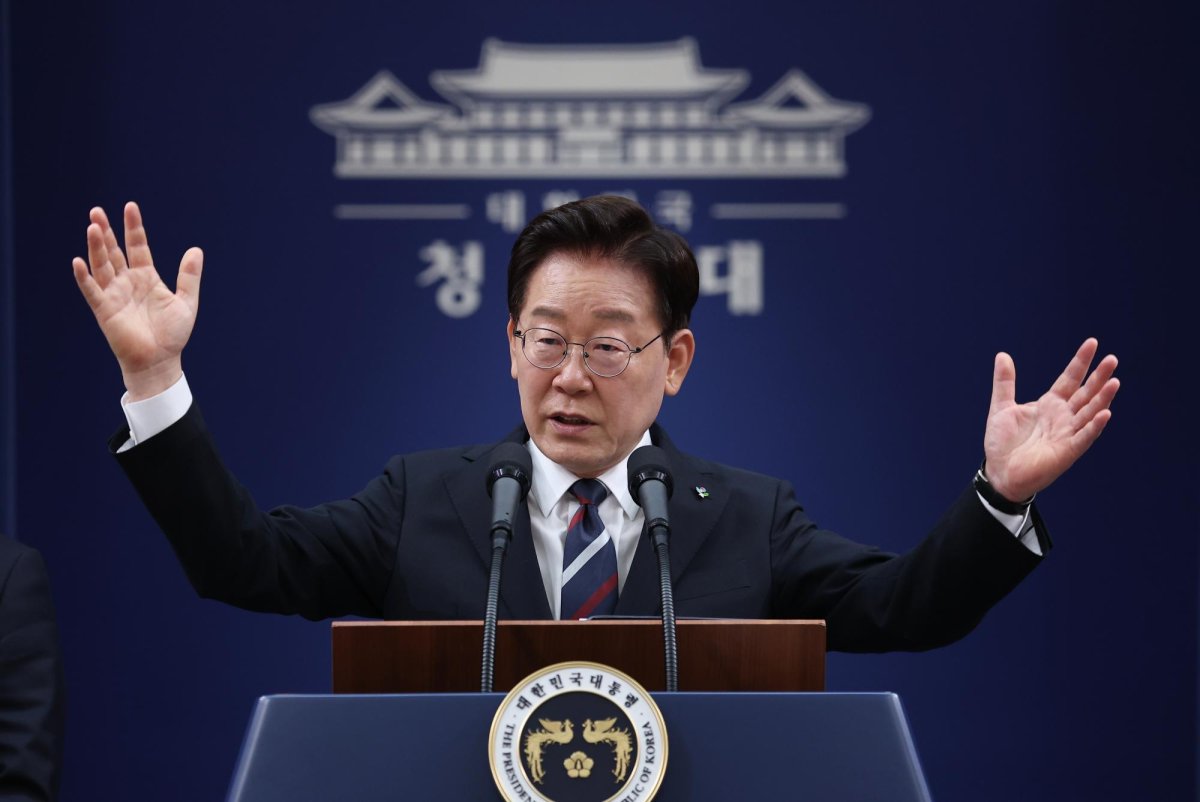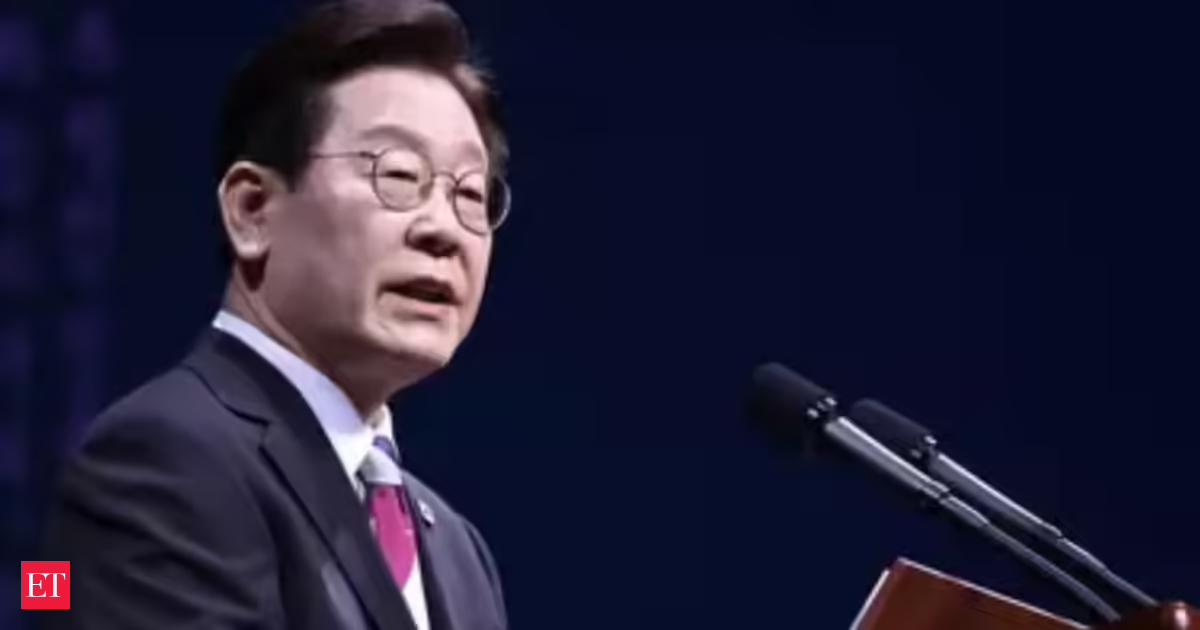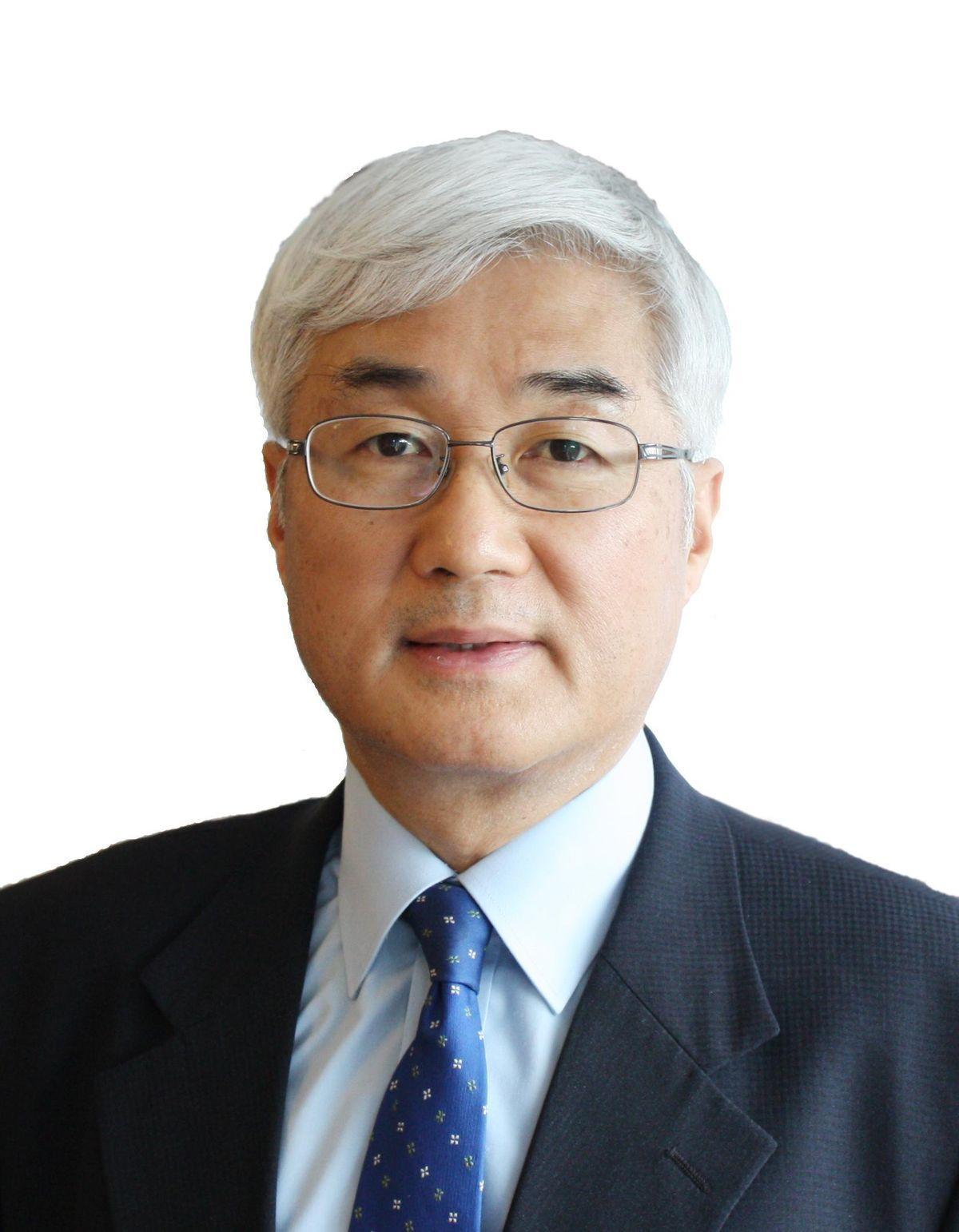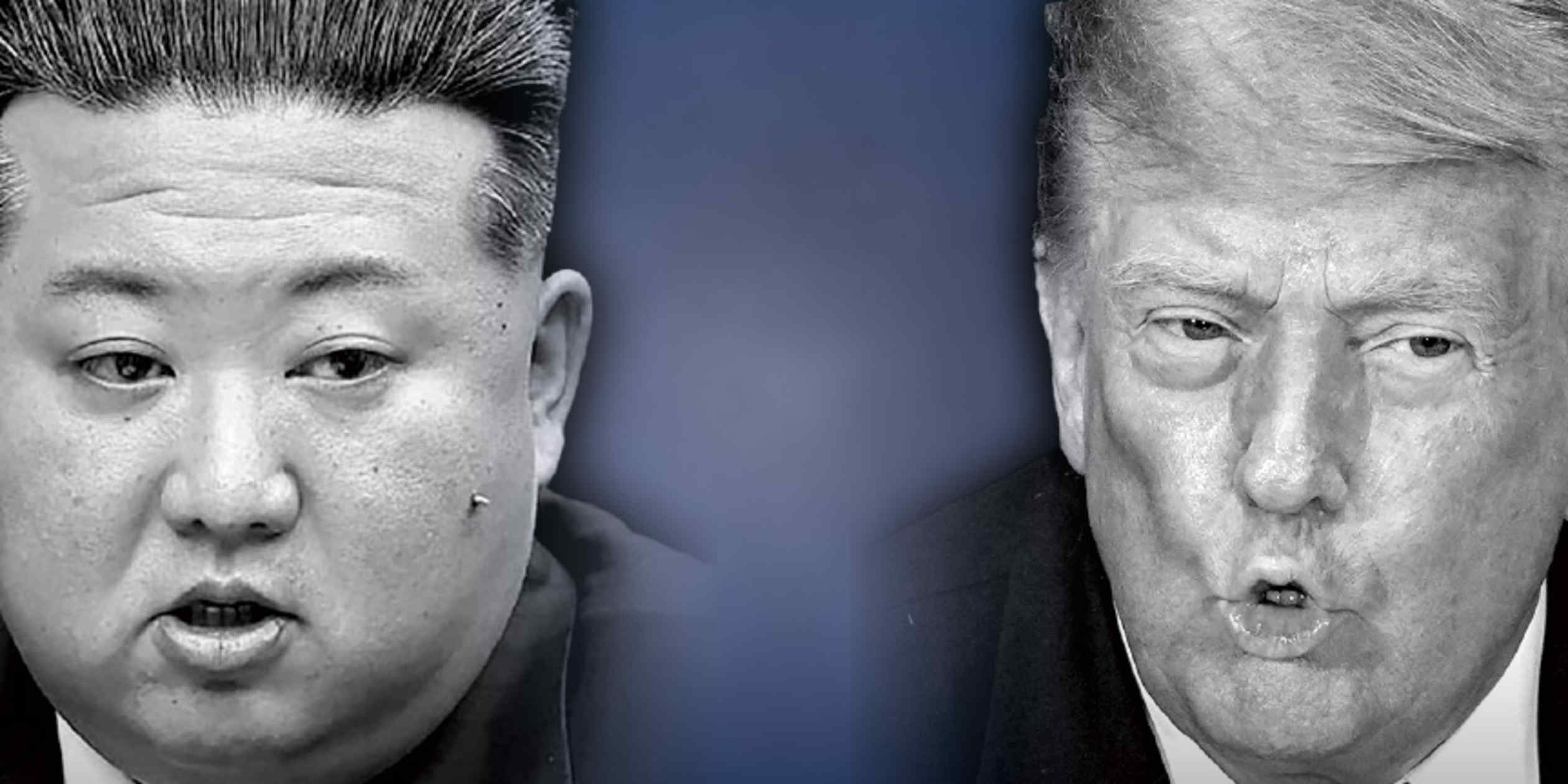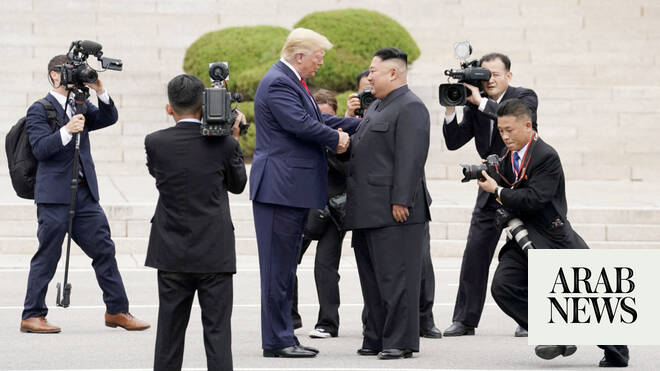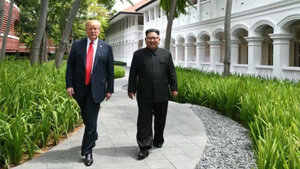
In this photo posted on US President Donald Trump's Truth Social account on June 13 (US time), Trump walks with North Korean leader Kim Jong-un after their summit in Singapore in June 2018. (Trump's Truth Social) There is growing concern that US President Donald Trump could turn his attention to North Korea following the ceasefire deal with Iran, but experts say that Pyongyang presents a different set of challenges in comparison.Speculation has intensified following Trump's social media post last week featuring a photograph from his 2018 summit with North Korean leader Kim Jong-un and his exchange with President Lee Jae Myung at the G7 summit in France this week.According to the presidential office in Seoul, Lee urged Trump to help lead efforts toward a peaceful resolution of North Korea issues, while Trump responded that he would work toward that goal.The exchange came around the time that Washington released the text of a 14-point memorandum of understanding signed with Iran on Thursday. The document commits Tehran to refraining from developing nuclear weapons and maintaining its current nuclear program while opening the door to sanctions relief, access to frozen assets and a reconstruction and development package worth at least $300 billion.For some observers, the agreement has revived memories of Trump's first-term diplomacy with North Korea and raised questions about whether Pyongyang could become the next target of his self-described peacemaking efforts.Yang Moo-jin, a distinguished professor at the University of North Korean Studies, said Trump's response to Lee should be viewed as a reaffirmation of his willingness to engage on Korean Peninsula issues."The conversation confirmed a shared understanding that North Korea should be addressed through dialogue and negotiations rather than through the type of military confrontation seen in Iran," Yang said.He also pointed to Trump's posting of a photograph from the Singapore summit with Kim as a sign that the US president may already be considering North Korea as a future diplomatic challenge.While North Korea may be back on Trump's diplomatic radar following the Iran ceasefire and his recent remarks on inter-Korean issues, most experts argue that the similarities between Iran and North Korea are limited and that applying the Iran model to Pyongyang would be far more difficult."The two cases are fundamentally different," said Park Won-gon, a professor of North Korean studies at Ewha Womans University."Iran was still at the stage of developing nuclear weapons, whereas North Korea is already a nuclear-armed state. It is not appropriate to approach the two cases with the same model."Unlike Iran, which reaffirmed in the MOU that it would not acquire or develop nuclear weapons, North Korea has repeatedly declared that its nuclear status is nonnegotiable. North Korea has repeatedly underscored that it has no intention of denuclearizing, having adopted a new nuclear forces law in 2022 and revised its constitution in 2023 to reinforce its status as a nuclear-armed state.Earlier this month, Kim Yo-jong insisted that North Korea's status as a nuclear weapons state was an "absolutely irreversible red line," underscoring Pyongyang's longstanding position that its nuclear arsenal is nonnegotiable. Kim Jong-un soon after called for expanding the production base for weapons-grade nuclear materials during a visit to a nuclear facility.Hong Min, a senior research fellow at the Korea Institute for National Unification, said that North Korea's strategic environment is also vastly different from that of Iran."North Korea borders both China and Russia and sits at the center of US-China strategic competition," Hong said. "The structure of the North Korean nuclear issue is fundamentally different from the Iranian case."He noted that during the 2018-2019 summit diplomacy period, North Korea viewed negotiations with Washington as its primary diplomatic outlet. Today, however, Pyongyang enjoys significantly stronger ties with both Moscow and Beijing, giving it greater strategic leverage and reducing its dependence on talks with the United States.For Seoul, analysts say the challenge will be ensuring close coordination with Washington if dialogue resumes.Yang stressed that South Korea must work to ensure that its interests are reflected in any future US-North Korea negotiations, particularly at a time when inter-Korean dialogue remains frozen."The key is maintaining close South Korea-US coordination while keeping the door open to diplomacy and regional cooperation," he said.Some observers also argue that domestic political considerations ahead of November's US midterm elections may push Trump toward issues closer to home, such as Cuba, rather than the far more complex challenge of North Korea, which involves not only Pyongyang but also China and Russia.Whether Trump's Iran breakthrough ultimately becomes a model for future North Korea diplomacy remains uncertain. But experts agree on one point: any negotiations with Pyongyang would be considerably more complicated than those with Tehran and would likely require a very different set of objectives.
Trump signals renewed interest in North Korea, but Tehran playbook may not apply: experts
There is growing concern that US President Donald Trump could turn his attention to North Korea following the ceasefire deal with Iran, but experts say that Pyo
780 words~4 min read