The police investigation into the death of Indigenous teenager Mark Haines in northern New South Wales nearly four decades ago was hindered by racism and deeply flawed, a coroner has found.The body of the Gomeroi teenager was discovered on train tracks outside Tamworth on the morning of 16 January 1988.
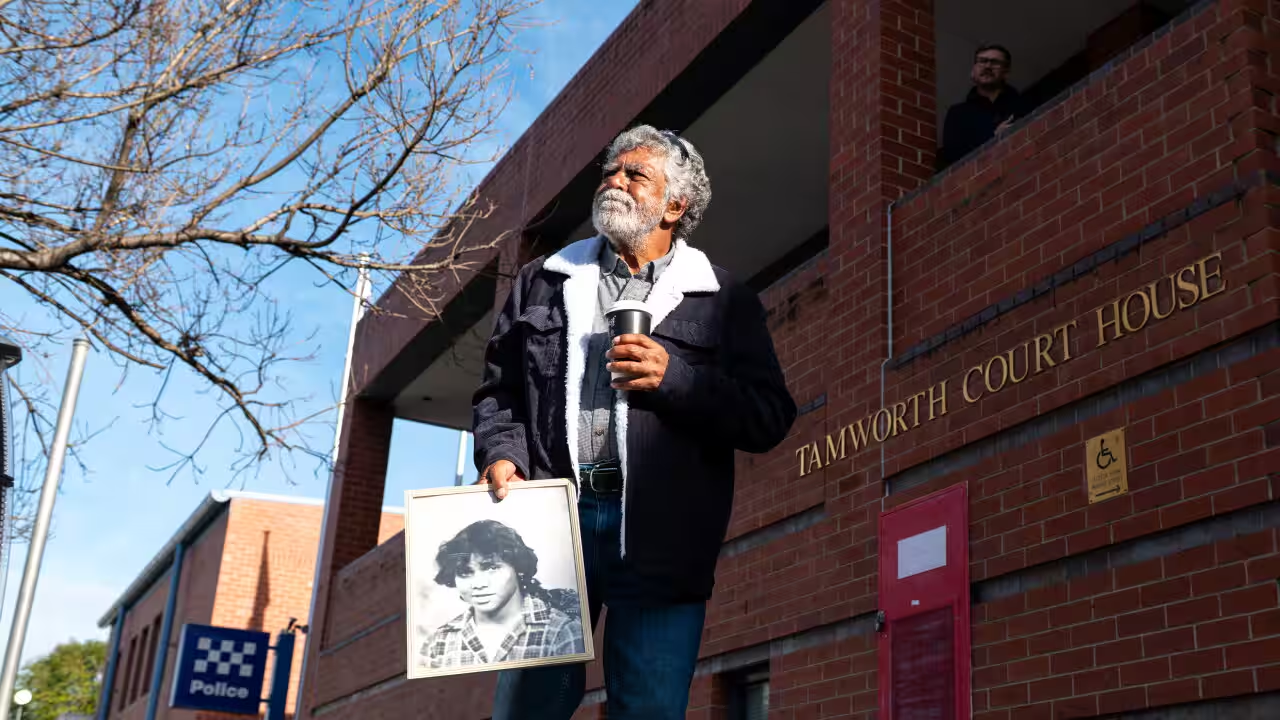
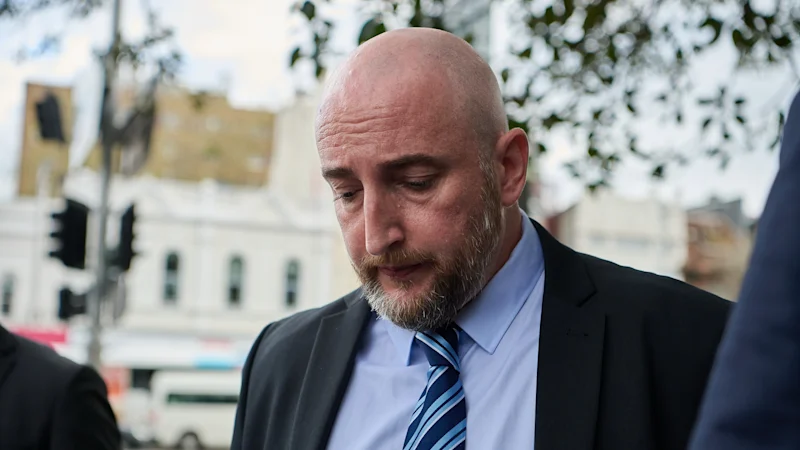
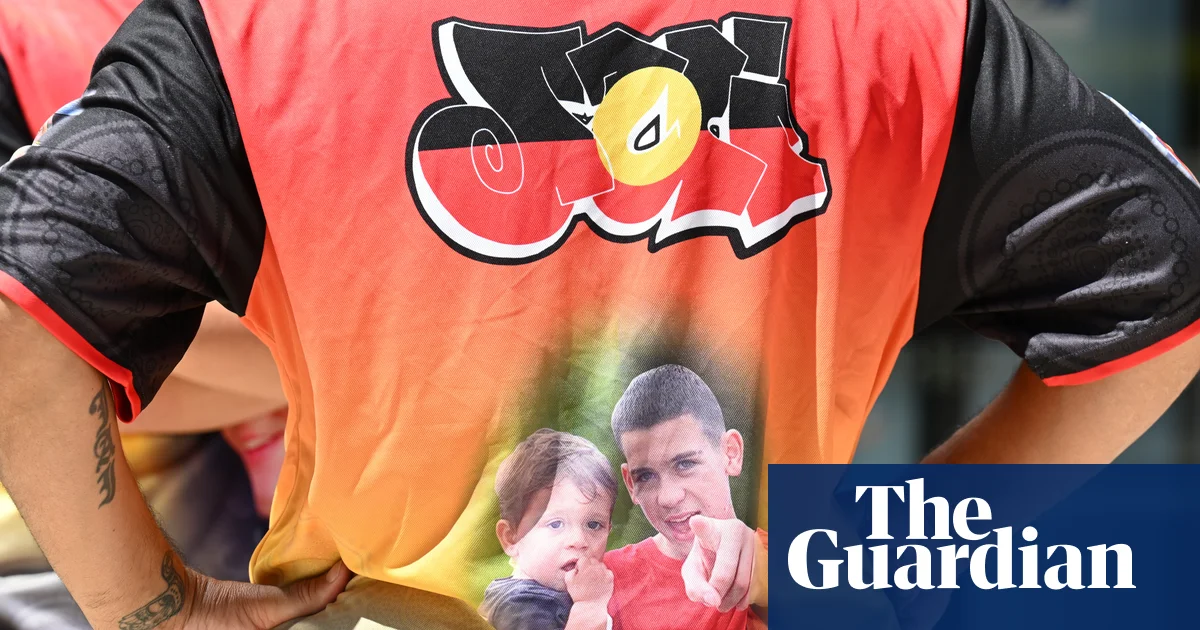
A stolen Holden Torana was found crashed nearby.Police initially ruled that the 17-year-old had laid down on the tracks either deliberately or in a dazed state, while an autopsy determined he died from a traumatic head injury.Sign up for the Breaking News Australia emailHis family long suspected foul play and believed the police investigation would have been different if Mark was non-Indigenous.After a smoking ceremony on the steps of Tamworth court house on Thursday morning, the deputy state coroner, Harriet Grahame, found there were serious problems with the initial police investigation.Mark’s death was quickly ruled a suicide and his body was moved soon after it was discovered, while the car and train were not forensically tested, she said.“I accept that the initial investigation into Mark’s death was deeply flawed, superficial and inadequate from the outset,” Grahame told the court.While there were other factors at play, Grahame said the investigation took place against the backdrop of deeply entrenched racism in Tamworth and regional NSW at the time.“I find it inconceivable that such a superficial investigation would have taken place … had a young white teenager from the right side of town been found on the train tracks in similar circumstances,” she told the court.Don Craigie and NSW deputy state coroner Harriet Grahame at a smoking ceremony outside Tamworth courthouse on Thursday. Photograph: AAPGrahame ruled out the initial police finding of suicide, noting that a towel was placed under Mark’s head.She found a theory about the possible involvement of local boxer Eddie Davis to be an “unsubstantiated rumour”, but that Mark’s close friend Glenn Mannion likely knew more about what happened that night.Mannion gave evidence at the inquest and has always denied knowing more.“I am satisfied that Mark’s death is suspicious in that some of the people involved did not or have not come forward,” Grahame added.She said it was a “deep personal regret” that the inquest did not result in any breakthrough for the family.Before the findings, Mark’s sister, Lorna Haines, spoke of her enduring love for her big brother.She quietly wept before she could speak, saying that their parents had died without knowing what happened to Mark, their “shining light”, and their father continued to grapple with his unexplained death in his final years.“[I] would sometimes hear him call out Mark’s name in his sleep,” she said in her statement.Mark’s uncle, Don Craigie, said his nephew had a “charming drawl”, was sporty and well loved by his large family.When his own parents died, Craigie said he felt a responsibility to find out what happened to Mark.“We knew our Mark and we did not believe that Mark would go out on the tracks alone,” he said.“We believe Mark had met with foul play and someone out there knows what happened to him.”Craigie, who pushed for Mark’s death to be re-investigated for years, said he’d done everything he could to seek some form of justice.“Mark got the death sentence, the family got a life sentence,” he said.“We miss him deeply.”Don Craigie holding a photo of his nephew Mark Haines. Photograph: Simon Scott/The GuardianGraeme recommended Mark’s death be referred back to NSW police’s unsolved homicide unit for further investigation, including DNA analysis of a cigarette lighter found near the tracks. A $1m reward for information remains in place.The NSW Aboriginal Legal Service credited Craigie, their client, with the finding.“Our client, Uncle Don Craigie, has always believed that racism compromised the police investigation of his nephew’s death,” managing coronial advocate, James Pender, said in a statement released after the findings.“Thanks to his tireless advocacy, almost 40 years later, a coroner has confirmed this to be true.”