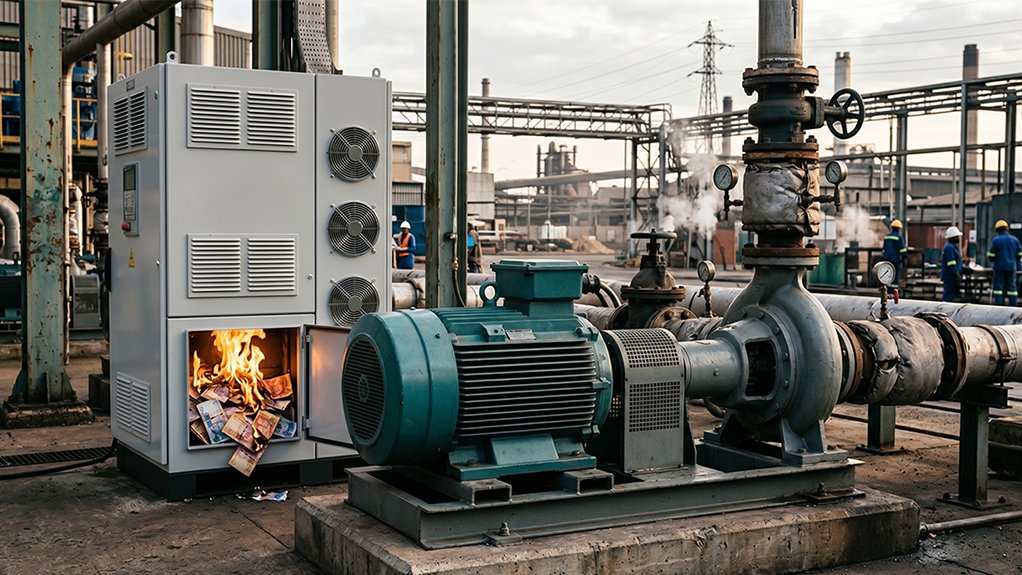
If you read the latest engineering reports dissecting the failure of local municipal pump station upgrades or process plant refits across South Africa’s mining belts, you will notice a recurring theme: premature equipment failure. Facilities are pouring scarce capital expenditure (capex) into state-of-the-art IE3 motors, precision wet ends, and intelligent variable speed drives (VSD), only to have the system tear itself apart within months.
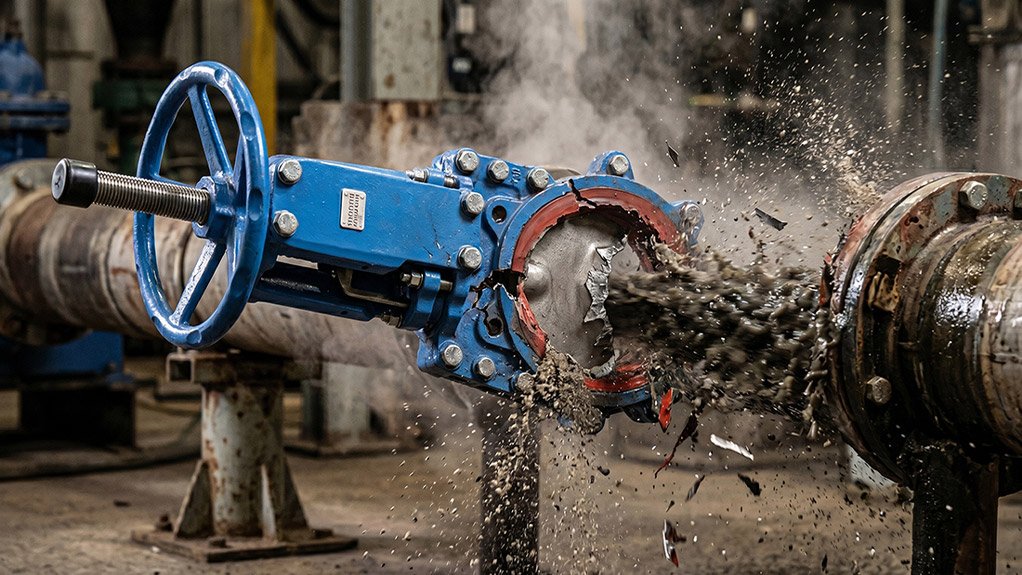
When the failure is investigated, the blame is often placed on the pump. However, as fluid dynamic engineers, we frequently trace the catastrophic root cause back to a much simpler, highly misunderstood component: the valve.
There is a pervasive "pipe-fitting fallacy" in industrial procurement. Project managers and buyers treat valves as static pieces of hardware—simple on/off switches bolted into the pipework. In reality, a valve is a highly active hydraulic component. It is the physical gatekeeper of your fluidic demand. If the pump is the heart of the system, the valves are the vascular network. Specify them incorrectly, and you will artificially choke the system curve, potentially induce cavitation, and destroy parts of the installation.
According to industry reliability studies and ANSI/Hydraulic Institute (HI) standards—which heavily inform our local SANS piping guidelines—up to 70% of centrifugal pump failures are initiated by poor suction conditions and adverse fluid dynamics, often directly resulting from improper valve application.