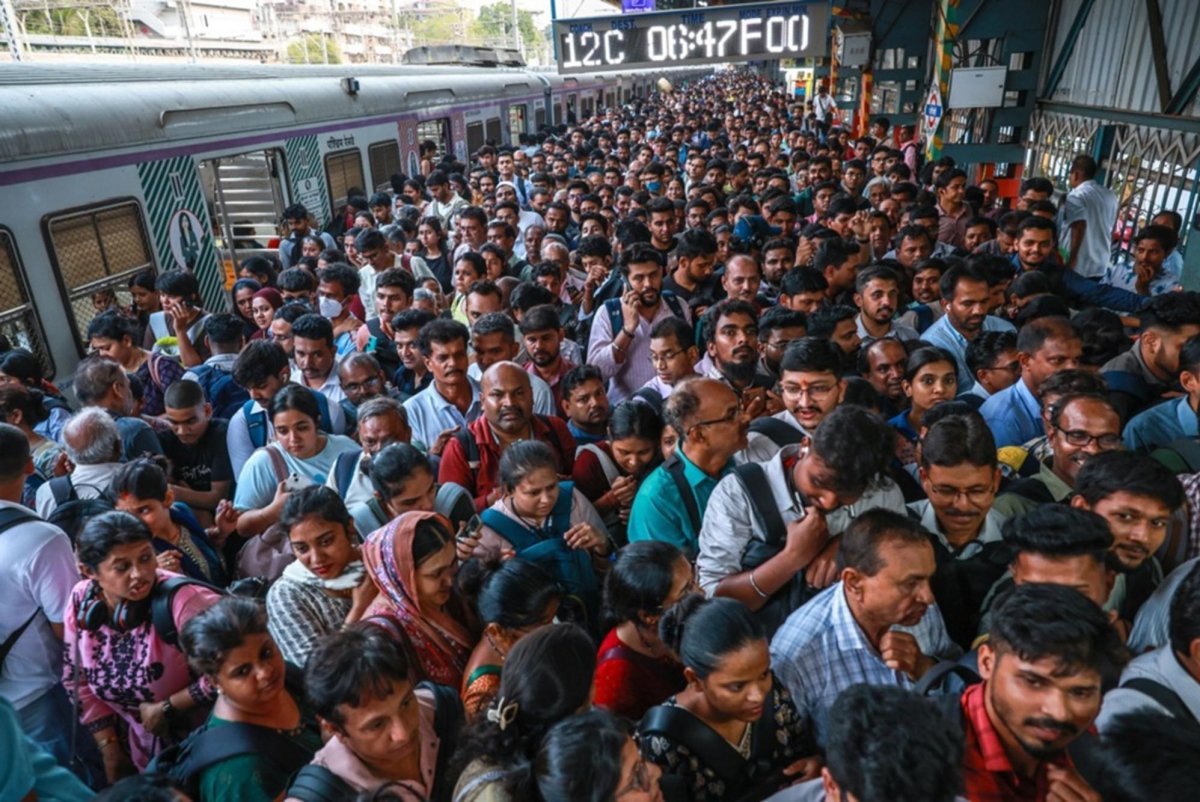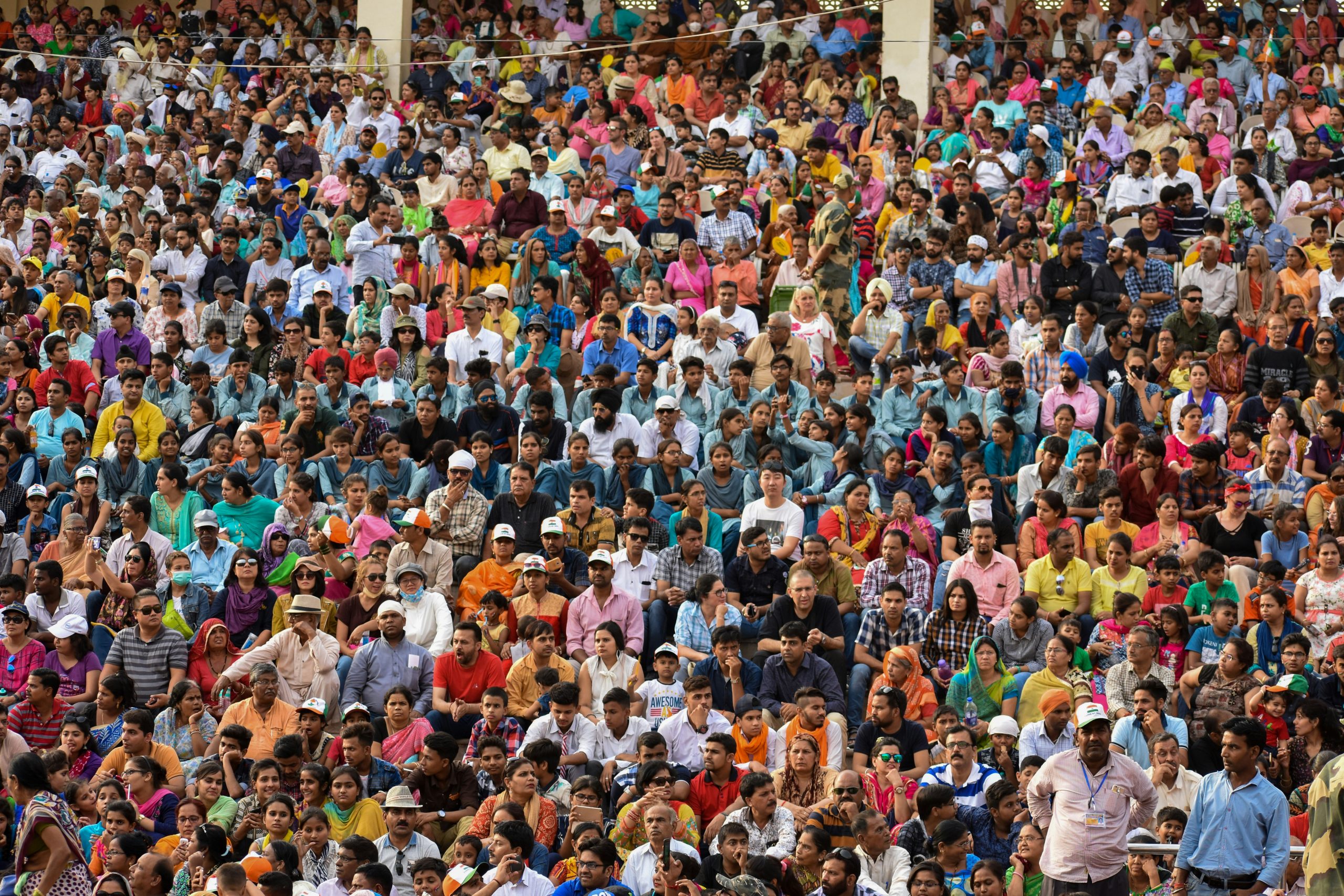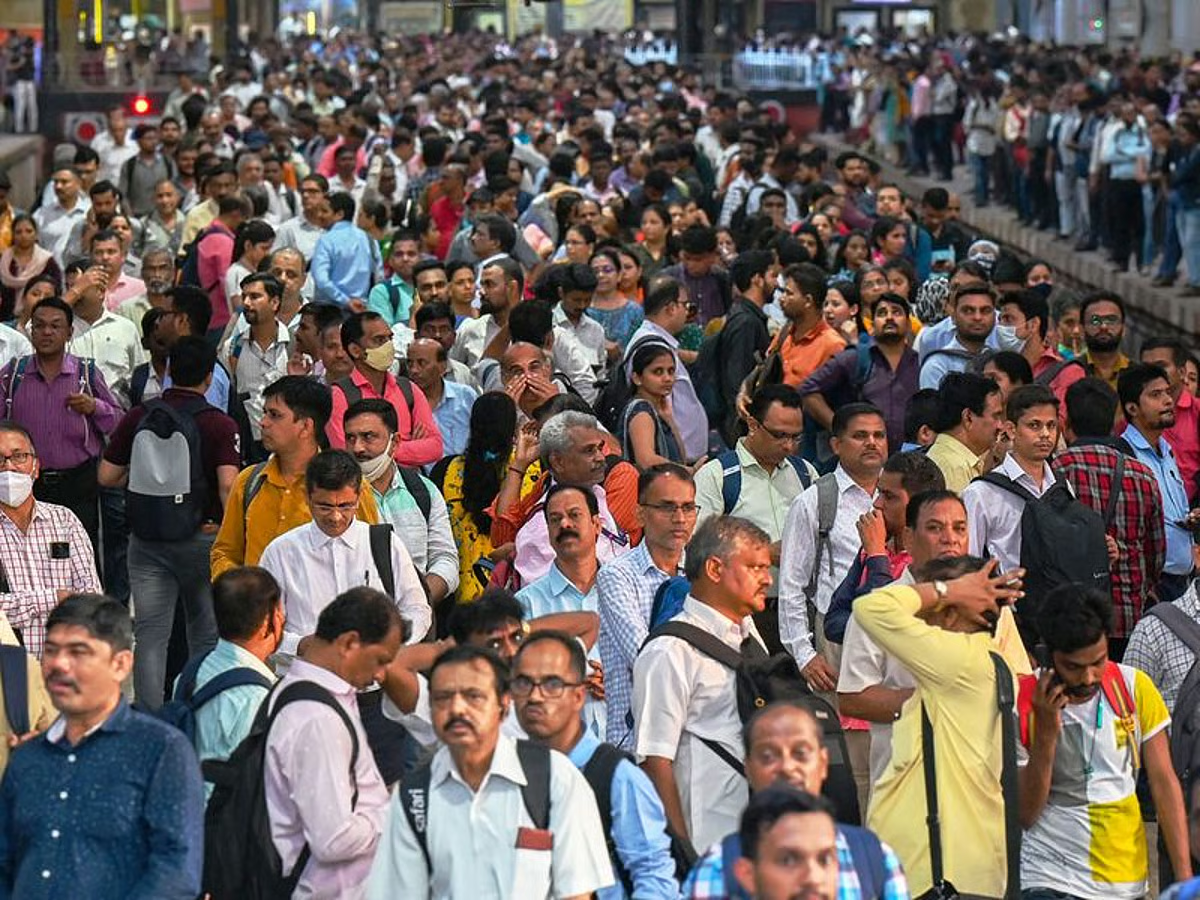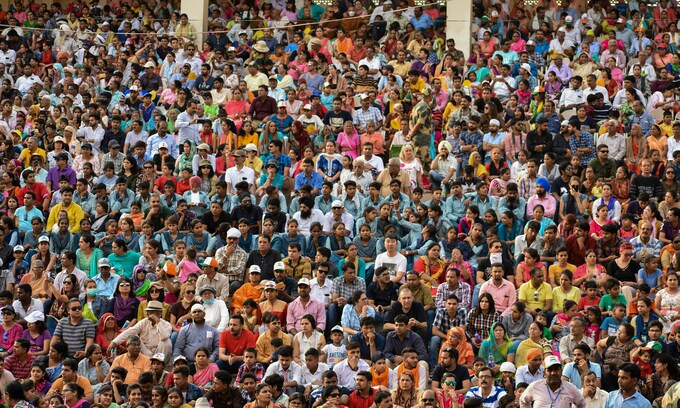
In 1950, the average Indian woman had about six children and the country held 360 million people. India overtook China in 2023 to become the world's most populous nation, according to UN data, and today is home to roughly 1.45 billion, about one-sixth of humanity.
Yet its total fertility rate, the average number of children a woman has in her lifetime, has slipped to 1.9, below the 2.1 needed to hold a population steady without migration, the UN Population Fund confirmed in its 2025 State of World Population report, titled "The Real Fertility Crisis."
In the crowded Delhi neighborhood where Parul Gayen grew up in the 1970s, big families were ordinary: her mother was one of six children, her grandfather one of 11.
Now 58, Gayen has watched her three grown children stop at a single child between them, and she worries her only grandchild will grow up alone, The Economist reported. The reversal has even reached the classroom: recently reprinted Indian textbooks no longer warn of too many children, but of too few.
In several Indian states, fertility now rivals wealthy Europe. The Economist places Tamil Nadu and West Bengal near 1.3, comparable to Finland, and Maharashtra, home to Mumbai, around 1.4, on par with Norway.