Get the latest news and updates from Dawn
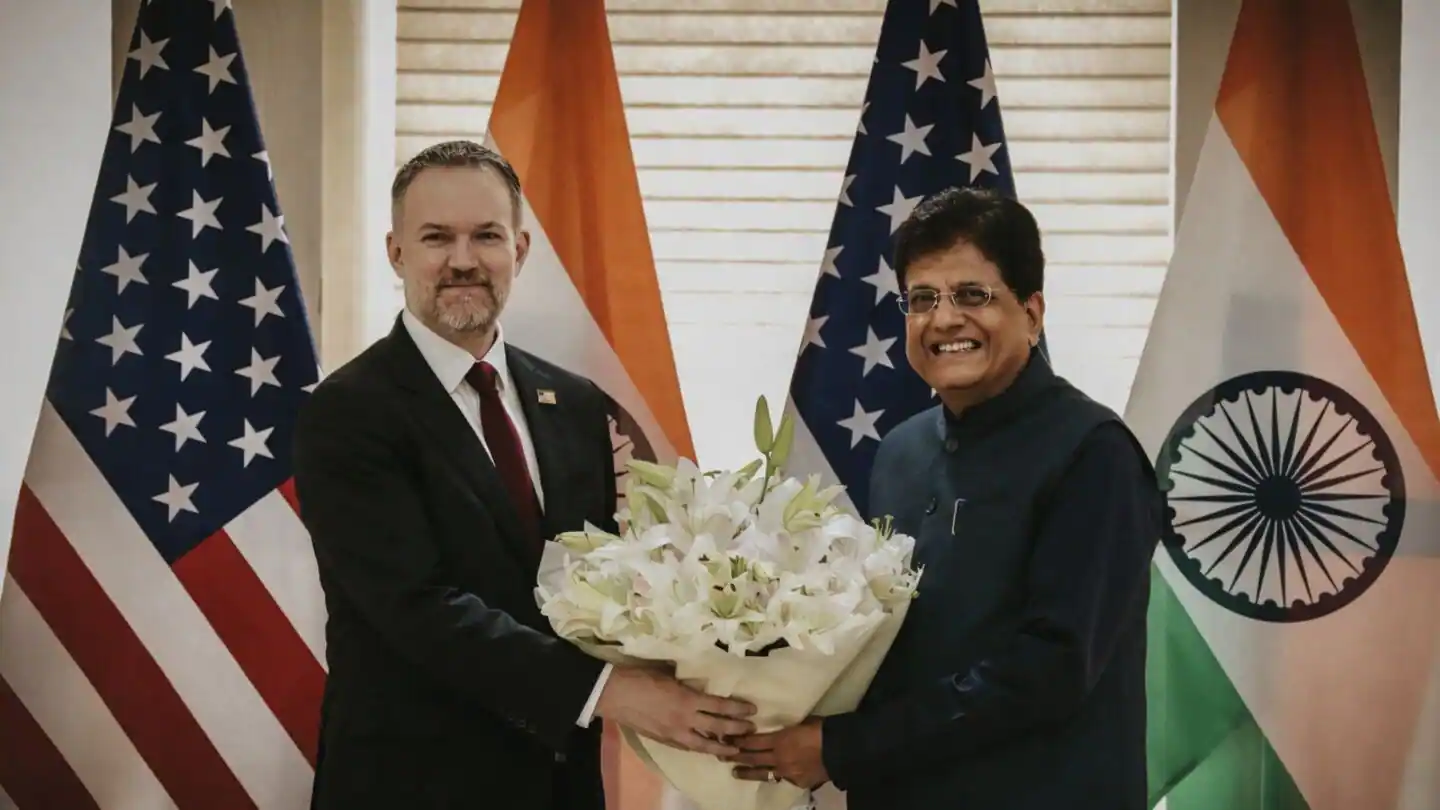
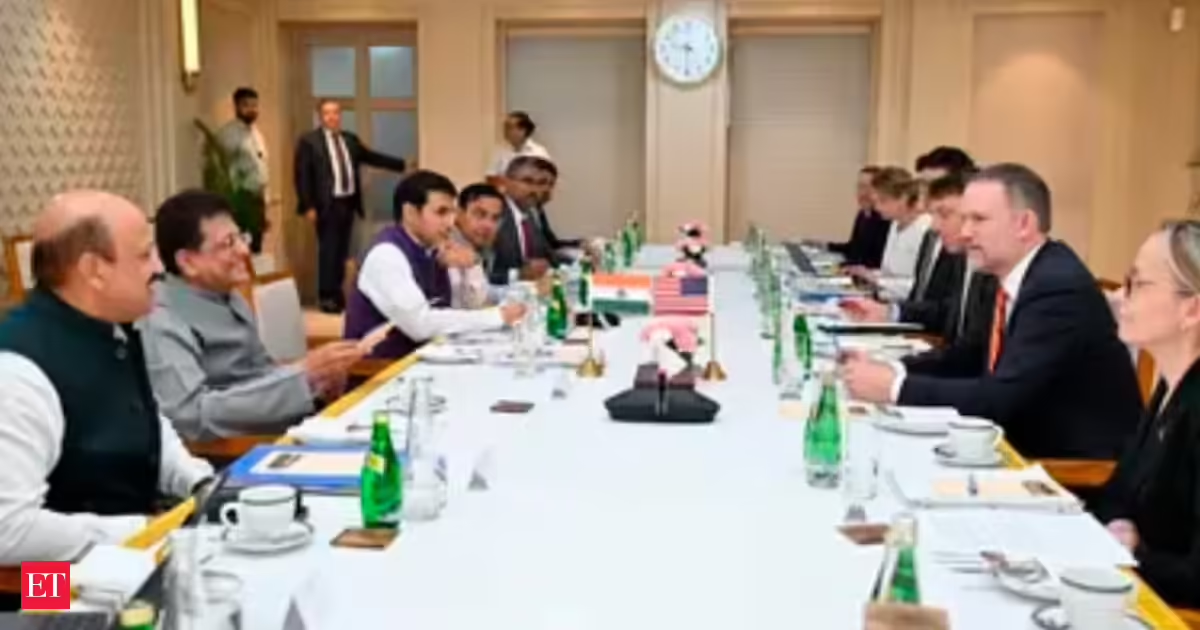
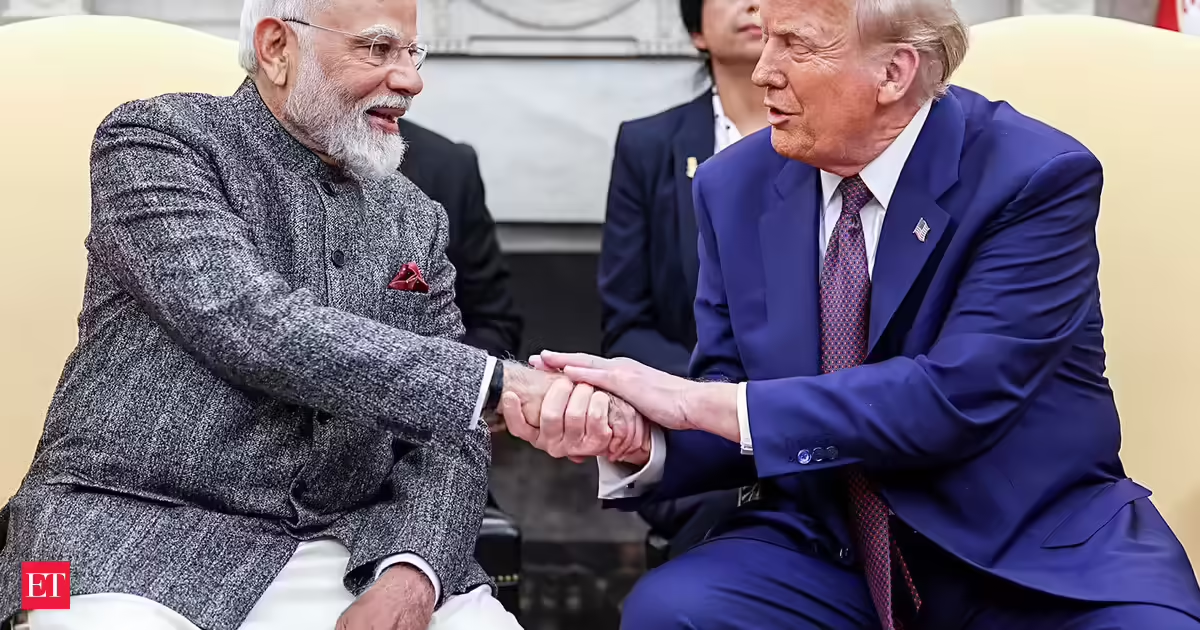
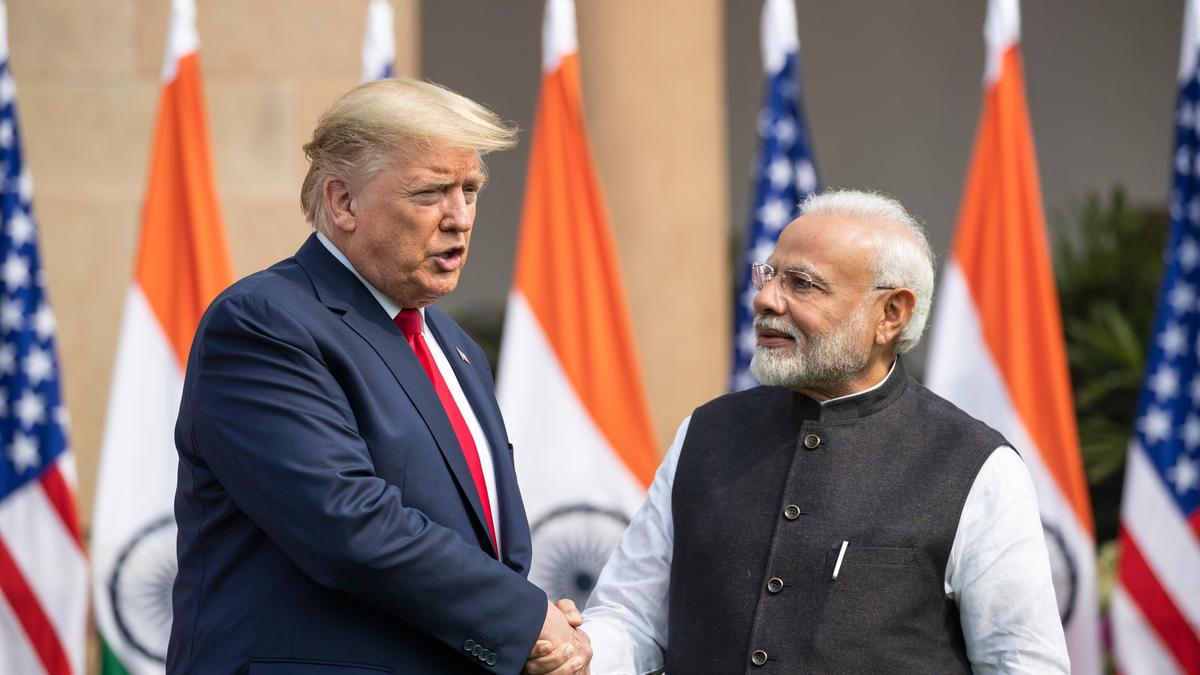
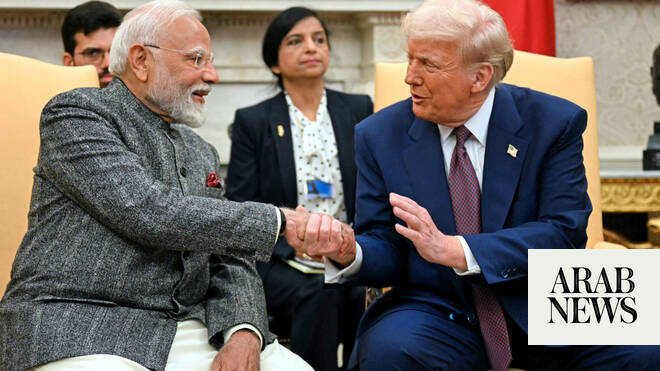
Last week’s interim trade agreement between the United States and India marks a significant shift in the global trade landscape, with implications that extend well beyond the two countries.
Under the joint statement issued on February 6, 2026, the United States agreed to reduce its reciprocal tariff on Indian goods from 25 per cent to 18pc, while India committed to eliminating or substantially lowering tariffs and non-tariff barriers on all US industrial goods and a wide range of agricultural products. India also undertook to purchase $500 billion worth of US goods over the next five years, signalling a scale of market opening rarely seen in its trade policy.
In addition, President Trump rescinded the extra 25pc duty through an executive order in return for India’s commitment to stop directly or indirectly importing oil from Russia. The two countries also agreed to expand defence cooperation over the next 10 years and to cooperate on enforcing export controls on sensitive technologies, as well as on addressing non-market policies of third parties, an obvious reference to China.
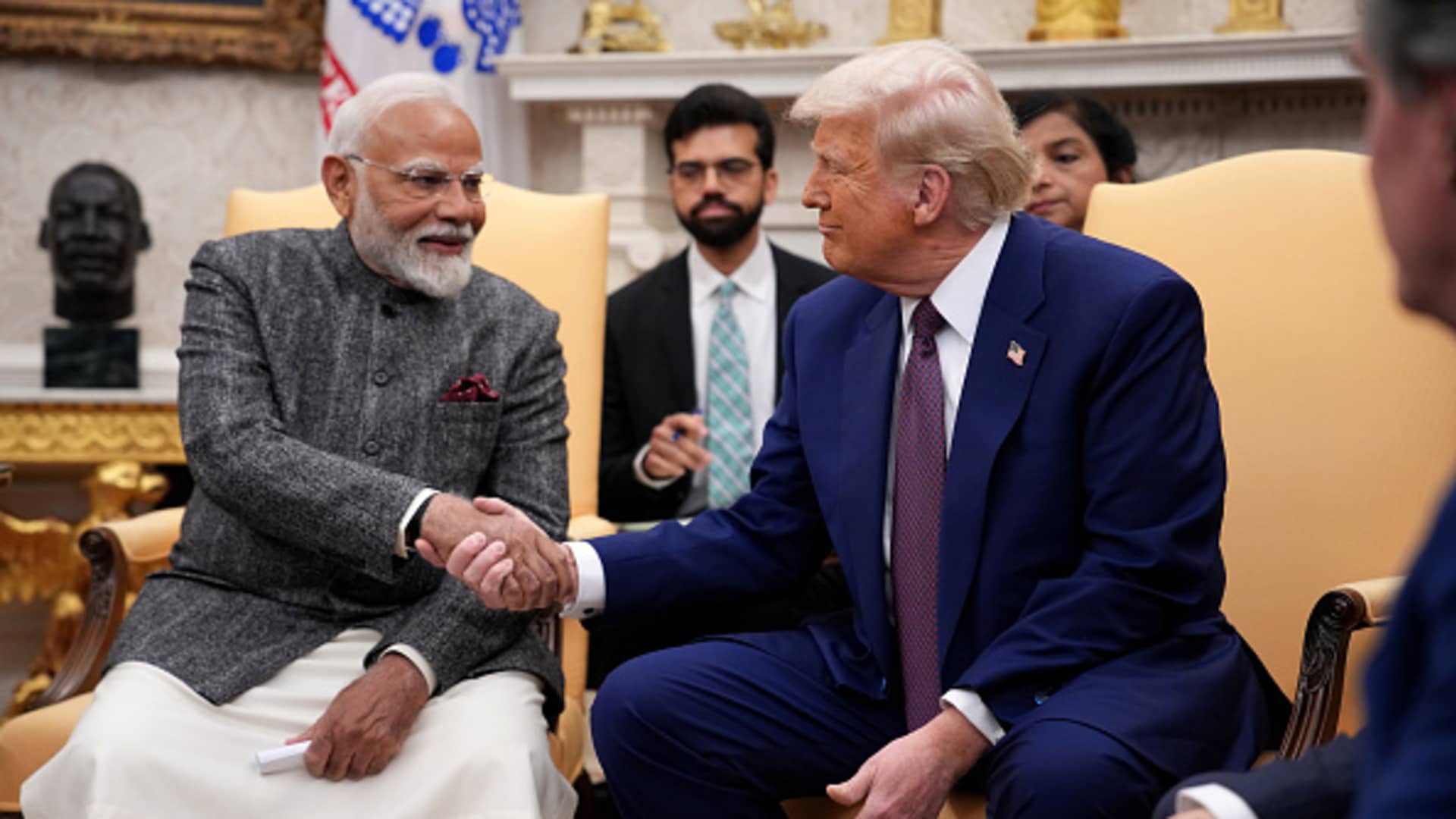
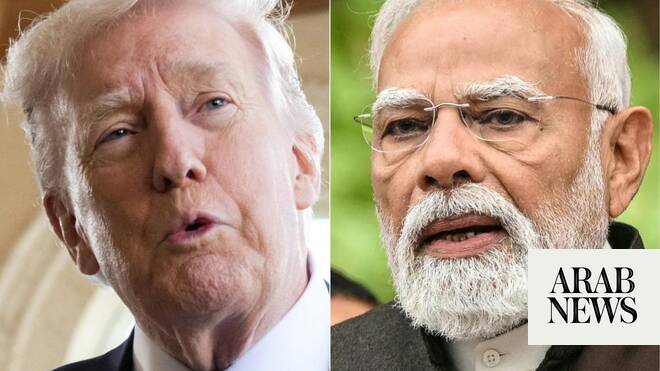
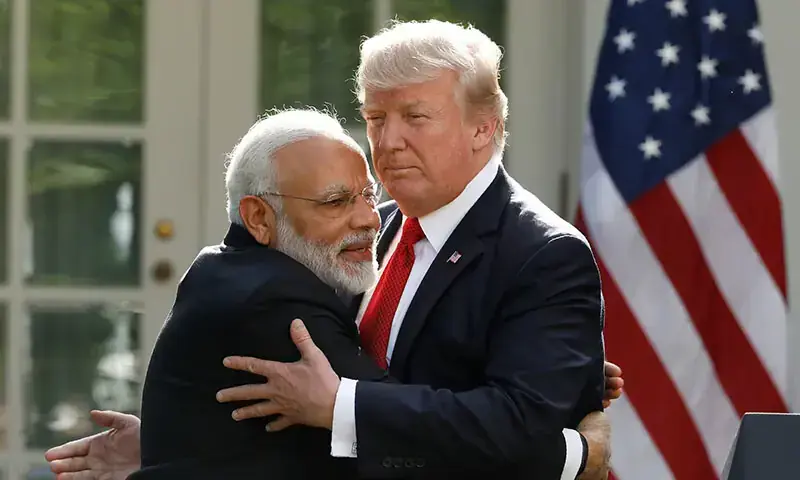
Prime Minister Modi did not directly comment on the substance of the deal, apart from praising President Trump’s leadership as vital for global peace, stability and prosperity. He thanked him on behalf of the 1.4bn people of India for what he described as a wonderful announcement and expressed hope that the partnership would reach unprecedented heights.