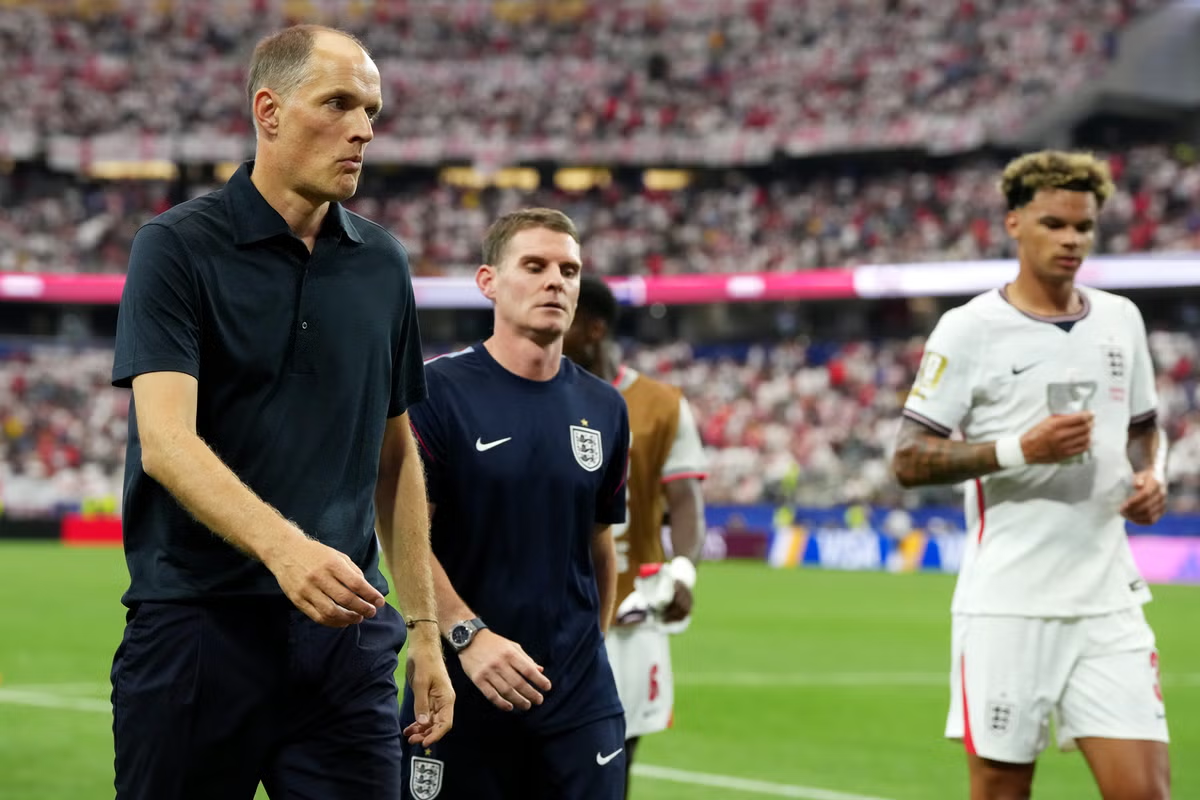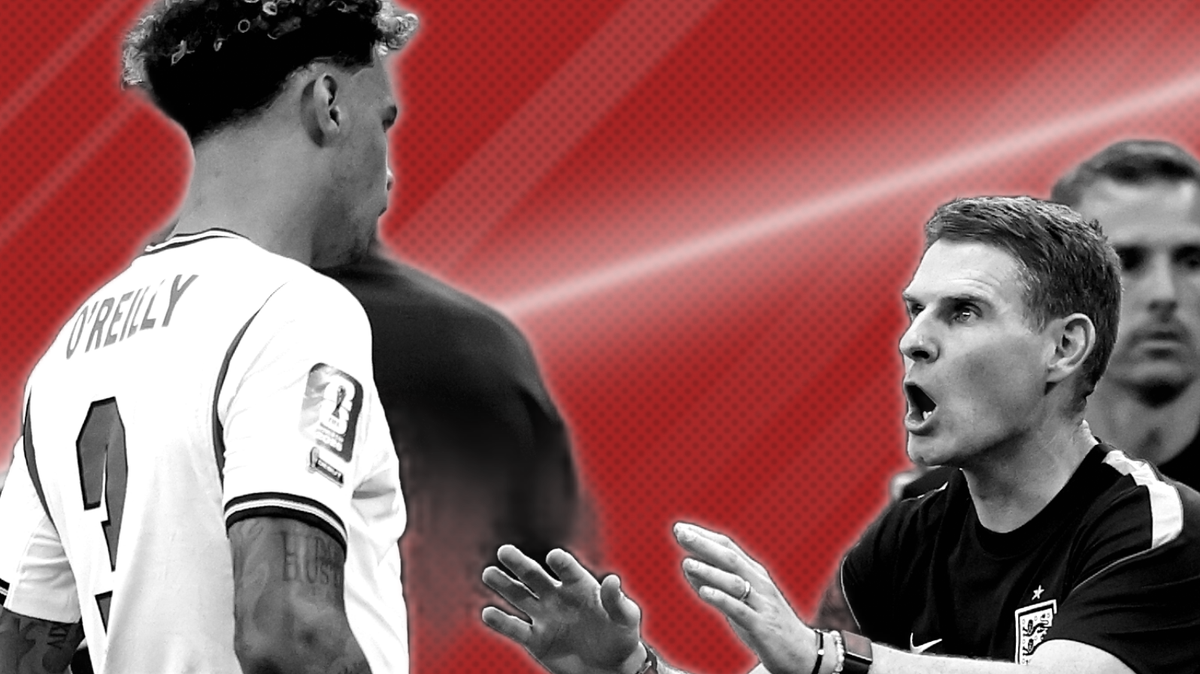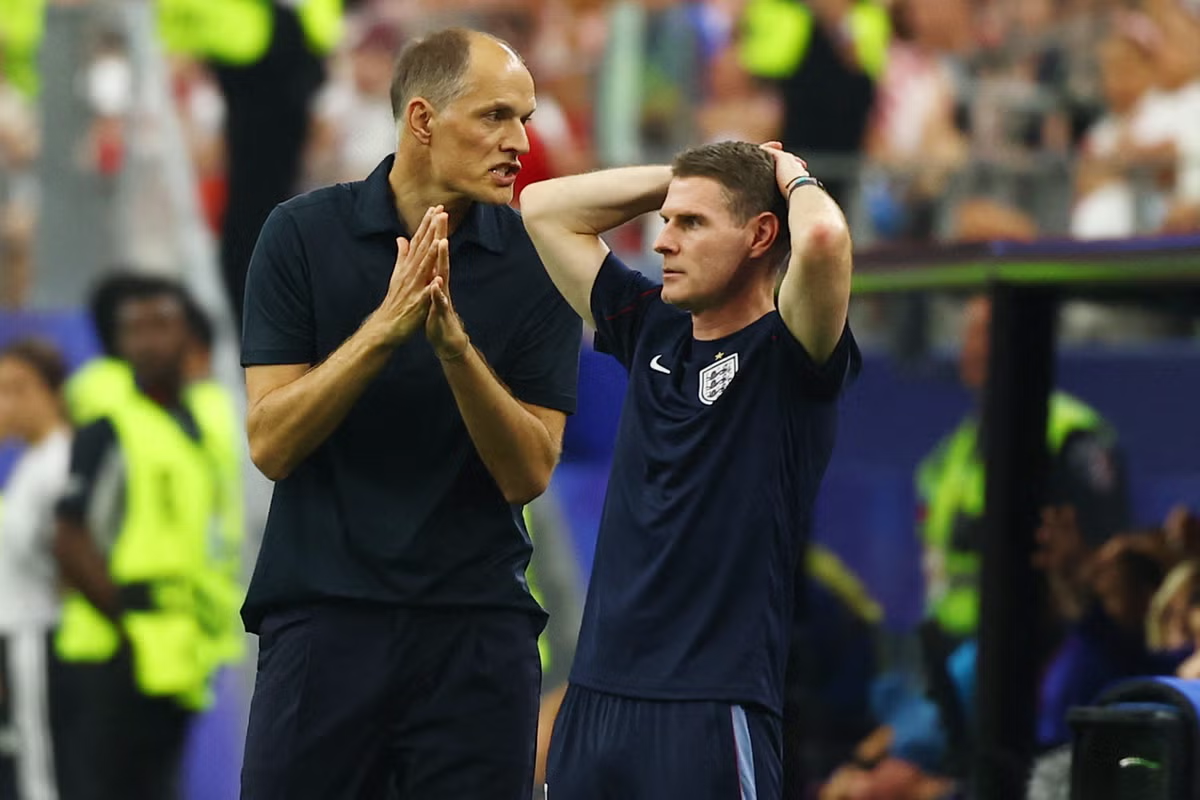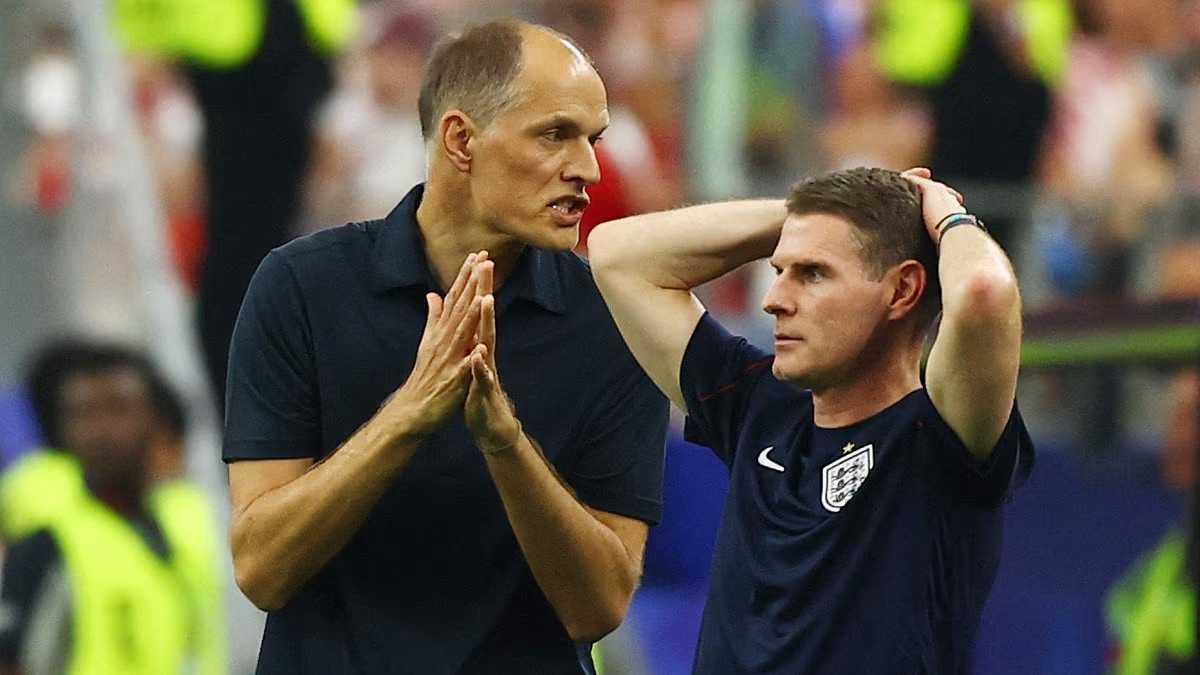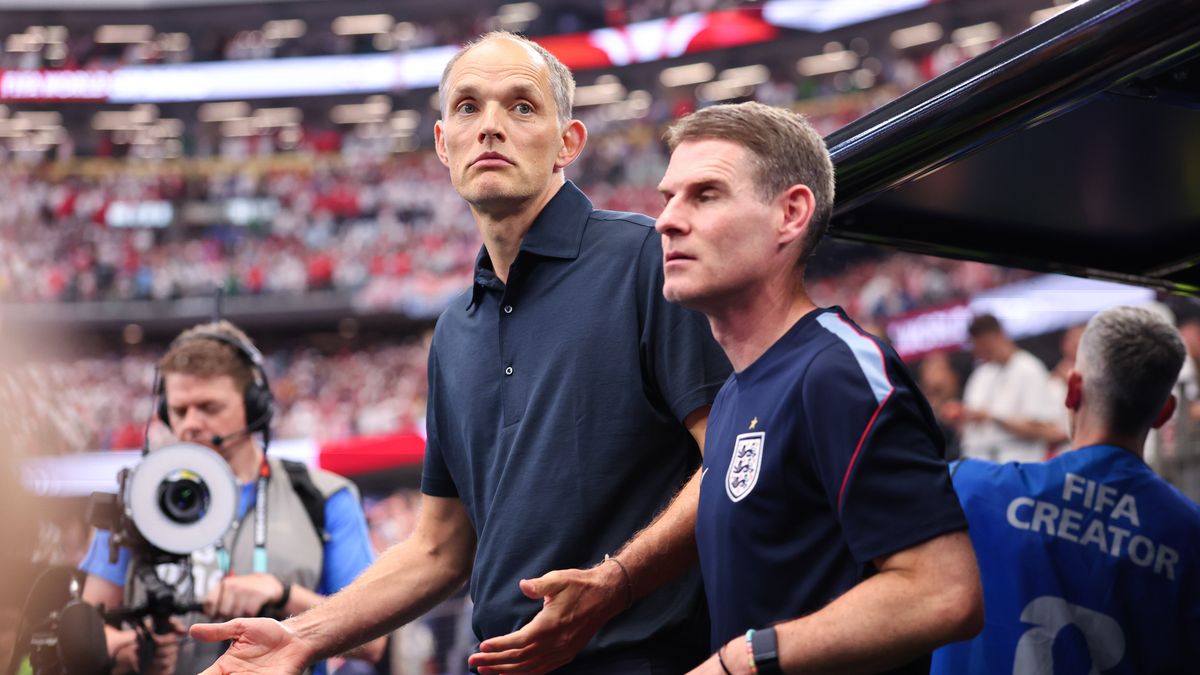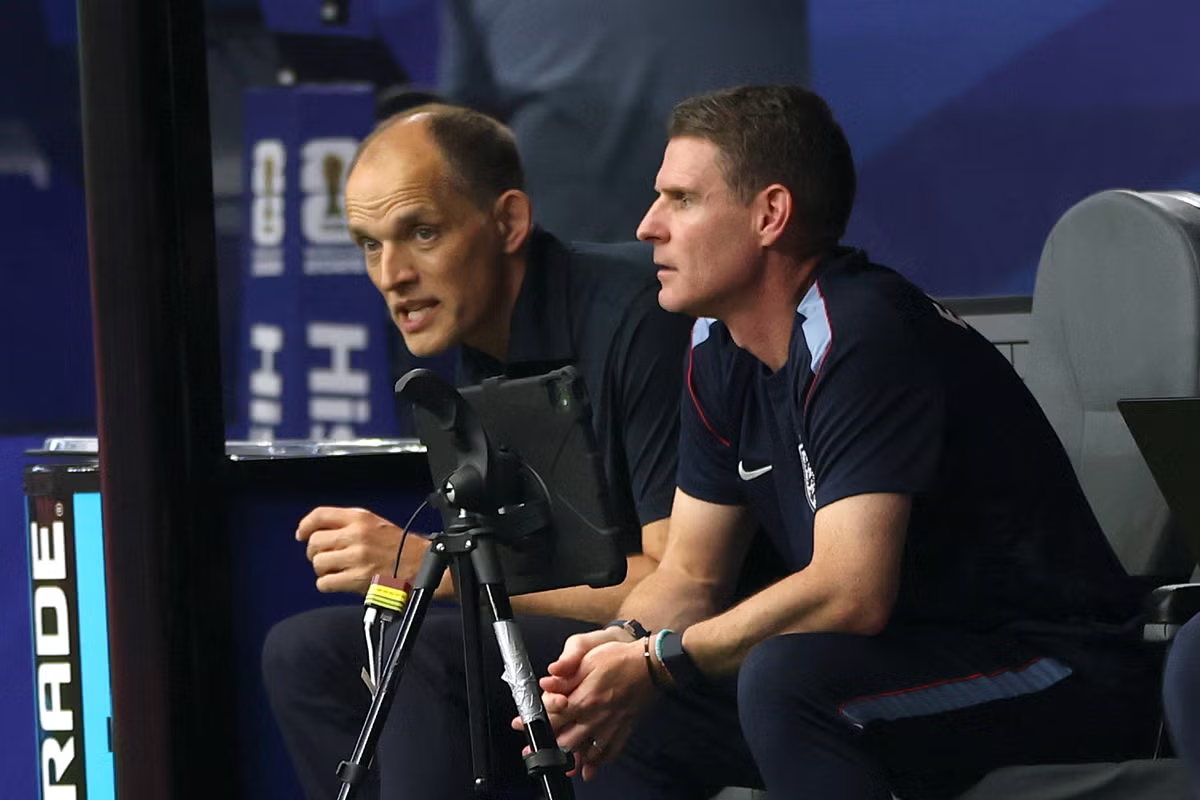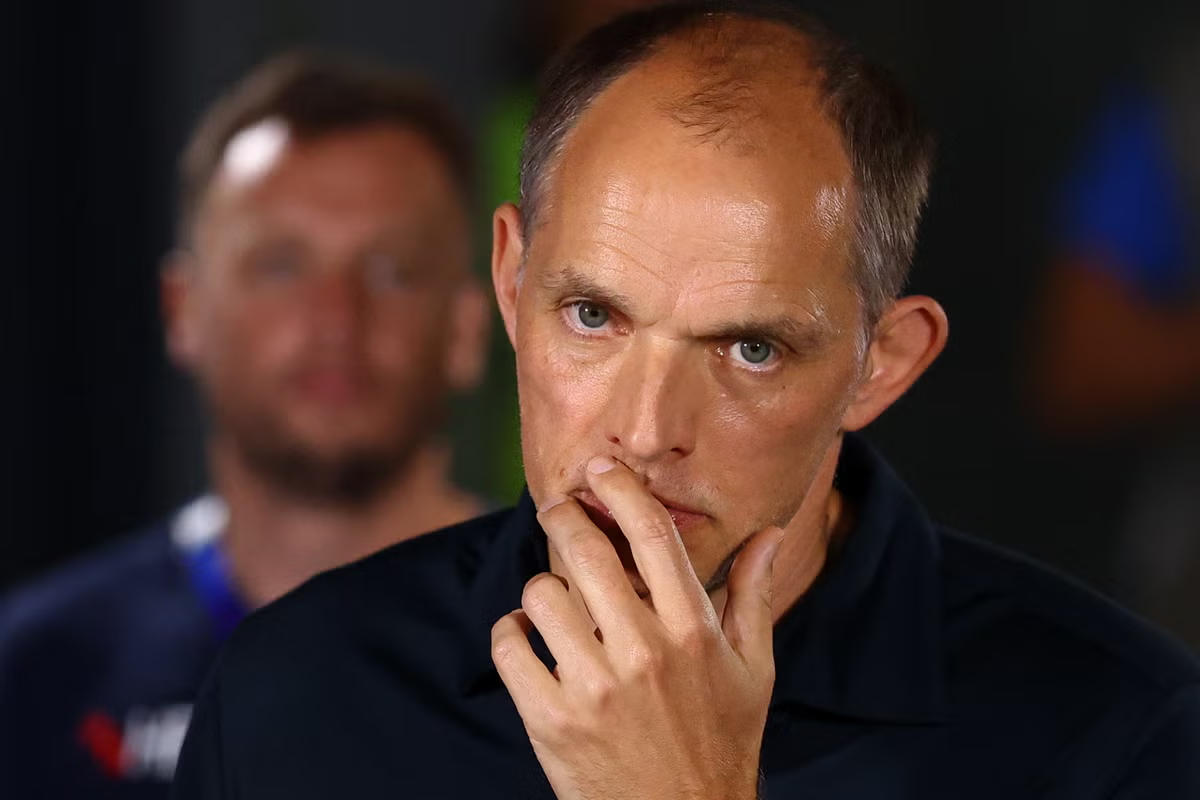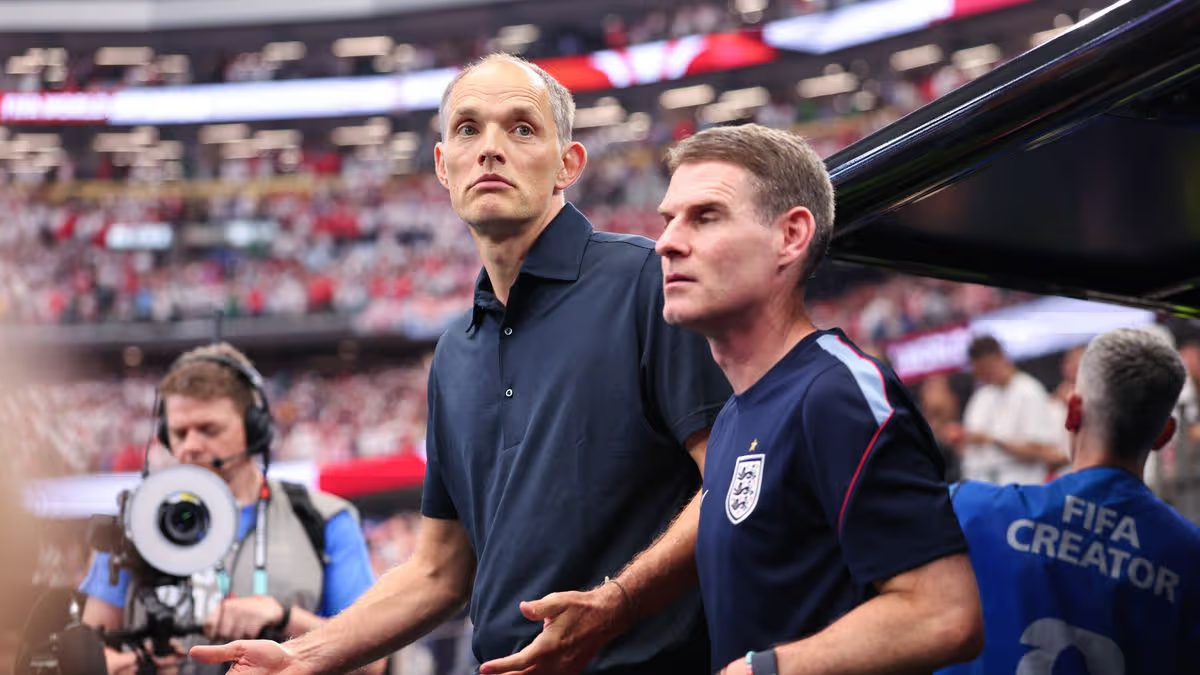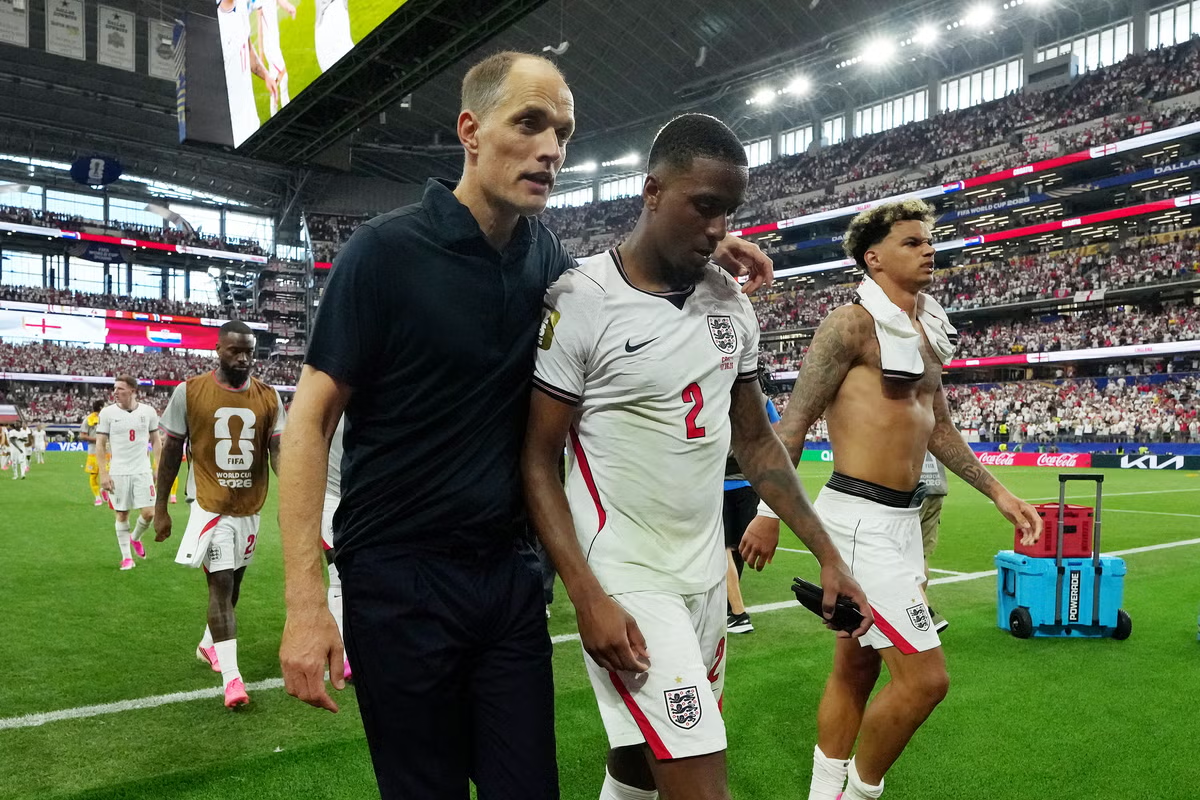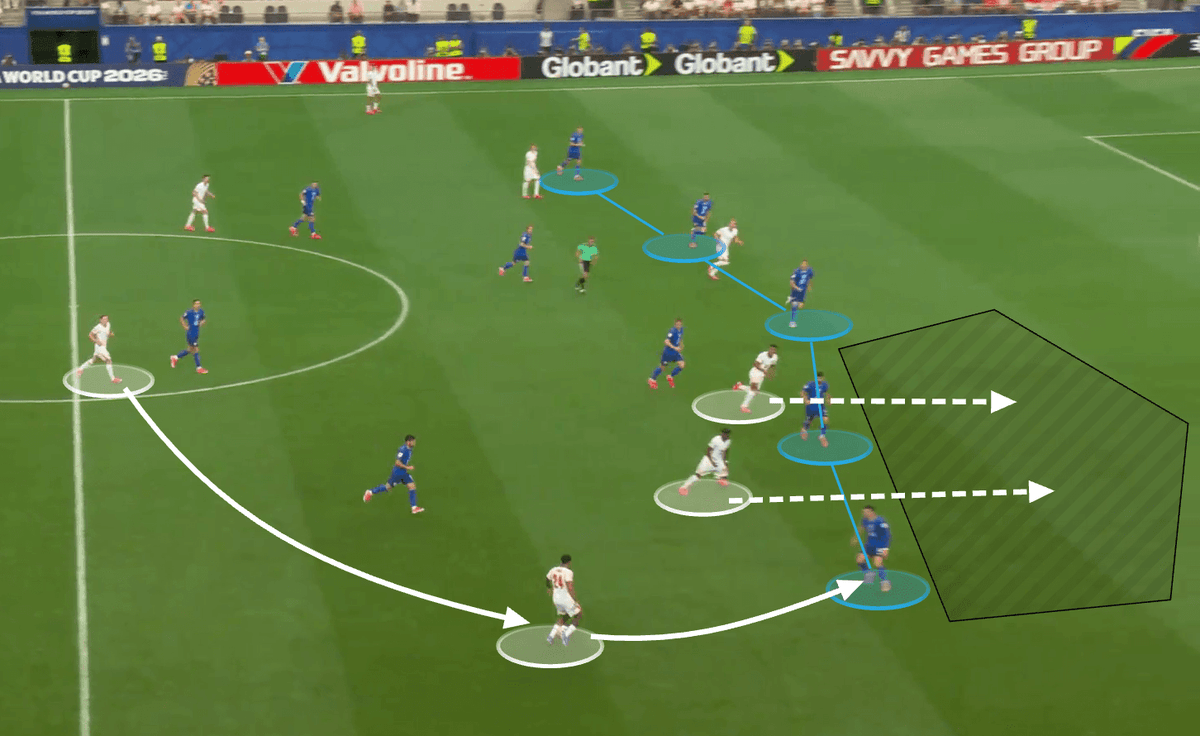
Anthony Barry did not hold back in his half-time assessment of England’s opening 2026 World Cup match against Croatia.“Overall, it was a complicated and confusing first half from us,” the assistant coach told English broadcaster ITV.He went on to critique the “nervous energy” and how he felt that bled into their build-up, as England struggled to find ways through or round the Croatia press.“We made some decisions where the energy was not free in our mind: playing long when we should play short, and short when we should play long. Not playing through the gaps, so not allowing us to accelerate our game the way we wanted to,” Barry added.He sounded frustrated that Harry Kane’s goals on 12 and 42 minutes — the former a penalty and the latter a header from Declan Rice’s outswinging corner — had not settled the team. Croatia twice pegged England back, including in the fifth minute of first-half injury time, right before he was interviewed. “We fall back into some fearful patterns,” he said.At best his comments were harsh, pressure-induced and said in the heat of the moment in a World Cup game, just after his team had conceded.There’s also an argument that coaches, assistants or otherwise, ought to protect their players and be careful if and when they criticise. But it also tells us a lot about Thomas Tuchel and how the England head coach, plus Barry and the rest of the staff, analyse the side, as well as the standards they hold them to.England did start sloppily. Goalkeeper Jordan Pickford kicked long from the outset and they gave away a corner inside two minutes by overplaying in their own third. Their efforts to solve the press involved rolling left back Nico O’Reilly into midfield, a role he played to great effect for Manchester City this past season, as well as splitting the centre-backs wider.Declan Rice roamed between deep central spaces and the left touchline, with Jude Bellingham staying on the right and Elliot Anderson anchoring the midfield. Often England played with some kind of diamond.Packing the centre of the pitch with many bodies is designed to create overloads and offer routes through the middle, with less risk of a turnover. Except, to Barry’s point, England were a little guilty of not looking to break lines on the ground but instead going straight in-behind.Reece James did this from right-back when both Bellingham and Noni Madueke made runs in-behind the Croatia back five. That pattern repeated with roles reversed later in the half, when Bellingham tried to find James with a ball over the top.Kane contributed to this, too. On one occasion when the Bayern Munich striker dropped deep, he lost the ball, and another time he came as far back as the centre-backs to take the ball off Pickford, and, under no pressure, attempted a Hollywood pass for Bellingham.As the half drew on, the pattern became Pickford launching balls towards left-winger Anthony Gordon, who was the highest player, leaving Kane a little deeper to try and land on second balls. Pickford’s 71 touches and 55 passes across the match were the highest by any goalkeeper in the opening round of matches this tournament.Just once in the opening 45 minutes did England truly break the first line of pressure when Croatia committed, working a neat pattern from Pickford into Anderson, then to left centre-back John Stones, who used O’Reilly as the escape route to slip a straight pass for Rice’s diagonal run — only for the Arsenal midfielder to then turn down a simple forward ball which would have released Gordon.There’s pace and directness in the team, on the wings especially, and that suits playing in-behind. What became better after half-time was the timing of England’s long passes. They completed just six of 22 attempted long balls in the first half (27 per cent), which improved to 10 from 20 after Tuchel’s team talk.The counter-point to Barry’s assessment is that England were ahead within two minutes of the restart, thanks to a 23-pass sequence which started following Croatia’s long ball at kick-off. They worked the ball up and then back down, from the left out to the right, and waited for their moment to go long.That came when Croatia’s left side jumped, with wing-back Ivan Perisic stepping out to England right-back James and the centre-backs also locking on. Bellingham and Madueke realised this and immediately darted into the vacated space, and Anderson’s booming ball over the back five sent Bellingham through to score.“I don’t remember all 23 (passes),” Bellingham said on ITV about the goal. “I remember Elliot’s was pretty brilliant. The work that goes into creating those kinds of plays takes us weeks to get right.”In midfield, they were front-footed and aggressive, repeatedly man-marking Croatia tightly, both in the mid-block and when pressing high. Luka Modric was limited to a timid display, completing all 27 of his passes but only playing forward four times, before being subbed on 58 minutes.Early on, England’s counter-press was sharp and well co-ordinated, compensating for some poor vertical passes with aggression to quickly regain possession. It should be that good, after all. Last March, Tuchel told reporters he wanted his England side to reflect the intensity of the Premier League and its high physical demands.He picked a squad to fulfil that, with height, stamina and pace decisive factors in certain selections, and clearly reminded his players of that during the break. They committed the cardinal tactical sin of sitting deep without pressure on the ball to allow Croatia’s second goal, which owed to a smart inside run from Perisic and a precise chipped pass by Mario Pasalic.“He (Tuchel) gave us a speech at half-time just to say ‘If we lose we lose, but we lose in our way’,” Kane told reporters. “You saw that in the second half. We went full gas and they couldn’t live with it. Without the ball, we went a little more aggressive. Intensity is our biggest strength and we will have to use that this tournament.”
Explaining England’s ‘fearful patterns’ and what Barry’s words reveal of their World Cup plans
England's assistant delivered a frank assessment of the team's performance at half-time. How did things change after the restart?
1,003 words~5 min read